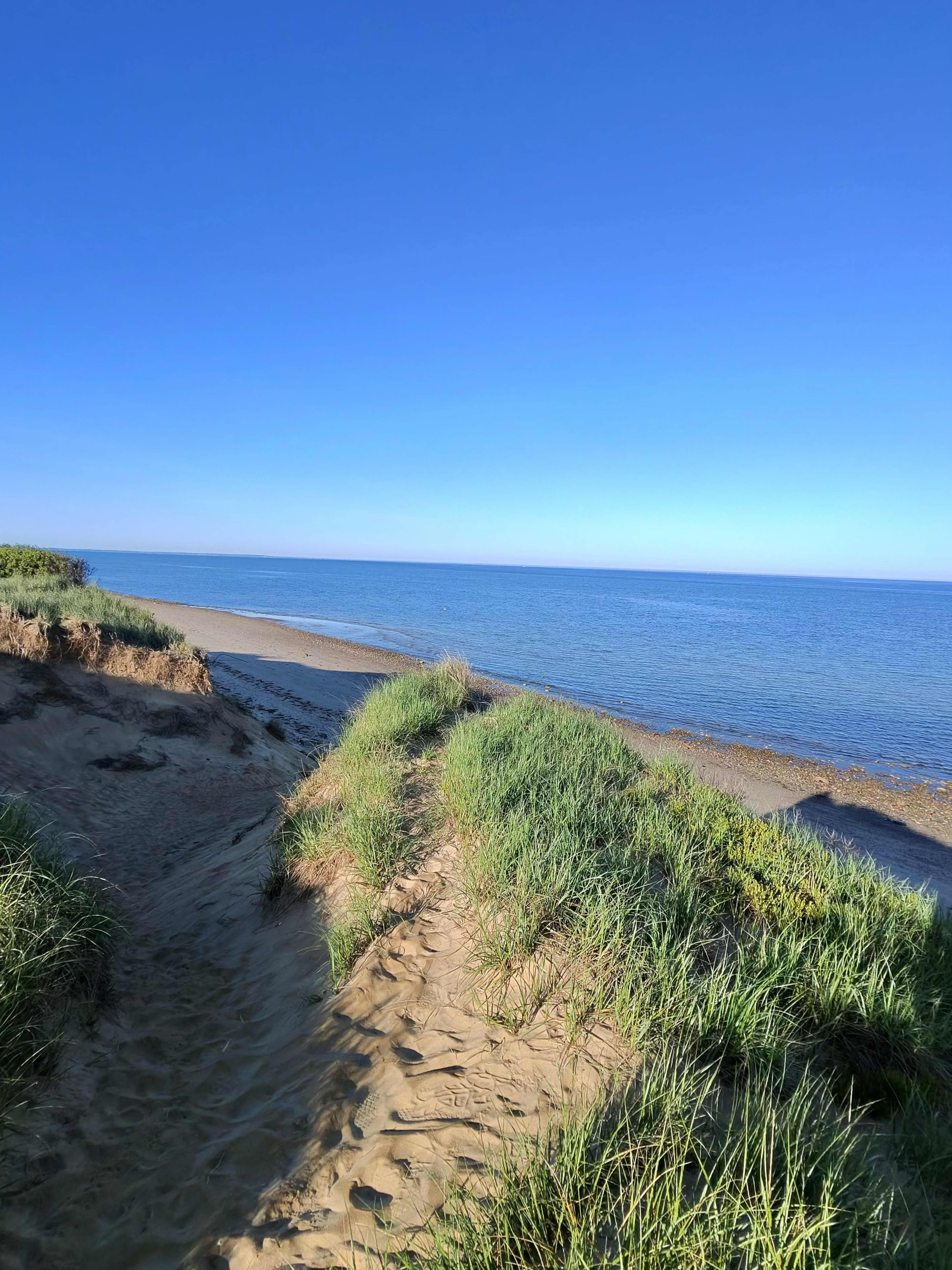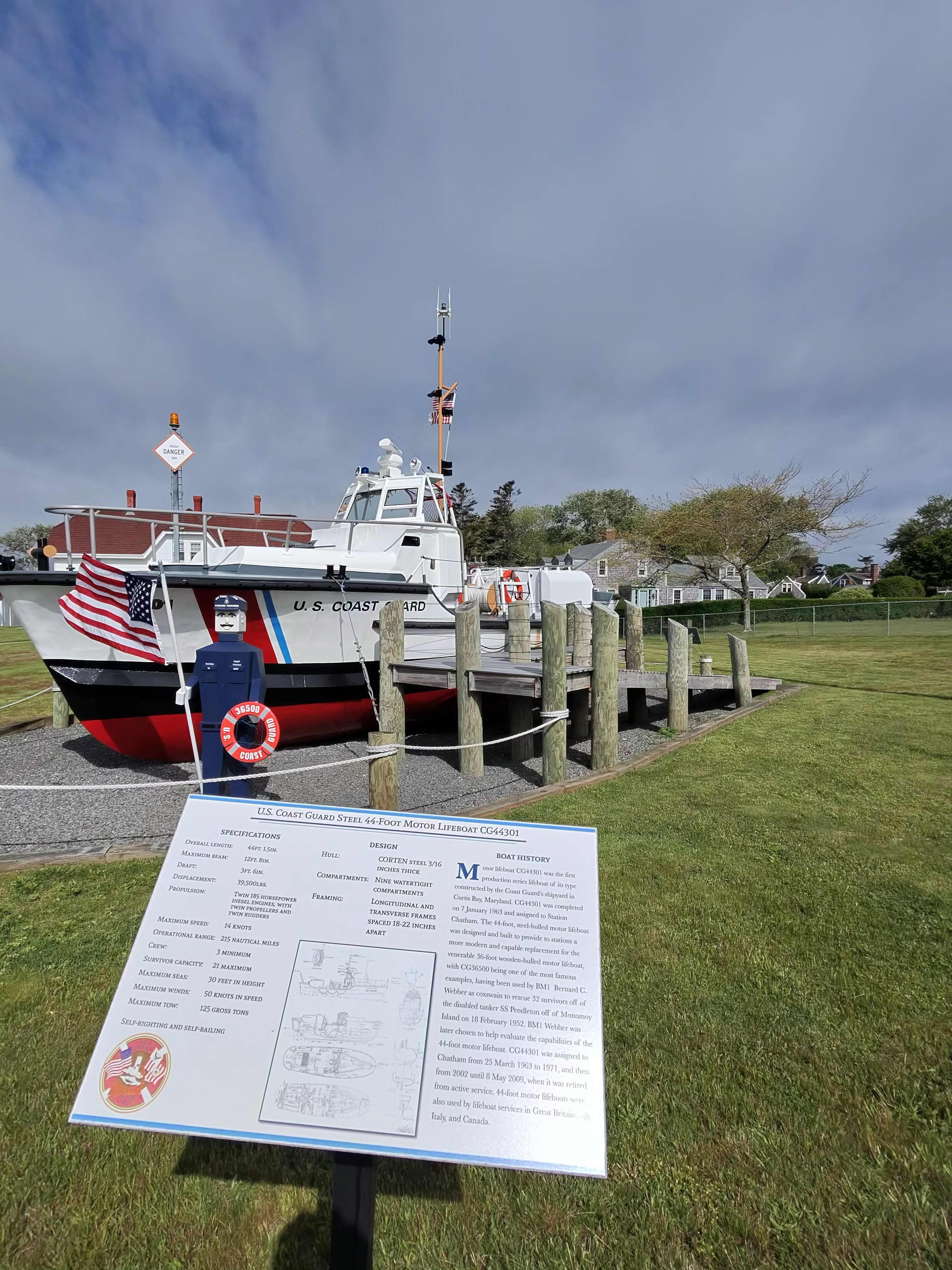
Ask ten Cape Codders when you should visit, and most of us will lower our voice and say the same thing: September. Not July. Not the Fourth. September — when the water is still warm from a summer of sun, the crowds have thinned out with the school calendar, and the rates start to soften. It's the Cape's best-kept secret, hiding in plain sight on the back half of the season.
That said, there's no single "best" time — it depends on what you're after. Below is an honest, month-by-month look at the Cape from a local's chair, plus quick answers if you just want the bottom line.
Best Time to Visit Cape Cod for X (Quick Answers)
- Best weather: Late June through early September — warm, long days, reliable beach weather.
- Best value (the sweet spot): September — summer-warm water, fewer people, and lodging rates that start dropping after Labor Day.
- Fewest crowds: November through March (off-season), with the shoulder weeks of late April–May and late September–October close behind.
- Best for families: July and August, when the water is warmest, every ice cream stand is open, and the kids' calendar lines up — just book early and expect company.
- Best for foliage and harvest: Mid-October, when the cranberry bogs flush red and the salt marshes turn gold.
Cape Cod Month by Month
January–March: Quiet, cozy, and cheap
This is the Cape stripped down to its bones — and some of us love it most this way. Lodging rates are at their lowest, the beaches are empty and dramatic, and you can actually get a table at the few restaurants that stay open. Birders come for snowy owls out on the dunes at Race Point and along the National Seashore. The trade-off is real, though: many seasonal restaurants, shops, and inns are closed, and the weather is cold and changeable. Pack for wind. This is a retreat, not a beach trip.
April–May: Spring stirring (shoulder season)
The Cape wakes up slowly. April is mild and still quiet; by May, gardens and shadbush are blooming, more businesses reopen each week, and the light gets long. Water is far too cold for swimming, but it's a lovely time for biking the Cape Cod Rail Trail, walking the beaches, and booking ahead — this is when savvy travelers lock in summer reservations. Shoulder-season value with reawakening energy.
June: The season opens
By mid-June the Cape is in full bloom and the water is warming, though the bay side warms faster than the cooler Atlantic-facing beaches. Early June still carries shoulder-season calm and pricing; by the last week, school's out and the summer machine kicks into gear. A great window if you want summer weather without peak-August density.
July–August: Peak summer
This is the Cape at full volume: warmest water, longest days, every business open, festivals and farmers' markets everywhere. It's also the most crowded and most expensive stretch, with bridge traffic that backs up for miles on summer weekends and beach parking lots that fill by mid-morning. If you're coming with kids and want the classic experience, this is it — just plan around the friction (more on that below). Note: exact traffic and parking conditions vary year to year; treat these as the well-established summer norm.
September: The sweet spot
Here's the month we'd circle on your calendar. After Labor Day, the families with school-age kids head home, but the ocean doesn't know that — the water stays summer-warm well into the month, often at its most swimmable. Days are still warm, nights turn pleasantly cool, lodging rates ease, restaurant waits shrink, and bridge traffic relaxes. You essentially get August's water with a fraction of August's crowd. If you can only go once and want the best overall experience, go in September.
October: Foliage, harvest, and oysters
Fall settles in gloriously. The cranberry harvest peaks around mid-October, when growers flood the bogs and the berries float up in brilliant crimson rafts — bog tours are a genuine bucket-list sight. Inland trees and salt marshes color up, seal watching off Chatham and Monomoy is excellent, and the Wellfleet OysterFest (typically mid-October) packs the town for a weekend of bivalves and beer. Cool but often beautiful; some seasonal spots begin closing late in the month.
November–December: Holiday charm
The Cape trades beach energy for hearth energy. Town centers light up with holiday strolls — Chatham's Christmas Stroll is the marquee event, with Falmouth, Sandwich, and others hosting their own. Expect the lowest rates of the year, cozy inns with fireplaces, and an unhurried, postcard-quaint mood. Many seasonal businesses are closed by now, so check hours before you build your day around a specific spot.
Season-by-Season Summary
| Season | Crowds | Prices | Water | Best for |
|---|---|---|---|---|
| Summer (Jun–Aug) | Highest | Highest | Warmest | Beach days, families, full open season |
| Fall (Sep–Oct) | Moderate → low | Dropping | Warm in Sep, cooling in Oct | Best overall value, foliage, harvest, oysters |
| Winter (Nov–Mar) | Lowest | Lowest | Cold | Cozy escapes, holiday strolls, birding |
| Spring (Apr–Jun) | Low → rising | Moderate | Cold → warming | Booking ahead, biking, blooms, shoulder value |
A Few Local Logistics Worth Knowing
A handful of recurring questions trip up first-time visitors. Quick local guidance:
- Bridge traffic: Both bridges over the Cape Cod Canal bottleneck on summer weekends. Aim to cross early morning or late evening, and avoid the classic Friday-afternoon-on, Sunday-afternoon-off windows.
- Do you need a car? For most visitors, yes — the Cape is spread out and public transit is limited. If you're staying put in a walkable town like Provincetown or relying on the islands, you can manage without one, but plan transport deliberately.
- Beach parking: Popular National Seashore and town lots fill by mid-to-late morning in summer. Arrive early, or go late afternoon. Many town beaches require resident or paid stickers — check before you go.
- Ferries to the islands: Heading to Martha's Vineyard or Nantucket in summer? If you're bringing a car, ferry reservations are essential and book up well in advance. Passenger-only fast ferries are easier but still smart to book ahead in peak season.
Turn This Into a Plan
Get the best of Cape Cod — free.
Guides, hidden spots, and seasonal tips from people who actually live here.
Frequently asked questions
When is the least crowded time to visit Cape Cod?
November through March is the quietest stretch, with the fewest visitors and the lowest lodging rates, though many seasonal restaurants, shops, and inns are closed. The shoulder weeks of late April through May and late September through October offer a notable step down from peak-summer density without full off-season closures.
Is September a good time to visit Cape Cod?
September is widely considered the Cape's sweet spot. After Labor Day, families with school-age kids head home but the ocean stays summer-warm, lodging rates ease, restaurant waits shrink, and bridge traffic relaxes — you essentially get August's water with a fraction of August's crowds.
When is the cranberry harvest on Cape Cod?
The cranberry harvest peaks around mid-October, when growers flood the bogs and the berries float to the surface in brilliant crimson rafts. Bog tours run during this period and are described as a genuine bucket-list sight.
Do you need a car to visit Cape Cod?
For most visitors, yes — the Cape is spread out and public transit is limited. If you're staying in a walkable town like Provincetown or focusing on the islands, you may manage without one, but the guide recommends planning your transport deliberately either way.
What is beach parking like in summer?
Popular National Seashore and town beach lots fill by mid-to-late morning in summer, so arriving early or going in the late afternoon are the practical alternatives. Many town beaches also require a resident or paid sticker, so check requirements before you go.