Here's the thing no one tells you before your first family trip to Cape Cod: there isn't one Cape Cod beach experience. There are three. And which one ends in happy, sandy, sleepy kids—versus a tearful early exit—depends almost entirely on two things: how old your kids are, and what the tide is doing the moment you arrive.
The Cape is a long, curling arm of sand, and it touches three very different bodies of water. The water temperature, the wave height, and even whether there's water at all when you show up can swing wildly depending on which side you pick. Locals know this instinctively. Visitors usually learn it the hard way.
So let's fix that. Here's how to match the coast to your kid's age, and how to read a tide chart like you grew up here.
The Three Coasts, Quickly
Cape Cod Bay (the north side). Think Orleans, Brewster, and the Bay-facing towns. The water here is generally warm and calm, and—this is the magic part—it has enormous tidal flats. At low tide, the water pulls back to reveal acres of rippled, walkable sand dotted with warm, shallow tide pools. Skaket Beach in Orleans and Paine's Creek and Breakwater Beach in Brewster are the classic examples. This is toddler paradise.
Nantucket Sound (the south side). The Sound-facing beaches of Falmouth, Yarmouth, and Dennis tend to be warm with gentle, rolling waves—a comfortable middle ground. Not as dramatic a flats situation as the Bay, but reliably swimmable, and the waves are usually small enough for confident young swimmers to bob around in. (Conditions vary by specific beach and wind direction, so treat this as a general rule rather than a guarantee.)
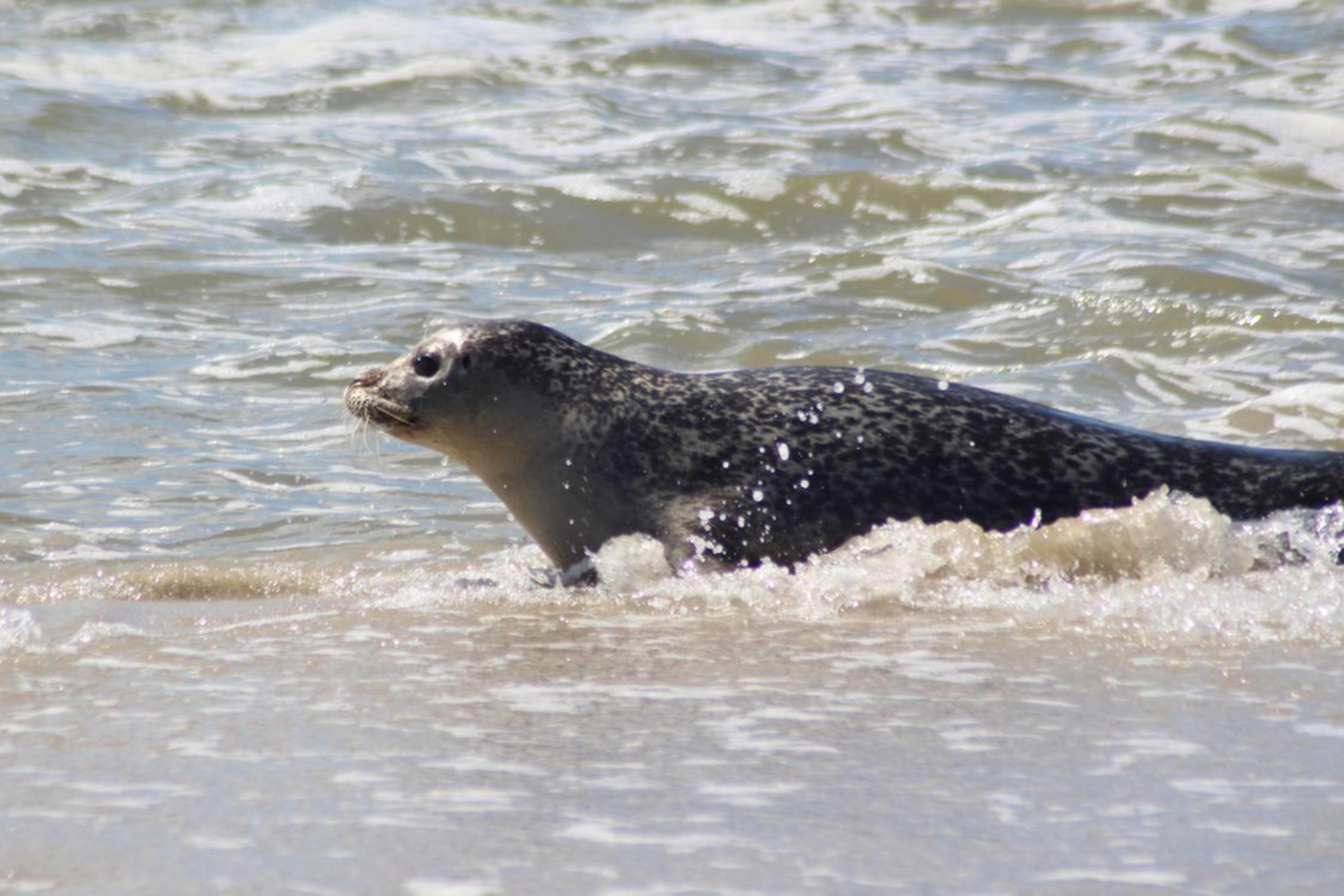
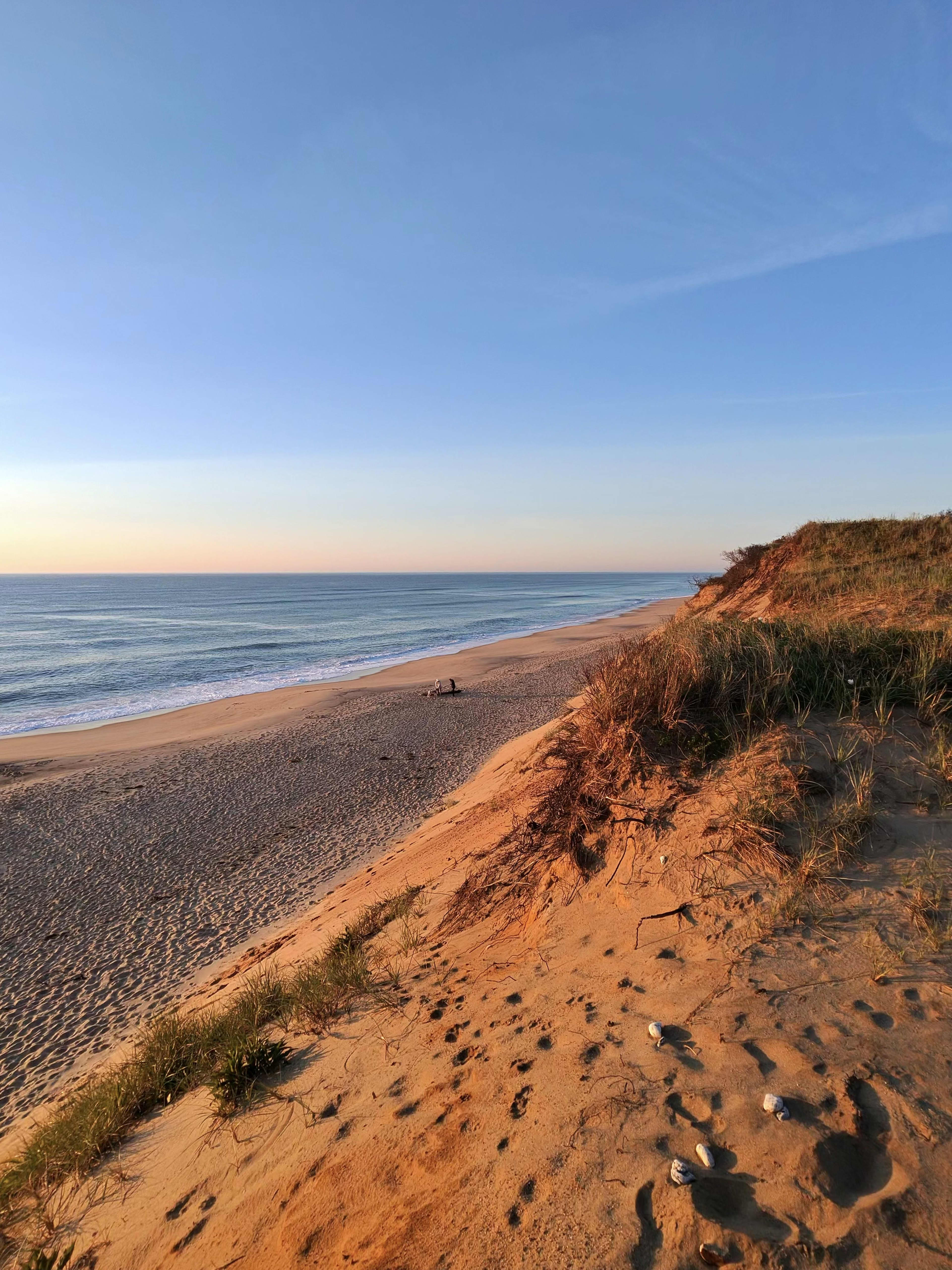
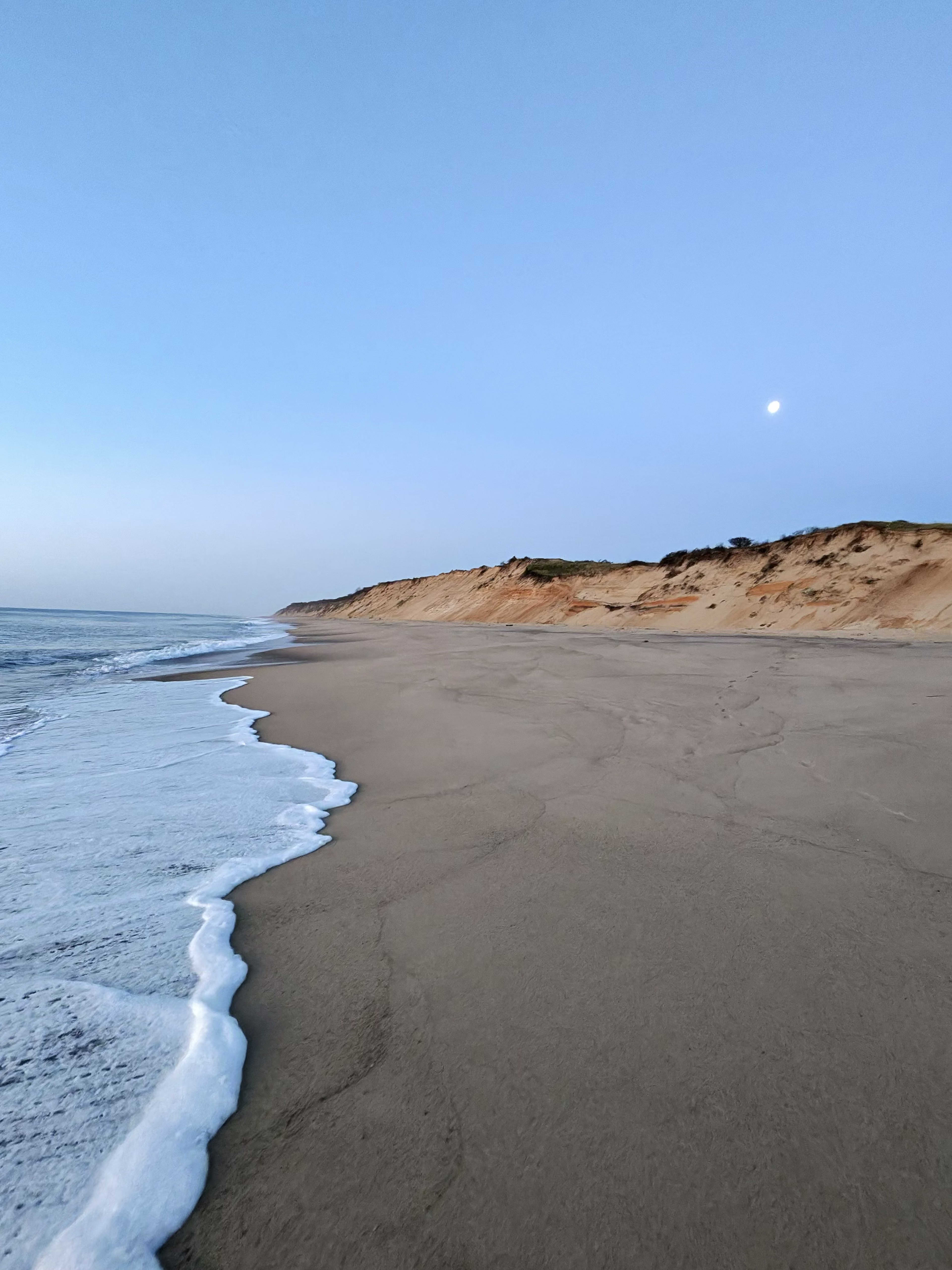
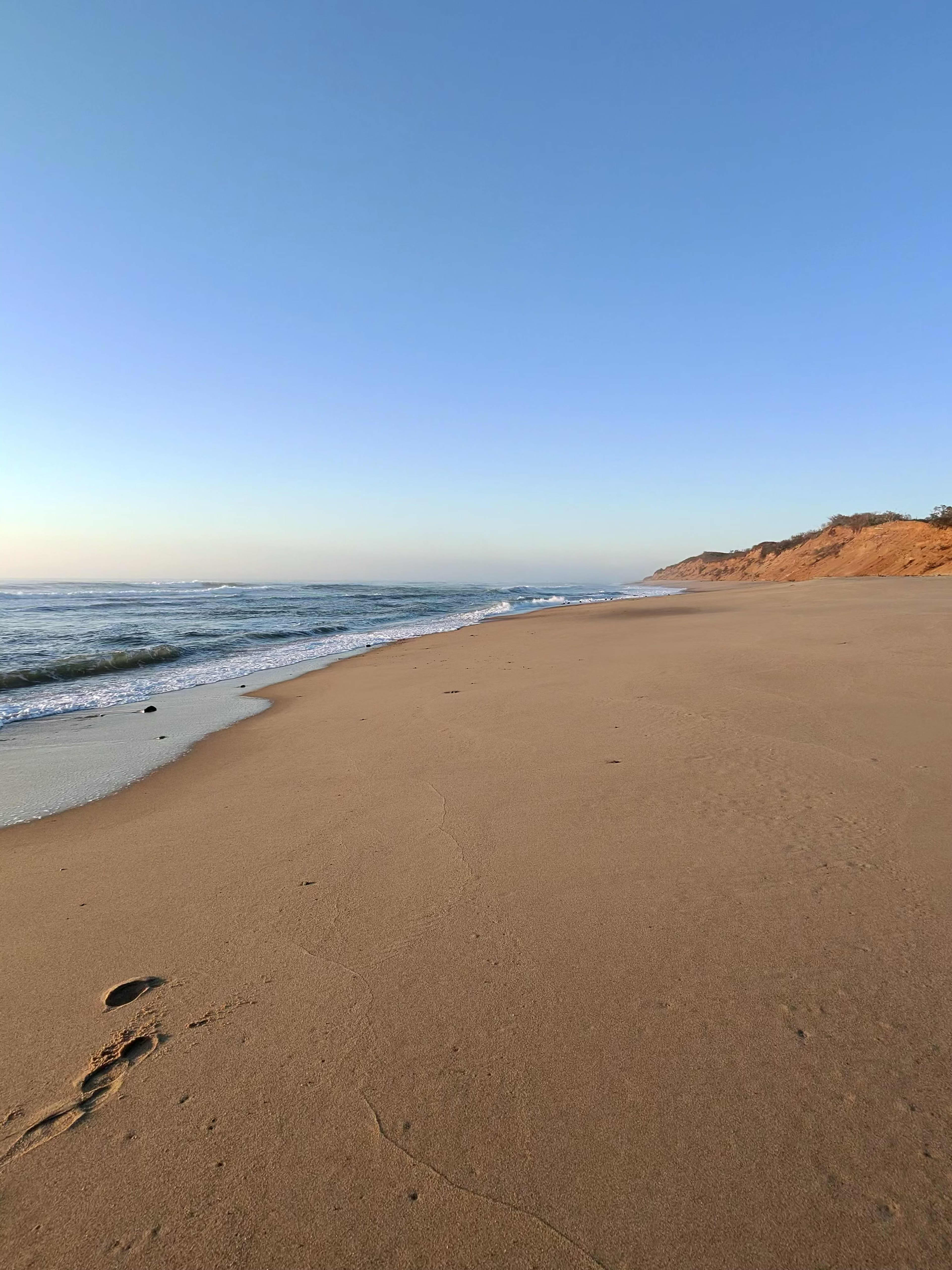
The Atlantic / Cape Cod National Seashore (the east, or "outer," side). Nauset Beach and Coast Guard Beach face the open Atlantic. This is the dramatic, big-surf, cold-water Cape of postcards—powerful waves, a real shore break, and noticeably colder water. Beautiful and bracing, and better suited to older kids and teens who can handle (and love) the surf. Lifeguards here are managing genuine ocean conditions, so respect the flags.
Same peninsula. Three completely different days at the beach.
The Age Guide
Babies and Toddlers (0–4): Go Bay-side, at low tide
For the littlest ones, you want warm water, no waves, and a soft place to plop down. That's the Bay, full stop. Time your visit for the hours around low tide and the flats become a vast, ankle-to-knee-deep wading pool that the sun has been gently warming all morning. Kids can splash, dig, and chase hermit crabs without ever being knocked over by a wave. Skaket Beach and Brewster's Bay beaches are the gold standard here. Bring sun shade—the flats are wide open with little natural shade.
Elementary Age (5–10): The Sound is your sweet spot
Kids in this range usually want a little more action—small waves to jump, water deep enough to actually swim in—without the intensity of the open Atlantic. The Nantucket Sound beaches in Falmouth, Yarmouth, and Dennis deliver exactly that: warm-ish water and gentle surf. The Bay still works beautifully too, especially on a flats day when they can walk out forever. Mix and match based on the tide.
Tweens and Teens (11+): Bring on the Atlantic
This is where the outer beaches earn their reputation. Nauset and Coast Guard Beach offer real waves for bodysurfing and boogie boarding, the wide-open drama of the National Seashore, and the kind of beach day that makes teenagers actually look up from their phones. The water is colder and the surf is stronger—which is the entire point for this age group. Just keep everyone between the lifeguard flags and keep an eye on the surf advisories.
How to Read the Tide (The Local Superpower)
If you take one thing from this article, make it this: on the Bay side, the tide changes everything.
At high tide, a Bay beach looks like a normal beach—water lapping near the parking lot. But Cape Cod has a big tidal range, and a few hours later that same beach can transform. At low tide the water retreats hundreds of yards (sometimes much more), leaving behind those warm, walkable flats that are so perfect for small kids.
Here's how to use that:
- Check a tide chart for the specific town you're visiting before you go. A quick search for "[town name] tide chart" gets you the day's high and low times. Tides shift by roughly 50 minutes each day, so today's perfect low-tide window is not tomorrow's.
- For toddlers and flats-walking, aim to arrive an hour or two before low tide. You'll catch the water on its way out and have the widest, warmest shallows to play in.
- For actual swimming on the Bay, you may prefer mid-to-high tide, when there's enough water to get in past your ankles.
- The Sound and Atlantic are less tide-dependent for general swimming, but tide and wind still affect wave size and how far the walk to the water is.
Nail the tide and you'll look like you've been summering here for decades.
A Few Practical Local Notes
- Parking fills early. In peak summer, the lots at popular town and National Seashore beaches can fill by 9–10 a.m. If you want a spot, treat the beach like a sunrise mission—or see the next tip.
- Many town beaches are free after 5 p.m. A late-afternoon-into-evening beach trip skips the parking fee and the harshest sun and the midday crowds. For families, the "second shift" beach day is genuinely underrated. (Policies vary by town and change seasonally—confirm the current rule and hours with the specific town before you count on it.)
- Always verify current parking fees and resident-sticker rules. Each town sets its own daily rates and regulations, and they change year to year.
- Pack for the flats. Water shoes (the flats can have shells and the odd crab), a sun shade or pop-up tent, and more water than you think you'll need.
Pick your coast by your kid's age, time it to the tide, and Cape Cod hands you one of the easiest, happiest beach days you'll ever have.
Beaches & trails in this guide
What to Bring / What You'll Need
Cape Cod Certified picks — essentials worth packing for this trip:
- MalsiPree Portable Dog Water Bottle — $15: One-handed, leak-proof bottle with a built-in bowl that recycles unused water back into the bottle. Under six ounces and ready for every boardwalk, trail, and dune walk.
- Sun Bum Mineral SPF 30 Sunscreen Lip Balm — $4: Zinc-based broad-spectrum lip protection with vitamin E; reef-safe.
Plan it with Cape Cod Certified
Get the best of Cape Cod — free.
Guides, hidden spots, and seasonal tips from people who actually live here.
Frequently asked questions
What are the best Cape Cod beaches for toddlers?
Bay-side beaches like Skaket Beach in Orleans and Brewster's Paine's Creek and Breakwater Beach are ideal for toddlers. At low tide the water pulls back to reveal warm, shallow flats where small children can splash and explore without being knocked over by waves. Aim to arrive an hour or two before low tide for the best conditions.
What's the difference between the Bay side and the ocean side of Cape Cod?
Cape Cod touches three different bodies of water, each with its own character. The Bay (north) has calm water and dramatic tidal flats; Nantucket Sound (south) offers warm, gentle waves; and the Atlantic side (east) features powerful surf and colder water. Which suits your family depends on your kids' ages and comfort with waves.
How early do I need to get to Cape Cod beaches in the summer?
In peak summer, parking lots at popular town and National Seashore beaches can fill by mid-morning. Arriving early is the surest way to get a spot. A late-afternoon visit is another option that avoids the busiest crowds — confirm current parking policies and hours with the specific town before you go.
How does the tide affect Cape Cod Bay beaches?
On the Bay side, the tide changes everything. As the tide drops, water retreats hundreds of yards and exposes warm, walkable flats ideal for wading and exploring tide pools. Check a tide chart for the specific town you're visiting, since tides shift by roughly 50 minutes each day, so the window moves constantly.
Are the waves at Nauset Beach okay for kids?
Nauset Beach and Coast Guard Beach face the open Atlantic with real surf, a genuine shore break, and noticeably colder water than the Bay or Sound. The guide recommends these beaches for tweens and teens who can handle stronger conditions. Stay between the lifeguard flags and check surf advisories on the day you visit.