Most visitors come to Cape Cod for the beaches. The ones who leave changed came for the animals.
Stand at the right beach at the right hour and you can watch a 40-ton humpback breach against the horizon, count a hundred gray seals hauled out on a sandbar, and know — with quiet certainty — that a great white shark is patrolling the water between them. These three species aren't a coincidence. They're a single story, and once you understand how they connect, you'll never look at the Outer Cape the same way.
This is our local field guide to seeing all of it: when to come, where to stand, and how to do it without harming the animals or yourself.
The Story Behind the Spectacle: Why Cape Cod Became a Wildlife Hotspot
Here's the chain of events most guidebooks skip.
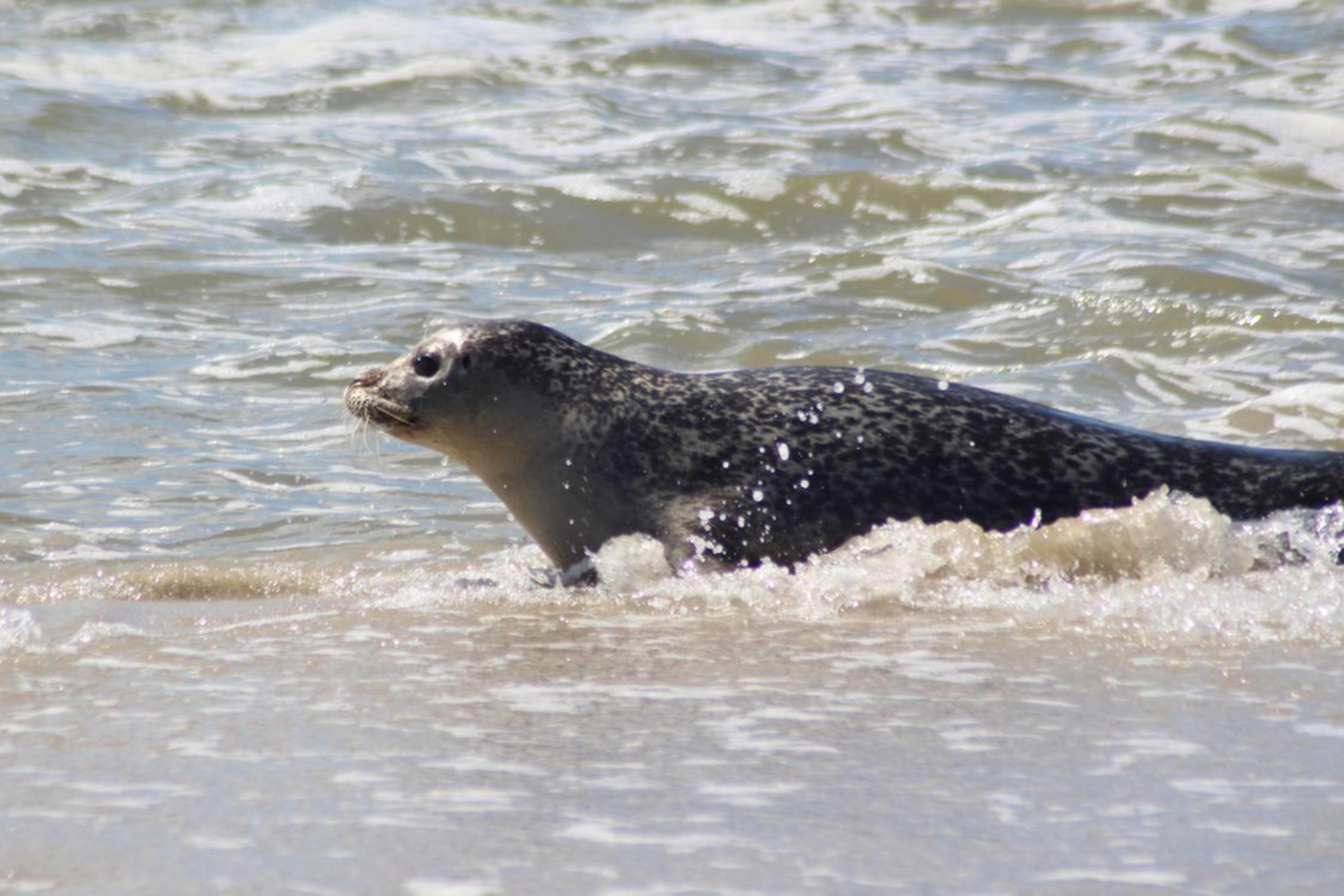
For most of the 20th century, gray seals were hunted to near-disappearance in New England waters. Then came the Marine Mammal Protection Act of 1972, which made it illegal to harass, hunt, or kill them. Over the following decades, the gray seal population around Cape Cod rebounded dramatically — today, tens of thousands haul out on the beaches and sandbars off Chatham and Monomoy.
A seal colony that size is, in ecological terms, a buffet. And the apex predator that eats seals is the great white shark. As the seals returned, so did the sharks — which is why the waters off Cape Cod are now one of the most reliable places on the Atlantic coast to study white sharks up close. The "shark problem" people debate is really a conservation success story wearing a scary costume.
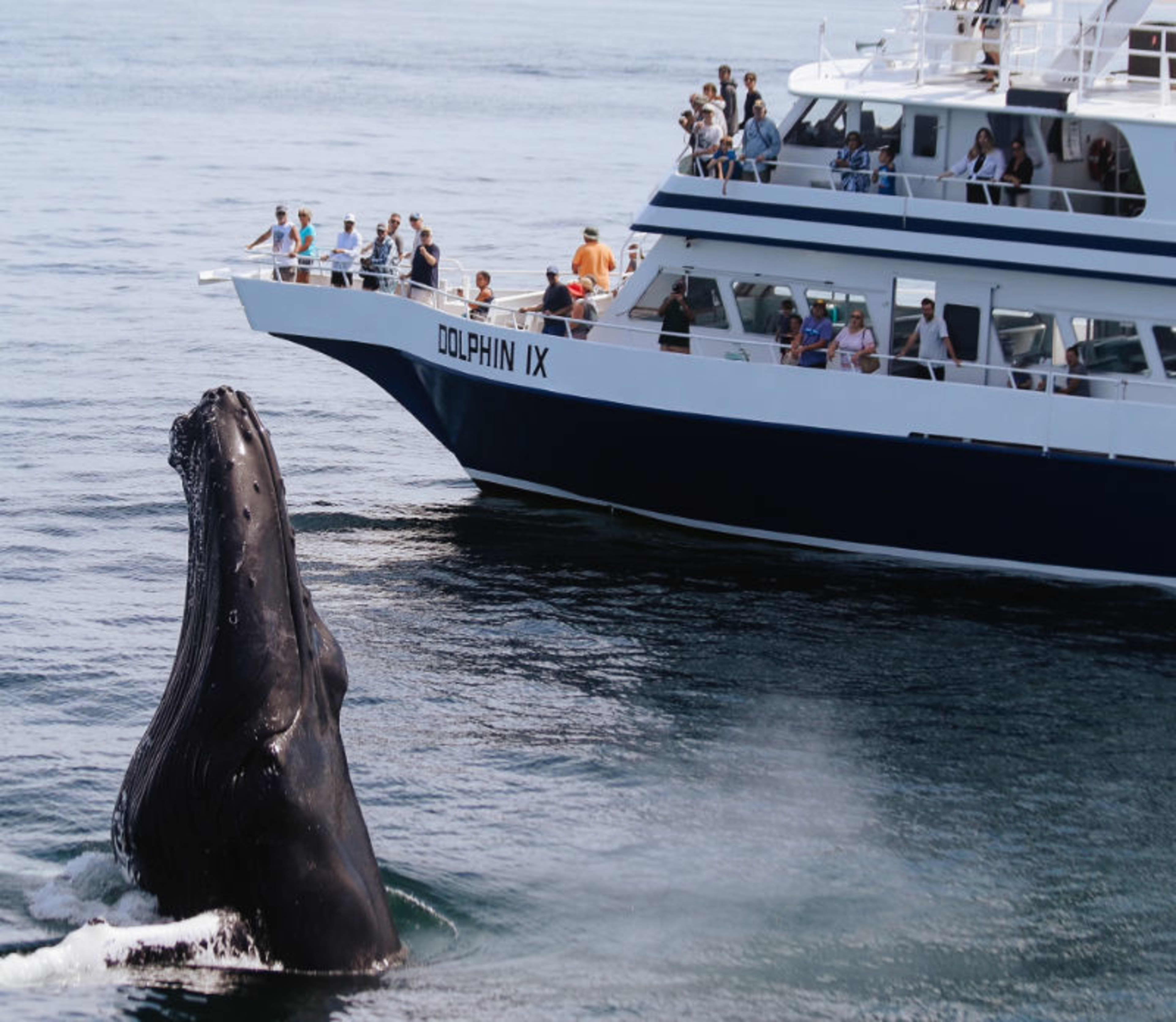
The whales are a slightly separate thread: they're drawn to Stellwagen Bank, a shallow, nutrient-rich underwater plateau just north of Provincetown that concentrates the small fish and krill they feed on. Different food, same lesson — Cape Cod's wildlife is abundant because the water around it is alive.
Month-by-Month: What to See and When
Wildlife doesn't read calendars, so treat these windows as strong tendencies, not guarantees. (Seasonal timing shifts year to year — confirm current conditions before you plan a trip around any single species.)
Winter (December–February): Seal Pups & Sea Turtle Rescues
This is the Cape's secret wildlife season. Gray seals give birth from roughly December through February, with pupping peaking around mid-January. You won't get up-close access to pupping beaches (nor should you), but seals are visible year-round, and winter is when the colonies are largest and most active.
Winter is also cold-stunning season for sea turtles. From November through mid-January, hypothermic turtles wash ashore along the bay-side beaches, and Mass Audubon's Wellfleet Bay Wildlife Sanctuary runs one of the country's most remarkable rescue operations. If you find a stranded turtle, don't put it back in the water — call the Wellfleet Bay sanctuary's hotline.
Spring (March–May): Right Whales & the First Whale Boats
Late March into April brings one of the rarest animals on Earth close to shore: the North Atlantic right whale. With only a few hundred individuals left on the planet, spotting one from the dunes near Race Point in Provincetown is a genuine privilege. Bring binoculars and patience.
By mid-April, the commercial whale watch fleet begins running to Stellwagen Bank, and the humpbacks, finbacks, and minke whales start arriving for the season.
Summer (June–August): Peak Whales, Rising Sharks
June through September is peak whale watching — calm seas, active feeding, and the best odds of breaches and bubble-net feeding. This is the time to book a boat.
It's also when great white shark activity climbs. Sharks follow the seals into the shallows, and late July onward is when beach advisories and confirmed sightings become routine along the Outer Cape. Summer is when "Shark Smart" beach habits matter most (see below).
Fall (September–October): The Grand Finale
Don't write off the shoulder season. September and October are arguably the best all-around wildlife window of the year. Whale watching continues strong, the crowds thin, and great white shark activity peaks from late July through October along the stretch locals call "Shark Alley" — the waters off Nauset, Chatham, and Monomoy.
Seals, as always, are everywhere. Whale-watch boats typically run through October.
Where to Stand: The Best Viewing Spots
For seals: The Chatham Fish Pier is the easiest, most reliable seal-watching spot on the Cape — and it's free. Go at low tide, when seals haul out on the exposed flats in big numbers. For a closer (and responsibly guided) look, book a Monomoy seal cruise out of Chatham or Harwich.
For whales: Boats leave from Provincetown (closest to Stellwagen Bank, so more time with whales and less time in transit) and from Barnstable on the bay side. Morning trips often have calmer water.
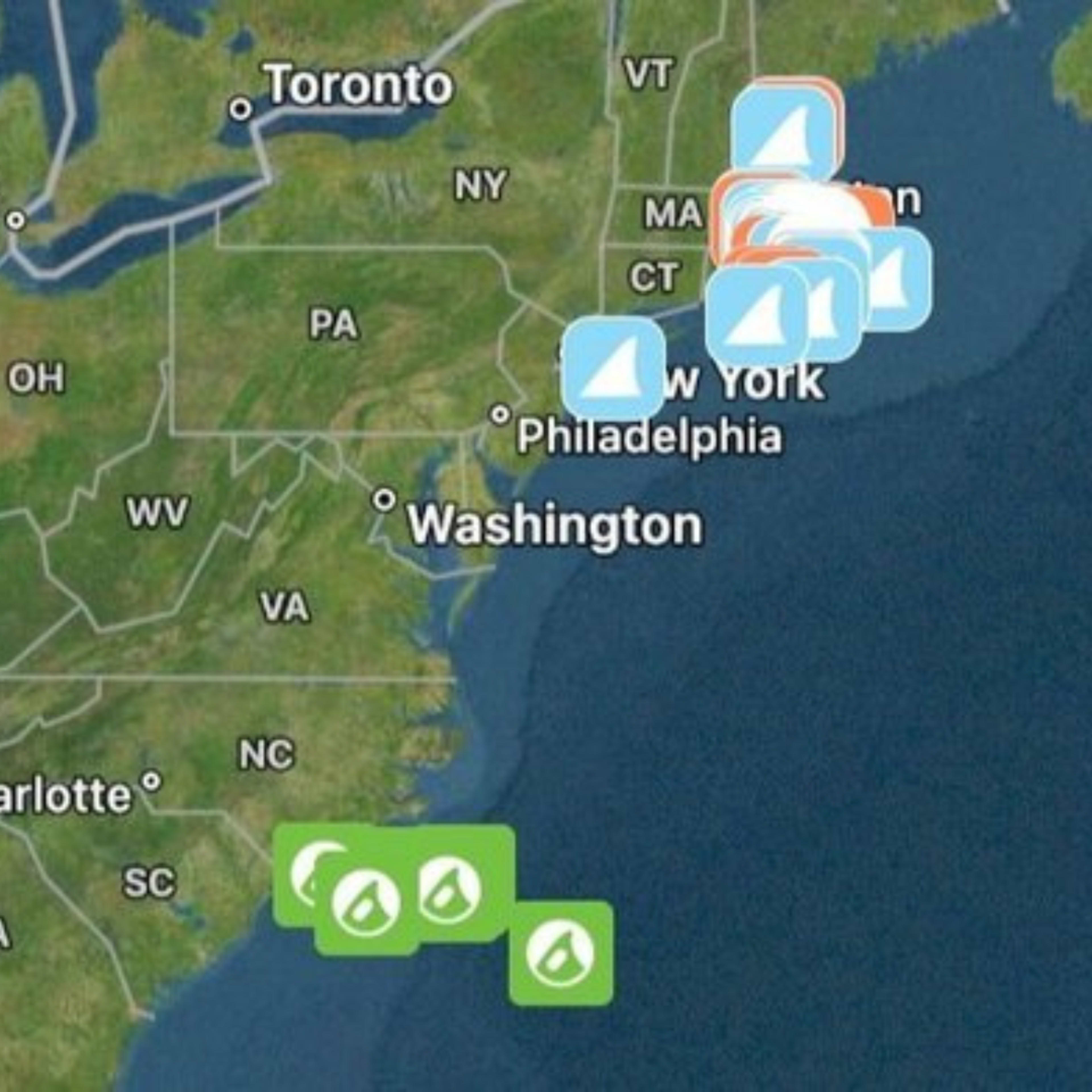
For sharks: You don't watch for great whites from the water — you watch the data. Download the Sharktivity app (from the Atlantic White Shark Conservancy) to see real-time, confirmed sightings. Then visit the Atlantic White Shark Conservancy's Shark Center in Chatham to actually understand what's swimming offshore.
Watch Responsibly: The Rules That Protect Everyone
Cape Cod's wildlife thrives because people give it room. A few non-negotiables:
- Stay 150 feet from seals. This is a federal requirement under the Marine Mammal Protection Act — not a suggestion. Seals can bite, carry diseases, and abandon pups if disturbed. Keep dogs leashed and well back.
- Never feed or touch any marine mammal. It's illegal and it harms them.
- Found a stranded seal, turtle, or whale? Don't intervene. Note the location and call a licensed responder (Mass Audubon Wellfleet Bay for turtles; the regional marine animal stranding hotline for seals and whales).
- Be Shark Smart in the water: swim near lifeguards, avoid swimming at dawn and dusk, stay close to shore, don't swim near seals or schools of fish, and follow all posted beach flags and closures. Check Sharktivity before you go.
The animals were here first, and the reason you can see them at all is that enough people learned to keep their distance.
Plan Your Cape Cod Wildlife Trip
Pair a morning whale watch out of Provincetown with an afternoon at the Chatham Fish Pier at low tide, and you've seen the top and bottom of the food chain in a single day. Add a stop at the Shark Center, and you'll understand the whole story.
What to Bring / What You'll Need
Cape Cod Certified picks — essentials worth packing for this trip:
- Sueños del Sol Linen Napkins (Set of 4): Hand-embroidered linen napkins with a bold sun-and-moon motif in coastal blue and yellow. They bring an effortless, elevated warmth to summer dinner parties and lazy Cape mornings alike.
- MalsiPree Portable Dog Water Bottle — $15: One-handed, leak-proof bottle with a built-in bowl that recycles unused water back into the bottle. Under six ounces and ready for every boardwalk, trail, and dune walk.
Before You Go: The Certified Shortlist
Get the best of Cape Cod — free.
Guides, hidden spots, and seasonal tips from people who actually live here.
Frequently asked questions
When is the best time to see great white sharks off Cape Cod?
Great white shark activity rises from late July and peaks through October along the stretch locals call Shark Alley, off Nauset, Chatham, and Monomoy. Download the Sharktivity app from the Atlantic White Shark Conservancy for real-time confirmed sightings before heading to the beach.
Where is the best place to watch seals on Cape Cod?
The Chatham Fish Pier is one of the easiest places on the Cape to watch seals, especially when they haul out on exposed sandbars. For a closer, guided look, seal cruises run out of Chatham and Harwich.
When do gray seals have their pups on Cape Cod?
Gray seals give birth from roughly December through February, with pupping peaking around mid-January. You won't get close access to pupping beaches, but seals are visible year-round and winter is when the colonies are largest and most active.
How close are you allowed to get to seals on the beach?
Federal law under the Marine Mammal Protection Act sets a mandatory minimum distance from seals — it is a legal requirement, not a suggestion. Seals can bite, carry diseases, and abandon pups if disturbed, so keep dogs leashed and well back. Check current federal guidelines for the exact distance.
What month is best for whale watching off Cape Cod?
June through September is peak whale watching season, with the best conditions for seeing humpbacks, finbacks, and minke whales breaching and feeding. Boats typically run through October and depart from both Provincetown — the closest port to Stellwagen Bank — and Barnstable on the bay side.