On most of Cape Cod, putting solar on your roof isn't just a conversation between you and an installer — it's a conversation with your town, and sometimes with a historic district committee that cares deeply about what your roof looks like from the road. None of this should scare you off. Thousands of Cape homes have panels. But the approval landscape here is genuinely more layered than in a typical Massachusetts suburb, and knowing the map before you start saves months of frustration.
Why Approvals Are More Complicated on Cape Cod
The Cape protects its look, and it does so with real legal teeth.
The biggest single factor is the Old King's Highway Regional Historic District — the corridor along Route 6A running through towns like Sandwich, Barnstable, Yarmouth, Dennis, Brewster, and Orleans. It's one of the larger historic districts in the country, and exterior changes visible from the way, solar panels included, generally go through a historic district committee review in the relevant town. Outcomes vary by town, by roof orientation, by visibility from 6A, and by how the application is presented. This is confirm-with-the-town territory: call your town's historic district committee office and ask how they handle solar before you fall in love with a design.
Beyond 6A, Provincetown and Chatham have their own historic areas with their own review processes, and villages like Osterville and West Barnstable carry local character expectations of their own. Some Cape neighborhoods and associations — common in planned communities around Mashpee and Falmouth — add HOA or association review on top. And homes within or adjacent to the Cape Cod National Seashore in Eastham, Wellfleet, Truro, and Provincetown sit in a context where preservation sensitivities run high; your town's building department is the right first call about what applies to your parcel.
Underneath all of that sits the ordinary machinery every install needs: a building permit, an electrical permit, inspections, and utility interconnection approval. Every one of the fifteen towns runs its own permitting office with its own forms, timelines, and quirks.
What the Approval Path Actually Looks Like
For a typical Cape install, expect some version of this sequence:
- Site assessment and design. A good installer designs with visibility in mind from day one if you're anywhere near a historic district.
- Historic or HOA review, where applicable. This happens before permits. Committees often respond better to panels on rear-facing or less-visible roof planes, low-profile racking, and dark, uniform equipment — but every committee is different, so confirm expectations with the town.
- Town permits. Building and electrical permits through your town hall. Ask your installer who files and who attends inspections — it should be them, in writing.
- Utility interconnection. Approval to connect to the grid, with its own paperwork and timeline. Confirm the process and any current backlog with your utility.
- Inspection and permission to operate.
A note on incentives while you plan: the federal Residential Clean Energy Credit — 30% for systems placed in service from 2022 through December 31, 2025 — "is not available for any property placed in service after December 31, 2025" (https://www.irs.gov/credits-deductions/residential-clean-energy-credit). And Massachusetts' SMART program is in transition, with SMART 3.0 taking effect via emergency regulation in 2026 (225 CMR 28.00, https://www.mass.gov/regulations/225-CMR-2800-solar-massachusetts-renewable-target-smart-program-30). Confirm the current SMART incentive status with the MA Department of Energy Resources before signing anything — and don't let anyone use permitting timelines to pressure you about incentive deadlines they can't document.
Can a historic district flatly deny my solar application? Committees have real authority over visible exterior changes, and outcomes depend on your specific property and proposal. Talk to your town's committee early — many applications succeed with visibility-conscious design.
Who handles all this paperwork? A reputable Cape installer manages historic review, permits, and interconnection as part of the job. Get that commitment, and the timeline, in the contract.
Red Flags in the Permitting Conversation
- An installer who's never heard of the Old King's Highway district. If you live along 6A and your installer doesn't ask about it, they haven't worked here enough.
- Anyone promising "the 30% federal tax credit" on a 2026 residential install. That credit ended for property placed in service after December 31, 2025 (https://www.irs.gov/credits-deductions/residential-clean-energy-credit).
- Pressure to sign before "incentives disappear." With SMART 3.0 in transition, the honest move is confirming current status with DOER — not racing a deadline a salesperson invented.
- "You don't need a permit for this." On Cape Cod, you do. Unpermitted solar creates insurance, inspection, and resale problems, and it surfaces the moment you sell.
- Vague answers on who files, who attends inspections, and what happens if the historic committee asks for changes. Get roles and revision terms in writing.
When to Book, Given the Approval Timeline
Add the review layers into your calendar. Historic district committees meet on their own schedules; a project along 6A in Yarmouth or Brewster can take meaningfully longer from contract to switch-flip than one on an unrestricted Marstons Mills lot. If you want panels producing through the Cape's bright summer, start conversations in fall, get through design and historic review over the winter, and permit in late winter — installers' calendars and town offices are both more forgiving before the summer crowds arrive. Seasonal owners should line up a local point of contact for inspections and committee questions.
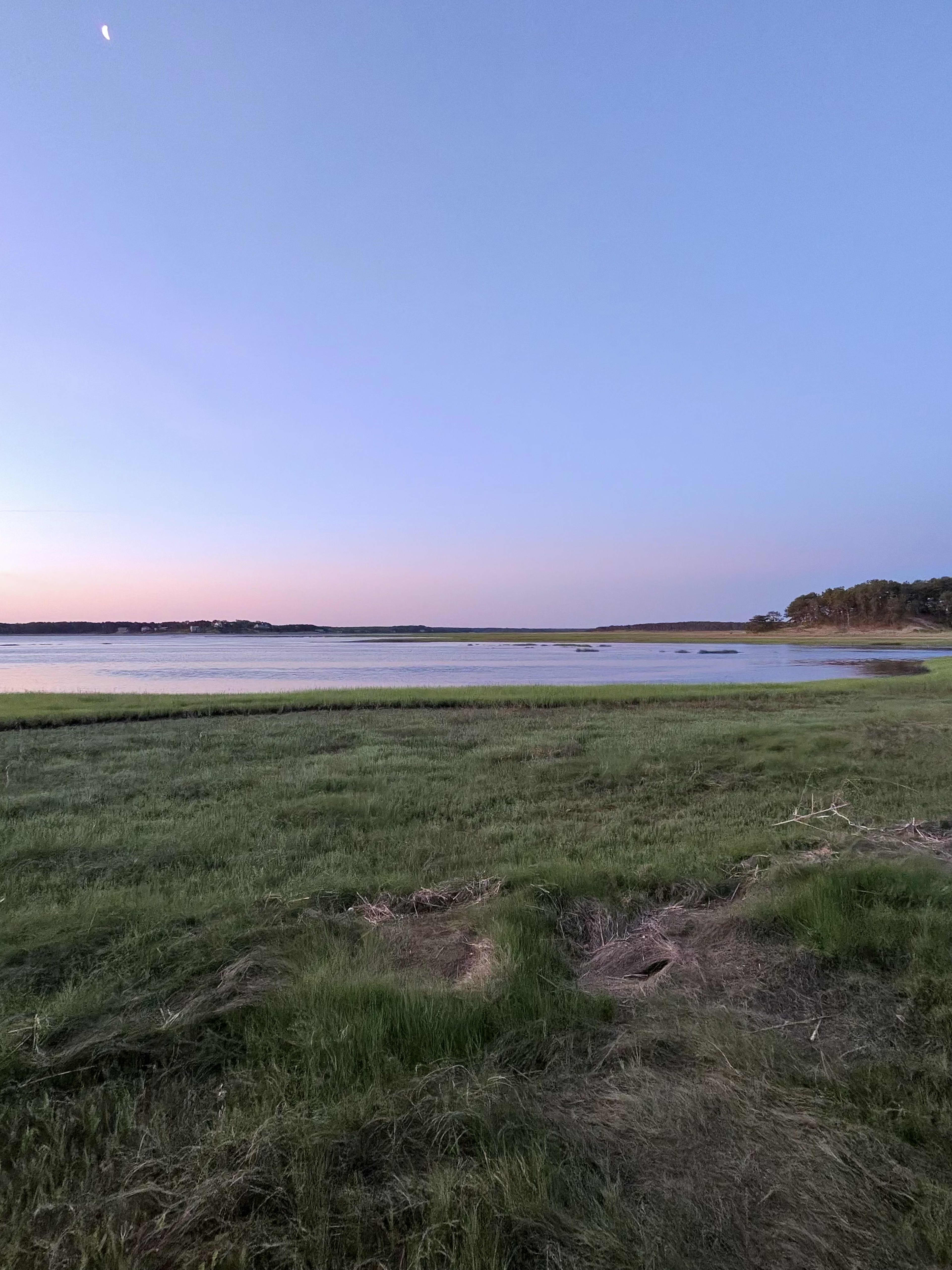
Approvals aren't the fun part of going solar on Cape Cod, but they're the part that keeps this place looking like this place. Work with an installer who knows your town's process cold, confirm everything with the town itself, and the paperwork becomes just another season passing.
More Cape Cod home guides
- Hiring a Solar Contractor in Bourne, MA
- Hiring a Solar Contractor in Truro, MA
- Hiring a Solar Contractor in Barnstable, MA
- Leasing vs. Owning Solar on Cape Cod: What Changes in 2026
- What Solar Really Costs on Cape Cod: An Honest Value Guide
- Solar for Second Homes and Rentals on Cape Cod
- Contractor Red Flags on Cape Cod: Warning Signs, Scam Patterns & How to Protect Yourself
Get the best of Cape Cod — free.
Guides, hidden spots, and seasonal tips from people who actually live here.