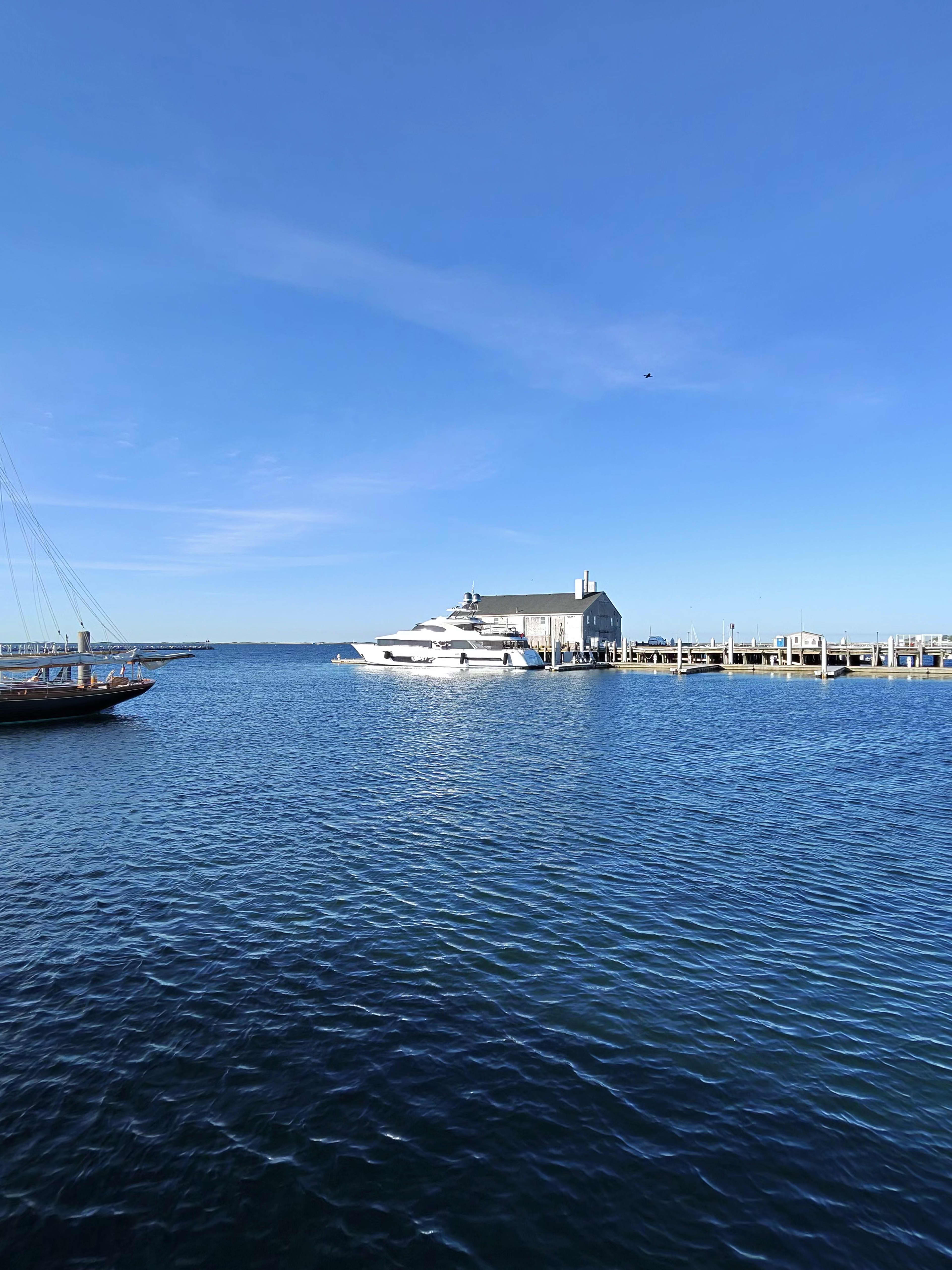
Why Provincetown Homeowners Have Specific Home Building & New Construction Needs
Provincetown is not a normal building market, and a contractor who does great work in Barnstable or Yarmouth is not automatically the right fit here. Almost every exterior change in town — new construction, additions, dormers, window swaps, siding, even paint color in some districts — passes through the Provincetown Historic District Commission. That review layer adds weeks to a schedule and can force a design change late in the process if a contractor did not build the HDC path into the plan from day one. The best local builders treat HDC review as a real project phase, not a formality.
Then there is the physical setting. The town sits on a narrow spit of sand at the edge of the Atlantic, with a high water table in the low-lying blocks near the harbor, dense lot lines downtown, and a wind and salt exposure that punishes anything built to inland standards. Foundations, flashing details, fastener choice, window and door specs, and exterior finishes all need to be selected for a marine environment. Materials that pass code in a Route 6A neighborhood will fail early here.
Finally, the housing stock skews old. A large share of Provincetown homes were built before 1920, many were originally fisher cottages moved or reframed multiple times, and full new construction on a cleared lot is genuinely rare — most "new build" work is really substantial reconstruction wrapped in preservation constraints. A contractor who has never opened up a 150-year-old post-and-beam corner in this town will be surprised by what they find. The homeowners who fare best hire builders who expect the surprise.
What Provincetown Homeowners Actually Complain About
(The complaint data set was not populated for this run. When it lands, this section should turn the top three patterns from Google reviews into a short narrative of what actually goes wrong on Provincetown jobs — not a bullet list, and not named companies. Common themes on Outer Cape build jobs, for reference: HDC-triggered redesigns mid-project, schedule slippage into the summer moratorium window, thin communication once the deposit clears, and change-order creep after demo exposes hidden conditions in old framing.)
What to Ask Before You Hire
- "How many Provincetown HDC applications have you shepherded in the last two years, and can I see one?" — Local review experience is the single biggest predictor of on-time completion here.
- "What is your plan if HDC asks for a design change after we're already permitted?" — A good builder has a contingency budget and a redesign process ready. A weak one shrugs.
- "Which of your subs actually live or work on the Outer Cape?" — Sub crews driving up from mid-Cape lose productive hours to traffic and are the first to no-show on summer weekends.
- "How do you handle the summer construction restrictions and delivery windows in the East and West Ends?" — If they can't describe the rules from memory, they haven't done enough work in town.
- "What is your written change-order process, and what's a typical change-order rate on an old Provincetown home?" — Anything under 8–10% on a full reno of a pre-1920 house is optimistic; you want a builder who will name a real number.
- "How do you spec fasteners, flashing, and cladding for salt and wind exposure in this specific location?" — Answers should include stainless fasteners, corrosion-rated flashings, and species/finish choices tied to your street's exposure.
- "Who is my single point of contact, and how often will I hear from them?" — Poor communication is the most-cited complaint on Cape construction jobs generally. Get the cadence in writing.
- "Can I talk to two clients from jobs that finished more than a year ago?" — Recent-client references are curated. A one- or two-year-old reference tells you how the work is holding up and whether callbacks got answered.
Red Flags to Watch For
- No physical Provincetown or Outer Cape jobsite you can drive by. Someone who "works all over the Cape" but can't point to a nearby project has not done the local reps.
- Bids that skip HDC time and cost in the schedule. That's not aggressive pricing; that's an unpaid problem being handed to you.
- A single lump-sum number with no line-item breakout for demo, framing, mechanicals, finishes, and allowances. You can't manage a change order against a mystery number.
- Reluctance to name a completion date in the contract, or a completion date that lands squarely in July or August. Summer completion promises on this side of the Cape slip constantly.
- No written communication schedule and no named project manager other than the owner. Owner-only shops go dark the moment they land a second job.
- Deposits above roughly one-third of contract value before any material has been ordered or permit has been pulled.
When to Book (Timing This Town)
(Seasonal data was not populated for this run.) As a general Provincetown baseline: the best builders in town book their next-year work between October and January, with framing and exterior envelope work scheduled to happen from late fall through early spring so the crew is out of the way before the summer visitor season. Interior finishing carries through summer more easily than exterior work. If you are hoping to start a substantial project and you have not signed a contract by February, expect to be starting the following year. Waiting until spring to shop the job usually means either a much longer wait or a builder with unexpectedly open capacity — and in this town, unexpected capacity is a question worth asking about.
What a Good Job Actually Looks Like
A well-run Provincetown build feels almost boring from the homeowner's seat, and that is the point. You get a written schedule that names the HDC hearing dates, the permit milestones, the framing and inspection windows, and the punch-list target. You hear from the same project manager on a predictable cadence — most good shops here do a weekly written update plus a walk-through every two weeks. Change orders are written, priced, and signed before the work happens, not delivered as a surprise line on the final invoice.
At the end, you get a real closeout: signed-off inspections, warranty documents, a list of paint colors and product SKUs, and a named person who will pick up the phone when something needs a callback in the first year. On the best jobs in this town, that callback relationship lasts a decade, because the builder lives here too and doesn't want to run into you at the Stop & Shop with an unresolved leak between you.
More Provincetown on Cape Cod Certified
More Cape Cod home guides
- Hiring a Home Building & New Construction Contractor in Truro, MA
- Hiring a Home Building & New Construction Contractor in Wellfleet, MA
- Hiring a Home Builder in Eastham, MA (2026 Guide)
- Hiring a Remodeling Contractor in Provincetown, MA
- Hiring a Septic & Title 5 Contractor in Provincetown MA
- Hiring a Roofing Contractor in Provincetown, MA
- Building a New Home on Cape Cod: A Homeowner's Guide
- Cape Cod New Construction in Summer 2026: ADUs, Stretch Code, Septic & Permit Timing
Get the best of Cape Cod — free.
Guides, hidden spots, and seasonal tips from people who actually live here.