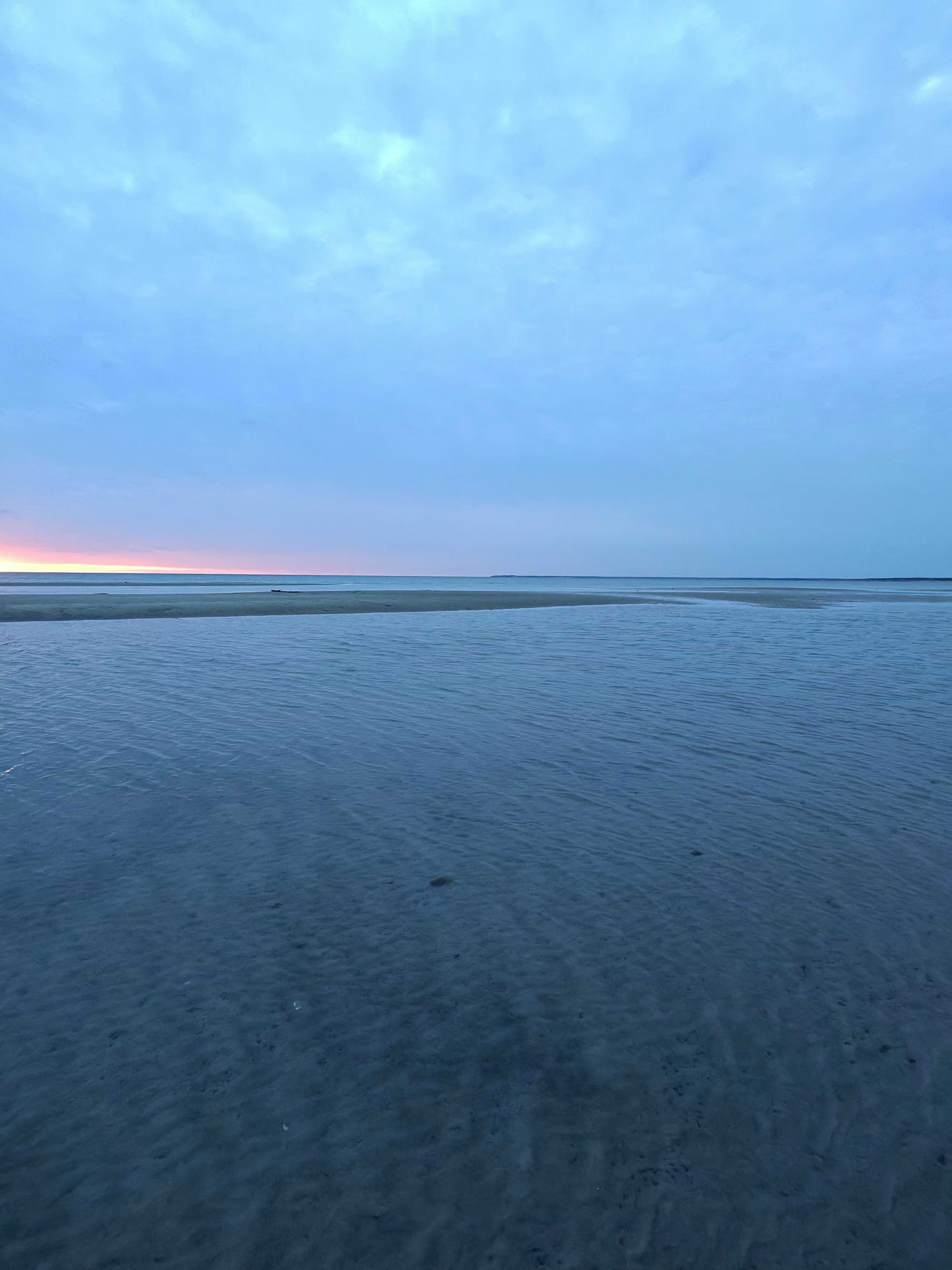
Why Brewster Homeowners Have Specific Painting Needs
Brewster sits on the Bay side of the outer arm, and its housing stock reflects that: shingled capes and antique homes weathered by salt air, sun off the flats, and the wind funnels that come through in shoulder season. A generic "quality paint job" pitch doesn't survive a full year here. What survives is a system — proper wash, mildew mediation, real prep on cedar shingles and older trim, and stain or paint chemistry chosen for a house that's fifty, a hundred, or a hundred-and-seventy-five years old.
A significant share of Brewster homes are also second homes. The owner often isn't around to check in on the crew, so communication — photos, videos, weekly status — matters as much as brushwork. And because so much of the stock is historic or near-historic, hidden rot behind shingles or under trim is the rule, not the exception. Any exterior contract that doesn't have language for what happens when rot is found is a contract that's going to get uncomfortable partway through the job.
What Brewster Homeowners Actually Complain About
The complaints that show up again and again in local reviews aren't about bad paint — they're about the gap between what was promised and what actually happened. The most common story is a stain job that failed years earlier than it should have: shingles that were supposed to hold a stain for a decade or more starting to peel at year five. That's almost always a prep or product-selection problem, and it's why the smartest homeowners here ask to see a five- and ten-year-old exterior job before signing anything, not just a fresh one.
The second recurring complaint is small but telling: line items in the contract that quietly change between quote and installation. Soft-close hinges become standard hinges. A specific trim profile becomes whatever the supplier had that week. On its own, a swapped hinge is minor. As a pattern, it tells you the contractor isn't verifying against the written scope at walkthrough, and it makes you wonder what else got substituted that you can't see.
The third pattern is post-job silence — a crew that was responsive during the quote goes quiet when you call about an issue two weeks later. Related to this: on older Brewster homes, hidden rot discovered mid-job can turn a straightforward paint contract into a much larger, much more expensive scope, and homeowners feel blindsided when there was no rot-contingency conversation up front.
What to Ask Before You Hire
- "Can I see a five- and ten-year-old exterior job you did in Brewster or a neighboring Bay-side town?" Fresh work looks great; the real test is how the coating held up through Cape winters.
- "What's your written warranty on exterior stain and paint, and what voids it?" A vague answer here is the single strongest predictor of the premature-failure complaint.
- "Walk me through your prep sequence for cedar shingles with mildew." You want to hear about washing, dwell time, spot priming, and product compatibility — not just "we clean it first."
- "If you find rot behind shingles or under trim, what happens to the price and the timeline?" Get the change-order process in writing before the crew ever shows up.
- "Will you send photo or video updates each week, and who on the crew is responsible for that?" Non-negotiable for absentee owners; a shrug here is disqualifying.
- "At final walkthrough, will we verify each line item — hardware SKUs, hinge type, trim profile — against the signed contract?" This is what closes the substitution gap.
- "Who do I call if I notice something two weeks after you leave, and what's the typical response time?" You want a named person and a number, not "just call the office."
- "How do you handle pre-1900 homes differently from newer builds?" If they don't handle them differently, they're probably not the right fit for much of Brewster's inventory.
Red Flags to Watch For
- They can only show you jobs from the last year or two. Every established Cape painter should be able to point you at older work still holding up.
- The contract lists product categories ("premium hinges," "quality stain") instead of specific brands and SKUs. Vague language is what substitutions hide behind.
- They don't proactively raise the rot conversation for an older home. If you have to bring it up first, they haven't done many antiques on the Cape.
- No photo or video reporting for out-of-town owners. This is table stakes in Brewster, not a premium service.
- A quote that's meaningfully cheaper than the others and skips a full wash or spot-prime step. The "savings" show up as failure at year four or five.
- Post-job communication that feels slower than pre-sale communication. How they treat you after the check clears is what you're actually buying.
When to Book (Timing This Town)
Exterior work — house washing, full repaints, cedar shingle stain, deck refinishing — runs May through October on the Cape, with the best crews booked solid from Memorial Day through mid-September. If you want a top painter on your exterior in peak summer, you generally need to be on their calendar by February or March. Wait until May to start calling and you're picking from whoever still has openings, which is rarely the top of the field.
The shoulder and off-season — roughly November through April — is when interior repaints, cabinet refinishing, and wallpaper work happen. That's the ideal window for cabinet refinishing especially, because crews have the bench time to do the multi-day careful work these projects deserve. If your project is exterior stain on a weathered shingle house, aim for late spring or early fall when temperatures and humidity are in the sweet spot for cure.
What a Good Job Actually Looks Like
A well-run Brewster paint job starts with a walkthrough where the contractor points out things you didn't notice — a soft spot in trim, a section of shingle that needs more than a wash, a flashing detail that should be addressed before paint touches it. The quote that follows is specific: brands, SKUs, prep sequence, rot-contingency language, and a written warranty. During the job, floors and furniture are actually protected, the site is cleaned every evening, and you get weekly photo updates whether you asked for them or not.
The crew hits the dates they promised. At final walkthrough, the contractor walks the punch list with you, line item by line item, and any small issues found in the first few weeks get handled without a fight. That's what you're paying for — not the brushwork, which any competent painter can do, but the discipline and communication around it. In Brewster, where so much of the housing is old, weathered, and often owned by someone who lives somewhere else, that discipline is the entire job.
More Cape Cod home guides
- Hiring a Painting Contractor in Harwich, MA
- Hiring a Painting Contractor in Orleans, MA
- Hiring a Painting Contractor in Dennis, MA: Local Guide
- Hiring a Remodeling Contractor in Brewster, MA
- Hiring a Roofing Contractor in Brewster, MA
- Hiring a Cleaning Contractor in Brewster, MA
- Interior & Exterior Painting on Cape Cod: DIY vs Hiring Out (A Homeowner's Field Guide)
- Interior Painting on Cape Cod: Timing, Low-VOC Paints & Getting It Right in a Humid Climate
Get the best of Cape Cod — free.
Guides, hidden spots, and seasonal tips from people who actually live here.