Why Orleans Homeowners Have Specific Pest Control Needs
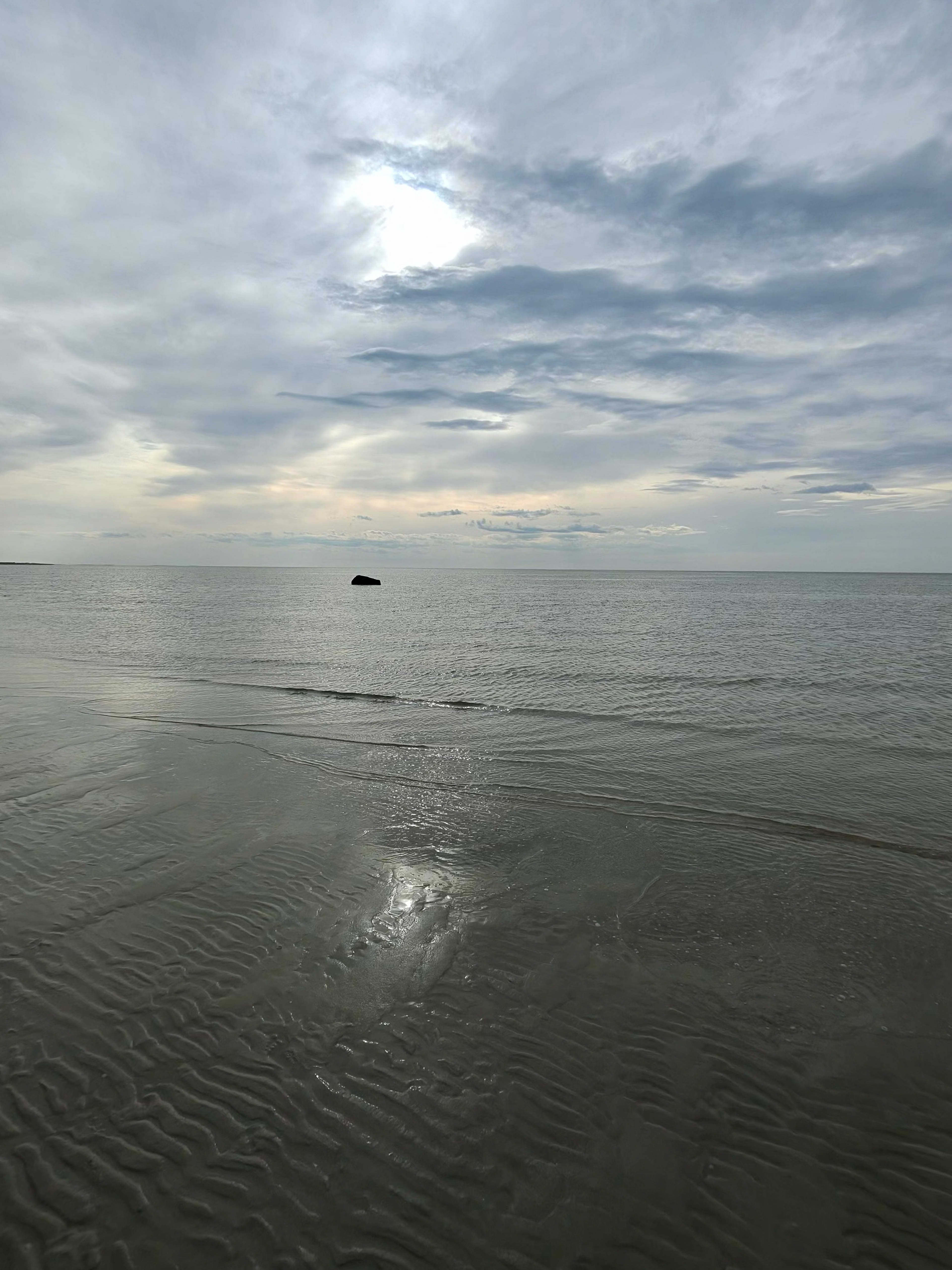
Orleans sits on the elbow of the Cape with the Atlantic on one side and Cape Cod Bay on the other, and that geography drives almost every pest problem you'll face here. The town's water table is high, its soils are sandy and porous, and a huge share of the housing stock is older shingled construction — cedar, cypress, and pine that carpenter ants find inviting after a couple of wet Junes. Add in the freshwater ponds (Pilgrim, Crystal, Baker's), the wetland edges, and the tree canopy along roads like Tonset and Barley Neck, and you have a place where ticks, mosquitoes, and rodents are not a nuisance — they're a fact of ownership.
The other Orleans-specific factor is seasonality. A large percentage of homes are closed up from October through May, which is exactly when mice, squirrels, and bats look for a warm cavity. If you're not on-Cape year-round, the pest that moved in during February isn't discovered until the first weekend of Memorial Day. That changes what "good" service means here: the contractor has to think like a seasonal-home caretaker, not just an exterminator with a truck.
Finally, Orleans sits in a sole-source aquifer zone, and the town takes water resource protection seriously. Any pest control contractor operating here should be conversant with the Massachusetts Pesticide Bureau's rules, well setback requirements, and Integrated Pest Management (IPM) approaches. If they aren't, they shouldn't be spraying near your property line.
What Orleans Homeowners Actually Complain About
The most common frustration in this trade isn't about the pest — it's about the follow-through. Someone comes out, sprays, hands over an invoice, and the ants are back in three weeks. When the homeowner calls, they're told the "re-treatment window" isn't up yet, or that this specific pest requires a different visit, or that the contract they signed only covered the initial application. What looked like a $250 service call turns into a $900 season, and the pest never really left. The pattern behind almost every bad experience is the same: no diagnosis before treatment, and no plan after it.
The second recurring complaint is about scope creep on wildlife work. A raccoon in the attic or a bat colony in the eaves is not a spray-and-go job — it requires exclusion (sealing entry points), sometimes carpentry, and always follow-up inspections. Homeowners regularly report getting a trap set, a bill, and no exclusion work, only to have the next animal move in through the same soffit gap two months later. This is where the difference between a licensed pest professional and a licensed Problem Animal Control (PAC) agent matters, and where a lot of Orleans customers get caught paying twice.
The third pattern is communication. Missed appointments, no-show technicians, invoices that don't match the quote, and — most damagingly for seasonal homeowners — no written report of what was found and what was done. If your house is empty for six months of the year, the service isn't the spray; it's the report.
What to Ask Before You Hire
- "Are you licensed by the Massachusetts Pesticide Bureau, and what's your license number?" — This is a state requirement, not a formality. Anyone hedging on this answer should be eliminated on the spot.
- "Do you do IPM or just chemical treatment?" — In a sole-source aquifer town, Integrated Pest Management (identify, exclude, monitor, then treat if needed) matters. A contractor who leads with the spray is the wrong fit.
- "What's included in the price and what triggers a re-treatment fee?" — The bad-experience pattern almost always starts here. Get it in writing.
- "For wildlife work, are you the one doing the exclusion, or do I need a carpenter after you leave?" — A trap without exclusion is a temporary fix. Know who's sealing the entry point.
- "How do you handle seasonal homes — do you send a written report after each visit?" — Critical for anyone off-Cape between October and May.
- "What's your protocol near wells and wetlands?" — Much of Orleans has private wells and abuts conservation land. The right answer includes buffer zones and product selection, not "we spray the same everywhere."
- "How do you handle tick treatment around kids and pets, and what re-entry time do you require?" — Real answers include specific hours and specific products.
- "Can you show me a written contract before I authorize work?" — Verbal quotes are how disputes start.
Red Flags to Watch For
- A quote given over the phone without a site visit for anything beyond routine ant or wasp work. Termites, rodents, and wildlife require eyes on the property.
- No written service report left behind — you should get a document listing what was found, what was applied, where, and what to watch for.
- Pressure to sign an annual contract on the first visit, before you've seen whether their initial treatment actually works.
- Vague answers about product names, EPA numbers, or MSDS sheets. A professional carries this information and shares it when asked.
- Wildlife "removal" without a written exclusion plan. Trapping alone is not a solution and never will be.
- A truck with no visible license number or company name. Massachusetts requires commercial applicators to display credentials.
When to Book (Timing This Town)
The Orleans pest calendar has three hinge points. Book carpenter ant and termite inspections in early spring — March into April — before swarming season and before every landscaper in town is calling the same contractors. Tick treatments are most effective in a two-pass schedule: late April/early May for the spring nymph flush, and again in late July. If you wait until July for the first pass, you've already ceded the yard for the season. Rodent-proofing for seasonal homes should happen in September or the first week of October, before you close up — not in May when you find the mess.
Peak season demand runs Memorial Day through Labor Day, and the good contractors are booked two to four weeks out by mid-June. If you're calling in July for July service, expect to be triaged behind existing customers.
What a Good Job Actually Looks Like
A well-run pest control job in Orleans starts with a walk of the property — foundation, sill plate, attic access, wet spots, tree contact with the house, and, if wildlife is involved, a look at every gable vent and soffit. The technician tells you what they found and what they're recommending before opening a jug of anything. You get a written report that names the product, the target pest, the treated areas, and any re-entry time. If exclusion is needed, you get a scope, a price, and a date — separate from the treatment invoice.
Follow-up is where the real professionals separate themselves. A good contractor checks back in 10 to 14 days, either in person or by call, and adjusts the plan if the pest is still active. For seasonal homeowners, that means an emailed report and photos — not a voicemail hoping you'll call back. The best of them treat your house like an ongoing system, not a one-time transaction, and that's the only kind of pest control that actually works on this side of the Cape.
More Orleans on Cape Cod Certified
More Cape Cod home guides
- Hiring a Pest Control Contractor in Eastham, MA
- Hiring a Pest Control Contractor in Brewster, MA
- Hiring a Pest Control Contractor in Chatham, MA
- Hiring a Landscaping Contractor in Orleans, MA
- Hiring a Cleaning Contractor in Orleans, MA
- Hiring a Property Management Contractor in Orleans, MA
- Pest Control on Cape Cod: What Homeowners (and Second-Home Owners) Should Know
- The Cape Cod Homeowner's Playbook for Pest Control
Get the best of Cape Cod — free.
Guides, hidden spots, and seasonal tips from people who actually live here.