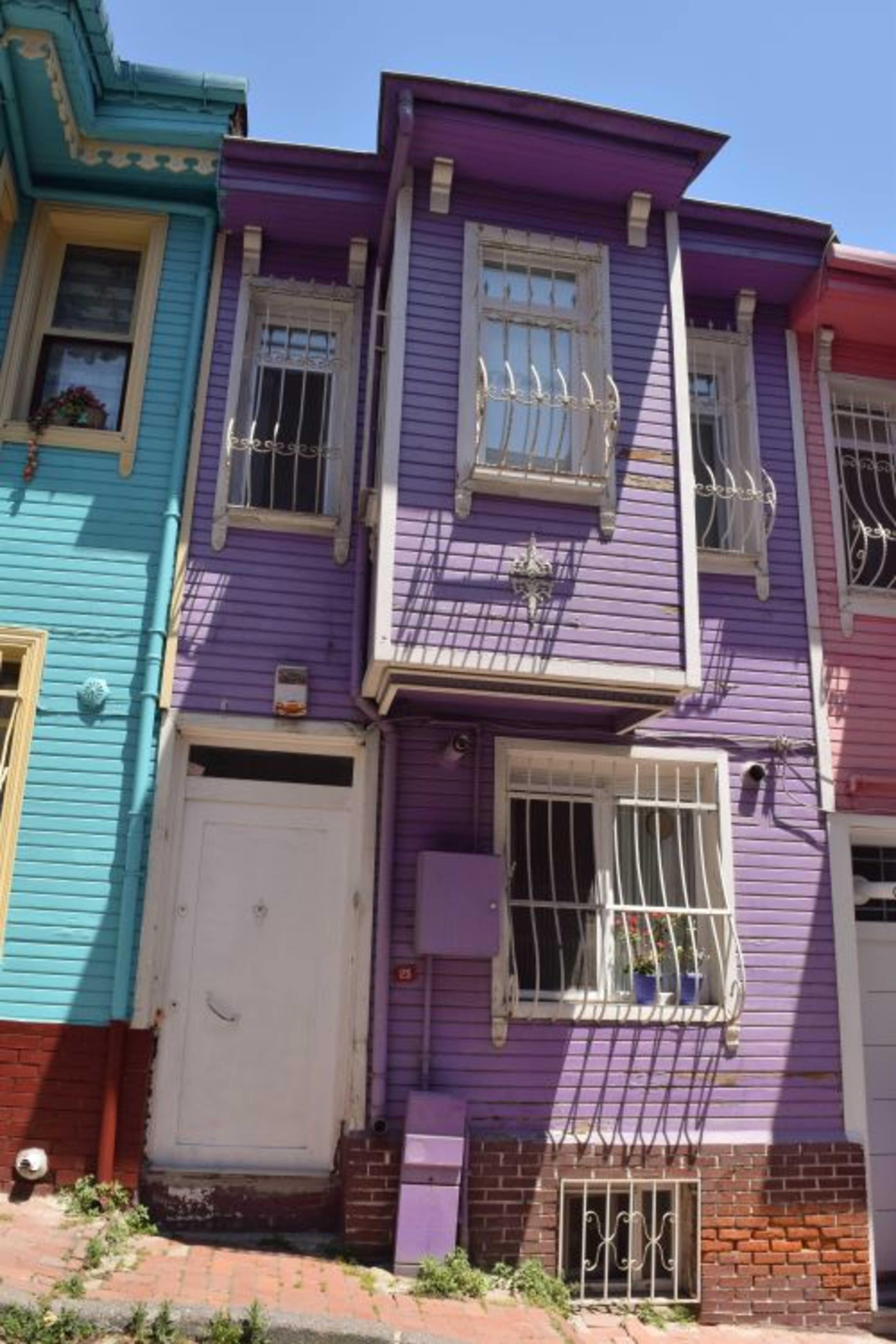
Why Painting on Cape Cod Is Its Own Animal
Salt-laden air, sandy soil, hard sun bouncing off the water, and shoulder seasons that swing forty degrees in a week — Cape Cod is not Worcester, and it isn't the Connecticut shoreline either. Coatings that hold up beautifully on a leafy inland street can chalk, peel, or mildew within a year on an unprotected south-facing wall in Chatham or a windward elevation in Truro. A good painter here knows the difference, picks products accordingly, and prices in the prep that actually makes paint stick.
This guide is for homeowners and second-home owners trying to figure out whom to hire, what's fair, and what to ask before signing anything. If you're a painting contractor reading along, it doubles as a frame of reference — we work hard to understand the trade before we ever recommend a pro to a client.
Salt Air, Cedar, and the Materials Question
Most Cape homes are clad in eastern white cedar shingles or clapboards. Trim packages are usually pine, PVC (Azek or similar), or finger-jointed primed pine. Each takes paint or stain differently:
- Natural-weather cedar — the silvery look — is technically "no finish." It still needs periodic washing and inspection, and many owners eventually move to a stain.
- Stained cedar is usually finished with a semi-transparent or solid-body stain that breathes. Film-forming paint over old shingles often peels because moisture gets trapped behind it.
- Painted clapboards demand aggressive prep: scrape, sand, prime bare wood, caulk failed seams, then topcoat. Skip the prep and you'll be repainting in three years.
- PVC trim doesn't need paint for protection, but homeowners often paint it for color — it requires a specific bonding primer and a paint rated for low-porosity substrates.
Ask a prospective painter to walk the house with you and tell you, surface by surface, what they'd use and why. A vague "we'll use a good paint" is not an answer.
The Cape's Short Painting Season
Practical exterior painting on Cape Cod typically runs April through late October — sometimes a bit longer if you have a sheltered elevation and a stretch of mild weather. The real constraints are:
- Dew point and overnight temps. Latex needs surface temperatures above the product's minimum (often in the 35–50°F range depending on the line) and needs time to cure before evening dew rolls in.
- Humidity. Persistent damp delays drying and can cause surfactant leaching — those tan streaks that show up after the first rain.
- Wind. Bayside and oceanside elevations pick up windborne sand and salt that ruin fresh finishes.
What this means for you as a homeowner: the good painters book up fast for the warm months. If you're calling in May for a full exterior, you're often looking at July or August. Plan winter for interior work and the spring for booking exteriors.
Historic Districts, Village Bylaws, and DCPCs
Several Cape towns have historic district commissions or local bylaws that affect exterior color, sheen, and sometimes even trim profiles. The Old King's Highway Regional Historic District covers a large stretch of the north side; Sandwich, Yarmouth, Barnstable, Brewster, and parts of Provincetown and Nantucket all have layers of oversight, and a few areas sit under District of Critical Planning Concern (DCPC) overlays. Things to know:
- A color change on an exterior may require historic-commission approval in a designated district.
- Sheen changes can sometimes trigger review — high-gloss trim where flat existed, for example.
- Shutters and signs are often regulated separately from siding.
Always ask the painter whether they've worked in your specific village before. A pro who has navigated the Old King's Highway commission or a Nantucket Historic District Commission review should be able to tell you, in one sentence, how the approval process works for your job and how long it typically takes.
Lead Paint and Pre-1978 Homes
Cape Cod has a deep stock of pre-1978 houses — antique Capes, mid-century cottages, and everything in between. Any home built before 1978 may contain lead-based paint, and disturbing that paint is regulated by the federal EPA Renovation, Repair, and Painting (RRP) Rule, as well as Massachusetts lead law.
In practice:
- The contractor must be EPA RRP certified as a firm (not just an individual card).
- They must follow lead-safe work practices: containment, HEPA cleanup, and proper disposal.
- Required pre-renovation disclosure paperwork should be provided to you before work starts.
If a painter quotes you a price on a 1920 Cape and never mentions lead, that is a red flag, not a bargain.
Septic, Conservation, and Waterfront Considerations
Most painting work doesn't touch your septic system or wetland resource areas, but staging, washdown, and waste disposal can. A few things to know:
- Power-wash rinsate containing old paint chips — especially lead — should not run into wetlands, ponds, or storm drains. Reputable painters use tarps, berms, or filter socks.
- Title 5 systems aren't usually invoked by a paint job, but heavy staging or a parked truck on a leach field is a real problem. Tell your painter where the field is.
- Conservation commission rules can apply to work within roughly 100 feet of a wetland — usually for staging, not the paint itself. If you're on Pleasant Bay, Nauset Marsh, or any coastal bank, mention it up front.
Seasonal and Second-Home Owners: A Few Specific Tips
If you're not on Cape full-time, build these into the conversation with any painter:
- Access and keys. Who has them? Is there an alarm? Most Cape painters who do a lot of second-home work have a tight system — ask about it.
- Updates during the job. Will they send photos or video? Most reputable crews do this now without being asked.
- Personal items. If the house is already closed for the season, what gets moved, what gets covered, and what's the homeowner's responsibility?
- Final walk-through. Can a property manager or caretaker walk it on your behalf?
Rough Cost Ranges
Costs vary wildly with prep, height, accessibility, paint line, and how booked the local market is in a given year. As a rough orientation only — not a quote — Cape Cod painters generally fall in these ballparks:
- Interior repaint, single room: a few hundred dollars for a small bedroom with minimal prep; substantially more for ceilings, trim, and high-prep older plaster.
- Whole interior repaint of a 2–3 bedroom Cape: mid-four to low-five figures depending on scope and prep.
- Exterior repaint of a typical shingled Cape: from the high-single-thousands to well into five figures. Cedar staining is usually priced per "square" (100 sq ft of surface).
- Solid-body stain over previously stained shingles: generally less prep than paint over wood, but still meaningful.
Get three written estimates on the same scope. A bid that's 40% under the others is usually skipping prep, using a builder-grade product, or both.
What to Ask Before You Sign
- Are you a registered Massachusetts Home Improvement Contractor (HIC)? Ask for the number. It should appear on the contract.
- Are you EPA RRP certified? (Required for pre-1978 work that disturbs paint.)
- Can I see a current certificate of insurance — general liability and workers' compensation — with my address listed?
- What's the prep plan, surface by surface?
- What product line are you proposing, and why this one for my exposure?
- Who's actually doing the work — your crew, or subs?
- What's the written warranty, and what voids it?
- What happens if we lose a week to weather?
- Can I have three references on the Cape, ideally on similar houses?
Red Flags
- No physical address, no HIC number, or pressure to pay cash.
- Quoting without walking the property.
- No mention of lead testing on a pre-1978 home.
- Promises that "one coat will do it" on a weathered exterior.
- Spraying cedar shingles without back-brushing — paint sits on top instead of penetrating.
- Refusing to put a detailed scope in writing.
- A timeline that's suspiciously immediate ("we can start tomorrow") in peak season.
How to Vet a Pro
Beyond the questions above:
- Check the Massachusetts HIC registry for status and any complaints.
- Read reviews critically — look for patterns, not single ratings, and pay attention to how a contractor responds when something goes wrong.
- Drive by a recent job if they'll let you. Cedar stained last summer should still look uniform; trim should not be cracking at the joints.
- Ask about off-season work. A contractor with a real, year-round operation is usually more invested than one who only paints from June through August.
A Final Word
Good painting on Cape Cod is roughly 70% prep, 20% picking the right product for your exposure, and 10% the actual brushwork. A pro who can talk fluently about all three — and who knows your village, your historic district if you have one, and the vintage of your house — is worth waiting for. A bargain price that skips the prep will cost you more in three years than the right job would have cost you today.
More Cape Cod home guides
- Hiring a Painting Contractor in Sandwich, MA
- Hiring a Painting Contractor in Falmouth, MA
- Hiring a Painting Contractor in Provincetown, MA
- Interior & Exterior Painting on Cape Cod: DIY vs Hiring Out (A Homeowner's Field Guide)
- Interior Painting on Cape Cod: Timing, Low-VOC Paints & Getting It Right in a Humid Climate
- Asbestos & Lead Paint in Cape Cod Homes: What Owners Must Know
- Radon Testing & Mitigation on Cape Cod: What the Science Says and What to Do
Get the best of Cape Cod — free.
Guides, hidden spots, and seasonal tips from people who actually live here.