Cape Cod runs on seafood, but here's the trap visitors fall into: they sit down at the biggest, most convenient waterfront restaurant with the best parking, order a frozen shrimp scampi, and leave thinking Cape seafood is overrated. The Cape's great seafood isn't hiding — but it rewards knowing what to order and where the real stuff is served. Do that, and you'll eat some of the best seafood of your life. Here's how.
What to order (the Cape canon)
If you only eat a handful of things on the Cape, make them these:
| Dish | What it is | Order it when |
|---|---|---|
| Lobster roll | Cold with mayo (Maine-style) or warm with butter (Connecticut-style) | Always. The Cape signature. |
| Whole-belly fried clams | Soft-shell clams fried whole, briny belly and all | At a real clam shack |
| Raw oysters | Wellfleets and other local oysters on the half shell | At a raw bar, cooler months best |
| Clam chowder | Creamy New England chowder, clam-forward | Cup on the side of everything |
| Steamers | Steamed soft-shell clams in broth, dunked in butter | Summer, at a shack |
| Fresh local fish | Cod, haddock, striped bass, day-boat catch | Grilled or fried at a seafood-serious spot |
Lobster roll: know your styles
The Cape's most iconic order comes two ways, and both are correct:
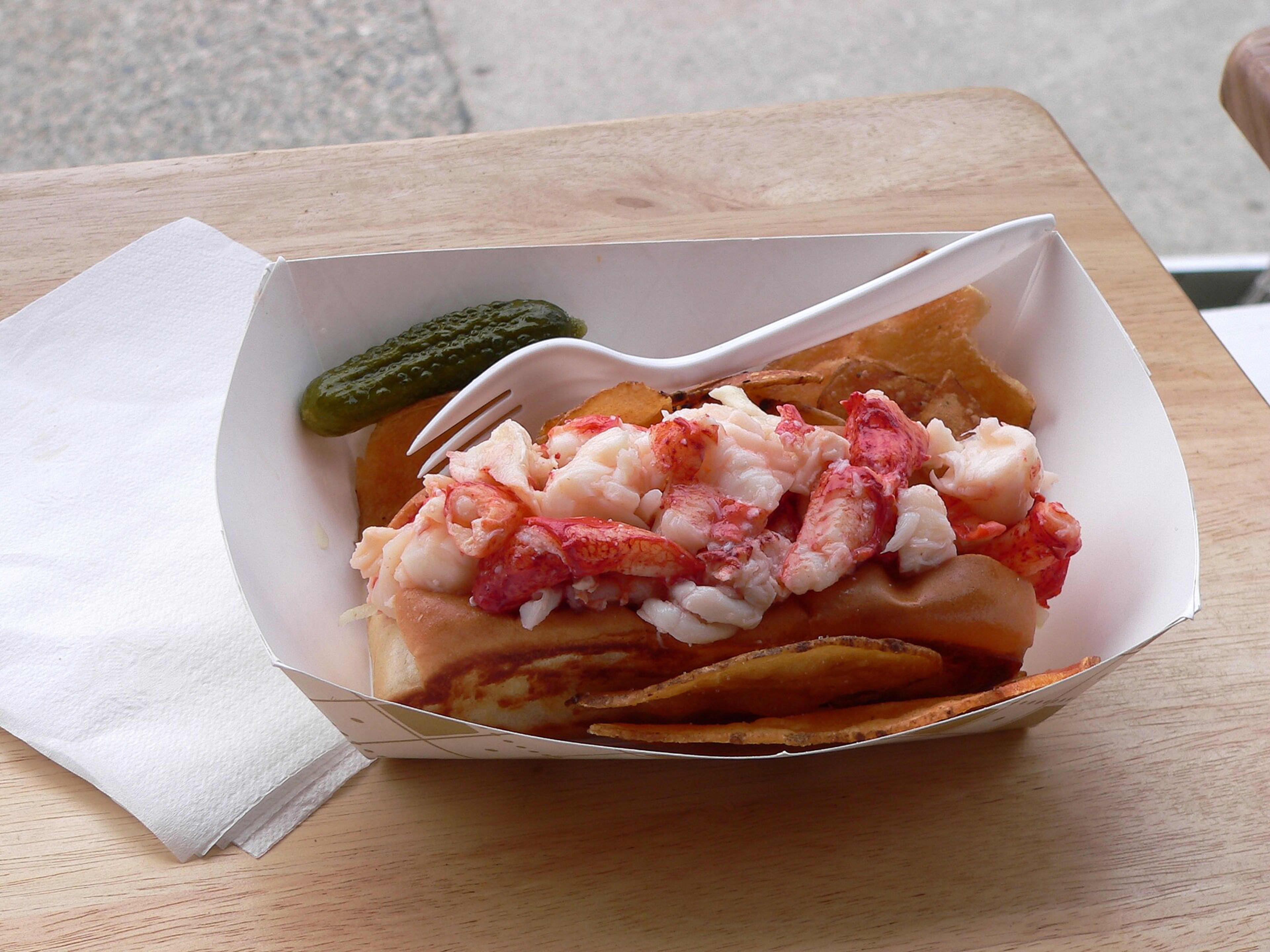
- Maine-style (cold): lobster meat tossed with a little mayo, on a buttered, toasted split-top bun. Clean and lobster-forward.
- Connecticut-style (warm): warm lobster meat with drawn butter. Richer, more indulgent.
A great roll is generous with sweet, fresh meat and light on filler. If it's mostly bun and celery, keep looking.
Where the real seafood is
The pattern is simple: the less it looks like a tourist restaurant, the better the seafood usually is.
- Clam shacks and fish markets — order-at-the-window, picnic-table spots near the water, often attached to a market selling the same fish.
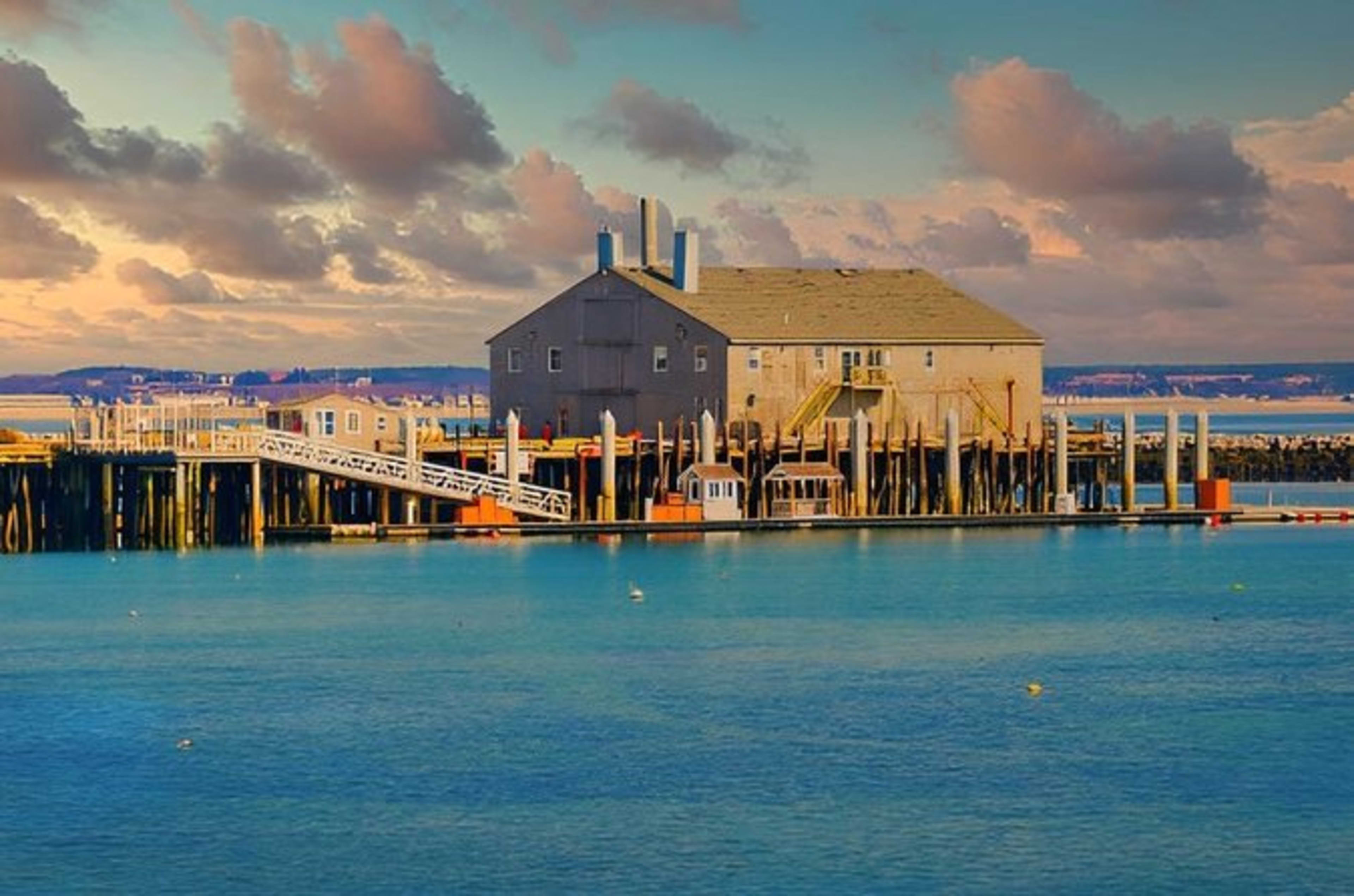
- Harborside spots in fishing towns — Chatham, Wellfleet, Provincetown, Woods Hole/Falmouth — where the boats actually land.
- Places that name their sources — "day-boat cod," "Wellfleet oysters," "Chatham-landed" — care about what they serve.
- The Cape's Certified local seafood spots over the big batch-cooking waterfront barns built for volume.
Red flags to avoid
- Enormous menus with seafood from every ocean — a sign of freezer, not dock.
- "Market price" with no local sourcing named.
- Empty at 7pm on a summer Saturday when the good spots have lines.
- Frozen-tasting, uniform "seafood platters" that could've come from anywhere.
How to eat well without overthinking it
- Follow the lines of locals, not the tour buses.
- Ask what came in today — good spots love the question.
- Eat near the water, casually. The best Cape seafood is often served at a window and eaten at a picnic table, not under a chandelier.
- Pair a couple of classics: a lobster roll and a cup of chowder, or fried clams and raw oysters, and you've had a proper Cape meal.
Don't miss: a day-boat catch grilled simply at a seafood-serious Cape kitchen — proof that the best thing the Cape does with a fish is get out of its way. Order local, order simple, and eat where the boats come in.
Cover photo: Lobster roll — photo by Lee Coursey, licensed CC BY 2.0 via Wikimedia Commons.
The Bring-Along List
Cape Cod Certified picks — essentials worth packing for this trip:
- Sueños del Sol Linen Napkins (Set of 4): Hand-embroidered linen napkins with a bold sun-and-moon motif in coastal blue and yellow. They bring an effortless, elevated warmth to summer dinner parties and lazy Cape mornings alike.
- McCrea's Cape Cod Sea Salt Caramels (5.5 oz) — $28: Boston-made, individually wrapped caramels finished with flaky Cape Cod sea salt for that sweet-salty coastal bite. The grab-and-gift treat people rebuy every visit and every holiday.
- Amanecer Wave Yellow Tablecloth: A sunshine-yellow cotton tablecloth with a softly embroidered wave along the border, inspired by sunrise over the water. It turns any deck or dining table into a warm, gathered place to linger.
Where to Take This Next
Get the best of Cape Cod — free.
Guides, hidden spots, and seasonal tips from people who actually live here.
Frequently asked questions
What's the difference between a Maine-style and Connecticut-style lobster roll?
Maine-style is served cold with lobster meat tossed in a little mayo on a buttered, toasted split-top bun, while Connecticut-style is served warm with drawn butter and is richer and more indulgent. Both styles are considered correct; a great roll of either kind is generous with sweet, fresh meat and light on filler.
What are whole-belly fried clams?
Whole-belly fried clams are soft-shell clams fried whole — briny belly and all — which gives them a richness you don't get from clam strips. The guide recommends ordering them at a real clam shack rather than a sit-down tourist restaurant to get the genuine article.
How do I know if a Cape Cod seafood restaurant is actually good?
Look for places that name their sources — phrases like "day-boat cod," "Wellfleet oysters," or "Chatham-landed" signal they care about what they serve. Red flags include enormous menus covering seafood from every ocean and being empty on a summer Saturday evening when the better spots have lines.
What local fish should I order on Cape Cod?
The guide names cod, haddock, striped bass, and day-boat catch as the local fish worth ordering, ideally grilled or simply prepared at a seafood-serious kitchen. Asking your server what came in that day is a reliable way to find the freshest option on the menu.
Which Cape Cod towns have the best seafood?
The guide points to harborside spots in fishing towns where boats actually land — Chatham, Wellfleet, Provincetown, and Woods Hole/Falmouth. Clam shacks and fish markets near the water, often attached to a market selling the same catch, are also highlighted as the places most likely to serve the real thing.