Cape Cod is one of the most important bird watching destinations on the East Coast — and most visitors never find out. The peninsula's position jutting into the Atlantic, combined with barrier beaches, salt marshes, freshwater ponds, and scrub-pine forest, makes it a critical stopover on the Atlantic Flyway. From late July through November, tens of thousands of shorebirds, warblers, raptors, and seabirds funnel through during fall migration, with Monomoy National Wildlife Refuge in Chatham ranking among the finest shorebird staging areas in the Western Hemisphere.
Monomoy National Wildlife Refuge: The Crown Jewel of Bird Watching on Cape Cod
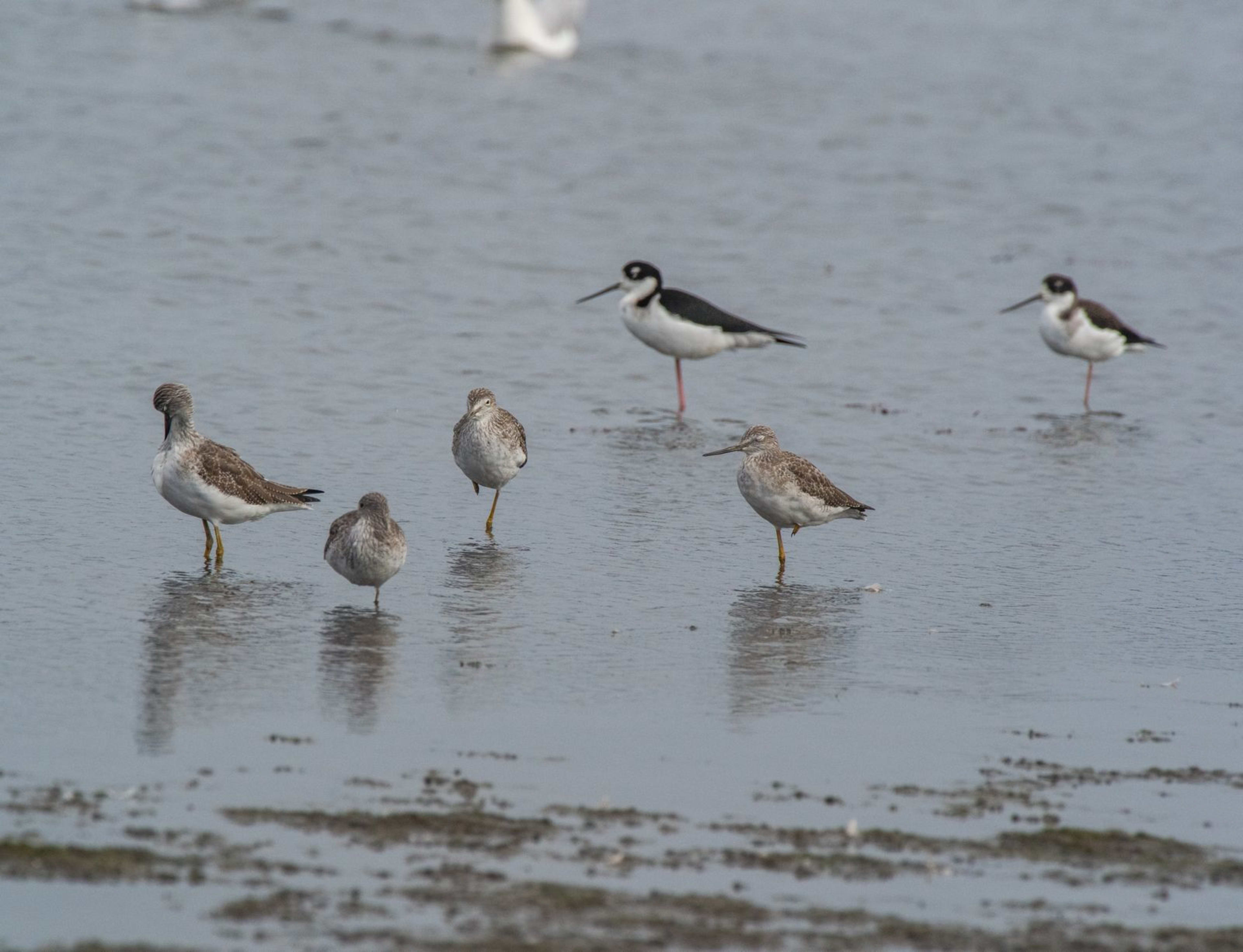
Monomoy is a pair of barrier islands — North Monomoy and South Monomoy — off the elbow of Chatham, managed by the U.S. Fish and Wildlife Service. Access is by boat only, which keeps it genuinely wild. From late July through October, shorebird numbers here can be staggering: Short-billed and Long-billed Dowitchers, Greater and Lesser Yellowlegs, Semipalmated and Western Sandpipers, Dunlin, Least Sandpipers, Black-bellied and American Golden-Plovers, and Hudsonian and Marbled Godwits. Rarer species — Curlew Sandpiper, Ruff, Buff-breasted Sandpiper — show up among the flocks in good years. Peak single-day counts at Monomoy have exceeded 50,000 individual shorebirds. The birds are using the tidal flats as a staging area, fattening on invertebrates before long overwater flights south. Peak numbers typically fall in August and early September.
Getting there: Monomoy Island Excursions runs naturalist-guided boat tours to the islands from the Chatham area. Other permitted operators work seasonally out of Stage Harbor and Chatham Fish Pier. Trips run roughly $40–60 per person. The U.S. Fish and Wildlife Service (monomoy.fws.gov) maintains the current list of permitted guides. Book well in advance — fall migration season fills quickly and weather cancellations are common.
North Monomoy sees regular tour traffic and is the easier landing. South Monomoy is more remote and holds the largest shorebird concentrations; some guided trips cover both islands in a single outing. Bring rubber-soled waterproof footwear — landings involve stepping off a skiff onto wet sand — plus binoculars, a scope if you have one, and sunscreen.
Wellfleet Bay Wildlife Sanctuary: Best for Independent Bird Watching on Cape Cod
Run by Mass Audubon on 1,100 acres of salt marsh, barrier beach, pine-oak upland, and freshwater pond in South Wellfleet, Wellfleet Bay is probably the most accessible birding destination on the Cape. Trails are well-maintained and signed; the sanctuary runs guided birding walks throughout migration season.
The salt marsh sections hold Great Blue Herons, Snowy and Great Egrets, Glossy Ibis, and shorebirds at the mudflat edges from late summer through fall. Ospreys nest on the property and are usually present through September. In October and November, scan the Bay-facing areas for ducks — scoters, eiders, buffleheads, and occasional Long-tailed Ducks. The visitor center carries a regional bird checklist and staff can tell you what's been seen recently.
Admission for non-members is $8 for adults, $5 for seniors (65+), and $3 for children 2–12 (massaudubon.org); Mass Audubon members enter free. The sanctuary is located at 291 State Highway (Route 6), South Wellfleet. Trails open daily; the parking lot is directly off Route 6.
Provincetown: How Bird Watching Cape Cod Reaches Its Fall Peak
The tip of Cape Cod acts as a geographic funnel for migrating birds. From mid-September through early November, two spots in Provincetown are essential.
Beech Forest (Province Lands): A stand of American Beech and mixed woodland tucked behind the dunes near Race Point, reached from the Beech Forest parking area off Race Point Road. On good fall migration mornings — especially the day after a northwest cold front — this small woodland concentrates warblers, thrushes, vireos, and flycatchers to a remarkable degree. Yellow-rumped Warblers by the hundreds are routine; rarer species (Connecticut Warbler, Orange-crowned Warbler, Yellow-breasted Chat) have been recorded here. The loop trail through the beech grove and around the pond takes 30–45 minutes at a birding pace.
Herring Cove and Race Point: Scan these Atlantic-facing beaches for pelagic seabirds moving offshore. In September and October, Northern Gannets plunge-dive for fish in numbers; Red and Red-necked Phalaropes, Pomarine and Parasitic Jaegers, and Sooty Shearwaters are possible during a good sea-watch. Red-throated and Common Loons are regular in November. Province Lands beaches charge $25 per vehicle, per day (nps.gov/caco), or accept a $60 annual Cape Cod National Seashore pass or the America the Beautiful pass. Parking fills on fair-weather September weekends.
Sandy Neck and Barnstable Harbor
Sandy Neck Beach in Barnstable is a 6-mile barrier spit sheltering Barnstable Harbor and extensive marsh behind it. Piping Plovers and Least Terns nest on the outer beach in late May through July; disturbance closures are in effect during that period. By August the nesting pressure lifts, and marsh edges and harbor flats begin attracting migrant shorebirds and wading birds. Scan Barnstable Harbor from the town dock on Mill Way for terns, shorebirds, and diving ducks in fall. Over-sand vehicle access to Sandy Neck's outer beach requires an ORV permit from the Town of Barnstable. On-foot access is free at the main gate; the hike to the lighthouse and back is approximately 7 miles round-trip.
Eastham and the National Seashore: Underrated Bird Watching Cape Cod
Fort Hill (Eastham): Off Route 6 in Eastham, Fort Hill overlooks Nauset Marsh and is a classic fall migration spot for hawks, shorebirds, and songbirds. The Red Maple Swamp trail can hold flycatchers and warblers during September. Parking and access are free; it is a National Seashore site.
First Encounter Beach (Eastham): On the Bay side, the shallow tidal flats at low tide hold feeding sandpipers and yellowlegs in late summer. The parking lot requires a town sticker or non-resident day pass during the in-season, but the shoulder season access is often free. Arriving around two hours before low tide maximizes shorebird activity on the exposed flats.
Quick Reference: Peak Season by Bird Group
| Target Group | Peak Period | Best Sites |
|---|---|---|
| Shorebirds | Late July – October | Monomoy, Wellfleet Bay, First Encounter |
| Warblers and songbirds | May and September–October | Beech Forest (Provincetown), Fort Hill (Eastham) |
| Raptors | October–November | Fort Hill, Sandy Neck, Province Lands |
| Owls | November–March | Airport grasslands, dunes (Snowy Owls in irruption years) |
| Waterbirds and sea ducks | October–March | Barnstable Harbor, Herring Cove, Race Point |
| Breeding birds | May–July | Sandy Neck, Wellfleet Bay, Monomoy (terns, skimmers) |
Practical Gear and Planning for Bird Watching Cape Cod
eBird (free, Cornell Lab): Download before you arrive. Search hotspots "Monomoy NWR," "Wellfleet Bay Wildlife Sanctuary," and "Beech Forest" to see what local observers have reported in the past 7 days. This is the fastest way to find out what rare species are currently present.
Cape Cod Bird Club: The oldest birding club on the Cape maintains a rare bird alert listserv and notification system. Active local observers post sightings in real time; subscribing before your trip gives you intelligence on rarities that won't show up anywhere else.
Field guides: The Sibley Guide to Birds (Eastern edition) and Peterson Field Guide to Eastern Birds are the standard references among serious birders here. Both hold up well in coastal wind.
Gear for Cape conditions: Binoculars are mandatory. A spotting scope (15–60x) earns its weight at Monomoy's open flats and Barnstable Harbor. Dress for wind — coastal Cape Cod in September and October runs 15–25 mph offshore routinely. Rubber boots or waterproof trail runners are worth packing for Monomoy landings and Wellfleet Bay's marsh trails.
Fees at a glance
- Monomoy guided tours: approximately $40–60/person
- Wellfleet Bay Wildlife Sanctuary (non-member): $8 adults, $5 seniors, $3 children (massaudubon.org)
- Province Lands beaches (Beech Forest, Race Point, Herring Cove): $25 per vehicle, per day (nps.gov/caco), or $60 annual pass / America the Beautiful pass
- Fort Hill and First Encounter Beach: free or low-cost non-resident day pass
- Sandy Neck ORV permit: contact Town of Barnstable
Beaches & trails in this guide
- First Encounter Beach, Eastham →
- Sandy Neck Beach, West Barnstable →
- Red Maple Swamp Trail, Eastham →
Cape Cod's bird life is one of its most spectacular — and most overlooked — natural assets. Whether you're chasing a life-list target or picking up binoculars for the first time, the peninsula in fall delivers experiences that rival any destination on the East Coast. Book your Monomoy tour early, check eBird for real-time sightings, and build your route around the tides.
Find certified local guides, wildlife experiences, and businesses across Cape Cod at [Cape Cod Certified](https://www.capecodcertified.com/directory).
What Locals Pack
Cape Cod Certified picks — essentials worth packing for this trip:
- MalsiPree Portable Dog Water Bottle — $15: One-handed, leak-proof bottle with a built-in bowl that recycles unused water back into the bottle. Under six ounces and ready for every boardwalk, trail, and dune walk.
- Sun Bum Mineral SPF 30 Sunscreen Lip Balm — $4: Zinc-based broad-spectrum lip protection with vitamin E; reef-safe.
Put This Guide to Work
Get the best of Cape Cod — free.
Guides, hidden spots, and seasonal tips from people who actually live here.
Frequently asked questions
When is the best time to see shorebirds at Monomoy?
Peak shorebird numbers at Monomoy typically fall in August and early September, with the full migration window running late July through October. The birds stop to fatten on tidal flat invertebrates before long overwater flights south, and concentrations during peak can be extraordinary.
Do you need a guide to visit Monomoy Island?
Yes. Monomoy is reached by boat, so you'll need a tour operator or boat shuttle to get there; several naturalist-led trips run from the Chatham area. Book well ahead, because fall migration trips fill quickly and weather cancellations are common.
What birds can I see at Wellfleet Bay Wildlife Sanctuary in fall?
The salt marsh edges hold herons, egrets, Glossy Ibis, and migrant shorebirds from late summer through fall, and Ospreys are usually present through September. In October and November, scan the Bay-facing areas for scoters, eiders, buffleheads, and occasional Long-tailed Ducks. Sanctuary staff can tell you what's been seen recently.
Where should I go birding in Provincetown in fall?
Two spots are essential from mid-September through early November: Beech Forest for concentrating warblers, thrushes, and flycatchers — especially the morning after a northwest cold front — and the Atlantic-facing beaches at Herring Cove and Race Point for watching gannets, jaegers, shearwaters, and loons moving offshore.
What gear do I need for bird watching on Cape Cod?
Binoculars are mandatory, and a spotting scope earns its weight at open-flat sites like Monomoy and Barnstable Harbor. Pack for coastal wind — fall conditions are routinely breezy — and bring rubber boots or waterproof footwear, particularly for Monomoy landings and Wellfleet Bay's marsh trails.