Cape Cod antiques are concentrated along Route 6A — the Old King's Highway — in a stretch from Sandwich to Brewster that may have more antique shops per mile than any other road in New England. The density is not accidental. These are the towns where sea captains built homes, filled them with China Trade porcelain, navigation instruments, and maritime artifacts, and whose estates have been slowly dispersing through antique dealers for more than a century. Add the geography — an isolated peninsula where things don't get thrown away easily — and you have one of the East Coast's most productive antique markets. Whether you're hunting Sandwich glass, a ship's compass, or a captain's portrait for a second home, Route 6A is where you start.
The Route 6A Antique Corridor
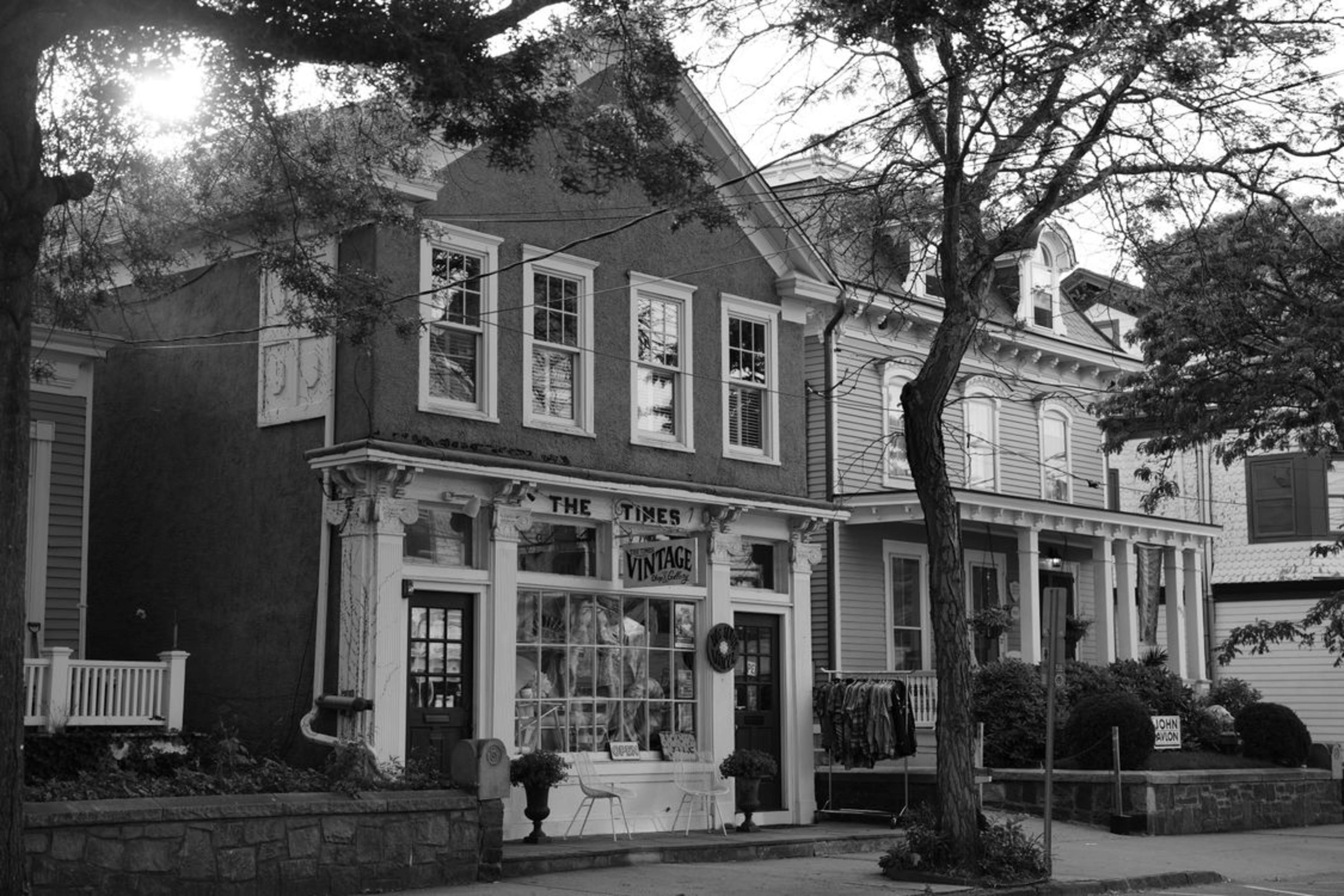
The Cape Cod antiques corridor runs roughly 30 miles from Sandwich east through Barnstable, Yarmouth Port, Dennis, and Brewster. Each town has its own character within the larger market.
Sandwich anchors the western end. Several dealers operate near the village center, often in historic buildings within walking distance of the Sandwich Glass Museum. Starting here makes particular sense — the museum provides context for the pressed glass you'll encounter in every shop up the road.
Barnstable has a notable concentration of dealers on 6A east of the village center. The streetscape feels more working and less touristy than Yarmouth Port, which often translates to more interesting inventory and slightly less summer-adjusted pricing.
Yarmouth Port is the epicenter. Antique shops cluster in the village center and along 6A through this stretch with a density that rewards slow driving and frequent stops. The Captain Bangs Hallett House nearby gives historical grounding: this is exactly the kind of estate whose contents, multiplied by hundreds of sea captains across two centuries, filled these shops.
Dennis extends the run, with shops both on 6A and along side roads into East Dennis. Inventory here tends to lean toward New England furniture and estate finds rather than pure maritime material.
Brewster closes out the main corridor. Multiple shops operate through town, and the character shifts toward higher-end curated pieces — Brewster has become a destination unto itself for serious collectors.
What Cape Cod Antiques Look Like
Cape Cod has its own category of antique that you won't find in equivalent concentration anywhere else on the East Coast.
Sandwich glass is the Cape's most distinctive collectible — pressed glass produced at the Boston and Sandwich Glass Company from approximately 1825 to 1888. The factory pioneered mechanical pressing techniques that allowed for mass-produced pattern glass with remarkable detail. Candlestick holders, whale oil lamps, compote dishes, and decorative pieces in clear, cobalt blue, amethyst, and canary yellow are the most common forms. A good piece in documented condition commands serious money; lesser pieces are still reasonably priced and genuinely beautiful. The Sandwich Glass Museum is the authoritative resource — staff can explain what to look for before you start shopping.
Marine navigation instruments surface constantly in 6A shops: brass compasses, sextants, telescopes, binnacles, chronometers in wooden cases. Quality varies enormously. Working instruments in good condition are scarce and priced accordingly. Decorative-grade pieces — things that look impressive on a shelf but wouldn't navigate a harbor — are more common and more affordable.
Scrimshaw — carved or engraved whalebone and whale ivory — is one of the most visually compelling Cape antiques and one of the most legally complicated. Pre-1989 authenticated scrimshaw can be legally sold in the United States; later pieces may require specific documentation under federal wildlife law — confirm the current regulations before purchasing. Any reputable dealer will have provenance documentation. If they don't, walk away.
Captain's portraits — formal oil portraits of sea captains and their wives, many painted in the mid-1800s — appear with regularity in 6A shops. Attribution is often uncertain, but the best examples are significant folk art with genuine historical ties to specific Cape families.
New England furniture — blanket chests, highboys, Windsor chairs, painted country pieces — flows through these shops from estates across the region. Not Cape-specific, but high quality and often priced lower than comparable pieces in Boston or New York.
Cranberry glass, Cape Cod weathervanes, ship's logs, and colonial-era ceramics round out the regular inventory.
How to Do the 6A Antique Run
A full antique day on Route 6A should move west to east, starting in Sandwich in the morning. Allow at least six hours for a serious run; eight if you intend to linger.
Start in Sandwich (9am–10am). The Glass Museum opens early enough to be a useful first stop. An hour here calibrates your eye for the glass you'll see in shops all day. The village center holds a first cluster of dealers within walking distance.
Work through Barnstable (10am–noon). The 6A stretch east of the village tends to have the best value-to-quality ratio on the entire corridor — less foot traffic than Yarmouth Port, knowledgeable dealers with room to negotiate.
Lunch in Yarmouth Port (noon–1pm). Inaho Restaurant occupies a historic house right on 6A and has been serving some of the Cape's most distinctive Japanese food for decades. The combination of setting and quality makes it worth the stop, not just a convenience.
Yarmouth Port and Dennis (1pm–4pm). The Yarmouth Port village center cluster deserves the most time of anything on the corridor. Slow down here. If you're looking for something specific, this is where you're most likely to find it. Continue east through Dennis, checking side roads for shops that don't have obvious 6A frontage.
End in Brewster (4pm–5pm). The shops through Brewster tend toward the higher end — a good place to close the day if you've been holding off on something seen earlier, or if you're looking for a significant piece to begin with.
Most 6A antique shops open around 10am and close by 5pm. Many are closed Monday or Tuesday, particularly in the shoulder season.
The Wellfleet Flea Market: A Different Kind of Hunt
The Wellfleet Drive-In Theater runs a flea market on its Route 6 lot Thursdays, Saturdays, and Sundays in season, roughly 8am–3pm (buyer admission $2–$3 per car — wellfleetcinemas.com; weather-dependent). This is a fundamentally different experience from the curated 6A corridor — lower price points, more mixed inventory, local seller energy. Think estate-sale finds, vintage rather than antique, tools and furniture and glassware and ephemera all jumbled together.
For the right kind of hunter — someone who enjoys the dig, doesn't need provenance documentation, and is looking for things in the $10–$200 range — the Wellfleet flea market is one of the better weekend activities on the Cape. Bring cash. Arrive early for the best pickings.
Practical Notes for Cape Cod Antique Hunters
Most 6A dealers accept credit cards; a few remain cash-only. When in doubt, bring cash as backup.
Shipping: Most established dealers can arrange shipping for larger pieces — this is a regular enough part of the business that they have relationships with packers. Ask before you fall in love with a secretary desk.
Shoulder season pricing: The October through May window often produces better deals. Dealers have been watching summer inventory sit at tourist prices and are more motivated. The shops are quieter, conversations run longer, and prices have more room.
Networking among dealers: If you're hunting something specific — Cape Cod glass, marine chronometers, a particular style of furniture — call ahead and describe what you're after. The 6A dealers know each other and will often direct you to the right shop rather than waste your time.
Quick Facts
- Best corridor: Route 6A, Sandwich to Brewster (~30 miles)
- Highest shop concentration: Yarmouth Port village center
- Most distinctive Cape antique: Sandwich glass (Boston and Sandwich Glass Co., 1825–1888)
- Best context: Sandwich Glass Museum before you shop
- Typical shop hours: 10am–5pm; often closed Mon or Tue
- Best season for value: October–May (shoulder)
- Wellfleet Flea Market: Thursdays, Saturdays & Sundays in season at the Wellfleet Drive-In (wellfleetcinemas.com)
- Payment: Most accept cards; bring cash as backup
- Scrimshaw note: Older pieces legal with documentation; verify current federal compliance
Find local shops, restaurants, and experiences across every Cape Cod town at capecodcertified.com/directory.
Don't Leave Without
Cape Cod Certified picks — essentials worth packing for this trip:
- Cape Cod Wide Coastal Photography Book — $29: Wide-angle views of Cape harbors, lighthouses, and sunsets in a handsome hardcover. A timeless keepsake for anyone who left a piece of their heart on the Cape.
- Melissa & Doug Water Wow! Reusable Pads 3-Pack — $19: Mess-free, water-reveal activity pads that dry and reset endlessly, with a refillable chunky pen tucked inside the cover. The rainy-Cape-day and restaurant-wait hero, no screens required.
- Pre-Filled Coastal Welcome Bag Favors (10) — $60: Ten ready-made favor bags with hydration packets, gum, and party essentials to drop into hotel welcome bags. Takes the guesswork out of greeting out-of-town wedding guests in style.
Certified Local Businesses in Sandwich
Cape Cod Certified recommends these verified local spots:
- Penny Lane Consignment — 4.4★ (50 Google reviews)
Plan it with Cape Cod Certified
Get the best of Cape Cod — free.
Guides, hidden spots, and seasonal tips from people who actually live here.
Frequently asked questions
What antiques is Cape Cod most known for?
Cape Cod is most distinctively known for Sandwich glass — pressed glass produced at the Boston and Sandwich Glass Company from approximately 1825 to 1888 — along with marine navigation instruments, scrimshaw, captain's oil portraits, and New England furniture. The highest concentrations of all these categories are found along Route 6A from Sandwich to Brewster.
Which part of Cape Cod has the most antique shops?
Yarmouth Port is the epicenter of Cape Cod antique shopping, with the densest cluster of shops along Route 6A and in the village center. The full corridor runs from Sandwich west to Brewster east, with notable concentrations in Barnstable and Dennis along the way.
Can I ship antiques home if I find something too big to carry?
Most established dealers along Route 6A can arrange shipping for larger pieces — it is a regular enough part of the business that they maintain relationships with packers. Ask about shipping before you commit to a purchase.
When do Cape Cod antique dealers have the best prices?
The October through May shoulder season tends to produce better deals — dealers are more motivated after summer inventory has sat at tourist prices and prices have more room to move. Shops are quieter during these months and conversations run longer.