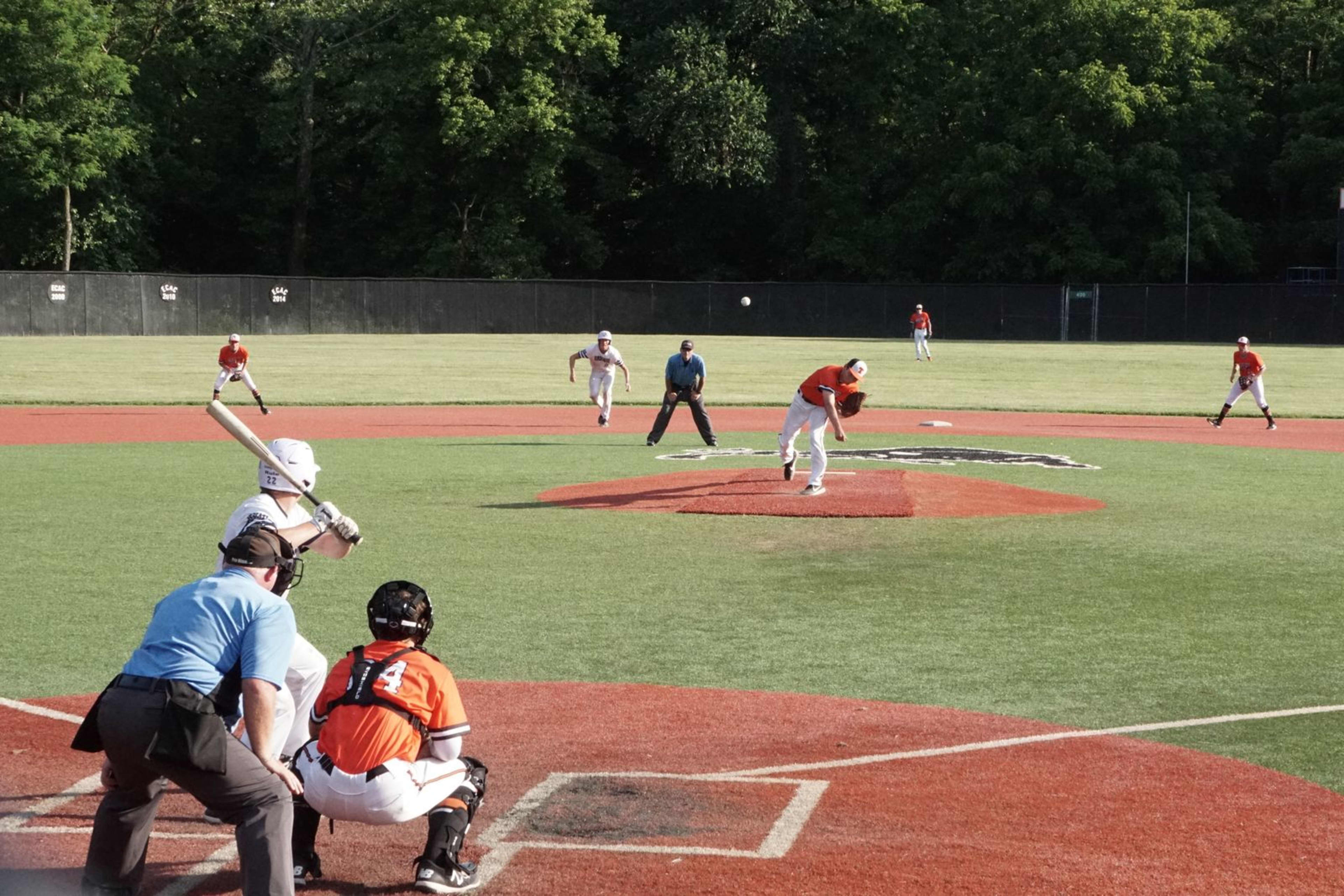
The Cape Cod Baseball League is the most prestigious collegiate summer baseball league in the United States — 10 teams across Cape Cod, all games free to attend, rosters stocked with college players who will appear in tomorrow's MLB box scores. Every significant American baseball star of the past four decades played here first. If you're on Cape Cod this summer and skip a Cape League game, you've missed one of the most authentic experiences the Cape offers.
What Is the Cape Cod Baseball League?
Founded in 1885 and operating in its modern form since 1963, the Cape Cod Baseball League (CCBL) is a wood-bat collegiate summer league sanctioned by the NCAA. College players from programs across the country — Division I powerhouses like LSU, Vanderbilt, Arkansas, Oregon State, and the ACC schools — give up their summers to come to Cape Cod, live with local host families, and play roughly 40 games over six weeks. The wood bats matter: college programs use metal, which masks hitters. Wood reveals exactly who has genuine bat speed, plate discipline, and contact skills. Scouts know this. That's why they're here.
The alumni list is staggering. Nomar Garciaparra, Jason Varitek, Barry Zito, Ben Sheets, Evan Longoria, Carlos Beltrán, Chase Utley, Tim Lincecum, and hundreds more all spent Cape League summers before their MLB careers. Any given Tuesday night at Veterans Field in Chatham, you may be sitting twenty feet from someone who will win a Cy Young Award or hit 300 home runs. The scouts in the stands already have a strong opinion about who.
The 10 Teams and Where They Play
The league fields 10 teams, nine on Cape Cod and one off-Cape:
- Brewster Whitecaps — Stony Brook School, Brewster (Mid Cape)
- Chatham Anglers — Veterans Field, Chatham (Lower Cape)
- Harwich Mariners — Whitehouse Field, Harwich (Mid Cape)
- Orleans Firebirds — Eldredge Park, Orleans (Lower Cape)
- Yarmouth-Dennis Red Sox — Red Wilson Field, South Yarmouth (Mid Cape)
- Bourne Braves — Doran Field, Bourne (Upper Cape)
- Falmouth Commodores — Guv Fuller Field, Falmouth (Upper Cape)
- Hyannis Harbor Hawks — McKeon Park, Hyannis (Mid Cape)
- Cotuit Kettleers — Lowell Park, Cotuit/Barnstable (Mid Cape)
- Wareham Gatemen — Clem Spillane Field, Wareham
The full schedule lives at capecodleague.com. Games typically start at 7:00pm and run 90 to 120 minutes. Schedules shift with weather — check the league site or the individual team's social media the day of your visit. Makeup games after rainouts sometimes run as afternoon doubleheaders at non-standard times.
The Best Venues for First-Timers
Veterans Field, Chatham is the quintessential Cape League experience. The field sits at the foot of Chatham's compact Main Street, framed by old trees and white fences. Bleachers fill fast; the lawn behind them fills faster. Regulars claim lawn spots with beach chairs 45 minutes before first pitch. The Chatham Anglers draw one of the league's most passionate local followings — the crowd is knowledgeable, the atmosphere is genuine, and the energy tightens in late innings in a way you don't expect from a free event. After the game, the crowd migrates up to Chatham's Main Street for ice cream. It's a summer-evening ritual, not a tourist performance. Parking near Veterans Field is limited; walk from town or arrive early.
Eldredge Park, Orleans is the quieter but equally atmospheric alternative. The park sits back from Route 28 with good sight lines from bleachers and a welcoming lawn section that draws families. Orleans is a strong first choice if Chatham feels daunting, and the Firebirds typically field a competitive roster.
Both venues are walkable from their respective town centers. Both accommodate lawn chairs and blankets. Both sell hot dogs, drinks, and Cape Cod Chips at the concession stand.
What to Bring and How to Watch
All regular season games are free. Most venues pass a donation bucket at the gate — the standard ask is $2–$5, and you should pay it. The Cape League operates entirely on community support, including the host families who take in players from around the country at no charge for the entire season.
Pack: a lawn chair or blanket (the bleachers are fine, but the lawn is the classic move), cash for the donation and concessions, and a light jacket. Cape Cod evenings cool faster than people expect, even in July.
Arrive 30–45 minutes early at popular venues like Chatham. You'll watch warmups, see scouts set up their equipment behind home plate, and have time to find a good lawn position before the crowd thickens.
Watch the game like a scout. Cape League players move at a professional pace. Instead of just tracking the ball, look at the pitcher's arm path and extension through release — that's where velocity is made or lost. Watch how the shortstop positions himself before each pitch based on the count. Watch the catcher's exchange speed on potential steal attempts. These mechanical details separate Cape League players from ordinary college baseball and are why scouts take notes on every pitch.
Spotting the Scouts — And Tomorrow's Stars
Major League Baseball scouts attend Cape League games every night from late June through the playoffs. You'll recognize them: they're the people behind home plate with handheld radar guns, clipboards, and multiple devices. Some hold staff positions with specific MLB organizations; others are independent area scouts.
Scouts cluster around the players they're evaluating. If five scouts are grouped near the first-base dugout during warmups, someone there is worth watching closely that night.
Before your visit, check Baseball America's Cape League prospect coverage or MLB Pipeline for in-season prospect lists. These outlets publish rankings of the top Cape League players each summer, often broken down by team. Knowing two or three names in advance — and then tracking them through the lineup — makes the experience significantly richer.
The host family system is worth understanding. Every player on every Cape League roster lives with a Cape Cod family for the entire season, often at no cost to the player in exchange for tickets and the connection. College athletes at this level — some of them future All-Stars — living like summer exchange students in saltbox Capes and beach cottages across Brewster and Chatham and Falmouth. Many players say it's one of the most grounding experiences of their careers.
Practical Info at a Glance
| Detail | Info |
|---|---|
| Cost | Free (suggested donation $2–$5) |
| Season | June 13 – August 2, 2026 (regular season; capecodleague.com) |
| Typical game start | 7:00pm (check schedule) |
| Game length | 90–120 minutes |
| Schedule | capecodleague.com |
| Playoffs | Begin August 4, 2026 (capecodleague.com) |
| Teams | 10 (9 on Cape, 1 off-Cape) |
| Seating | Bleachers + open lawn; bring a chair |
| Parking | Limited at most venues — arrive early |
| Concessions | Hot dogs, drinks, snacks at most venues |
| All-Star Game | Saturday, July 18, 2026, at Whitehouse Field, Harwich (capecodleague.com) |
Rainouts are common on the Cape. Always check team social media or the league website the day of the game before making the drive.
Planning your Cape Cod summer? Browse the Cape Cod Certified directory for local restaurants, experiences, lodging, and services recommended by people who live here year-round.
Worth Having in the Car
Cape Cod Certified picks — essentials worth packing for this trip:
- Brightech Ambience Pro Solar Outdoor String Lights, 27 ft — $22: Commercial-grade, shatterproof Edison bulbs on a weatherproof solar strand that glows over the deck with no outlet or wiring. Warm light that turns a porch or backyard into the gathering spot after sunset.
- MalsiPree Portable Dog Water Bottle — $15: One-handed, leak-proof bottle with a built-in bowl that recycles unused water back into the bottle. Under six ounces and ready for every boardwalk, trail, and dune walk.
Make It a Day, the Certified Way
Get the best of Cape Cod — free.
Guides, hidden spots, and seasonal tips from people who actually live here.
Frequently asked questions
Why do people make a point of watching Cape League games?
The Cape League draws college players from programs across the country who live with local host families and compete on wood bats — the format MLB scouts use to identify genuine hitting talent. Scouts attend every game, so on any given night you may be watching someone who will play professional baseball.
What's the best Cape League ballpark for a first visit?
Veterans Field in Chatham is considered the quintessential experience — it sits at the foot of Chatham's Main Street, framed by old trees and white fences, with a knowledgeable crowd and a lawn section that fills quickly. Eldredge Park in Orleans is a quieter, equally atmospheric alternative that works well for families.
What should I bring to a Cape League game?
A lawn chair or blanket is the classic move, since the open lawn behind the bleachers is the most popular spot at most venues. Bring cash for the concession stand and the donation bucket that circulates at the gate. A light jacket is also smart — Cape Cod evenings cool faster than people expect.
How do I know which players at a Cape League game are worth watching?
Check Baseball America's Cape League prospect coverage or MLB Pipeline before your visit — both publish in-season rankings of top players broken down by team. Knowing a few names in advance and tracking them through the lineup makes the experience significantly richer.
What should I do if it looks like rain on game day?
Rainouts are common on Cape Cod, so always check the team's social media or the league website the day of your visit before making the drive. Makeup games after rainouts sometimes run as afternoon doubleheaders at non-standard times, making the league site the most reliable source for current schedules.