Order "clam chowder" almost anywhere in the country and you're rolling the dice — you might get a gluey, over-thickened bowl of potato paste with a few rubbery clams for garnish. On Cape Cod, chowder is a birthright, and the good stuff is a different food entirely: briny, creamy-not-gloppy, tasting of the clams and the sea rather than flour and cream. But not every bowl on the Cape is created equal, and knowing what real New England clam chowder is — and where to find it — will save you from the tourist-trap version.
Here's the local's guide to Cape Cod clam chowder.
What real New England clam chowder is (and isn't)
New England (or "Boston") clam chowder is cream-based, white, and studded with clams and potatoes — no tomatoes. That red stuff is Manhattan clam chowder, and suggesting it on the Cape is a good way to get a look. The great versions share a few traits:
- Not too thick. Real chowder is a soup, not a paste. If your spoon stands up in it, it's over-thickened with flour or cornstarch to hide a lack of clams.
- Tastes of clams and brine, not just cream. The clam liquor (the briny juice) is the soul of the dish.
- Tender clams, not rubbery ones — a sign they weren't overcooked.
- Real potato and often salt pork or bacon for backbone.
Chowder styles you'll encounter
| Style | What it is | Where you'll find it |
|---|---|---|
| Classic New England | Cream-based, white, potatoes + clams | Everywhere good on the Cape |
| Rhode Island / clear | Broth-based, no cream, brothy and briny | Occasional, more RI than Cape |
| "Chowdah" done wrong | Thick, gluey, flour-forward, few clams | Tourist traps — avoid |
| Manhattan | Tomato-based, red | Not a Cape thing; you'll rarely see it |
Where to find great chowder on the Cape
Rather than one "best" bowl (chowder is personal, and locals will argue about it forever), look for these signals of a great chowder spot:
- A working seafood shack or fish market — places that sell fresh clams tend to respect them in the pot.
- Chowder that's made in-house daily, not shipped in frozen. Ask; good spots are proud of it.
- Raw bars and oyster-forward menus — a restaurant serious about shellfish is usually serious about chowder.
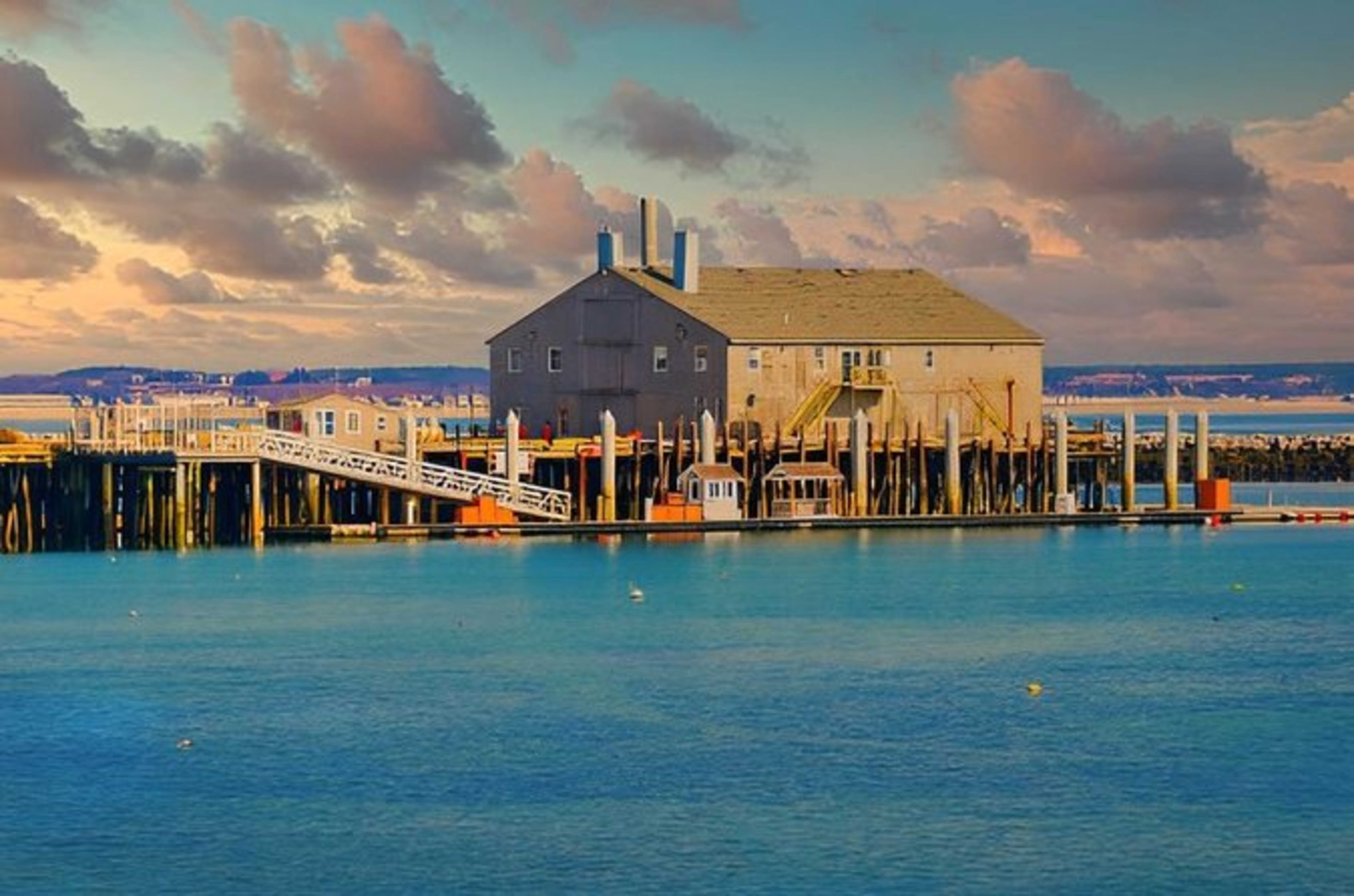
- Harborside spots in the fishing towns — Chatham, Wellfleet, Provincetown, Falmouth's Woods Hole — where the boats come in.
The Cape's Certified local seafood spots and shacks are your best bet over the big chain-feeling waterfront restaurants that batch-cook for the summer rush.
How to order like a local
- Cup vs. bowl: get the bowl if it's your meal, the cup if you're pairing it with fried clams or a lobster roll (the classic combo).
- Oyster crackers on the side, crumbled in — not pre-drowned.
- A squeeze of nothing. Real chowder needs no hot sauce or ketchup. Taste it first.
The tell that separates great from average
Take the first spoonful before you add anything. If it tastes like the ocean — briny, clean, clam-forward, with cream in support rather than in charge — you've found the real thing. If it tastes mostly like thickened cream and you're reaching for pepper to give it a personality, you've found the tourist version.
Don't miss: the chowder-and-fried-clams combo at a genuine Cape seafood shack, eaten at a picnic table near the water. It's the single most Cape Cod meal there is — and the bar against which every other bowl of chowder should be measured.
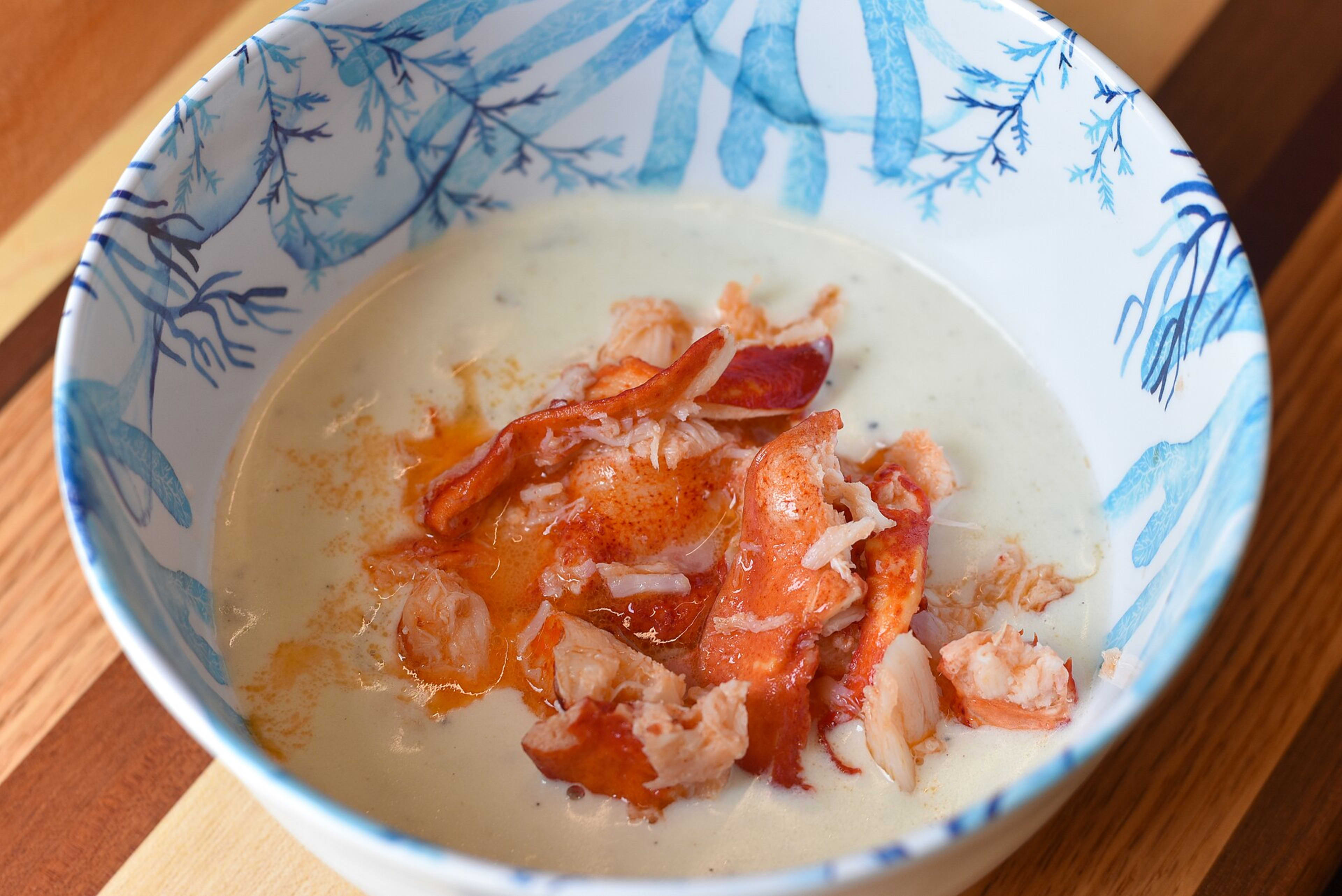
Cover photo: New England clam chowder — photo by Gordon Leggett, licensed CC BY-SA 4.0 via Wikimedia Commons.
From Reading to Doing — Start Here
Get the best of Cape Cod — free.
Guides, hidden spots, and seasonal tips from people who actually live here.
Frequently asked questions
What's the difference between New England and Manhattan clam chowder?
New England clam chowder is cream-based and white, made with clams and potatoes and no tomatoes. Manhattan clam chowder is tomato-based and red. On Cape Cod, the New England style is the standard — ordering Manhattan is considered an odd choice.
How can you tell if clam chowder is bad quality?
If your spoon stands up in the bowl, it's been over-thickened with flour or cornstarch to hide a lack of clams. Great chowder is a soup, not a paste, and the first spoonful should taste briny and clam-forward, not mostly like thickened cream.
What is clam liquor and why does it matter in chowder?
Clam liquor is the briny juice from the clams, and the guide describes it as the soul of the dish. A well-made chowder tastes of clams and the sea because the clam liquor carries that flavor — cream is meant to support it, not overwhelm it.
Where should I look for good clam chowder on Cape Cod?
The guide recommends working seafood shacks, fish markets, and raw-bar restaurants that make their chowder in-house daily. Harborside spots in fishing towns like Chatham, Wellfleet, Provincetown, and Falmouth's Woods Hole are good places to start.
What's the classic Cape Cod meal to order at a seafood shack?
The guide calls chowder paired with fried clams, eaten at a picnic table near the water, the single most Cape Cod meal there is. If you're doing both, the guide suggests a cup of chowder rather than a full bowl so neither dish overwhelms the other.