There is no meal more rooted in Cape Cod summer than a clambake. Not a bowl of chowder, not a lobster roll — a proper clambake, done on the beach or in the backyard, with steam rising off seaweed and the smell of the ocean baked into every ear of corn. If you have never done one, this guide will walk you through everything: what a real clambake actually involves, how to cook it two different ways, where to source the freshest ingredients on the Cape, and how to hire someone to do the whole thing for you.
What a Traditional New England Clambake Actually Is
Let's settle something right away. A clambake is not a plate of steamed clams. It is a full beach feast — a method of cooking as much as it is a menu.
The traditional New England clambake involves cooking an entire spread of ingredients in a pit dug into the sand, lined with rocks, and fired for hours until those rocks hold enough heat to steam everything above them. The ingredients layered into that pit: softshell steamers, whole lobsters, corn on the cob, small red potatoes, onions, kielbasa, and eggs tucked into the layers to cook alongside everything else. The seaweed — specifically rockweed, the kind with the little air pockets that pop — holds the moisture and imparts the briny, oceanic flavor that you simply cannot replicate any other way.
A clambake is an event. It takes a full day to do properly. And that is exactly the point.
The Beach Pit Method: Step by Step
What You Need
- Shovels (2–3)
- Kindling and dry driftwood
- Large rocks (at least a wheelbarrow's worth — do not use river rocks or rocks pulled from above the tide line that may have absorbed moisture, as these can crack or explode when superheated)
- Freshly gathered or purchased rockweed seaweed (buy it from a local fishmonger if you cannot harvest it yourself)
- Wet burlap sacks (soak them in seawater the night before)
- A heavy canvas tarp
- A meat thermometer
Step 1: Dig the Pit
Dig a pit roughly 2 to 3 feet deep and wide enough to hold your rocks in a single deep layer — figure 3 to 4 feet across for a group of 8 to 10 people. Pick a spot above the high tide line and away from dry dune grass.
Step 2: Build the Rock Base and Fire
Line the bottom and sides of the pit with your rocks. Build a driftwood fire directly on top of the rocks and let it burn hard for at least two hours. You want those rocks glowing and radiating serious heat. This is not a step to rush.
Step 3: Layer the Food
Once the fire has burned down to coals and the rocks are superheated, use a rake or shovel to clear away remaining embers. Then layer immediately:
- A thick bed of wet rockweed directly on the rocks
- Potatoes and onions (they take longest)
- Another layer of rockweed
- Kielbasa and corn
- Another layer of rockweed
- Clams
- Lobsters on top
- Eggs nestled wherever there is space
Step 4: Cover and Steam
Cover the entire pile with soaking wet burlap sacks, then lay the canvas tarp over that. Weigh the edges down with rocks to trap the steam. Leave it alone for 60 to 90 minutes. Resist the urge to peek — every lift loses steam and adds cooking time.
Everything is done when clams have opened and lobster shells are fully red. A thermometer in the thickest part of a potato should read 200°F.
The Simpler Pot Method: Backyard and Deck Clambakes
If you are at a rental cottage without beach access — or you simply want a great meal without a full-day project — a large stockpot on a propane burner delivers almost everything a pit clambake does.
The base: Fill a 40-quart or larger stockpot with equal parts beer and water, about 2 inches deep. Add a generous handful of salt and a bay leaf.
Layer in this order (longest-cooking on the bottom):
- Potatoes — bring to a boil and cook 10 minutes
- Onions and kielbasa — add, cook 5 more minutes
- Corn — add, cook 5 more minutes
- Clams — add, cover tightly, cook until clams open (5–8 minutes)
- Lobsters — add on top, cover, steam 12–15 minutes until shells are red
Serve everything on a paper-covered picnic table with drawn butter, lemon wedges, and plenty of napkins. The mess is non-negotiable and entirely part of the experience.
Where to Source Clambake Ingredients on Cape Cod
The ingredients matter enormously. Here is where to find the best on the Cape.
Shellfish and Lobster
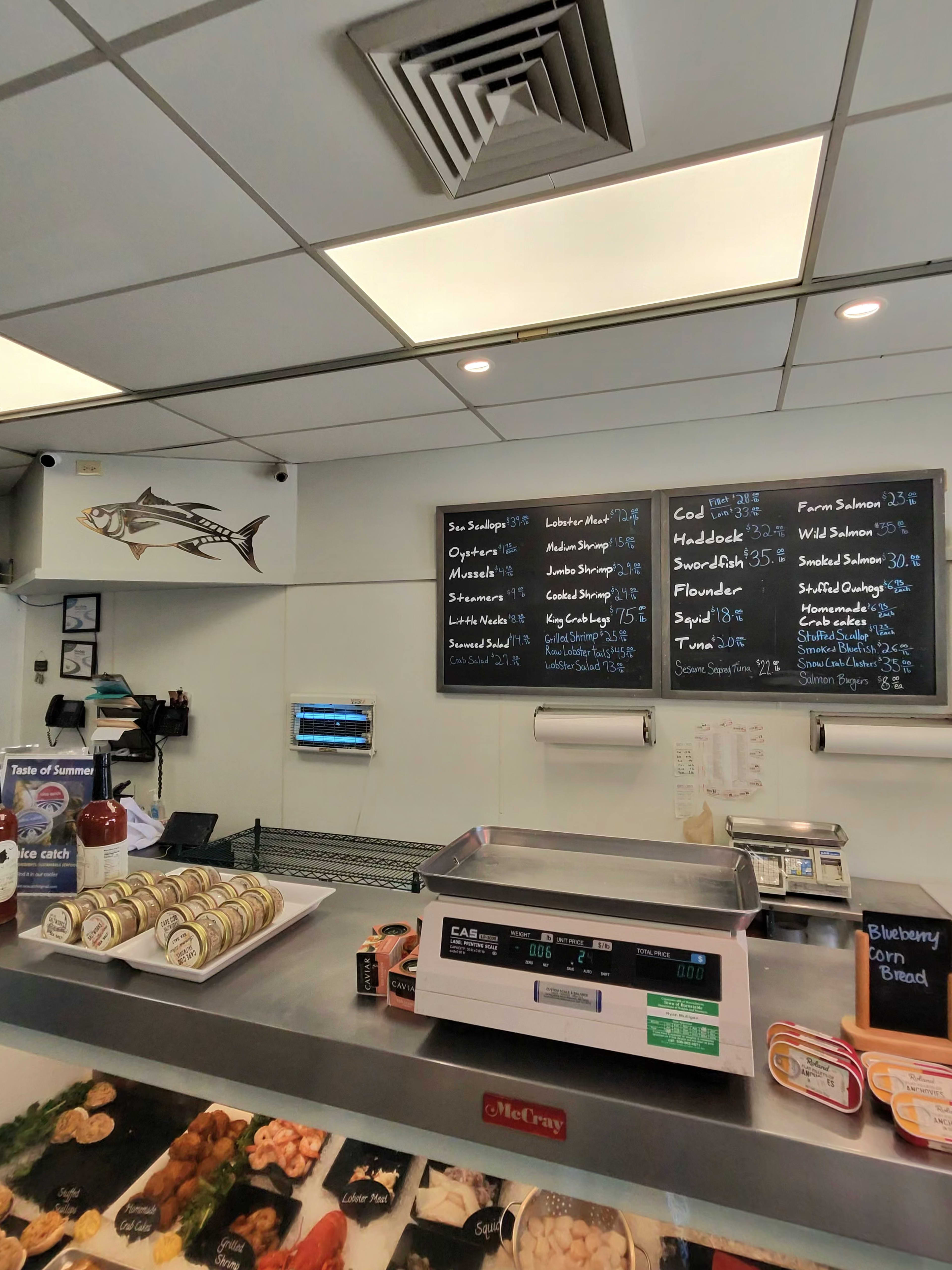
Hatch's Fish Market in Wellfleet is one of the Cape's most respected year-round fish markets. They carry local shellfish, lobster, and often rockweed in season. Mac's Seafood (multiple locations including Wellfleet and Orleans) is another excellent source for live lobster and littleneck or steamer clams sourced from Cape waters.
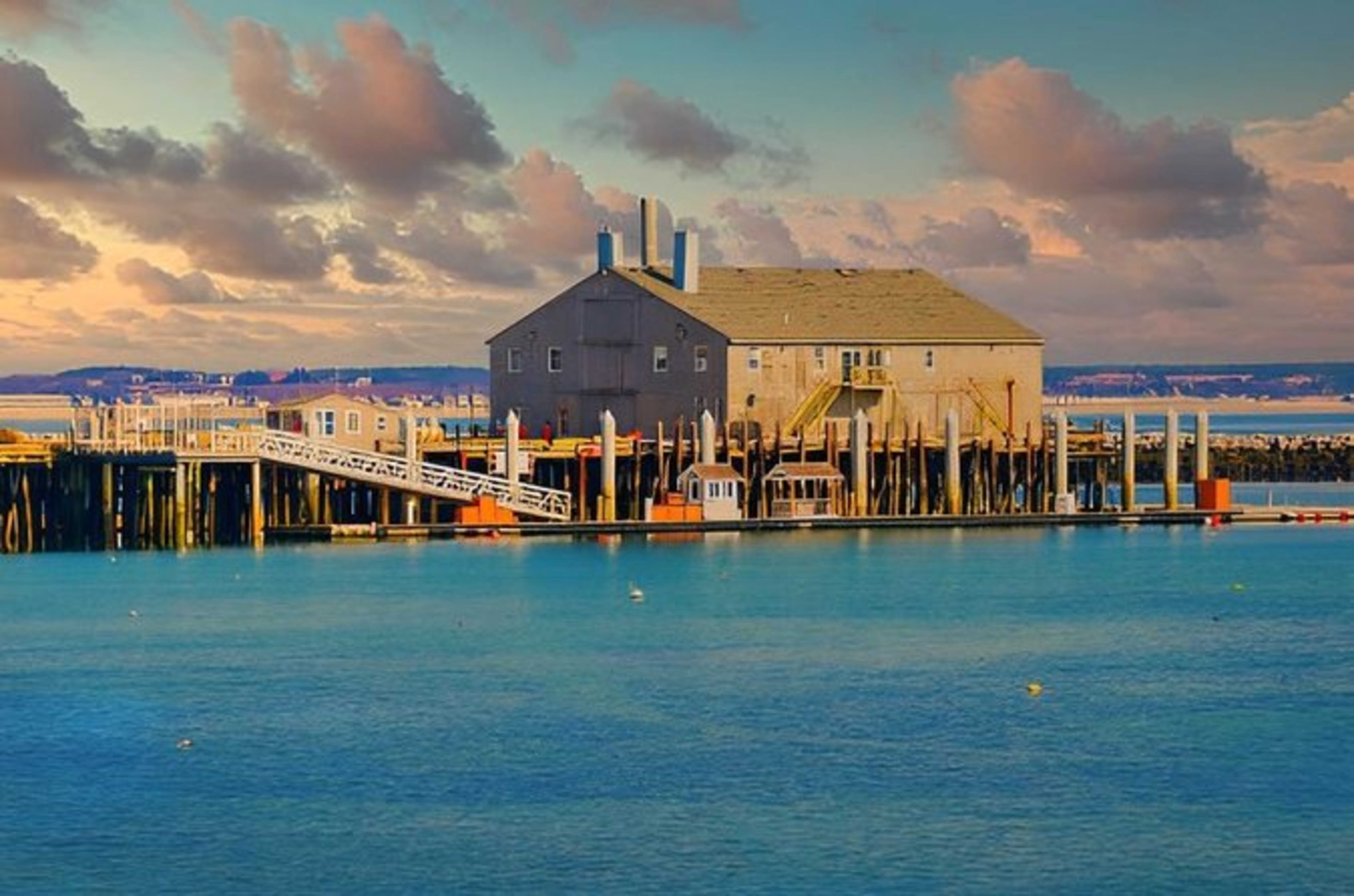
The Chatham Fish Pier market on Stage Harbor Road is where you can buy directly from the fishermen. The pier is a working commercial fishing operation, and the fish and shellfish sold there are as fresh as it gets on the East Coast — some of it caught the same morning.
For lobster pounds, both Brewster and Eastham have shops carrying live lobster. Ask the staff what was delivered that morning.
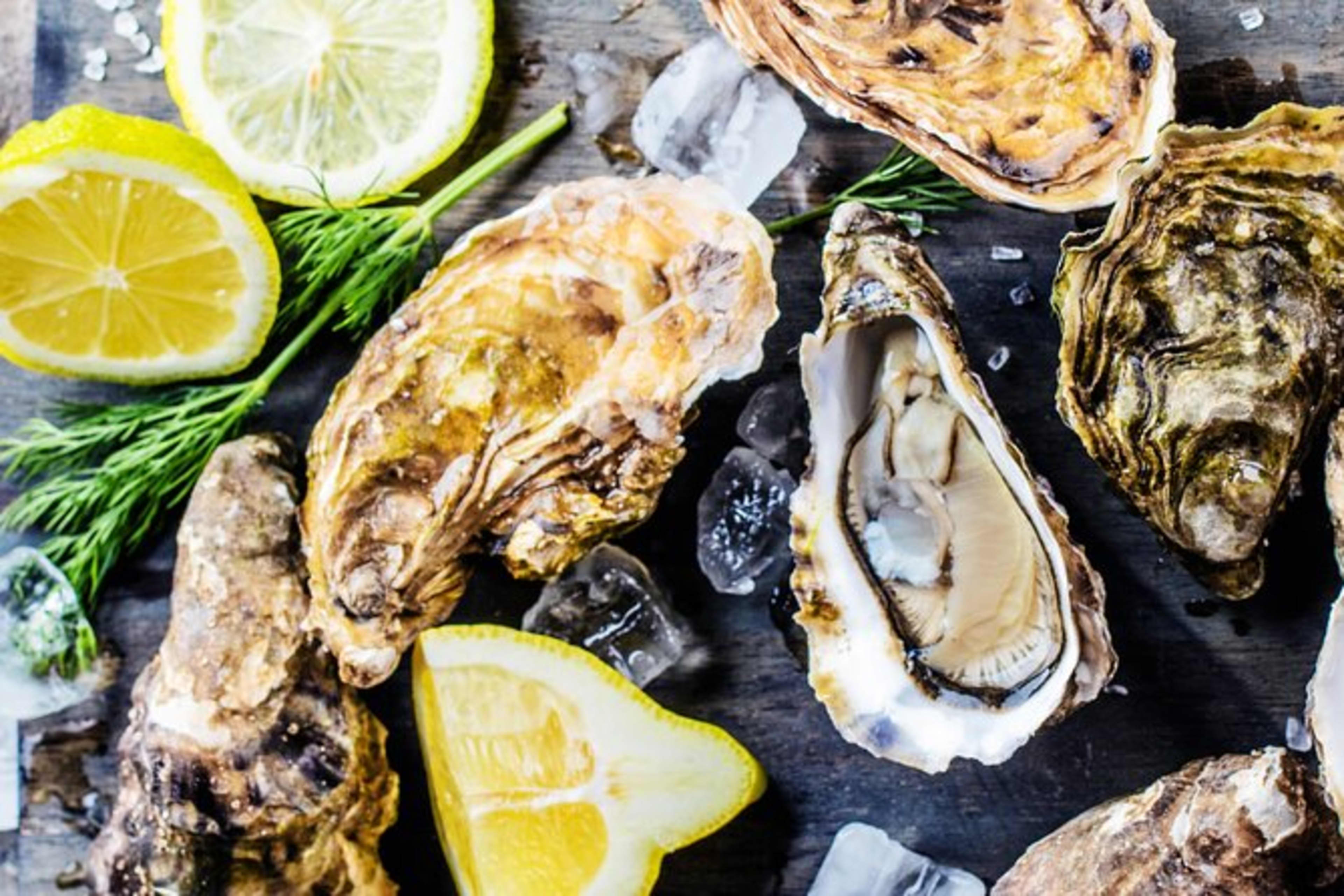
A note on Wellfleet oysters: If you want to add a raw bar element before the main bake — which is highly recommended — Wellfleet is the oyster capital of Cape Cod. Pick up a couple dozen from Hatch's or directly from Wellfleet Shellfish Company. Serve them on ice with mignonette while the pit heats up.
Beach Fire Permits on Cape Cod
This is the part most visitors get wrong. You cannot simply build a fire on any Cape Cod beach.
Most Cape Cod town beaches require a burn permit obtained from the local fire department or town hall. Permit rules vary by town — some require same-day application, others allow advance booking. Call the local fire department before you plan your day.
Cape Cod National Seashore beaches — which include most of the Outer Cape Atlantic-facing beaches in Eastham, Wellfleet, Truro, and Provincetown — prohibit open fires in most areas. The National Park Service is strict about this, and rangers do patrol. Do not assume a remote section of beach is unmonitored.
Your best options for beach pit clambakes are on bay-side town beaches along the Cape Cod Bay shoreline — Brewster's tidal flats, Eastham's First Encounter Beach, and Falmouth's harbor-area beaches are good starting points. Each has different permit processes; contact the town's harbormaster or fire department directly.
For a group event, a private beachfront property or a rented venue with direct beach access sidesteps many of these restrictions entirely.
Catered Clambake Companies on Cape Cod
If you are hosting a large group — a family reunion, a wedding rehearsal dinner, a corporate event — hiring a full-service clambake company is absolutely worth considering. Several Cape Cod operators specialize in doing the entire thing: they arrive with the gear, source the seafood, dig and heat the pit if the location allows, handle serving, and clean up.
This option works especially well for wedding rehearsal dinners on the beach, a tradition that has become genuinely popular in towns like Chatham, Brewster, and Falmouth. A catered clambake for 30 to 50 guests is a far more memorable evening than a restaurant reservation, and the casual, hands-on nature of the meal suits rehearsal-dinner energy perfectly.
Ask any local event venue or your rental property manager for current referrals — the roster of active catering operators changes season to season, and a local contact will know who is reliably excellent that year.
Clambake vs. Lobster Bake: What Is the Difference?
These terms get used interchangeably, but they are not the same thing. A clambake refers specifically to the full spread — clams, lobster, corn, potatoes, onions, kielbasa, eggs — cooked together in a communal pit or pot. The word describes both the cooking method and the social occasion.
A lobster bake typically means whole boiled or steamed lobsters served as the main event, often with just sides. It is a simpler meal. A clambake is a production. If someone invites you to a clambake, clear your afternoon.
Clambake Etiquette: What to Expect
Dress: Old clothes. This is non-negotiable. Drawn butter, briny steam, and clam liquor do not respect good linen. Flip-flops and a towel to sit on.
Drinks: Cold beer (a light lager or a New England IPA) is the classic pairing. A crisp white wine — Sauvignon Blanc or an unoaked Chardonnay — works beautifully with the lobster and clams. The classic Cape Cod cocktail is vodka and cranberry juice, named for the Cape's cranberry bog heritage and widely consumed at any summer gathering from Falmouth to Provincetown.
The mess: Cracking lobster claws with your hands, digging clams out of their shells, gnawing corn off the cob — this is the meal. There is no elegant way to eat a clambake, and anyone who tries is missing the point. Provide a large roll of paper towels, a bucket for shells, and give everyone permission to be cheerfully messy.
Timing: Plan for the meal itself to take 90 minutes to two hours. A clambake is not rushed. People linger, refill their drinks, and eventually wander down to the water. That is what it is for.
Plan it with Cape Cod Certified
Get the best of Cape Cod — free.
Guides, hidden spots, and seasonal tips from people who actually live here.
Frequently asked questions
Do you need a permit to have a clambake on a Cape Cod beach?
Yes — most Cape Cod town beaches require a burn permit from the local fire department or town hall, and rules vary by town. Cape Cod National Seashore beaches prohibit open fires in most areas. Contact the local fire department before you plan your day.
What's the difference between a clambake and a lobster bake?
A clambake is the full communal spread — clams, lobster, corn, potatoes, onions, kielbasa, and eggs cooked together in a pit or pot. A lobster bake is simpler, typically whole boiled or steamed lobsters as the main event. If someone invites you to a clambake, clear your afternoon.
Can you do a clambake if you don't have beach access?
Yes — a large stockpot on a propane burner delivers almost everything a pit clambake does and works well at a rental cottage or backyard deck. You layer the ingredients from longest-cooking to shortest, starting with potatoes and finishing with lobsters on top.
What kind of seaweed do you use in a clambake?
The traditional choice is rockweed — the seaweed with little air pockets that pop — which holds moisture and gives the bake its briny, oceanic flavor. You can buy it from a local fishmonger if you cannot harvest it yourself.
How long does a clambake take from start to finish?
The beach pit method is a full-day project — the rocks must be fired for hours before you layer any food, then everything steams covered until clams open and lobster shells are fully red. The stockpot method is much faster, with ingredients added in stages. Either way, the meal itself is meant to be lingered over.