In late September and October, hundreds of acres of Cape Cod cranberry bogs flood with water, and the floating crimson berries create one of the most striking agricultural spectacles in New England. The harvest is the moment when the bogs are most photogenic — and most misunderstood. Visitors who time a fall Cape Cod trip around the foliage sometimes stumble upon the cranberry harvest and are stunned. The ones who know what to look for drive down Route 124 in Harwich in the last week of September and pull off on the shoulder to watch a water reel machine push a sea of red berries into a corner of a flooded bog. This guide explains how Cape Cod cranberry bogs work, where to find them, and how to actually see the harvest in action.
How the Cranberry Harvest Works
There are two distinct harvest methods, and only one creates the iconic red-water images.
Dry harvesting uses mechanical walk-behind rakes or machines that comb the berries directly off the vine. This method is gentler on the fruit — it preserves the berry's protective bloom and keeps the skin intact — so dry-harvested cranberries go to the fresh fruit and whole-berry market: the bags you see in grocery stores come November. Dry harvesting is slower, lower-yield, and far less photogenic.
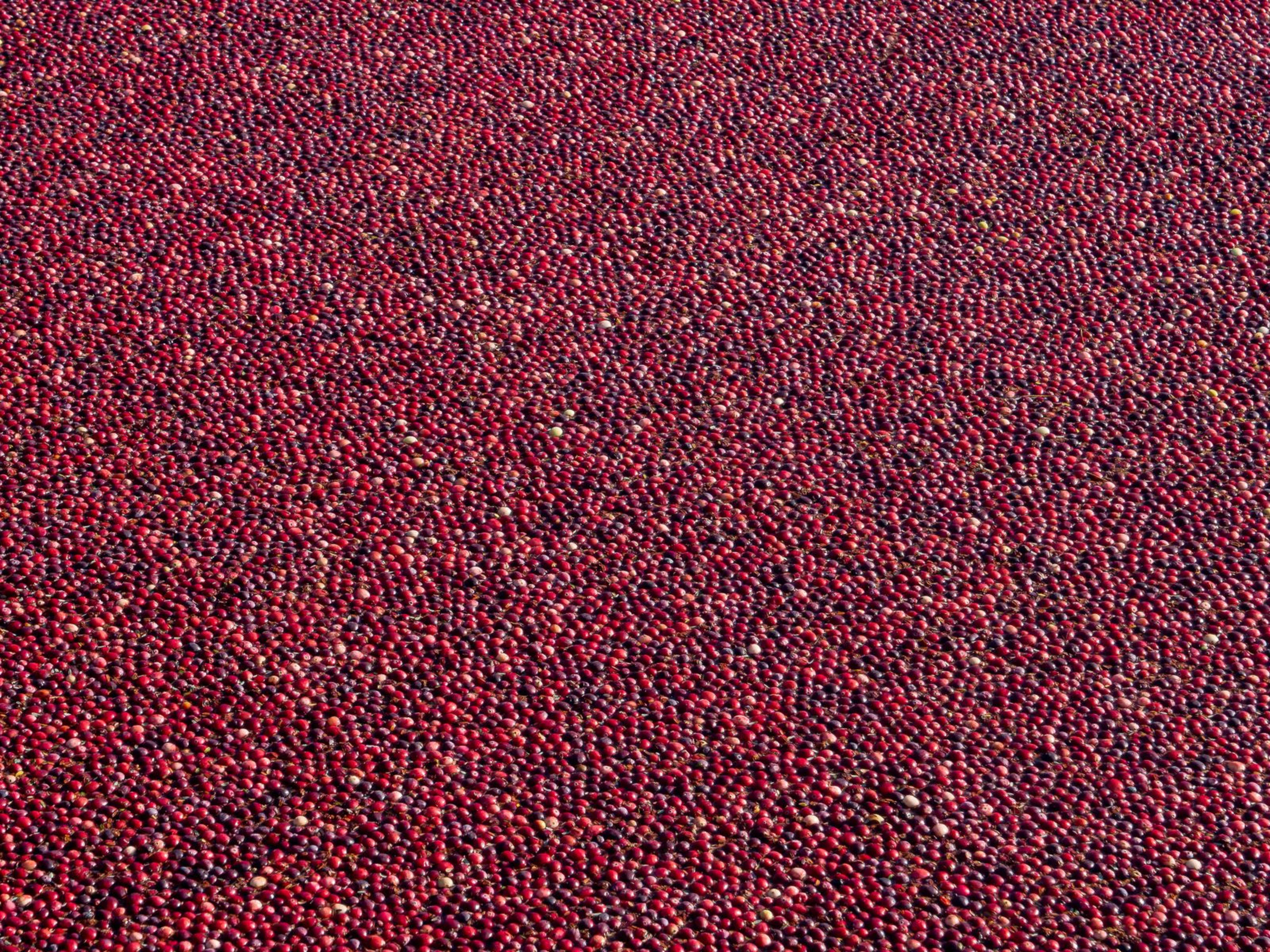
Wet harvesting is what you'll photograph. The farmer floods the bog — typically to about 18 inches of water — and runs a machine called a water reel, or "egg beater," through the submerged vines. The agitation loosens the berries from the plant, and because cranberries have small air pockets inside, they float. Within an hour or two, the entire bog surface is covered in a dense mat of floating red berries. Workers in waders called "bog runners" use long floating booms — essentially foam tubes — to corral the berries into one corner of the bog, where a pump or conveyor lifts them into waiting trucks.
The final image, just before pump-out: a perfectly solid mass of crimson berries packed wall to wall in one corner of the flooded bog, workers moving around the edges in low October light. Roughly 90 percent of the US cranberry crop is wet-harvested. The timing runs roughly late September through October, varying year to year based on when the berries hit the right Brix sugar level and color, and what the weather allows. A hard frost before harvest can damage the crop; a stretch of warm, dry October days is ideal.
Cape Cod Cranberry Bogs: Where to Find Them
Cape Cod's bogs are concentrated in a few specific areas. The geography matters: cranberries grow in acidic, sandy peat soil with reliable water access for irrigation, flooding, and frost protection. The glacial geology of the Cape — kettles, bogs, and outwash plains — makes it ideal country for this crop.
Harwich is long known as the cranberry capital of Cape Cod. The Route 124 corridor running north from Harwich center toward Brewster passes through some of the most active farming landscape on the Cape. In October, flooded bogs appear on both sides of the road — pull off on the shoulder, and you may watch harvest crews at work with no fence between you and the scene. The Harwich Heritage Museum on Parallel Street has exhibits on the town's cranberry farming history; confirm current hours and seasonal opening before you visit.
Sandwich has extensive bog acreage, particularly in the Forestdale area and along Quaker Meetinghouse Road. These bogs are largely visible from the road and represent some of the oldest continuously farmed cranberry land on the Cape. The Route 130 corridor through Forestdale rewards slow driving in October.
Barnstable and Marstons Mills — the Barnstable/Marstons Mills/Mashpee triangle contains active bogs tucked behind pine barrens, just off Route 149 and Service Road. These are less frequented by visitors and can feel genuinely off the beaten path even in peak fall.
Dennis has scattered bog acreage as well, though less concentrated than Harwich or Sandwich. The Route 134 and Old Bass River Road area sometimes yields views during harvest season.
Plymouth County — technically not Cape Cod, but the Plymouth-Carver region 30 minutes north of the Sagamore Bridge is Massachusetts' single largest cranberry-growing area and the most concentrated bog viewing in the state. If the Cape bogs are not yet flooding on a given visit, Plymouth is the backup plan. Organized bog tours operate here during October; confirm current permitted tour operators in the Plymouth-Carver area.
The Harwich Cranberry Festival
The Harwich Cranberry Festival is one of Cape Cod's most genuinely local fall events. Typically held in mid-to-late September at Brooks Park in Harwich center — confirm the current year's exact dates — it draws crowds that look nothing like the summer tourist demographic: local families, longtime Cape residents, couples who grew up here. The event includes craft vendors, a parade, entertainment on the main stage, and cranberry-themed food. Attending also puts you in direct contact with people who can tell you where the harvest is active that particular weekend.
Parking fills early on Saturday morning. Arriving Friday evening or Sunday gives you a more relaxed experience. The festival's timing — late September — puts it at the leading edge of harvest season, so the bogs may not be fully flooded yet, but the community atmosphere and local knowledge make it worth the trip regardless.
The Growing Calendar: What the Bogs Look Like Year-Round
Most visitors only think about Cape Cod cranberry bogs in October, but the bogs are worth watching across the full calendar.
Spring (April–May): The vines leaf out and the bogs turn vivid green. By late May, tiny pink blossoms appear — a low, carpet-like flowering that is overlooked but genuinely beautiful. Beekeepers bring hives to the bog edges for pollination.
Summer (June–August): The berries form and swell. The bogs run intensely green in June and July, beginning to turn pink by mid-August. By Labor Day the red is coming in fast.
Fall harvest (late September–October): The flood. The red carpet. This is when to visit for the images that define Cape Cod fall.
Winter: After harvest, many bogs are flooded again — not for harvest, but for frost protection. The thin layer of water freezes and insulates the vines from the most damaging cold. In a hard December or January, these winter-flooded bogs can ice over completely and look like small reflecting pools edged in pine. The low wooden stake fencing and wire borders are visible above the water or ice — a stark, geometric scene on a gray winter afternoon that most visitors never see.
Spring again: The water drains in March and April, and the cycle starts over.
Photography Notes for the Cranberry Harvest
The wet harvest rewards early arrival and patience. Morning light — low and golden in September and October — hits the red berries floating on dark water with a quality that is genuinely difficult to replicate at any other time of year. The red is intense, the reflections are clean, and the human activity — workers in waders, the movement of the booms — adds scale and life to what might otherwise be a static landscape shot.
A few practical notes for visiting Cape Cod cranberry bogs:
- Most bogs are privately owned farmland. Viewing from a public road is always appropriate; entering a bog property without permission is not. These are working farms with active equipment and a harvest underway.
- Some Harwich farms have welcomed roadside viewers informally for years. If you stop politely while a crew is actively working, you may be invited to step closer — but ask first.
- A telephoto lens (200mm or longer) is useful for compressing the scene when shooting from the road.
- Fog is common in late September mornings on the Cape. It burns off by mid-morning and leaves the air exceptionally clear. A fog-softened harvest bog is one of the rarer and more striking images Cape Cod fall offers.
- The berries float densest just before pump-out, when the booms have gathered them into one tight corner. That is the moment to frame.
Planning a fall trip around the harvest? Browse locally verified lodging, dining, and experiences at capecodcertified.com/directory — the Cape Cod directory built by people who actually live here.
The Bring-Along List
Cape Cod Certified picks — essentials worth packing for this trip:
- McCrea's Cape Cod Sea Salt Caramels (5.5 oz) — $28: Boston-made, individually wrapped caramels finished with flaky Cape Cod sea salt for that sweet-salty coastal bite. The grab-and-gift treat people rebuy every visit and every holiday.
- New England Cranberry Bog Honey (12 oz) — $13: Raw, unblended honey from bees pollinating Massachusetts cranberry bogs, jarred all-natural. A true taste-of-place gift that beats any boardwalk fudge.
- Cape Cod Select Cranberry Chutney Gift Set — $15: A two-jar set of small-batch whole-berry cranberry chutney from a Cape Cod grower, no additives or preservatives. The local-pantry gift that earns a spot on the holiday table.
Where to Take This Next
Get the best of Cape Cod — free.
Guides, hidden spots, and seasonal tips from people who actually live here.
Frequently asked questions
When does cranberry harvest happen on Cape Cod?
The harvest runs roughly late September through October, with exact timing varying year to year based on when the berries reach the right sugar level and color and what the weather allows. A stretch of warm, dry October days is ideal, while a hard frost before harvest can damage the crop.
Why do they flood cranberry bogs during harvest?
Farmers flood the bog and run a machine called a water reel through the submerged vines to loosen the berries, which float because they contain small air pockets inside. Workers in waders then use long foam booms to corral the floating mass into one corner, where it's pumped into waiting trucks.
Where can I see the cranberry harvest on Cape Cod?
Back roads around Harwich are a good place to look, with flooded bogs visible from public roads during the fall harvest. Other Cape towns with active bogs also have roadside views; timing depends on each grower and the weather.
Can you go onto a cranberry bog during harvest?
Most Cape cranberry bogs are privately owned working farmland, so don't enter without permission, but viewing from a public road is fine.
When is the Harwich Cranberry Festival?
The festival is typically held in mid-to-late September at Brooks Park in Harwich center — confirm the current year's exact dates before your visit. It draws a largely local crowd and includes craft vendors, a parade, and cranberry-themed food; arriving Friday evening or Sunday avoids the Saturday morning parking crunch.