Charter prices, trip lengths and what's included vary by captain and season. Confirm them directly with the captain when you book.
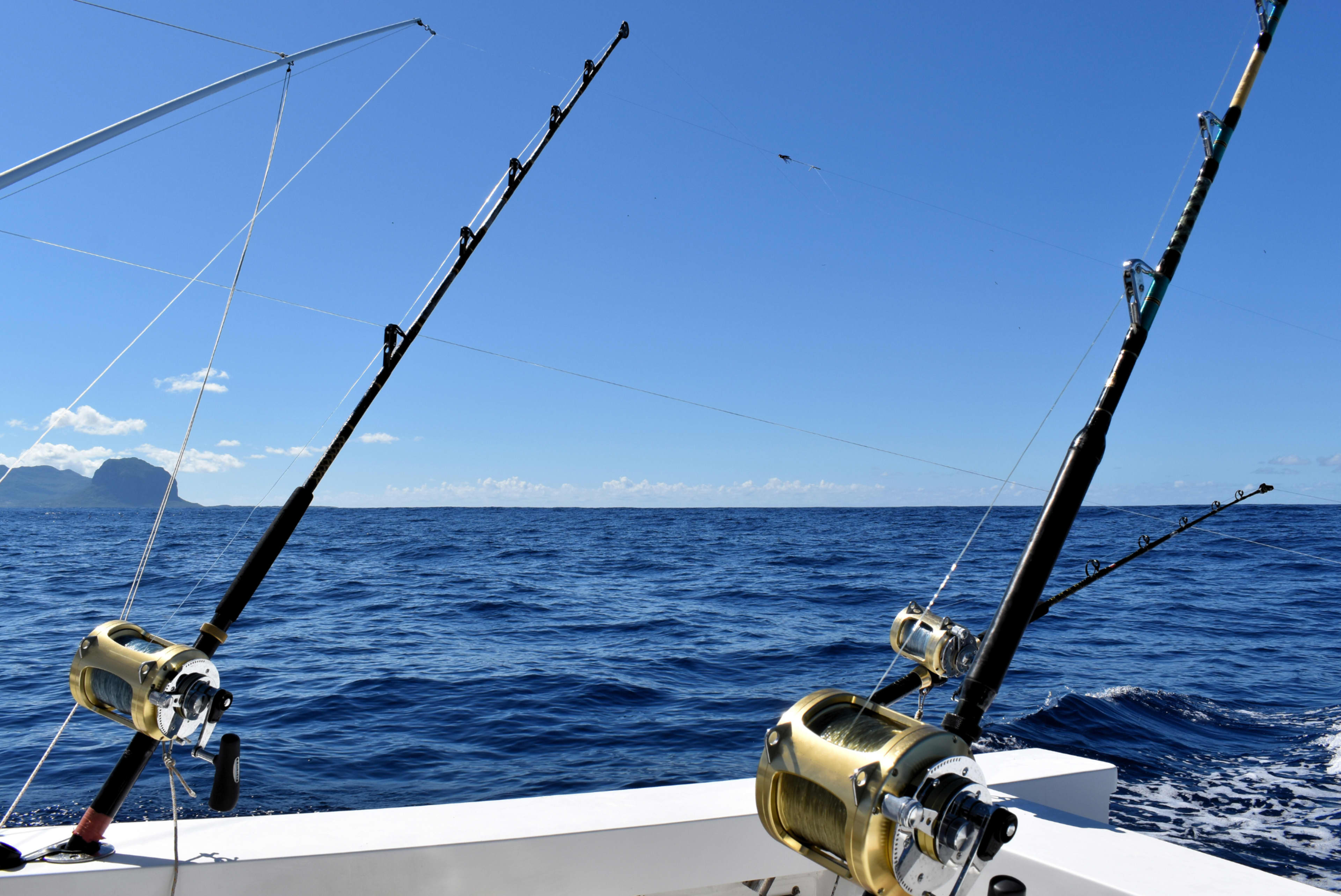
Cape Cod fishing charters put you within reach of some of the most sought-after species on the East Coast — striped bass along the outer beaches, bluefin tuna on offshore grounds, fluke stacked on sandy bottom in Nantucket Sound, and bluefish willing to hit anything you throw at them. The Cape's geography does a lot of the work: the convergence of cold North Atlantic water and warmer Gulf Stream influence, the seal colonies at Monomoy, the bait-rich depths of Cape Cod Bay, and the deep-water access off Provincetown create a fishery that draws serious anglers from across the Northeast every summer. This guide organizes the options by species, departure port, and charter type so you book the right trip for what you actually want to catch.
What You're Targeting: Cape Cod's Big Four Sport Fish
Striped Bass
Stripers are the signature fish of Cape Cod, and the season runs from April through November with twin peaks — late June into July, and again in September and October when larger fish push through on their fall migration. The best inshore bass habitat on the Cape is the Monomoy Island complex south of Chatham, where shoals, rips, and concentrated bait hold fish all summer long. The Cape Cod Canal (Bourne) is the other magnet: the ripping current forces bait through a narrow channel and bass stack up to ambush it. Private charters targeting stripers typically work live eels, large soft plastics like Hogy harness rigs, and surface plugs on dawn and dusk tides. Massachusetts recreational anglers may keep one striped bass per day within a 28-inch to less-than-31-inch slot (mass.gov recreational saltwater fishing regulations, checked October 2026); confirm the current rule before your trip, and catch-and-release practices are increasingly common given ongoing stock pressure.
Bluefin Tuna
If striped bass is the Cape's everyday thrill, bluefin tuna is the bucket-list species. Smaller school bluefin move into Cape Cod Bay in summer and fall, while the giants require a long run offshore. Provincetown and Chatham are the primary departure points for tuna charters, and the days are long: expect 6 a.m. departures and all-day offshore runs for canyon trips. Offshore tuna trips are among the most expensive charters on the Cape; get current per-person and private-boat pricing from the captain. A bluefin hookup is never guaranteed — these fish are unpredictable — but when they're biting in the Bay on a clear July morning, the action can be extraordinary.
Fluke (Summer Flounder)
Fluke are the Cape's most approachable light-tackle quarry: bottom-fished with bucktails and Gulp baits, they hold on sandy bottom in Nantucket Sound and the shallower portions of Cape Cod Bay from July through September. Departures from Hyannis and Barnstable Harbor work well for fluke. The Massachusetts recreational minimum size for fluke is 17.5 inches from a boat and 16.5 inches from shore, with a May 24 to September 23 season (mass.gov, checked October 2026); confirm the current rule before your trip. Fluke make excellent table fare — the reason many family-oriented charters specifically target them for clients who care more about the cooler than the fight.
Bluefish
Bluefish are the underappreciated workhorses of the Cape Cod charter fishery. Aggressive, explosive on topwater presentations, and available in large numbers from June through October when schools push in from offshore, blues will fill a dead day when stripers won't cooperate. They're genuine fun on spinning tackle, and larger bluefish are legitimately good eating when bled immediately and put on ice. Many captains pursue a mixed-bag approach — bass and blues on the same tide — giving clients the best shot at action even on difficult days.
Charter Types: Which Trip Is Right for You
Private Charter — You book the entire boat for up to six anglers. The captain goes where you want, targets what you want, and adjusts tactics in real time based on conditions. This is the most productive option for serious anglers or families who want a personalized experience. It's the most expensive option, but the cost is split across your group; get current half-day and full-day pricing from the captain.
Party / Head Boat — Pay per person and share the boat with other anglers you've never met. Much cheaper per person, but targeting is general and the experience is less intimate. Head boats work well for first-timers, solo anglers, or groups where fishing is one fun activity rather than the whole point of the trip.
Guided Shore and Wade Trip — A guide walks you along the Cape Cod Canal service road, Nauset Beach, or other accessible striper habitat. You fish from land but with expert guidance on reading current, choosing lures, and timing the tides. Confirm current pricing with the guide. These trips are popular with anglers who want the coaching without the commitment of a full charter.
Where to Depart From on Cape Cod
Cape Cod Canal — Bourne The Canal's public service roads on both the mainland and Cape sides give shore anglers access without a boat or charter. Locals fish it with eels and large plugs on the tidal rips throughout the April-through-November season. For guided shore trips focused on Canal bass, a handful of local guides specialize in walking clients through the tides and techniques — confirm current operators working the Canal. No boat is required, but shore anglers 16 and older need a Massachusetts recreational saltwater fishing permit (mass.gov).
Hyannis / Barnstable Harbor The most centrally located departure hub on the Cape, with multiple charter operations running out of Hyannis Harbor. This is the natural starting point for Nantucket Sound fluke trips and mixed-bag bass charters covering the sound's near-shore structure. Some operators also run tuna trips from Hyannis, though the run to productive bluefin water is longer than from Provincetown or Chatham.
Chatham Chatham is the gateway to Monomoy, some of the Cape's best-known inshore striper and bluefish water. The shoals, rips and inlet structure south of town hold fish through the season, and Chatham-based captains know these waters intimately. Several charter operators specialize in the Monomoy complex — confirm current operators and availability before booking. Chatham also offers offshore access to bluefin grounds through the Chatham inlet.
Provincetown — MacMillan Pier MacMillan Pier is the hub for bluefin tuna and shark charters at the tip of the Outer Cape. The proximity to Stellwagen Bank and deep offshore water makes Provincetown a natural departure point for offshore fishing. Multiple charter operators work out of the pier — confirm current operators and vessels before booking. The same harbor also supports whale watch boats — worth noting when scheduling around pier traffic in peak July and August.
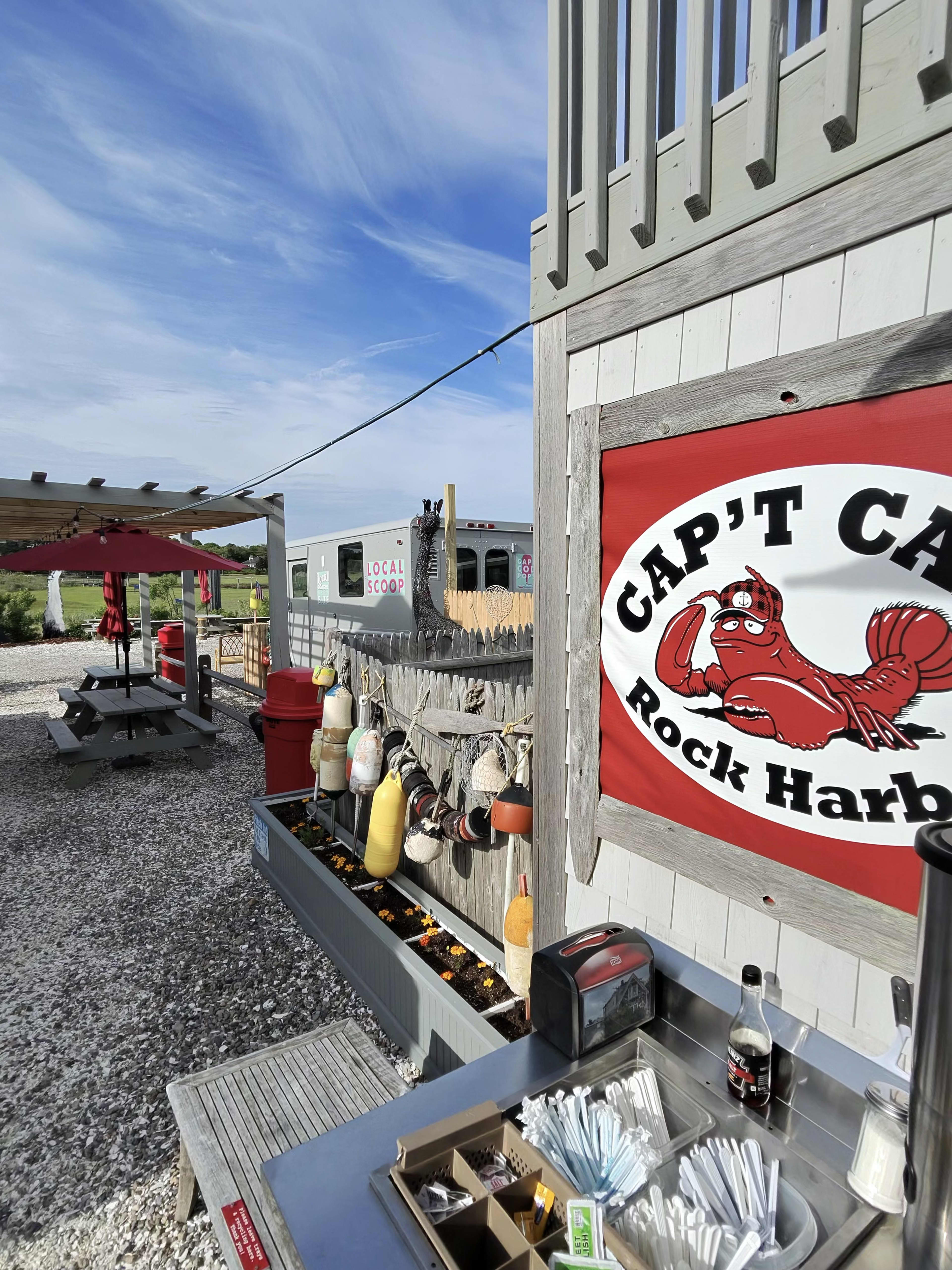
Orleans — Rock Harbor Rock Harbor is one of the most atmospheric departure points on the Cape: a west-facing tidal harbor with a long pier and sweeping Bay views that make the drive out here worthwhile even if you're not fishing. Orleans-based charters work Cape Cod Bay for striped bass and bluefish, with evening departures offering both productive fishing on the falling tide and some of the best sunset light on the Cape. Rock Harbor has supported charter operations for generations — confirm current operators before booking.
Practical Information Before You Book
Massachusetts Saltwater Fishing Registration: Required for anglers age 16 and older, but anglers fishing aboard a permitted for-hire vessel (charter or party boat) are exempt (mass.gov). If you fish from shore or a private boat on the same trip, you need your own permit; confirm current fees and requirements at mass.gov.
What to Bring: Polarized sunglasses (they help you spot fish and protect your eyes from hooks), genuine sunscreen (offshore sun is intense), a hat with a brim, layers for early-morning departures (it can be genuinely cold on the water at 5:30 a.m. even in July), and snacks and water. Confirm with your captain whether drinks are allowed aboard.
Dramamine: Bring it for any offshore trip. Even experienced anglers can get badly queasy in an offshore chop, and a bluefin day ruined by seasickness is an expensive misery. Take it the night before and the morning of.
Catch Handling: Most captains will clean and bag your catch at the end of the day. Confirm when booking. For bluefin tuna, ask explicitly about the catch protocol — some trips are catch-and-release, others allow you to keep the fish or apply it toward sale; regulations vary by the vessel's permit class confirm current MA and NOAA bluefin regulations.
Booking Timeline: Book private charters well ahead for peak summer dates. Weekday trips offer more flexibility than weekends. Always ask about the cancellation and reschedule policy before paying — sea conditions can force last-minute rescheduling, and a reputable captain will work with you.
Beaches & trails in this guide
Find verified Cape Cod fishing charter operators, inshore guides, and outdoor experiences at capecodcertified.com/directory. Every listing is reviewed and certified — no guesswork about who's actually on the water and worth your time.
Turn This Into a Plan
- Our Provincetown directory — every business visited in person →
- Our Chatham directory →
- Our Hyannis (Barnstable's hub) directory →
- Bookable Cape Cod experiences →
Fishing regulations in this guide were checked against mass.gov on October 1, 2026. Regulations and charter prices change; confirm before your trip.
Get the best of Cape Cod — free.
Guides, hidden spots, and seasonal tips from people who actually live here.
Frequently asked questions
What's the best time of year to fish for striped bass on Cape Cod?
Striped bass are in Cape waters from spring through fall, with strong fishing in early summer and again in the fall migration, when larger fish push through. Monomoy off Chatham and the Cape Cod Canal are well-known inshore spots.
Do I need a fishing license to go on a charter?
Yes, unless you're fishing aboard a permitted for-hire boat. Massachusetts exempts anglers on permitted charter and party boats from needing their own saltwater permit. Confirm with your captain and check mass.gov for current rules.
What's the difference between a private charter and a party boat?
A private charter books the entire boat for your group so the captain can focus entirely on your targets and adjust tactics in real time. A party boat lets you pay per person and share with strangers — a more affordable option, but targeting is general and the experience is less personalized.
Which Cape Cod port is best for bluefin tuna charters?
Provincetown's MacMillan Pier is a top offshore departure point because of its proximity to Stellwagen Bank and deep water. Chatham also offers offshore bluefin access through its inlet; the run from Hyannis to productive tuna grounds is longer than from either.
What should I bring on a fishing charter?
Pack polarized sunglasses, sunscreen, a brimmed hat, and layers — early-morning departures can be genuinely cold on the water even in midsummer. For any offshore trip, take Dramamine the night before and the morning of, and confirm with your captain whether snacks and drinks are allowed aboard.