Cape Cod has never been a chain-hotel kind of place. The Outer Cape's two-lane roads, the shingled cottages tucked behind rose hedges, the hand-painted signs for weekly rentals — none of it invites a Hampton Inn. What the Cape invites is character. And over the last decade, a confluence of forces has made that character easier to find, book, and sleep inside than at any point in the peninsula's history.
The rise of Airbnb and VRBO transformed the available inventory overnight. Historic sea captains' houses that families had held onto for generations suddenly became viable rentals. Converted boathouses, artist studios, one-room guest cottages perched at the edge of a salt marsh — properties that never had a marketing budget now had a global audience. The result: glamping and unique stays on Cape Cod have gone from a niche to a genuine travel category, and travelers who want character over cookie-cutter have more options here than almost anywhere in New England.
This guide is your field map to the best of them.
Why Cape Cod Is Built for Unique Accommodations
The housing stock tells the story. Cape Cod was settled by English colonists in the 1600s and built out substantially during the 18th and 19th centuries, when the whale-oil and saltworks trades made certain towns very wealthy very quickly. That wealth produced Federal-style and Greek Revival captain's homes in places like Falmouth and Brewster — grand enough to justify a carriage house, a widow's walk, and a front parlor with fourteen-foot ceilings — that have now been operating as inns and B&Bs for decades.
Alongside the grand homes, the working-class Cape produced an entirely different architectural tradition: the modest Cape Cod cottage, one-and-a-half stories, center chimney, symmetrical windows. These proliferated as cottage colonies starting in the early 20th century, when the railroad made summer tourism possible for middle-class families from Boston and Providence. Many of those colonies are still operating today, essentially unchanged.
Neither the captain's houses nor the cottage colonies look like anything you'll find on a booking platform anywhere else. That's the point.
Types of Unique Stays on Cape Cod
Glamping at Nickerson State Park (Brewster)
Nickerson State Park in Brewster is one of the crown jewels of the Massachusetts state park system — 1,900 acres on the Lower Cape, eight kettle ponds formed by retreating glaciers, and more than 400 campsites threading through pitch pine and scrub oak forest. The campground is traditional: tent sites, lean-to sites, RV hookups. There are no resort-style glamping tents with four-poster beds and private decks. What Nickerson offers is something better suited to the Cape: a genuine outdoor experience within a ten-minute bike ride of the Cape Cod Rail Trail and a short walk from Cliff Pond, where the water is clear enough to see the sandy bottom in twelve feet of water.
The glamping-adjacent move at Nickerson is to rent a canvas tent or outfitted shelter through one of the private outfitters who set up seasonal equipment at Massachusetts campgrounds, or to pair a campsite reservation with a rental kayak or paddleboard from one of the vendors who operate at the park's boat launches. Sunrise over Flax Pond — on the eastern, Atlantic-facing side of the Cape — is worth the morning chill.
Cottage Colonies: A Cape Cod Original
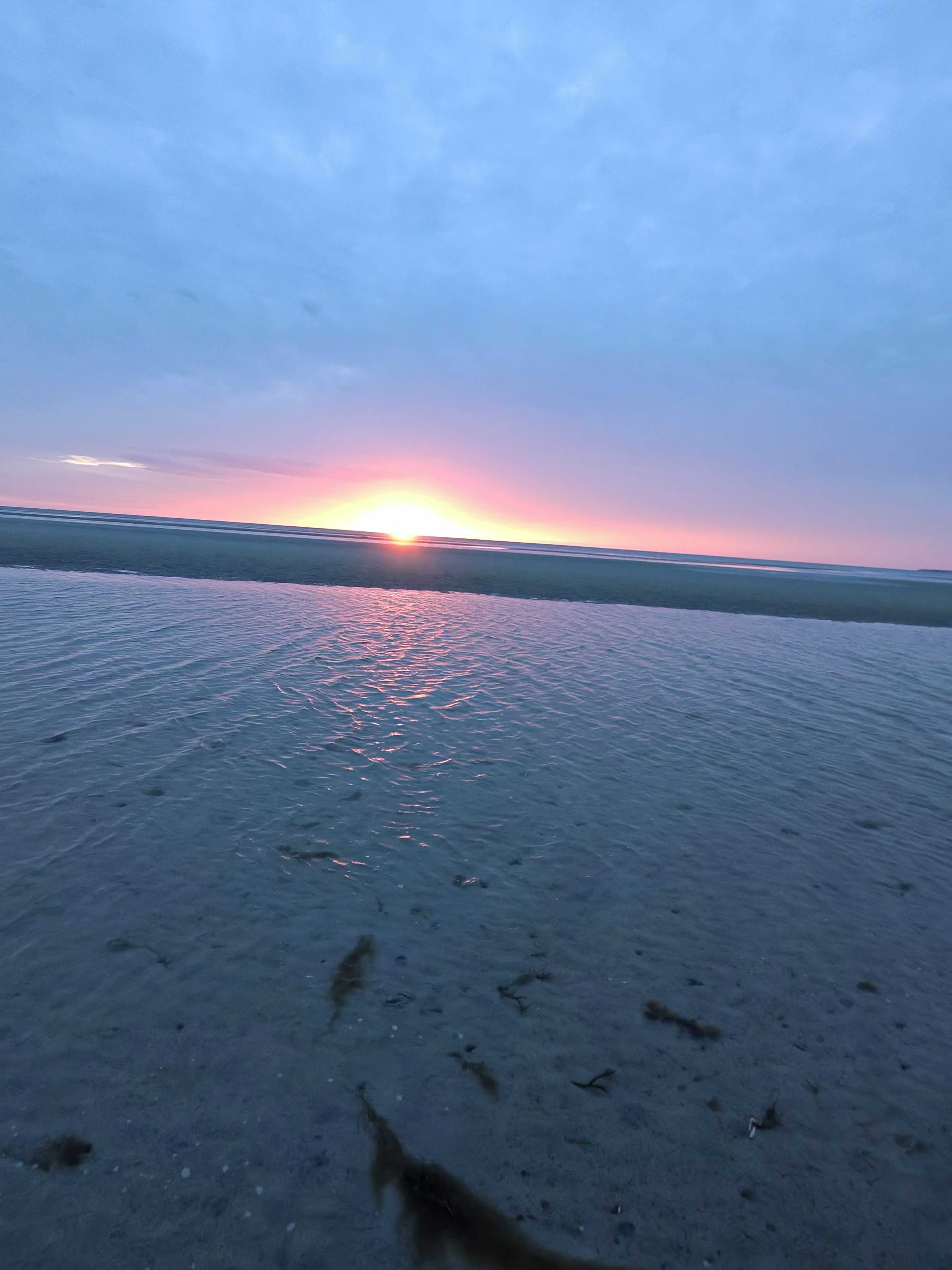
If there is one accommodation type that is genuinely indigenous to Cape Cod, it is the cottage colony. The format is simple: a cluster of small, individually named cottages (sometimes six, sometimes twenty) arranged around a central common area, often a lawn with lawn chairs and a charcoal grill. Many colonies are positioned on the Bay side — the western shore facing Cape Cod Bay — where the water is calm, the tides are dramatic, and the sunsets are legendary. Families rent a cottage for a full week (Saturday to Saturday in summer; availability by the day in shoulder season) and return to the same cottage year after year for decades.
What makes a cottage colony worth booking: direct beach access or a very short walk, a shared dock or mooring field, and that specific feeling of being embedded in a small temporary community of like-minded vacationers. The cottages themselves are typically modest — bedroom counts range from one to four, kitchens are functional rather than gourmet — but the setting and the ritual are irreplaceable.
Look for cottage colonies in Wellfleet and Eastham along the Bay shore, where the tidal flats at low tide expose hundreds of yards of warm, walkable sand. Some of these properties have been in continuous family operation since the 1940s and 1950s, which is both their charm and their limitation: expect vintage fixtures and a wait list of regulars who book before the property ever goes public.
Historic Sea Captain's Houses and Inn Stays
The captain's house aesthetic is distinct and unmistakable: wide plank pine floors that have settled into gentle waves over two centuries, exposed ceiling beams, fireplaces in the parlors, widow's walks accessible by a steep interior stair. Falmouth, on the Upper Cape, has a concentration of Federal and Greek Revival captain's homes along its village green and along the roads leading toward Falmouth Harbor — several operate as licensed inns and B&Bs.
When booking a captain's house inn, look for: a host who lives on-site or nearby (the best inn experiences on Cape Cod are personal), proximity to a town center for evening dining, and explicit confirmation about air conditioning. Historic buildings and central AC are sometimes incompatible, and Cape Cod summers have gotten genuinely hot — July and August temperatures regularly reach the high 80s and occasionally push 90°F. A room with good cross-ventilation and a ceiling fan is workable; a room without either is not.
Converted Outbuildings, Boathouses, and Airstream Trailers
The Outer Cape's coastal geography produced a lot of structures that were built for boats and now sleep people. Converted boathouses along tidal creeks in Wellfleet and Truro appear on Airbnb with some regularity — typically one room, spectacular water views, very limited parking. These are high-demand listings that disappear fast.
The same applies to artist studios (Wellfleet and Truro have had working artist communities for over a century) converted to short-term rentals, and to the occasional Airstream trailer or yurt set up on a private property with a seasonal permit. These listings trend toward the dramatic on the outside and the minimal on the inside — plan accordingly on luggage and expectations around storage.
Treehouses are rarer on Cape Cod than in forested inland destinations; the pitch pine ecosystem of the Outer Cape doesn't produce large canopy trees. When a treehouse listing does appear, it tends to be more of a raised platform structure than a true high-canopy treehouse. Read the photos carefully.
What Glamping Is NOT on Cape Cod
Cape Cod is not Montana. There are no major glamping resorts with luxury canvas safari tents, private hot tubs, and a chef's breakfast delivered at 8am. The glamping experience here is more DIY, more charming, and more New England — which means you will encounter rustic plumbing, sand on the floors, and the genuine pleasure of falling asleep to the sound of wind through the pines or water lapping against a dock piling.
If you arrive expecting the Collective Retreats model, you will be disappointed. If you arrive expecting something you cannot replicate anywhere else, Cape Cod will exceed your expectations.
The Captain's House Aesthetic: What to Look for When Booking
Whether you're browsing Airbnb, VRBO, or a local property manager's website, certain signals identify a genuinely historic Cape Cod property versus a recently renovated house with some nautical decor:
- Wide plank floors (12 inches or wider, not engineered hardwood)
- Low ceilings in upstairs rooms (original Cape Cod cottages have a steeply pitched roof that cuts headroom in the upper half-story)
- Built-in shelving and cabinetry (often original to the structure, painted many times over)
- Ship-captain memorabilia — not as kitsch but as family history: navigational charts, sextants, log books framed on the wall
- A center chimney serving multiple rooms — the structural heart of the original Cape Cod house form
Practical Booking Tips
Book early — very early. The best unique properties on Cape Cod for peak summer (late June through Labor Day) are fully reserved by January. February is not too soon. If you are targeting a cottage colony that does not list on Airbnb, call the property directly in late fall or early winter. Many colonies fill entirely through returning families who re-book before they leave each August.
Prioritize beach proximity over square footage. A small cottage five minutes from the Bay shore is a better Cape Cod experience than a large house a mile inland. The whole point is access.
Confirm AC and parking before booking. Off-street parking matters enormously in cottage colony settings and in Provincetown/Wellfleet where street parking is restricted. AC availability, as noted, is not universal in historic properties — it is worth a direct message to the host to confirm.
Read the cancellation policy carefully. Weekly cottage rentals often carry strict no-refund policies for cancellations within 30 to 60 days of arrival. Trip insurance is worth purchasing for summer week bookings.
Best Towns for Unique Stays
| Town | Best For |
|---|---|
| Brewster | Nickerson State Park camping, cottage colonies, Rail Trail proximity |
| Wellfleet | Bay-side cottage colonies, artist studio rentals, National Seashore access |
| Truro | Extreme quiet, converted outbuildings, artist retreats, Outer Cape seclusion |
| Eastham | Family cottage colonies, National Seashore day trips, First Encounter Beach sunsets |
| Falmouth | Historic captain's house inns, Upper Cape charm, ferry access to Martha's Vineyard |
Make It a Day, the Certified Way
Get the best of Cape Cod — free.
Guides, hidden spots, and seasonal tips from people who actually live here.
Frequently asked questions
What is a cottage colony?
A cottage colony is a cluster of small, individually named cottages arranged around a central common area — typically a lawn with chairs and a charcoal grill. Many sit on the Bay side of Cape Cod, where tides are dramatic and sunsets are legendary. Families often return to the same cottage year after year for decades.
How early do I need to book a unique Cape Cod rental for summer?
The best unique properties fill up by January for peak summer, and February is not too soon. Cottage colonies that don't list on Airbnb often fill entirely through returning families who re-book before leaving each August — calling the property directly in late fall or early winter is the recommended approach.
Does Cape Cod have luxury glamping resorts?
No — Cape Cod does not have resort-style glamping operations with luxury canvas tents, private hot tubs, and delivered breakfasts. The unique-stay experience here is more rustic and New England in character: converted boathouses, outfitted campsites, and historic cottages where the charm is the setting, not the amenities.
What should I check before booking a historic Cape Cod inn?
Confirm air conditioning directly with the host, since historic buildings and central AC are sometimes incompatible, and Cape Cod summers can get genuinely hot. Also look for a host who lives on-site or nearby, proximity to a town center for evening dining, and a careful read of the cancellation policy.
What glamping options are available at Nickerson State Park?
Nickerson State Park in Brewster is a traditional campground with tent sites, lean-to sites, and RV hookups — there are no resort-style glamping tents on-site. A glamping-adjacent option is renting outfitted shelters through private outfitters, or pairing a campsite reservation with kayak or paddleboard rentals from vendors at the park's boat launches.