Cape Cod's hooked arm juts into the Atlantic with enough navigational hazard — shifting sandbars, dense seasonal fogs, and storms that have sent hundreds of ships to the bottom — to have warranted more lighthouses per mile of coastline than almost anywhere else in New England. Six major lights remain standing today, each with its own character, history, and access challenge. Visiting all six in a single trip is entirely doable and makes for one of the most photogenic drives on the East Coast.
Cape Cod has more than 20 lighthouses, counting private and offshore lights (lighthousefriends/ibiblio list). This guide covers six of the best-known ones you can actually get to: where they stand, how to reach them, the best conditions for photography, and practical notes on parking, fees, and seasonal climbing access.
6 Cape Cod Lighthouses at a Glance
| Lighthouse | Town | Access | Tower Climb |
|---|---|---|---|
| Chatham Light | Chatham | Drive-to, free parking | Lighthouse Days only |
| Nauset Light | Eastham | Drive-to, small lot | Seasonal (fee) |
| Highland Light | Truro | Drive-to, paid lot | Seasonal (fee) |
| Race Point Light | Provincetown | Walk ~1.5 mi or boat | No (exterior only) |
| Long Point Light | Provincetown | Walk breakwater or ferry | No (exterior only) |
| Stage Harbor Light | Chatham | View from shore only | No (private) |
1. Chatham Light — Chatham
About the Lighthouse
Chatham Light is the lighthouse most visitors picture when they think of Cape Cod: a white tower on a bluff above the Atlantic, with a keeper's quarters alongside and an overlook that draws crowds every morning. What many visitors don't know is that this was once a twin-light station — two towers standing side by side on the same bluff. The second tower was disassembled and relocated to Eastham in 1923, where it became Nauset Light, linking the two sites by blood as well as geography.
The current 48-foot cast-iron tower dates to 1877. Below the bluff, you're looking directly at the Chatham Break — the inlet that cut through Nauset Beach during a fierce January 1987 storm, permanently reshaping the outer coastline. Gray seals haul out on the outer bars visible from the overlook almost every morning; on calm days you can watch them from the railing with binoculars. This is the Atlantic side of the Cape: the tower faces east, and arriving at sunrise rewards you with warm light across the white tower and gold reflections on the water below.
Visitor Notes
Parking is free along Shore Road and in a small lot adjacent to the grounds. The exterior and overlook are open year-round. Chatham Light also anchors the annual Cape Cod Lighthouse Days event (typically held in August), when extended interior access and tower climbs are offered — one of the few times this Coast Guard-staffed tower opens fully to the public.
2. Nauset Light — Eastham
About the Lighthouse
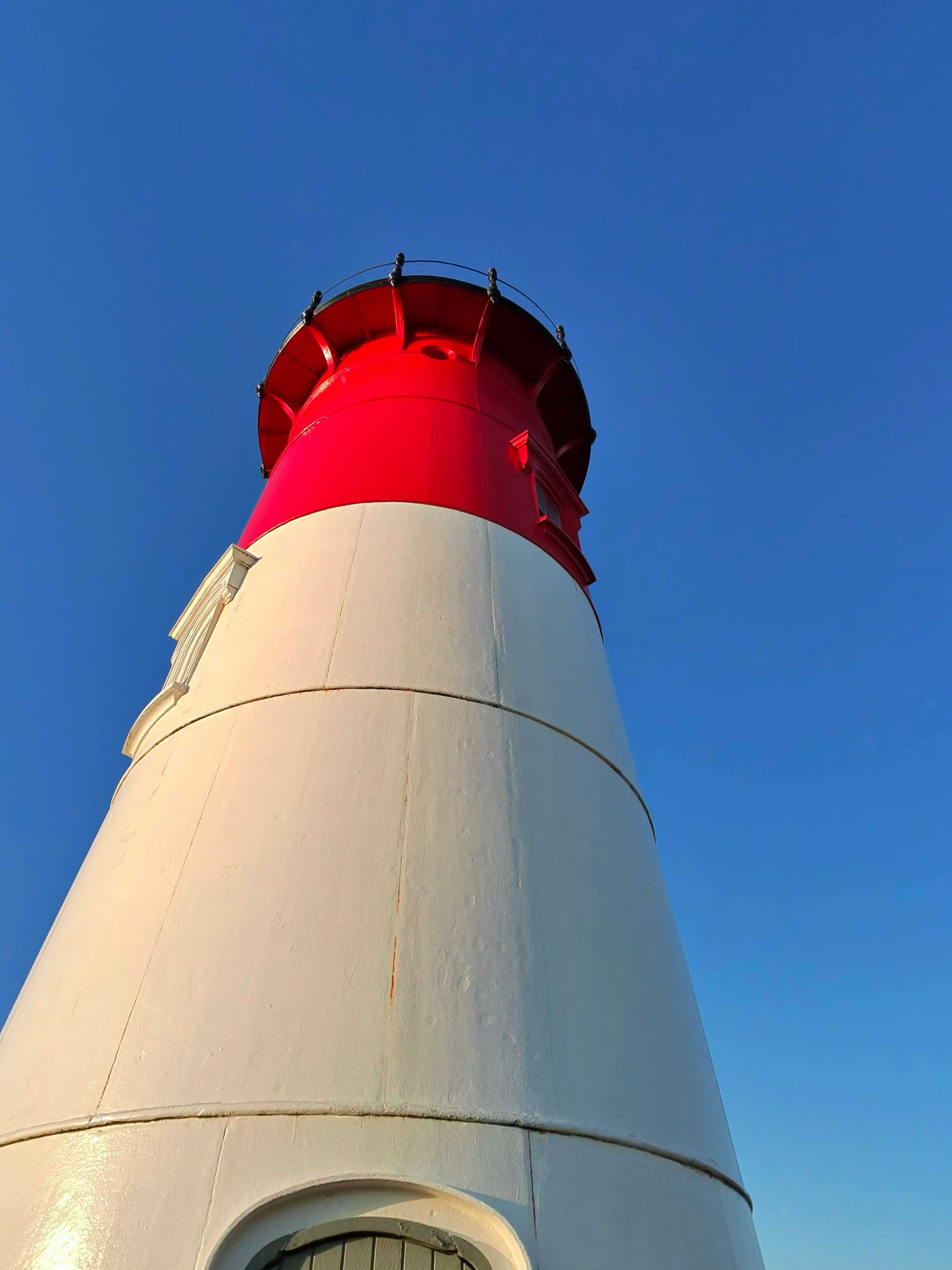
Nauset Light may be the most recognized lighthouse in America that people can't immediately name. That red-and-white striped tower has appeared on Pepperidge Farm Goldfish cracker bags for decades, introduced to generations of American children before they ever set foot on the Cape. The lighthouse stands at the edge of the Nauset Highlands in Eastham, with Cape Cod National Seashore stretching away along the Atlantic bluff in both directions.
The tower itself was the second Chatham tower before being moved north in 1923 to replace the aging "Three Sisters" station. Those three sisters — three identical small brick lighthouses built in 1838 and moved progressively inland as the bluff eroded — now stand in a clearing off Cable Road near the Nauset Light parking area, maintained by the National Park Service. A short, easy loop trail connects the parking lot to the sisters and the main lighthouse, making this the most family-friendly lighthouse stop on the Outer Cape.
Visitor Notes
The grounds are free and open year-round. The lighthouse opens for climbs on select weekends from May through November (fee applies). The parking area on Nauset Light Beach Road is small and fills fast in summer — aim for before 9am or after 4pm. The tower faces the Atlantic; morning light is best.
3. Highland Light (Cape Cod Light) — Truro
About the Lighthouse
Highland Light — officially called Cape Cod Light — is the oldest and tallest lighthouse on the peninsula. The current brick tower, built in 1857, stands 66 feet above a Truro bluff that was, for much of the 20th century, alarmingly close to the eroding cliff edge. By 1996, the tower sat just 100 feet from a 125-foot drop into the sea. In one of the most ambitious lighthouse relocations in U.S. history, the entire 430-ton structure was moved 450 feet inland on a rail system over about three weeks, buying it another century of life.
Today the lighthouse stands in an open meadow at the edge of the Highland Golf Links, an 18-hole public links course that is also one of the oldest golf courses in the country. The combination — lighthouse, links, and open Atlantic horizon — gives this location a genuinely remote, windswept quality even though it's reached by paved road. From the top of the tower on a clear day, Provincetown is visible to the north and Wellfleet Bay to the south.
Visitor Notes
Climbs are offered seasonally from late May through October (fee applies, typically around $5 for adults). Grounds are free and open year-round. Parking is in a paid lot off Highland Road in Truro; the National Seashore pass covers the fee. This is an Atlantic-facing, east-facing site — sunrise and morning visits offer the best photographic light.
4. Race Point Light — Provincetown
About the Lighthouse
Race Point Light is the most remote lighthouse on Cape Cod and among the most dramatic on the entire East Coast. It stands at the very tip of the Outer Cape, where the Atlantic drives hard against a crescent of beach that has wrecked ships for centuries — the name comes from the fierce tidal races that ships had to navigate to round the point. The 45-foot cast-iron tower, built in 1876, replaced an earlier 1816 structure, and the low height is deliberate: the surrounding beach and sky, not the tower, supply the drama.
There is no road to Race Point Light. You reach it by walking approximately 1.5 miles along the beach from the Race Point Beach parking area, or by boat (seasonal lighthouse cruises from Provincetown Harbor pass close by). The beach walk is along soft sand and requires sturdy footwear; allow 45 minutes each way. The lighthouse is maintained by the American Lighthouse Foundation, which also offers overnight stays in the restored keeper's quarters — a bucket-list experience that books out months in advance.
Visitor Notes
No tower climb is available for day visitors. Parking at Race Point Beach carries the National Seashore day fee ($25 per vehicle, per day in season, or covered by an America the Beautiful annual pass — nps.gov/caco). Walk in the morning: the tower faces roughly northeast, and early light is flattering. In winter, the beach walk is open and wild with no fee.
5. Long Point Light — Provincetown
About the Lighthouse
Long Point Light guards the absolute tip of Cape Cod's curling arm, out at the end of the narrow sandspit that cradles Provincetown Harbor. Unlike every other major Cape Cod lighthouse, Long Point stands on the Cape Cod Bay side — the west side of the peninsula. That means it catches afternoon sun and faces sunset, and the view back toward Provincetown from its base — the whole town across the water, Pilgrim Monument rising at the center — is one of the most satisfying photographs you can make on the Cape.
The green-capped white tower has marked this harbor entrance since 1827 (current structure 1875). Two routes reach it: walk the Long Point Trail along the stone breakwater from the West End of Provincetown — roughly 1.5 miles each way, allow 45 minutes and watch your footing on wet rocks — or take the seasonal Long Point water shuttle from MacMillan Pier, a ten-minute ride that drops you at the beach near the tower.
Visitor Notes
The grounds are free; no tower climb is available. The water shuttle runs from late June through Labor Day (check Provincetown's website for current schedules and fares). The breakwater walk is accessible year-round and is a popular winter outing even when the shuttle isn't running. Come in the afternoon for the best light and stay for sunset over the bay.
6. Stage Harbor Light — Chatham
About the Lighthouse
Stage Harbor Light is the quiet one. Built in 1880 to mark the entrance to Stage Harbor on Chatham's southern shore, it was deactivated in 1933 and eventually sold into private hands. The wooden tower and attached keeper's cottage are now a private residence, not open to the public.
That said, the lighthouse is visible from Stage Harbor and from the area near the Bridge Street causeway, and it appears in the background of countless photographs taken from boats in the harbor. Kayakers and paddleboarders often get the best angles on calm mornings. It's worth a slow drive through Chatham's quieter south side to see it from the water's edge — particularly photogenic at sunrise, when the east-facing water catches color.
Best Lighthouse Photo Spots
- Chatham Light at sunrise: The overlook bluff faces the Atlantic; arrive early for gold light on the white tower with seal-studded bars below.
- Nauset Light: The clearing near the Three Sisters frames the tower with scrub pine and open sky — shoot from the east-side trail.
- Highland Light in mid-morning: The open meadow approach lets you work the tower against a wide Atlantic horizon with no obstructions.
- Long Point at sunset: Shoot from the breakwater with Provincetown glowing across the bay, or from MacMillan Pier with the lighthouse on the horizon as the sun drops over the bay.
- Race Point: Low tide exposes the most sand; the isolation means clean compositions with no competing structures.
Planning Your Lighthouse Tour
The full Cape Cod lighthouse circuit works naturally as a two-day itinerary. Day one (Lower Cape): Stage Harbor Light and Chatham Light in Chatham, then north to Nauset Light in Eastham. Day two (Outer Cape): Highland Light in Truro in the morning, then Race Point Light beach walk and Long Point Light by afternoon ferry in Provincetown.
If you're based in Sandwich or Dennis, the Outer Cape lights are roughly a 60-mile drive on Route 6 — budget a full day rather than a half-day. Lighthouse Days (annually in August) is the best opportunity for families to access tower interiors that are normally exterior-only; check the Cape Cod Lighthouse Foundation website for dates each season.
Beaches & trails in this guide
Pack Smart for This One
Cape Cod Certified picks — essentials worth packing for this trip:
- Cape Cod Wide Coastal Photography Book — $29: Wide-angle views of Cape harbors, lighthouses, and sunsets in a handsome hardcover. A timeless keepsake for anyone who left a piece of their heart on the Cape.
- Melissa & Doug Water Wow! Reusable Pads 3-Pack — $19: Mess-free, water-reveal activity pads that dry and reset endlessly, with a refillable chunky pen tucked inside the cover. The rainy-Cape-day and restaurant-wait hero, no screens required.
- Pre-Filled Coastal Welcome Bag Favors (10) — $60: Ten ready-made favor bags with hydration packets, gum, and party essentials to drop into hotel welcome bags. Takes the guesswork out of greeting out-of-town wedding guests in style.
Certified Local Businesses in Chatham
Cape Cod Certified recommends these verified local spots:
- Chatham Art in the Park — 5★ (7 Google reviews)
From Reading to Doing — Start Here
Get the best of Cape Cod — free.
Guides, hidden spots, and seasonal tips from people who actually live here.
Frequently asked questions
Can you climb the lighthouses on Cape Cod?
Nauset Light and Highland Light both offer seasonal tower climbs on select days, with fees that apply for each. Chatham Light opens for climbs during the annual Lighthouse Days event in August. Race Point, Long Point, and Stage Harbor Light do not offer tower climbs to day visitors.
How do you get to Race Point lighthouse?
There is no road to Race Point Light — you reach it by walking along the beach from the Race Point Beach parking area or by taking a seasonal lighthouse cruise from Provincetown Harbor. The beach walk is along soft sand, so sturdy footwear is recommended. Check current boat schedules before you go.
What lighthouse is on the Goldfish cracker bag?
That's Nauset Light in Eastham — the red-and-white striped tower has appeared on Pepperidge Farm Goldfish cracker bags for decades, introducing generations of American children to it long before they ever visited the Cape.
How many days do you need to see these six Cape Cod lighthouses?
The full circuit works well as a two-day trip: Stage Harbor, Chatham, and Nauset lights on day one, then Highland, Race Point, and Long Point in Truro and Provincetown on day two. If you're based farther up-Cape, budget a full day for the Outer Cape leg rather than a half-day.