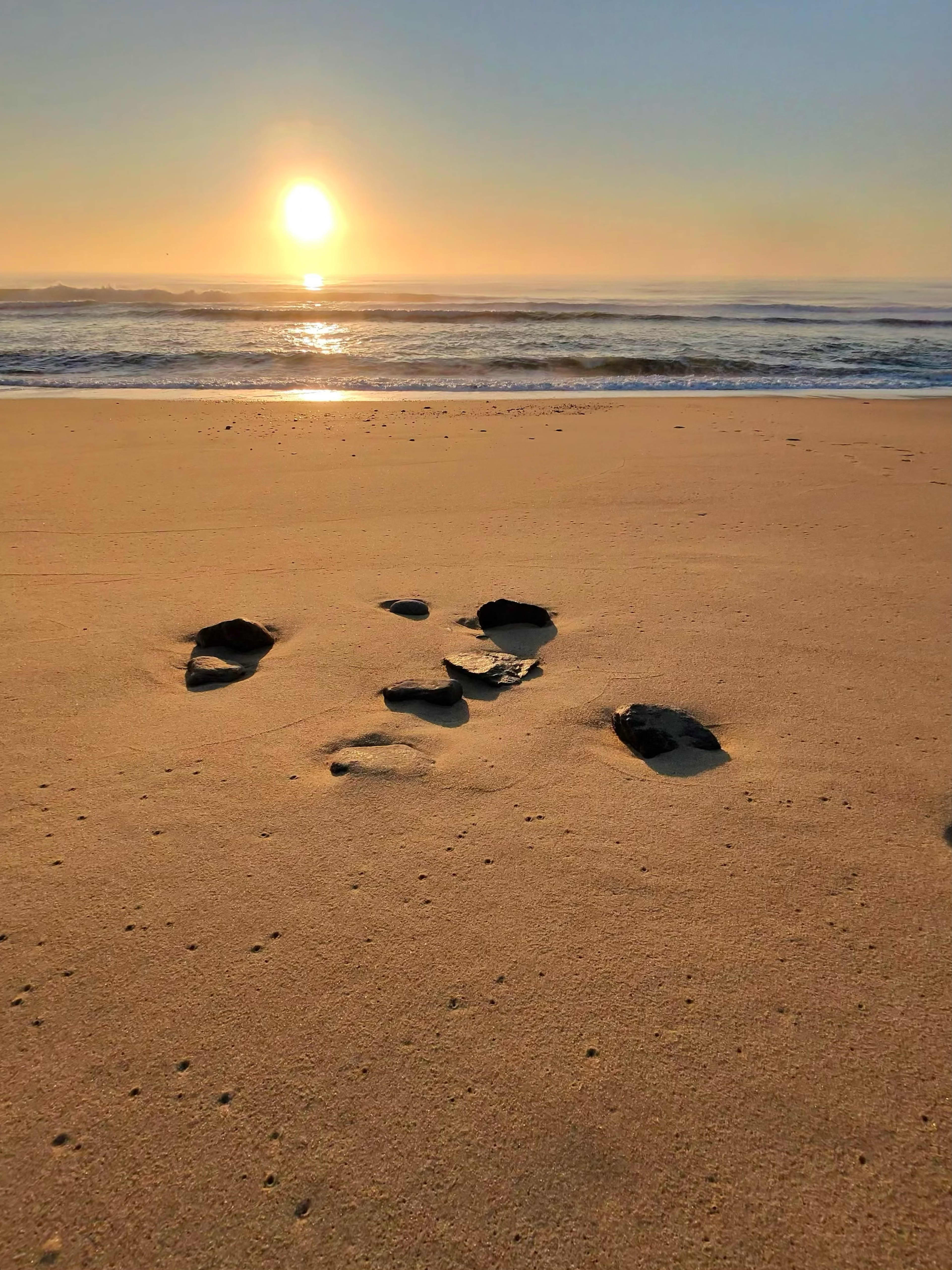
Cape Cod over sand vehicle (OSV) access lets you drive a properly equipped truck or SUV directly onto the beach, bypassing the crowded parking lots and reaching stretches of shoreline that most visitors never see on foot. There are two main destinations: Race Point Beach in Provincetown, managed by the Cape Cod National Seashore, which delivers the most dramatic remote-beach experience on the East Coast; and Sandy Neck Beach in Barnstable, a six-mile barrier beach managed by the Town of Barnstable that offers the most accessible OSV entry point on the Upper Cape. A more limited corridor also exists at Nauset in Eastham. All three require permits, the right vehicle, and specific recovery gear — and all can close access corridors without warning when piping plover nests are nearby.
What "Over-Sand Vehicle" Actually Means — and What Vehicle You Need
OSV is not a marketing category. On Cape Cod, it is a specific permit designation that allows a vehicle to operate on beach sand outside of paved roads or designated parking areas. The National Seashore and the Town of Barnstable issue their own permits separately, with different fees, different rules, and different seasonal considerations.
The vehicle question matters more than most people expect. High-clearance all-wheel drive (AWD) — the kind built into modern crossovers — is not the same as true four-wheel drive (4WD) with low-range gearing. Soft, dry Cape Cod beach sand is among the most demanding surfaces a vehicle will encounter. AWD systems distribute torque automatically but do not provide the low-gear power needed to push through soft sand, recover a buried vehicle, or climb a loose sand access ramp.
True 4WD with a low-range transfer case is required for Cape Cod National Seashore OSV permits. Vehicles suited to the job include a Jeep Wrangler or Gladiator, Ford Bronco, Toyota 4Runner or Land Cruiser, or a full-size pickup with 4WD Low. A stock AWD crossover will likely bury itself in the first hundred feet of soft sand, leaving you waiting for a tow-out in a place where that help is hard to reach.
Required Equipment — Rangers Will Check
Both NPS and Sandy Neck staff inspect your gear at the entrance point. This is not a formality. Getting stuck in a remote beach section miles from the paved lot can mean a multi-hour tow and a fee. Bring all of the following:
- Aired-down tires: Reduce your tire pressure to approximately 12–15 psi before entering. Lower pressure spreads the tire footprint across soft sand, keeping your vehicle afloat. Bring a 12V portable air compressor to re-inflate before returning to pavement — driving aired-down at highway speed damages tires and is dangerous.
- Full-size shovel: A long-handled shovel for digging out around buried tires. A folding camp shovel will not do the job.
- Tow strap or snatch strap: A rated recovery strap so another vehicle can pull yours free. Not a chain — chains can snap under load and cause injury.
- High-lift or bumper jack with a base board: For lifting a buried tire out of a hole. On soft sand, any jack needs a plywood or hard-plastic base to prevent the jack from sinking.
- Traction boards or plywood for tires: Commercial traction boards (like MaxTrax) or a cut of plywood placed under spinning tires give them something to grip.
- Spare tire: Fully inflated and accessible before you reach the entrance ramp.
Experienced OSV drivers make airing down a deliberate step at the access ramp — not an afterthought — and carry a tire gauge to confirm pressure before entering.
Race Point Beach, Provincetown: The Premier OSV Experience
Race Point is what most OSV enthusiasts picture when they imagine driving on a Cape Cod beach. It sits at the very tip of the Outer Cape, managed by the Cape Cod National Seashore, and the OSV corridor here puts you on Atlantic-facing beach that is genuinely remote — no parking lot noise, no concession stand, no crowds beyond the small number of other permit holders who made the effort.
The appeal is real. Park your truck at the waterline, set up chairs and a shade tent, fish off the tailgate. At the end of the day, Race Point's position at the tip of the Cape's hook means you can watch the sun go down over the water from an Atlantic-facing beach — geography that makes this place unlike almost anywhere else on the East Coast. For those with the right permit and NPS approval, a fire at the far end of the OSV corridor after dark is one of the more memorable experiences Cape Cod offers.
Permit process: NPS OSV permits for Race Point are purchased at the Race Point Ranger Station at the park entrance. Online purchase through Recreation.gov may also be available. Fees are $50 for a 7-day permit ($75 for self-contained vehicles) and $150 for an annual permit ($225 for self-contained vehicles) (nps.gov/caco). Demand peaks in July and August — call ahead or check online before making the drive from anywhere on the Cape. Rangers patrol the corridor and can remove vehicles that fail gear checks or violate closed-area signs.
Herring Cove: The other NPS beach in Provincetown has limited OSV-accessible sections. Confirm current access with the ranger station when picking up your Race Point permit.
Sandy Neck Beach, Barnstable: The Most Accessible OSV Beach on the Upper Cape
Sandy Neck is a six-mile barrier beach on the Bay side of Barnstable, separating Barnstable Harbor from Cape Cod Bay. It is managed by the Town of Barnstable — not the National Seashore — which means a separate permit system, different rules, and a noticeably different landscape than Race Point.
Because Sandy Neck faces north into Cape Cod Bay rather than east into the Atlantic, there is no surf. The water is calmer and typically warmer than the Atlantic side. For families with young children, this changes the calculus significantly: calm swimming, easier setup, and tidal flats to explore at low tide. The six-mile length means genuinely uncrowded beach is reachable if you drive far enough from the gatehouse entrance.
Permit process: Sandy Neck OSV permits are issued at the Sandy Neck parking area gatehouse in West Barnstable. The county permit system is entirely separate from the NPS system — a National Seashore OSV sticker does not work here, and vice versa. Call ahead to confirm current procedures before arriving on a summer weekend.
The Nauset Corridor, Eastham
Nauset Beach's over-sand trail is a separate, town-run program administered by the Town of Orleans; the National Seashore's own ORV corridor runs along the Race Point shoreline in Provincetown/Truro (ORV permits $150/season — nps.gov/caco). This option is more restricted than Race Point and is more frequently affected by piping plover closures, given the density of nesting activity along the Outer Beach stretch south of Nauset. For visitors whose primary goal is maximum remote-beach access, Race Point remains the more reliable destination. If Nauset OSV access is your specific interest, contact the Salt Pond Visitor Center in Eastham for current corridor conditions and permit details.
Piping Plover Closures: The Variable That Can Change Your Trip
Piping plovers are a federally threatened shorebird that nests directly on Cape Cod beaches from April through August. The Cape Cod National Seashore is one of the most important nesting sites in the species' entire range, and the NPS enforces closures by law. When piping plovers nest in or near an OSV corridor, that corridor closes — and it stays closed until the chicks have fledged.
This is the most significant variable in planning any OSV trip to Race Point or Nauset. In some summers, plover nesting has closed the majority of the Race Point OSV corridor for weeks at a stretch during peak season. Closures appear and expand with no fixed schedule. Rangers post signs at access points; the NPS website posts corridor status updates.
Best strategy: Call the Race Point Ranger Station directly before traveling to Provincetown for an OSV trip, particularly between May and late July. Ask specifically: what is the current open distance of the OSV corridor from the access ramp? Planning your trip in September or October dramatically reduces your closure risk. Plover nesting season ends by mid-August at the latest, beach crowds vanish, and fall conditions on the Outer Cape — the light, the temperatures, the uncrowded roads — are excellent.
Sandy Neck has its own piping plover management but typically experiences fewer corridor-closing events than the Atlantic-facing Seashore beaches.
At a Glance
| Race Point (Provincetown) | Sandy Neck (Barnstable) | Nauset Corridor (Eastham) | |
|---|---|---|---|
| Managing agency | NPS / Cape Cod National Seashore | Town of Barnstable | NPS / Cape Cod National Seashore |
| Water type | Atlantic surf | Bay, calm | Atlantic surf |
| Beach length | Extended OSV corridor | 6 miles | Limited |
| Permit source | Race Point Ranger Station / Recreation.gov | Sandy Neck gatehouse | Salt Pond Visitor Center |
| Permit cost | $50/7-day, $150/annual; SCV $75/$225 (nps.gov/caco) | Varies | Same NPS OSV system |
| Plover closure risk (April–Aug) | High | Moderate | High |
| Shark monitoring | Yes — NPS drone patrol | No (Bay side) | Yes |
| Best season | September–October | June–October | September–October |
Beaches & trails in this guide
Cape Cod over sand vehicle access is a legitimate lifestyle upgrade for the right visitor — not a casual add-on. The work involved in sourcing the right truck, assembling the gear, and timing your trip around plover season is real. So is the payoff: parking at the waterline at the tip of the Outer Cape with no parking lot in sight, or settling a family into six miles of calm Bay-side beach with no surf and no crowds. Both experiences are available to anyone willing to prepare properly.
Browse more Cape Cod guides, local experiences, and trusted recommendations at [capecodcertified.com/directory](https://capecodcertified.com/directory).
What Locals Pack
Cape Cod Certified picks — essentials worth packing for this trip:
- MalsiPree Portable Dog Water Bottle — $15: One-handed, leak-proof bottle with a built-in bowl that recycles unused water back into the bottle. Under six ounces and ready for every boardwalk, trail, and dune walk.
- Sun Bum Mineral SPF 30 Sunscreen Lip Balm — $4: Zinc-based broad-spectrum lip protection with vitamin E; reef-safe.
Your Certified Next Steps
Get the best of Cape Cod — free.
Guides, hidden spots, and seasonal tips from people who actually live here.
Frequently asked questions
Is AWD enough to drive on Cape Cod beaches, or do I need 4WD?
High-clearance AWD is not the same as true four-wheel drive with low-range gearing. Soft Cape Cod beach sand is one of the most demanding surfaces a vehicle encounters, and AWD crossovers lack the low-gear power needed to push through it. The National Seashore requires a true four-wheel-drive vehicle for its over-sand permits; check its full equipment list before you apply.
Can piping plovers close the Race Point OSV corridor?
Yes — when piping plovers nest in or near an OSV corridor, that section closes by law and stays closed until the chicks have fledged. In peak summers, closures can cover most of the Race Point corridor. Call the Race Point Ranger Station before traveling, especially between May and late July.
What gear do I need to drive on the beach at Race Point or Sandy Neck?
Rangers at both Race Point and Sandy Neck inspect vehicles at the entrance and require aired-down tires, a full-size shovel, a rated tow strap, a jack with a base board, traction boards or plywood, and a fully inflated spare tire. Missing any of these can get you turned away or facing a difficult tow-out.
What's the difference between Race Point and Sandy Neck for OSV?
Race Point faces the Atlantic with surf and a genuinely remote feel; Sandy Neck faces north into Cape Cod Bay, with calm, typically warmer water and no surf — better suited for families with young children. The two beaches are managed by different agencies and require separate permits that are not interchangeable.
When is the best time to drive on Cape Cod beaches to avoid closures?
September and October dramatically reduce closure risk — piping plover nesting ends by mid-August, beach crowds thin out, and fall conditions on the Outer Cape are excellent. Planning around that window gives you the same remote-beach experience with far less uncertainty about whether the OSV corridor will be open.

