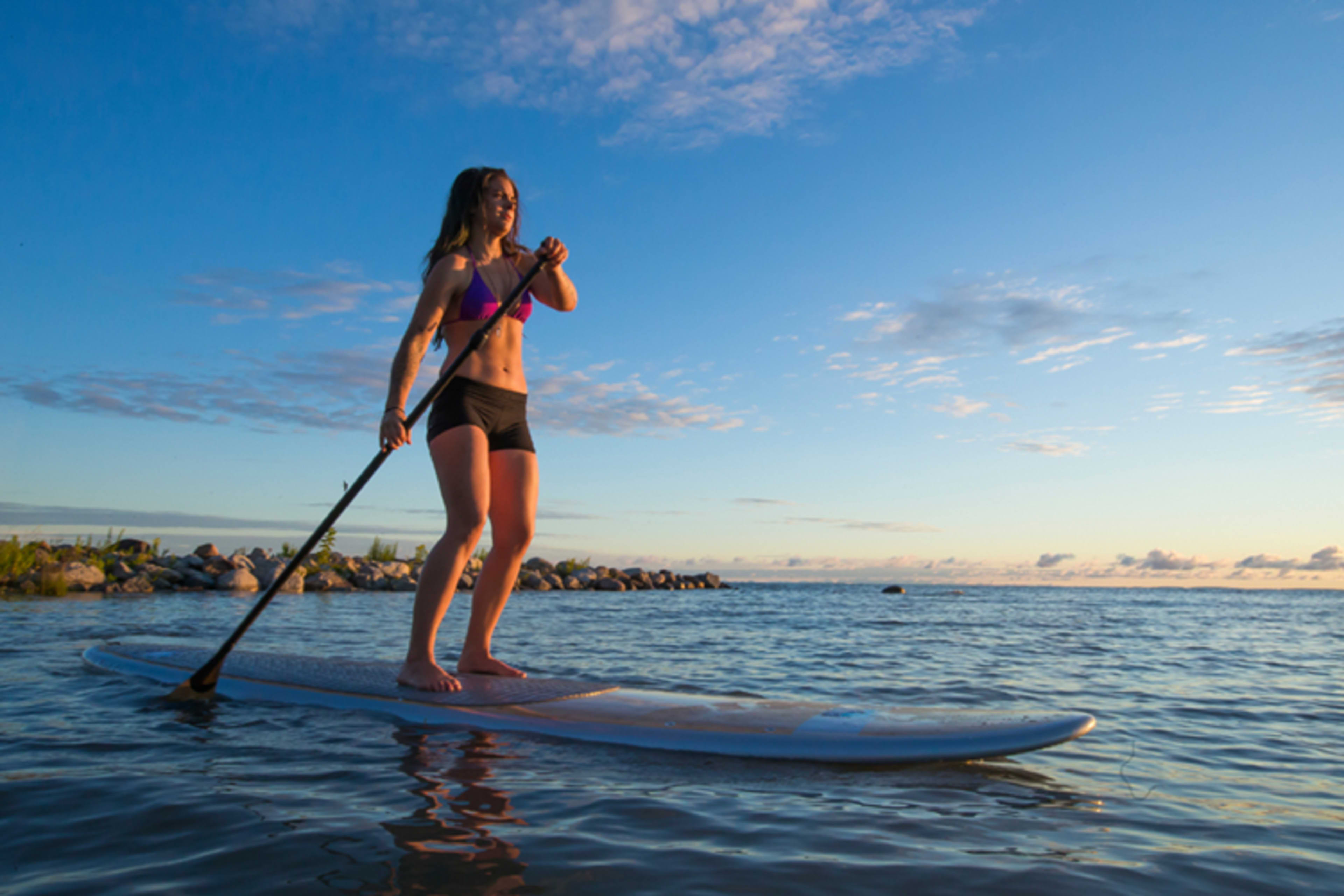
Cape Cod is one of the finest stand-up paddleboarding destinations on the entire East Coast — and most people never realize it until they're out on the water. The peninsula curves like a flexed arm into the Atlantic, creating two entirely different coastlines separated by a short drive. On the bay side, warm, shallow water stays flat for miles. On the Atlantic side, cold open ocean swells roll in with real power. Whether you're a first-timer looking for glassy morning water or an experienced paddler chasing challenging tidal currents, Cape Cod has a launch for you.
Why Cape Cod Is Exceptional for Stand-Up Paddleboarding
The geography here is almost purpose-built for SUP. Cape Cod Bay — the water that lies to the west and north of the Cape — is sheltered from prevailing ocean swells, shallows out gradually, and warms up to the low-to-mid 70s by mid-July. That warmth matters. You're far more likely to stay upright when a fall doesn't sting. The bay side also hosts an extraordinary network of tidal flats, salt marshes, and tidal creeks where the water is ankle- to knee-deep at low tide and chest-deep at high — exactly the conditions that make for unforgettable flatwater paddling.
The Atlantic side, by contrast, is a different animal. The water runs cooler, the swells are real, and the inlets that cut through the barrier beaches carry powerful tidal currents. Advanced paddlers love it for exactly these reasons. The sunrise views from an Atlantic-facing launch are unmatched.
Best Beginner SUP Spots
Skaket Beach, Orleans
Skaket Beach on Cape Cod Bay is the single best beginner SUP launch on the Outer Cape. At high tide it's a wide, calm bay beach. At low tide the water retreats far enough to expose the flats, and you can paddle over mirror-flat water in six inches of warmth. There is almost no current and minimal boat traffic. Arrive two hours after low tide to hit the sweet spot: enough water to paddle without dragging, still perfectly calm. Parking requires an Orleans beach sticker in summer or a daily fee.
Rock Harbor, Orleans
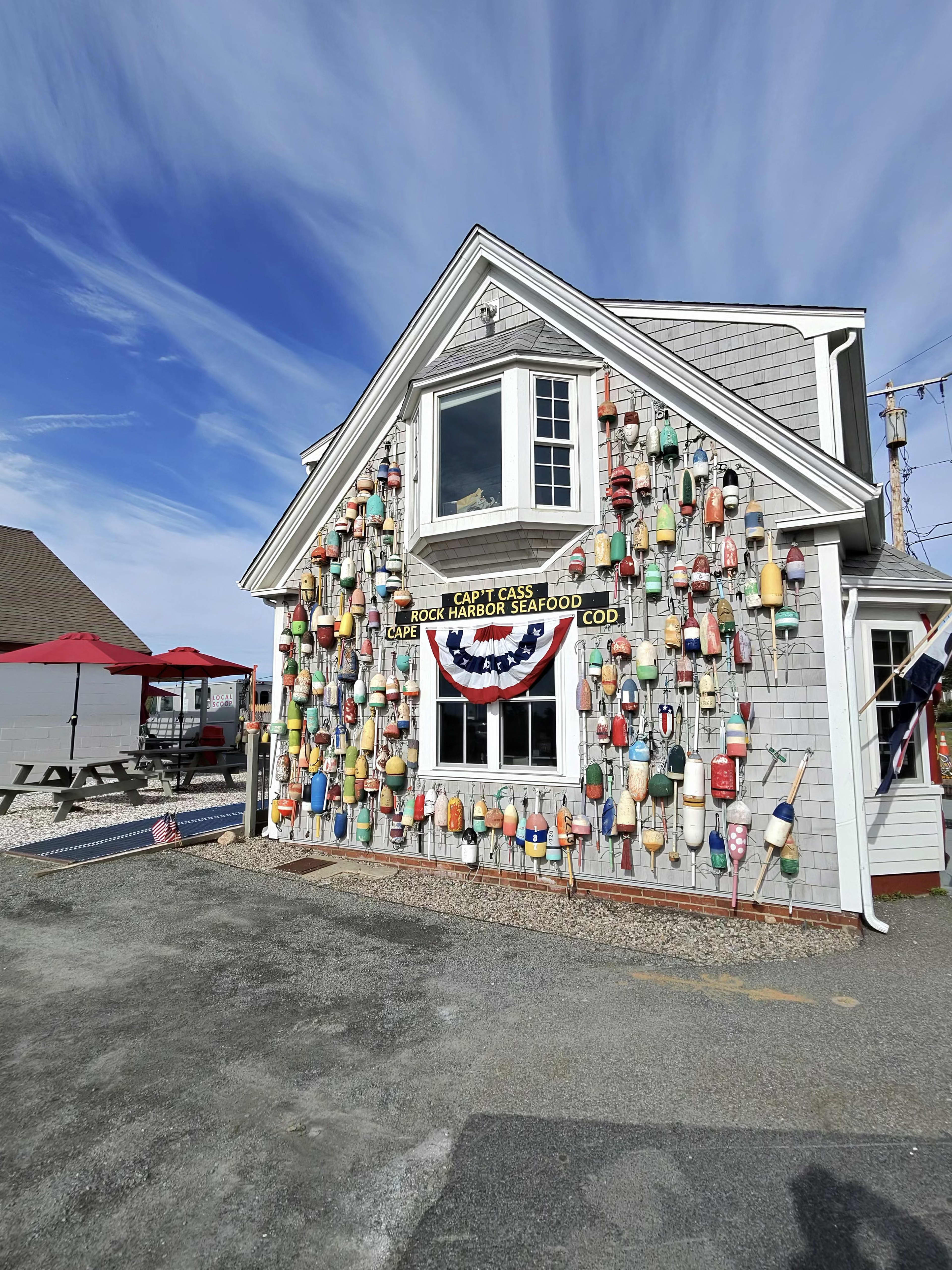
A short distance north of Skaket, Rock Harbor is a working fishing pier and boat launch that opens onto a protected channel leading into Cape Cod Bay. The launch is easy, the channel is calm, and the paddle north toward the flats of Eastham is one of the most scenic flatwater routes on the Cape. Watch for small fishing vessels near the launch but once you're past the harbor mouth, it's open and quiet.
Paine's Creek, Brewster
Brewster's tidal creeks are legendary among local paddlers. Paine's Creek winds through salt marsh out to Cape Cod Bay. The launch is straightforward, the marsh scenery is extraordinary — herons, egrets, and osprey are practically guaranteed — and the enclosed channel protects you from wind and chop. Time your paddle to arrive at the launch on an incoming tide so you have a gentle push on the way out and a helping current on the way back.
Intermediate SUP Routes
Wellfleet Harbor
Wellfleet Harbor is a full-service working harbor surrounded by some of the Cape's most beautiful town scenery. The harbor itself is calm and well-protected, and from the town pier you can paddle south along the flats or push out into the bay toward Lieutenant Island and the extensive tidal flats beyond. The round trip to Lieutenant Island at mid-tide is roughly four miles — a solid intermediate workout with beautiful views the entire way. Be aware that Wellfleet's harbor sees consistent motorboat and sailboat traffic; stay to the edges and keep your eyes open.
Nauset Marsh, Eastham
Nauset Marsh is a protected estuary behind the barrier beach of Coast Guard Beach in Eastham, and it is arguably the most breathtaking paddling environment on the Cape. The marsh stretches for miles, threaded with tidal channels, and the wildlife density is extraordinary. Seals haul out on the sandbars, osprey hunt overhead, and great blue herons stand motionless in the shallows. Access the marsh from Town Cove in Orleans or from the Hemenway Road landing in Eastham. This is tidal water — check the current tide tables before you go, as the channels move fast on a big exchange.
Provincetown Harbor
Provincetown sits at the very tip of Cape Cod, and its harbor is one of the most sheltered and scenic paddles on the peninsula. The long arm of the breakwater protects the inner harbor from bay swells, and from the launch at MacMillan Pier you can paddle to Wood End, Long Point, or simply drift along the harbor front with the Provincetown skyline behind you. The town is also home to several SUP rental and tour operators, making it an excellent base for a paddling day trip.
Advanced Conditions: Nauset Inlet and Open Atlantic
Nauset Inlet, where Nauset Marsh drains into the Atlantic near Coast Guard Beach, is a serious piece of water. The tidal exchange here is significant — six to eight feet of water moving in and out twice daily creates currents that can run three to five knots through a narrow cut. Advanced paddlers can time the ebb or flood for an exciting ride, but this is not a spot for anyone without strong paddling skills, a solid self-rescue capability, and a clear read of the tide tables. Always tell someone where you're going and when you expect to return.
The Brewster Flats: Tide Is Everything
Brewster is home to the most dramatic tidal range on the Cape — eight to ten feet between high and low water. At low tide, the flats extend nearly a mile offshore, and what was open water becomes a vast, shallow expanse of warm sand and tidal pools. At high tide, the same area is twelve feet deep. This is not a hazard — it's a feature — but only if you plan around it. Launch at high tide and you'll paddle over deep, clear water. Launch at low tide and you may drag your board across a sandbar for a quarter mile before finding enough depth to paddle. Check the NOAA tide tables for Wellfleet or the Brewster landing before you go. Never paddle out on an ebb tide without knowing when high water returns.
Rentals and Guided Tours
Most Cape Cod towns with bay access have at least one SUP rental operation by mid-June. In Orleans, look for outfitters near Rock Harbor and Town Cove. Wellfleet and Eastham have seasonal rental operations that often include guided marsh tours. Provincetown has the highest concentration of water-sports operators on the Outer Cape, and several offer both hourly board rentals and two-hour guided tours that cover the harbor and Long Point flats.
Guided tours are strongly recommended for anyone paddling Nauset Marsh for the first time — the channel system is complex, tidal timing matters, and a local guide will put you on the wildlife in ways a self-guided paddle won't.
SUP yoga is offered by several operators in Falmouth and Provincetown. Falmouth's calm inner harbor and protected coves on Great Pond make for ideal flatwater yoga conditions. Provincetown's morning harbor, before the day-trippers arrive, is equally serene.
Best Times to Paddle
Early morning is the gold standard for SUP on Cape Cod. Wind on the Cape typically builds from the southwest through the afternoon, and by 1 or 2 p.m. even the bay side can get choppy. From sunrise to about 10 a.m., the water is often glassy and the light is extraordinary. The bay side faces west, so you will not catch the sunrise from a bay beach — for sunrise paddles, use an Atlantic-facing launch such as Coast Guard Beach in Eastham or Nauset Light Beach. The bay side delivers spectacular sunsets instead.
Wildlife You'll Encounter
The wildlife on a Cape Cod SUP session is genuinely world-class. In Nauset Marsh and the Brewster creeks, great blue herons and snowy egrets are nearly always visible. Osprey are common throughout the summer, and you may see them diving within twenty feet of your board. On the bay flats near Chatham and Orleans, gray seals are a real presence — they are curious, large, and occasionally close. Give seals distance and never position yourself between a seal and the water.
Jellyfish appear in Cape Cod Bay in mid-to-late summer, primarily lion's mane jellyfish. They are not aggressive, but their trailing tentacles sting on contact. If you fall in where jellyfish are visible, swim deliberately and be aware of your surroundings.
Safety Essentials
- PFD: A U.S. Coast Guard-approved personal flotation device is required by Massachusetts law for all SUP paddlers in navigable waters. Wear it or carry it on the board — but wear it.
- Leash: Always use a leash that connects you to your board. If you fall in open water, your board is your most visible safety device and your primary flotation.
- Weather: The Cape's weather changes fast. Check the NOAA marine forecast before launching and watch the western sky. A building line of dark clouds from the southwest can bring lightning within twenty minutes.
- Tides: On the bay side and in tidal creeks, always know the tide direction before you launch. Paddling against a strong ebb on Nauset Marsh channels in a headwind is exhausting and potentially dangerous.
- Sun: The reflection off flat water is intense. Sunscreen, a hat, and UV-protective clothing are standard, not optional.
Paddling with Kids
Cape Cod is genuinely excellent for family SUP. The bay flats in Brewster and Orleans at mid-tide offer inches to a foot of warm water, making a fall completely consequence-free for small children. Many rental operators offer wide, stable boards specifically suited to kids. Tandem boards that fit a parent plus one or two young children are widely available. Skaket Beach in Orleans and Paine's Creek in Brewster are the two best family-first launches on the Lower Cape.
Beaches & trails in this guide
What to Bring / What You'll Need
Cape Cod Certified picks — essentials worth packing for this trip:
- MalsiPree Portable Dog Water Bottle — $15: One-handed, leak-proof bottle with a built-in bowl that recycles unused water back into the bottle. Under six ounces and ready for every boardwalk, trail, and dune walk.
- Sun Bum Mineral SPF 30 Sunscreen Lip Balm — $4: Zinc-based broad-spectrum lip protection with vitamin E; reef-safe.
Turn This Into a Plan
Get the best of Cape Cod — free.
Guides, hidden spots, and seasonal tips from people who actually live here.
Frequently asked questions
What's the best beginner paddleboarding spot on Cape Cod?
Skaket Beach in Orleans is considered the top beginner SUP launch on the Outer Cape — calm, shallow bay water with almost no current or boat traffic. Arriving about two hours after low tide hits the sweet spot: enough depth to paddle without dragging while conditions stay perfectly flat.
Do you have to wear a life jacket on a paddleboard in Massachusetts?
Massachusetts law requires a U.S. Coast Guard-approved personal flotation device for all SUP paddlers in navigable waters — you must either wear it or carry it on the board. A leash connecting you to your board is equally important, since the board is your most visible safety device and primary flotation if you fall in open water.
Is Cape Cod good for paddleboarding with kids?
The bay flats in Brewster and Orleans at mid-tide are ideal for families — only inches to a foot of warm water means a fall is completely consequence-free for small children. Many rental operators carry wide, stable boards and tandem boards sized for a parent with one or two young children.
What wildlife will I see paddleboarding on Cape Cod?
Great blue herons, snowy egrets, and osprey are nearly constant in Nauset Marsh and the Brewster creeks, and gray seals are a real presence on the bay flats near Chatham and Orleans. Lion's mane jellyfish appear in Cape Cod Bay in mid-to-late summer — they are not aggressive, but their tentacles sting on contact if you fall in near them.
How do tides affect paddleboarding around Brewster?
Brewster has the most dramatic tidal range on the Cape, so timing is everything — launch at high tide for deep, clear water, and at low tide the flats can extend far offshore, leaving you dragging a board across sand before finding enough depth to paddle. Check the NOAA tide tables for the Brewster landing before you go.