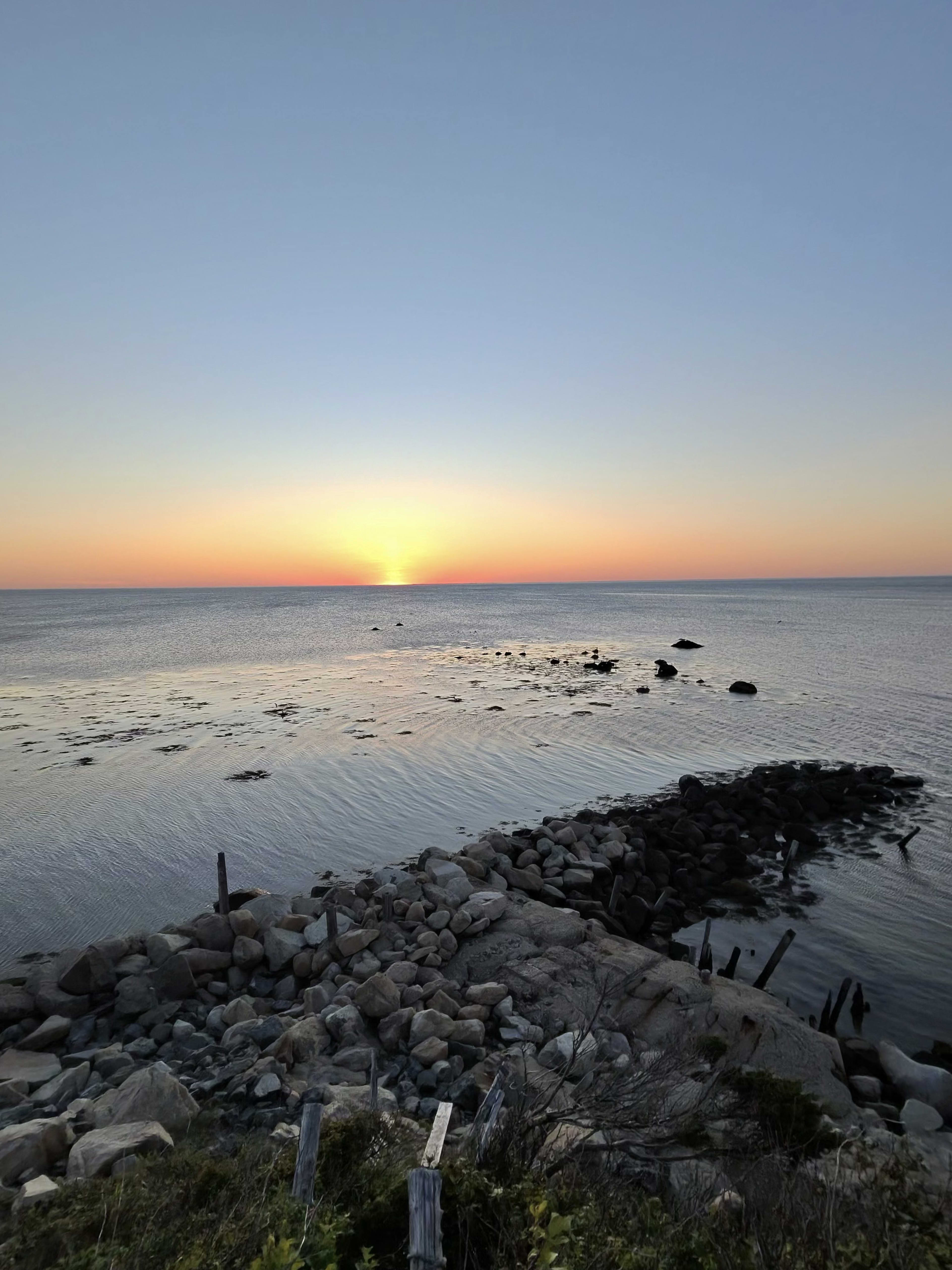
Cape Cod's shoreline is one of the best places in New England to hunt for sea glass — and for good reason. Centuries of maritime commerce, fishing fleets, shipwrecks, and coastal life have left a quiet legacy tumbling just below the tide line. If you know where to walk and when to look, these beaches will reward your patience with handfuls of frosted, jewel-toned glass that the ocean has spent decades polishing smooth.
This guide covers everything you need to know: why Cape Cod produces exceptional sea glass, which beaches give you the best odds, what colors mean what, and the federal rule that catches many visitors by surprise.
Why Cape Cod Has So Much Sea Glass
Sea glass is not random beach debris. It is history made tactile. Cape Cod's waters were commercial arteries for three centuries — fishing schooners, packet boats, whaling ships, rum runners, and coastal freighters all moved through these waters and, inevitably, some of them sank. The Cape has over 3,000 documented shipwrecks in the waters off its Atlantic shore alone.
Beyond shipwrecks, many Cape towns historically used coastal sites as dump locations from the late 1800s through the mid-20th century. Glass bottles, crockery, and household items discarded at these sites were gradually worked into the intertidal zone by storms and erosion. The result: a slow-moving pipeline of glass that the Atlantic has been tumbling and frosting for anywhere from 20 to more than 100 years.
The geography matters, too. The Cape's elbow — where it bends east toward the open Atlantic — takes the full force of nor'easters and oceanic swells. That wave energy is exactly what sea glass needs. The longer a piece tumbles through sand and surf, the more its sharp edges soften and its surface takes on that characteristic frosted, matte finish collectors prize.
What Sea Glass Is and How It Forms
Sea glass starts as ordinary glass — a bottle, a jar, a pane from a ship's lantern — that ends up in the ocean. Over time, constant wave action rolls the glass along the sandy bottom, chipping off sharp edges and wearing the surface into the frosted texture that distinguishes true sea glass from a broken bottle.
The process takes time. Lightly frosted pieces may have been in the water for 20 to 30 years. Deeply frosted, heavily rounded pieces with a silky-smooth surface have often tumbled for 50 to 100 years or more. The color, shape, and surface quality together tell you something about where a piece came from and how long it has been at the ocean's mercy.
Best Beaches for Sea Glass on Cape Cod
Nauset Light Beach — Eastham
Nauset Light Beach is widely considered the most productive sea glass beach on the Outer Cape. It sits on the Atlantic-facing east side of the Cape — the sunrise side — where powerful ocean swells roll in from hundreds of miles of open water. That wave energy translates directly into well-tumbled, highly frosted glass.
The beach stretches south from the iconic red-and-white Nauset Light lighthouse, and the stretch just north toward the Nauset Light Beach parking area is particularly fruitful after a storm. Walk the wrack line — the high-tide debris line — slowly and methodically. Pieces are often half-buried in sand or tucked among pebbles and shells.
Important rule: Much of Nauset Light Beach falls within the Cape Cod National Seashore. Federal regulations prohibit collecting natural or cultural objects, including sea glass, within National Seashore boundaries. See the rules section below before you collect.
Wellfleet's Atlantic Beaches
Wellfleet's Atlantic-side beaches — including Cahoon Hollow Beach and White Crest Beach — face directly into the open ocean and share the same wave-energy advantage as Nauset. These beaches are steeper in profile, which means storms deposit material in concentrated bands. Walk low on the beach at low tide and look for the thin strip of mixed pebbles and shell hash that often concentrates glass.
The Wellfleet shoreline also has documented historic dump sites that erode into the intertidal zone, contributing older, more deeply frosted pieces to the mix.
Truro's Atlantic Shore
The stretch of Atlantic beach running through Truro — between Ballston Beach and Head of the Meadow Beach — is less trafficked than Eastham and Wellfleet, which means earlier walkers have a real advantage. Head of the Meadow Beach is accessible from Route 6 and offers a long, relatively undisturbed stretch of Atlantic shoreline where the pickings can be excellent after a northeast storm.
Provincetown — North-Facing Beaches
Provincetown sits at the very tip of the Cape, and its north-facing beaches — including Herring Cove and Race Point — behave differently from the Outer Cape's Atlantic-facing shores. Race Point faces northwest into Cape Cod Bay and the Gulf of Maine, and the currents and wave action here can deposit glass from a different set of historical sources than the south-facing Atlantic beaches. Herring Cove faces west, catching the last light of the day (sunset). Both beaches are worth walking, and Race Point in particular has produced interesting finds after strong northwest storms.
Chatham — Outer Beach and North Beach
Chatham's position at the Cape's elbow puts it in the path of significant ocean energy. The barrier beaches accessible by ferry or kayak — particularly the stretch of outer beach south of Chatham Inlet — have yielded excellent sea glass. The Chatham Fish Pier area also has a long fishing history that contributes to the glass inventory in surrounding waters.
Brewster — Bay-Side Context
Brewster's beaches face Cape Cod Bay to the north and west — the sunset side. Bay beaches generally see less wave action than Atlantic beaches, which means glass tumbles more slowly and tends to be less well-frosted. That said, Brewster's flats expose large stretches of the bay bottom at low tide, and patient hunters willing to walk far out at a minus tide occasionally find older, well-frosted pieces that have traveled from higher-energy zones. Brewster is better suited to shelling and fossilized specimens than prime sea glass, but it is a beautiful and peaceful alternative for families with young children.
What Colors to Look For
Understanding color rarity helps you prioritize what you pick up — and how excited to get.
- White and clear — Most common. Old glass, milk glass, and clear glass from bottles and windows. Always abundant.
- Green — Common. Beer and wine bottles are the primary source. Darker greens are slightly less common than light olive green.
- Brown (amber) — Common. Beer and liquor bottles.
- Soft blue (cornflower, periwinkle) — Uncommon. Often from old Milk of Magnesia bottles and early 20th-century glass.
- Aqua and seafoam — Moderately rare. Mason jars, early Coca-Cola bottles, and old medicine bottles.
- Cobalt blue — Rare. Noxzema jars, Vicks VapoRub, vintage medicine and poison bottles.
- Purple or lavender — Rare. Pre-1920 glass that contained manganese turns purple when exposed to sunlight over decades.
- Yellow and citron — Very rare. Depression-era glass and old vaseline glass.
- Red and orange — Extremely rare. The holy grail of sea glass. Red typically comes from old ship lantern glass, vintage car taillights, or Anchor Hocking ruby pieces. Orange is arguably the rarest color on any beach in the world. If you find a genuine, well-frosted red or orange piece on a Cape Cod beach, you've had an exceptional day.
Best Conditions for Sea Glass Hunting
Timing is everything. The three conditions that maximize your odds:
Low tide — Hunt the intertidal zone that is normally submerged. Glass that lives underwater most of the time is exposed only during the lowest tides. Check local tide charts before you go; a minus-tide window is ideal.
After a storm — Northeast storms are the Cape sea glass hunter's best friend. A strong nor'easter stirs up the bottom, pulls new material toward shore, and deposits it in concentrated bands along the wrack line. Arrive within 24 to 48 hours of a storm for the best finds.
Early morning — You are not the only person who knows about these beaches. Serious hunters arrive at first light. On summer mornings, the best stretch of a productive beach can be thoroughly combed by 8am.
No Tools Needed — Just Patience
Sea glass hunting requires nothing but your eyes and time. Bring a small mesh bag or breathable pouch (plastic bags cause condensation that can obscure your finds). Wear polarized sunglasses to cut the glare and help you spot glass among wet pebbles. Crouch low — sea glass often shows its frosted surface best at a low angle of sunlight, particularly in early morning light on the east-facing Atlantic beaches.
The Rule Many Visitors Do Not Know
Collecting sea glass within Cape Cod National Seashore boundaries is prohibited by federal law. This includes the beaches at Nauset Light, Coast Guard Beach, Marconi Beach, Head of the Meadow, Race Point, and Herring Cove. The National Seashore prohibits the collection of any natural or cultural objects. The fine can be significant.
If you want to collect and keep what you find, focus on town-managed beaches outside National Seashore boundaries — or confirm the status of the specific beach section you are on before filling your bag.
What to Do With Your Sea Glass
Sea glass has a thriving craft and collector community. Common uses include:
- Jewelry — Pendants, earrings, and rings set in sterling silver or copper wire. Provincetown's gallery district has vendors who work with locally found glass.
- Framed displays — Organized by color in shadow boxes or glass jars, sea glass makes beautiful, memory-rich decor.
- Mosaics and art — Larger pieces work well in tile-style mosaics for garden stepping stones, picture frames, and tabletops.
- Loose collection — Many hunters simply collect in labeled jars by beach, color, or year. The collection itself becomes the point.
Beaches & trails in this guide
What Locals Pack
Cape Cod Certified picks — essentials worth packing for this trip:
- MalsiPree Portable Dog Water Bottle — $15: One-handed, leak-proof bottle with a built-in bowl that recycles unused water back into the bottle. Under six ounces and ready for every boardwalk, trail, and dune walk.
- Sun Bum Mineral SPF 30 Sunscreen Lip Balm — $4: Zinc-based broad-spectrum lip protection with vitamin E; reef-safe.
Turn This Into a Plan
Get the best of Cape Cod — free.
Guides, hidden spots, and seasonal tips from people who actually live here.
Frequently asked questions
Is it legal to collect sea glass on Cape Cod beaches?
It depends on the beach. Collecting sea glass within Cape Cod National Seashore boundaries is prohibited by federal law, covering beaches including Nauset Light, Race Point, and Herring Cove. Focus on town-managed beaches outside National Seashore land, or confirm the status of the specific stretch you are on before filling your bag.
What is the rarest color of sea glass to find?
Red and orange are the rarest, with orange considered exceptionally uncommon on any beach in the world. Red typically comes from old ship lantern glass, vintage car taillights, or vintage ruby-colored glass. Finding a genuine, well-frosted piece of either on a Cape Cod beach is considered a truly exceptional day.
When is the best time to go sea glass hunting?
The best combination is low tide, shortly after a northeast storm, and early in the morning. Storms stir up the bottom and deposit glass in concentrated bands along the wrack line, so heading out soon after a nor'easter significantly improves your odds. Serious hunters arrive at first light before others have worked the beach.
What does the frosting on sea glass mean?
Frosting reflects how long a piece has tumbled in the ocean — lightly frosted pieces are relatively recent arrivals, while deeply frosted, heavily rounded pieces with a silky surface have spent many decades at the ocean's mercy. Color, shape, and surface quality together hint at where a piece came from and its history.
Do you need special gear for sea glass hunting?
Nothing elaborate is required. A small mesh bag or breathable pouch and polarized sunglasses are all you need — the polarized lenses cut glare and help you spot frosted glass among wet pebbles. Crouching low also helps, since sea glass often shows its frosted surface best at a low angle of sunlight.