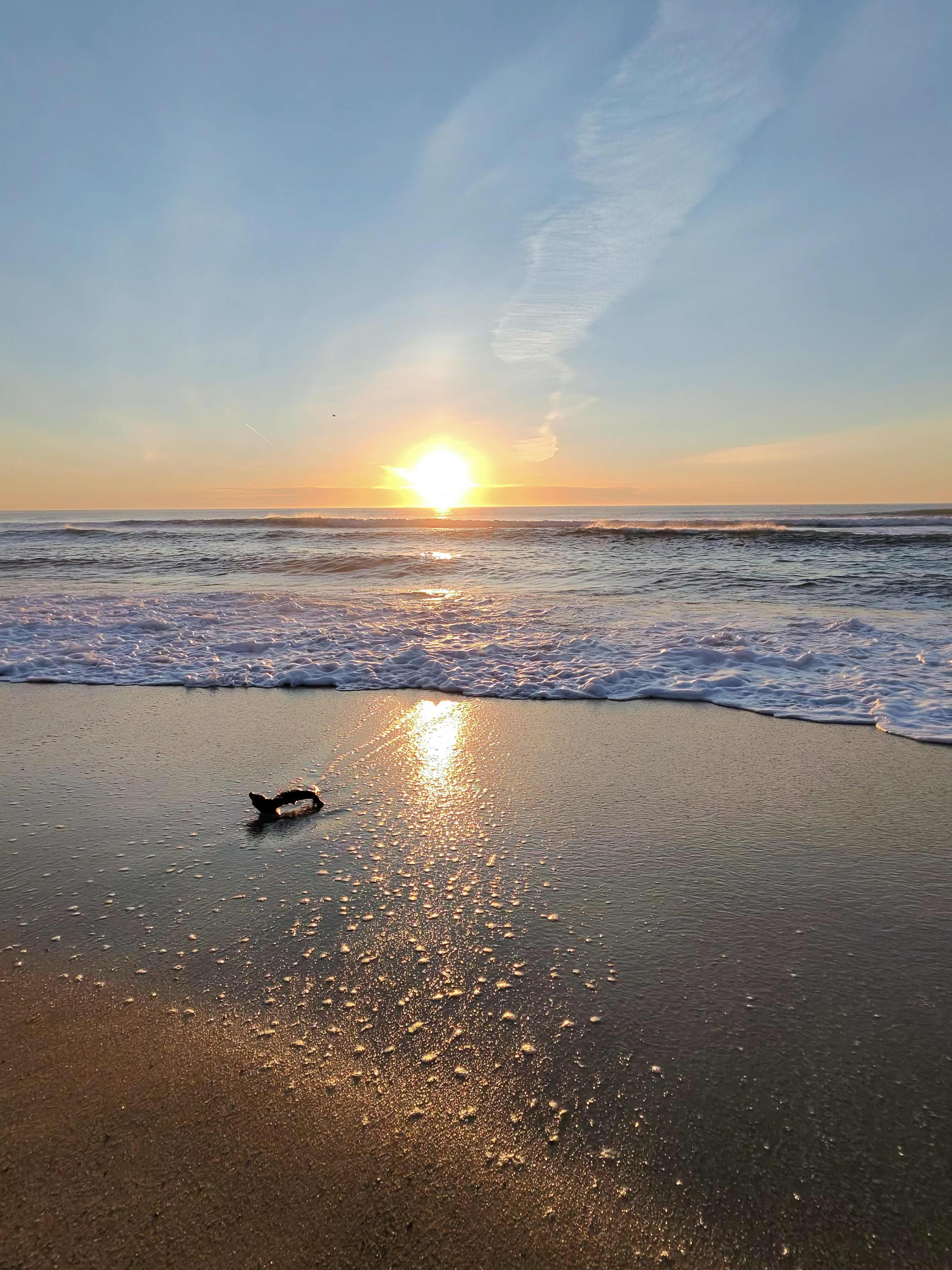
Few places on the East Coast put a surf caster in the right spot at the right time as reliably as Cape Cod. The hook-shaped peninsula juts forty miles into the Atlantic, intercepting two of the most prized gamefish migrations in the Northeast. Striped bass push north from Chesapeake Bay through Cape Cod waters from May through October, with peak action typically arriving in June and again in September as fish stage for the return migration. Bluefish run hard from July through August, sometimes in aggressive blitzes that boil the surface for hundreds of yards. If you want big fish from the beach, this is where you come.
Why Cape Cod Is One of the East Coast's Top Surf Casting Destinations
The geography does the work. The Outer Cape — the long arm that runs from Chatham north through Orleans, Eastham, Wellfleet, Truro, and up to Provincetown — faces east into the open Atlantic. That exposure creates real surf structure: sandbars, troughs, rips, and cuts that concentrate baitfish and hold predators year after year. The Cape Cod Canal at the base of the Cape acts as a funnel, and as stripers push around both tips of the Cape, they follow bait into inlets, off beaches, and along rocky points that are all accessible on foot.
The bait is also exceptional. Sand eels, Atlantic menhaden (bunker), mackerel, and silversides move through in dense schools throughout the season, and wherever bait stacks up, bass and blues follow. Add the fact that the Outer Cape National Seashore protects most of these beaches from development, and you get miles of wild, productive shoreline that fishes essentially the same way it did fifty years ago.
Best Surf Casting Spots on Cape Cod
Chatham Inlet — The Legendary Rip
Ask any serious striper fisherman to name one Cape Cod location, and the answer is almost always Chatham. The inlet between North Beach Island and Chatham's outer shore is one of the most productive striped bass fisheries on the entire East Coast. Water from Pleasant Bay pushes through this narrow cut on every tide cycle, creating a rip that concentrates baitfish and pins bass in predictable feeding lanes.
North Beach Island itself is a barrier beach accessible by charter boat or kayak. Fishing the rip from shore on the Chatham side — particularly along Lighthouse Beach — puts you in range of the same structure. Dawn and the two hours following are especially productive here, when bass pushed by the outgoing tide stack at the edges of the rip. This spot rewards persistence and local knowledge, so picking up a report from a Chatham-area tackle shop before you go is time well spent.
Nauset Beach — Orleans
Nauset Beach in Orleans is one of the premier surf casting beaches on the Cape. It stretches south from the Orleans town landing for miles, facing the Atlantic on the east — you are watching the sunrise over open ocean when you fish here. Strong southwest winds build surf on this beach, creating the troughs and bar cuts that hold fish. Walk south past the parking area and away from crowds for the best results. The area where the beach narrows toward Chatham to the south is particularly productive in June and September.
Coast Guard Beach — Eastham
Part of Cape Cod National Seashore, Coast Guard Beach in Eastham is another Outer Cape staple. The beach sits at the mouth of Nauset Marsh, and the outflow from that marsh creates a productive mixing zone where stripers ambush bait. The beach faces east into the Atlantic, so you are fishing into the sunrise at dawn — prime striper time. Parking is limited in summer; the National Seashore shuttle from the Little Creek lot runs regularly and saves the walk.
Marconi Beach — Wellfleet
Marconi Beach in Wellfleet is a steep-faced Atlantic beach with deep water close in — you can reach productive depths with a shorter cast here than at many other spots. The beach sits below the clay bluffs where Guglielmo Marconi transmitted the first transatlantic wireless message, and it fishes as well today as the location is historically significant. Stripers hold along the bar system here throughout the season, and the sand eel hatches that move through Wellfleet waters in early summer bring fish in tight to shore.
Race Point Beach — Provincetown
Race Point Beach at the tip of Provincetown is remote and rewarding. It sits at the absolute top of the Cape where the Outer Beach wraps around and faces north-northwest, making it one of the few Outer Cape locations that watches the sun set over water rather than rise. To drive onto Race Point Beach you need an Over-Sand Vehicle (OSV) permit from Cape Cod National Seashore — apply online through the NPS reservation system well in advance. Alternatively, a two-mile walk from the Race Point parking area gets you to fishable water. Dawn and dusk at Race Point during September can produce some of the largest bass of the season as fish stage at the tip of the Cape before migrating south.
Falmouth — Buzzards Bay Shore
Falmouth's western shoreline on Buzzards Bay is a different fishery from the Outer Cape and underrated for it. Buzzards Bay is calmer than the Atlantic-facing beaches, which makes wading, kayak launching, and night fishing considerably more manageable. Bass move along the rocky points and sandy flats of this west-facing shoreline throughout summer, and the Bay side catches the sunset. Chapoquoit Beach and Megansett Harbor area are local favorites. Bluefish blitzes in July and August can be spectacular along this shoreline.
Licensing Requirements
Massachusetts requires all saltwater anglers to carry a valid Recreational Saltwater Fishing Permit. The good news: it is free. Register at mass.gov/recreational-saltwater-fishing-license. You will also need to register with the federal Recreational Fishing Registry, which is handled at the same time through the state system. Both registrations are free, take about five minutes online, and must be renewed annually. Carry your registration confirmation on your phone or printed — Environmental Police do check on popular beaches.
Reading the Tides
Both incoming and outgoing tides produce fish, but understanding which part of the cycle works for a given spot is the difference between consistent catches and random luck. On the outgoing tide, bait is flushed out of estuaries and marshes, concentrating at cuts and rip edges — this is the classic setup at Chatham and Coast Guard Beach. On the incoming tide, bass follow the bait flood into shallow flats and marsh edges. Dawn and dusk remain the peak feeding windows regardless of tide, and a moving tide at first light or last light is the single best combination you can find.
Download a free tide chart app (Tides Near Me or similar) and plan your trips around a two-hour window bracketing the tide change at dawn or dusk. The extra fifteen minutes of setup time to hit that window correctly is always worth it.
Lures vs. Bait
Lures
For surf casting, lures are often more practical and cover more water. The classics work:
- SP Minnow (Super Strike): A local favorite for swimming presentations, especially on the retrieve through rips and cuts.
- Slug-Go (Lunker City): A soft plastic that excels when fish are on sand eels — fish it on a weighted hook with a slow, erratic retrieve.
- Pencil Popper: When bluefish or bass are blitzing on the surface, nothing matches the commotion of a pencil popper worked across the slick.
- Metal Jigs (AVA 47, Kastmaster): Effective in the surf when you need distance or want to reach deeper water off the beach.
Bait
Fresh bait is hard to beat for big bass at night or in dirty water:
- Bunker (Atlantic Menhaden): Chunk or whole bunker is a top bait for trophy stripers. Buy fresh from local tackle shops.
- Eels: Live eels are the gold standard for large stripers, especially at Chatham and Race Point. Hook through the lip and fish on a slow, near-bottom drift.
- Sand Eels: When the bite is selective, matching the hatch with fresh sand eels or soft plastics that mimic them is the move.
Current Regulations — Check Before You Fish
Regulations for both striped bass and bluefish change annually and must be verified before every trip. Do not rely on last year's rules.
- Striped Bass: Massachusetts enforces a slot limit. Visit mass.gov or the ASMFC website (asmfc.org) for the current keeper size and possession limits for the current season.
- Bluefish: Check the current daily bag limit at mass.gov. Bluefish regulations have tightened in recent years as the stock has declined.
Fishing within the Cape Cod National Seashore boundaries carries additional regulations — always check posted signs at each beach access point.
Where to Buy Tackle and Get Local Reports
Local tackle shops are the best single investment you can make before a Cape Cod surf fishing trip. They carry the right gear for current conditions, sell fresh bait, and give away more local knowledge than any guide can provide.
- Chatham: Goose Hummock Shop in Orleans (also serves the Chatham area) — a Cape Cod institution.
- Orleans: Goose Hummock is headquartered here on Route 6A; full surf tackle selection, bait, kayak rentals, and daily fishing reports.
- Eastham/Wellfleet: Check in with local shops along Route 6 for Outer Cape reports.
- Provincetown: Nelson's Bait & Tackle has served Race Point fishermen for decades and is the first call before hitting the Outer Beach.
- Falmouth: Several tackle shops on Route 28 serve the Buzzards Bay and south shore fishing community.
Ask specifically about the current sand eel situation, recent bait schools spotted from the beach, and where birds have been working — that intelligence is worth more than any single piece of tackle.
Beaches & trails in this guide
Gear That Earns Its Spot
Cape Cod Certified picks — essentials worth packing for this trip:
- MalsiPree Portable Dog Water Bottle — $15: One-handed, leak-proof bottle with a built-in bowl that recycles unused water back into the bottle. Under six ounces and ready for every boardwalk, trail, and dune walk.
- Sun Bum Mineral SPF 30 Sunscreen Lip Balm — $4: Zinc-based broad-spectrum lip protection with vitamin E; reef-safe.
Plan it with Cape Cod Certified
Get the best of Cape Cod — free.
Guides, hidden spots, and seasonal tips from people who actually live here.
Frequently asked questions
Do you need a fishing license to surf fish in Massachusetts?
Massachusetts requires a Recreational Saltwater Fishing Permit plus enrollment in the federal Recreational Fishing Registry — both are handled through the state system at mass.gov and must be renewed annually. Carry your registration confirmation when you fish, as Environmental Police check on popular beaches.
When do striped bass run Cape Cod?
Striped bass move through Cape Cod waters from May through October, with peak action typically arriving in June and again in September as fish stage for their return migration south. Dawn and a moving tide are the single best combination regardless of where you fish.
Do you need a permit to drive on Race Point Beach?
Yes, driving onto Race Point Beach requires an Over-Sand Vehicle permit from Cape Cod National Seashore — apply online through the NPS reservation system well in advance. Without a permit, the beach is reachable on foot from the Race Point parking area.
What lures work best for striped bass in the surf?
Local favorites include the SP Minnow for swimming through rips and cuts, the Slug-Go soft plastic when fish are keying on sand eels, a pencil popper during surface blitzes, and metal jigs like the AVA 47 or Kastmaster when you need to reach deeper water off the beach.