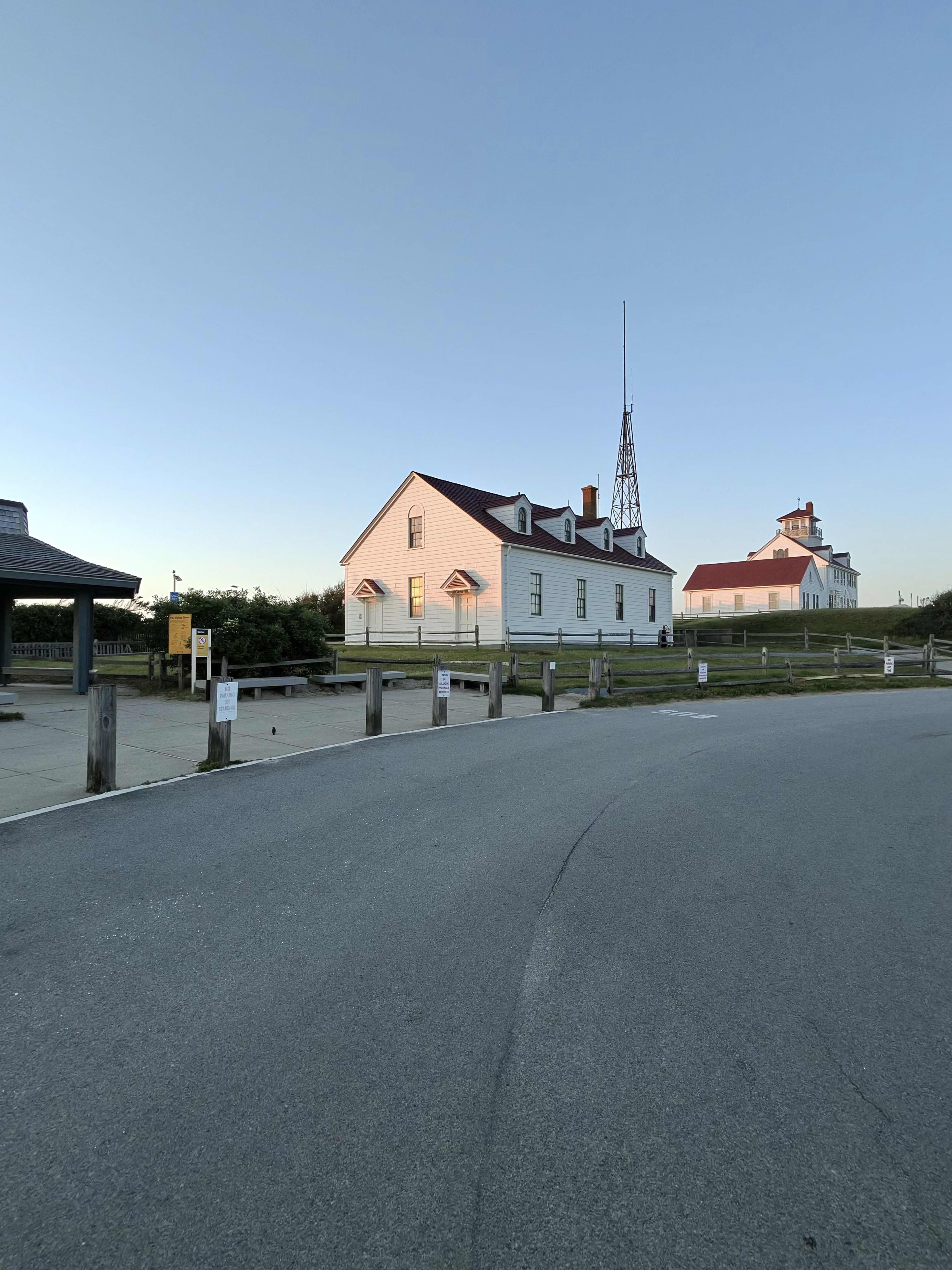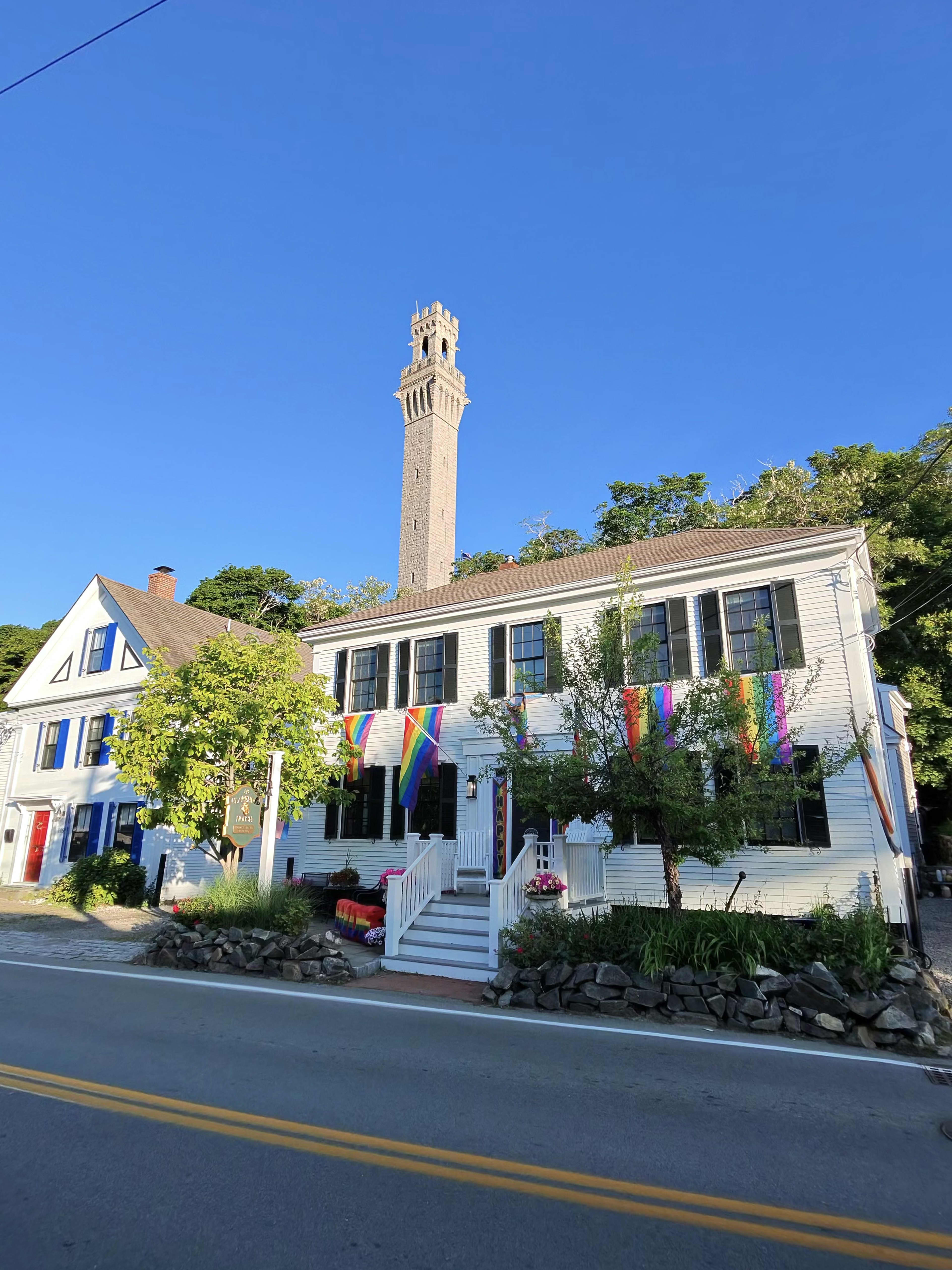
Getting invited to a Cape Cod wedding is a genuine invitation to one of the best weekends of the year. The shoulder-season light is extraordinary, the crowds are thinning, and the people getting married have usually chosen a venue that would justify the trip on its own. But Cape Cod is a peninsula with one main road, finite lodging, and a late-night taxi gap that can strand the most well-intentioned guest. This guide covers what to book, what to pack, what it will actually cost you, and how to make the most of the hours between events.
Book Your Room Before You RSVP
Direct advice: September and October weddings on the Cape fill the venue-adjacent inn clusters fast — sometimes within days of save-the-dates going out. The couple's room block exists for a reason. It's negotiated at a rate the venue knows guests will need and held for a finite window. When that window closes, you're competing with the general public for shoulder-season rooms in towns that know exactly what season it is.
The four major wedding venue towns — Chatham, Falmouth, Brewster, and Provincetown — each have their own lodging ecosystem. Where you stay on Cape Cod varies considerably by town character: Chatham runs toward classic New England inns and small boutique hotels; Falmouth offers a range from historic B&Bs to waterfront properties; Brewster is the mid-Cape inn corridor along Route 6A; Provincetown fills up fastest for any weekend event and skews toward guesthouse-style lodging where rooms are smaller than you might expect.
If you miss the room block — or if no block exists — call the inn directly before booking online. You may find a room that isn't showing available on third-party sites, or a rate that reflects the relationship between the property and the venue.
One practical note on distance: "close to the venue" on Cape Cod can mean a fifteen-minute drive that doubles if there's congestion on Route 6 at midnight. Book as close as possible. A longer return after a reception is more consequential here than in a city with transit options.
Getting Here and Getting Around
Most guests drive to Cape Cod. Whether you're coming from Boston, Providence, or New York, you'll cross one of two single-span bridges — Sagamore or Bourne — that bottleneck predictably on Friday afternoons and Sunday evenings. Arrive Thursday night if you can. Midday Friday, the hours before a Saturday evening ceremony, and Sunday post-brunch are the three windows where Route 6 can add a significant amount of time to any trip. Plan around them, not into them.
Getting around Cape Cod once you're here is primarily a car story. The Cape Cod Regional Transit Authority runs bus routes, and there's seasonal ferry service to Provincetown from Boston — confirm current schedules and booking directly with Bay State Cruise Company or Boston Harbor Cruises. But for a wedding weekend where you're moving between lodging, venue, and waterfront dinner, one car per couple is the practical minimum.
The rideshare reality: Uber and Lyft exist in every Cape town, but supply drops noticeably in the late evening — particularly in Brewster, Chatham, and Truro. Provincetown is the exception: it's walkable and has a denser driver pool. For any other venue town, plan as if rideshare is unavailable for the late return from the reception. Designate a sober driver, confirm a local taxi the couple recommends, or book a car service in advance — not on arrival. Don't assume the app will work at midnight.
What a Wedding Weekend Actually Costs a Guest
All figures below are planning estimates based on typical Cape Cod shoulder-season patterns. Treat them as a budgeting framework, not quotes. Verify current rates directly with hotels, restaurants, and service providers before booking.
Being a wedding guest is expensive. Cape Cod in September and October makes it more so, because you're in a place people actively want to be, and lodging pricing reflects that.
Lodging will be your largest line item by a meaningful margin. Shoulder-season rates at Cape inns and boutique hotels run higher than inland New England equivalents in the same category. A room-block rate is typically the floor — you're unlikely to beat it significantly unless you're booking considerably farther from the venue.
Transportation comes next: gas or train fare in, parking at the venue or nearby (some venues charge separately — confirm with the couple), and a pre-booked car service or taxi budget for the late return if you're not designating a driver.
Food and drink outside the wedding adds up faster than guests expect. A Friday dinner for two at a mid-range harbor-town restaurant on the outer Cape costs more than the equivalent meal inland. Budget for three or four non-wedding meals across a two-night weekend.
Activities in the gaps — a beach walk, a lobster roll at a classic shack, a sunset walk along the bay — range from free to modest. The expensive surprises are usually last-minute restaurant meals when you didn't plan ahead.
The gift: if you're shipping it in advance (see below), add packaging and tracking costs. If traveling with it, factor any checked-bag fees.
Treat a Cape wedding weekend as a short vacation rather than an overnight trip and you'll budget for it correctly — and enjoy it far more.
What to Wear for a September or October Cape Wedding
Shoulder season on the Cape is deceptive. September afternoons can feel like full summer, but evenings cool fast near the water, and the wind off the Bay or the Atlantic can cut through an unlined dress or linen blazer in minutes. October evenings after sunset are genuinely cold.
The practical approach:
- For a lawn or beach ceremony: Dress for the photos you want, then layer. A wrap, a tailored blazer, or a structured cardigan that coordinates with your outfit is not overkill — it's what the local guests will do.
- Footwear: If the ceremony is on grass, a lawn, or a sandy path, stilettos will sink. Block heels, wedges, or elegant flats are the right call. You will be glad you made it.
- October receptions: A coat that looks good over your outfit is not optional for an outdoor reception. Bring one you're willing to wear in photos.
- Rain contingency: September and October are not reliably dry months on the Cape. A compact umbrella and a pair of shoes you're willing to get damp are worth packing alongside your formal wear.
The couple will usually signal the code. "Cape casual" typically means smart casual without resort formality; "black tie optional" at a Chatham venue means full suits and cocktail dresses are not only appropriate but expected.
What to Do Between Events
A well-planned wedding weekend typically includes a Friday welcome dinner, the Saturday ceremony and reception, and sometimes a Sunday farewell brunch. That leaves a Friday afternoon window, a possible Saturday morning, and a few post-brunch hours on Sunday — and the gap-filling is often where the best memories form.
The major Cape wedding venue towns each have a distinct personality in the gaps:
Chatham: Walk the bluff near Chatham Bars Inn, visit the Fish Pier at midday when the boats come in, explore the main street. The lighthouse overlook is five minutes from anywhere central.
Brewster: Route 6A's antique corridor, the Cape Cod Museum of Natural History (confirm current hours directly), and bayside flats that expose acres of tidal beach at low tide — check a tide chart, not a tour site.
Falmouth: The Shining Sea Bikeway if you have or can rent bikes, Woods Hole village for a genuine ferry-town atmosphere, and a strong restaurant row that rewards a reservation made the day before.
Provincetown: The most self-contained of the four — galleries, independent bookshops, MacMillan Pier, and the Pilgrim Monument. A free morning in Provincetown fills itself.
For any town: identify two or three things you want to do, confirm hours directly with the attraction (shoulder-season hours often differ from peak-summer listings), and don't over-schedule. The Cape's greatest gift to a wedding guest is permission to slow down.
Gift Logistics When You're Traveling
Most couples now offer a registry that includes a cash fund or ships directly — the path of least friction for any guest traveling by air or on a packed weekend schedule.
- Ship it to the couple's home in advance. Use the registry address, ship with tracking, and confirm arrival before you leave. This is simpler than managing a wrapped gift through airline restrictions or finding a gift shop on the outer Cape.
- If you're driving and checking in a larger bag anyway, a compact, well-padded item can travel safely. Confirm packaging before you go.
- Don't ship to the venue. Some venues accept gift deliveries; most have policies that make it unreliable. The couple's home is the right address.
- A card with a personal note travels perfectly, costs nothing extra, and is what gets kept. If logistics are uncertain, lead with the card and handle the gift separately.
The Pre-Trip Checklist
0 of 9 checked
For a fuller look at Cape Cod wedding venues and what makes each venue town distinct from a guest's perspective, the venue guide has town-by-town breakdowns worth reading before you pack.
Beaches & trails in this guide
Get the best of Cape Cod — free.
Guides, hidden spots, and seasonal tips from people who actually live here.
Frequently asked questions
How far in advance should I book my hotel for a Cape Cod wedding?
Book as soon as you receive the save-the-date, and prioritize the couple's room block if one exists. September and October are peak wedding season on the Cape, and lodging in Chatham, Brewster, Falmouth, and Provincetown fills within days of invitations going out. The room block rate is negotiated specifically for guests; when it closes, you're competing with the open market at shoulder-season pricing.
Is rideshare reliable for getting home from a Cape Cod reception?
In Provincetown, generally yes — it's dense and walkable with a reliable driver pool. In Chatham, Brewster, and most mid-Cape venue towns, rideshare availability drops significantly in the late evening. Plan as if it won't be available: designate a sober driver, book a local taxi the couple recommends, or arrange a car service in advance. Don't assume the app will work at midnight.
What should I wear to a September or October outdoor Cape Cod wedding?
Dress for the photos, then bring a real layer. September afternoons can feel like summer, but evenings near the water cool fast and the wind picks up. Block heels or wedges are the right call over stilettos on grass or sandy paths. In October, a coat that looks good over your outfit isn't optional for an outdoor reception — it's what the locals bring.
Should I ship my gift or bring it?
Ship it to the couple's home with tracking, and confirm it arrived before you leave. Most venues don't reliably accept gift deliveries, and managing a wrapped gift through travel adds unnecessary friction. If you want to bring something small and are driving, pack it carefully. A card with a personal note is always appropriate and always appreciated — and it travels perfectly.
What's the best way to spend a free morning between wedding events?
It depends on the town. Provincetown fills itself — galleries, MacMillan Pier, independent shops — without effort. Brewster's bayside tidal flats are extraordinary at low tide (check a tide chart first). Chatham's Fish Pier at midday when the boats come in is a genuine local experience. Falmouth's Shining Sea Bikeway is excellent if you can rent bikes. Confirm hours directly with any attraction — shoulder-season schedules often differ from summer listings online.