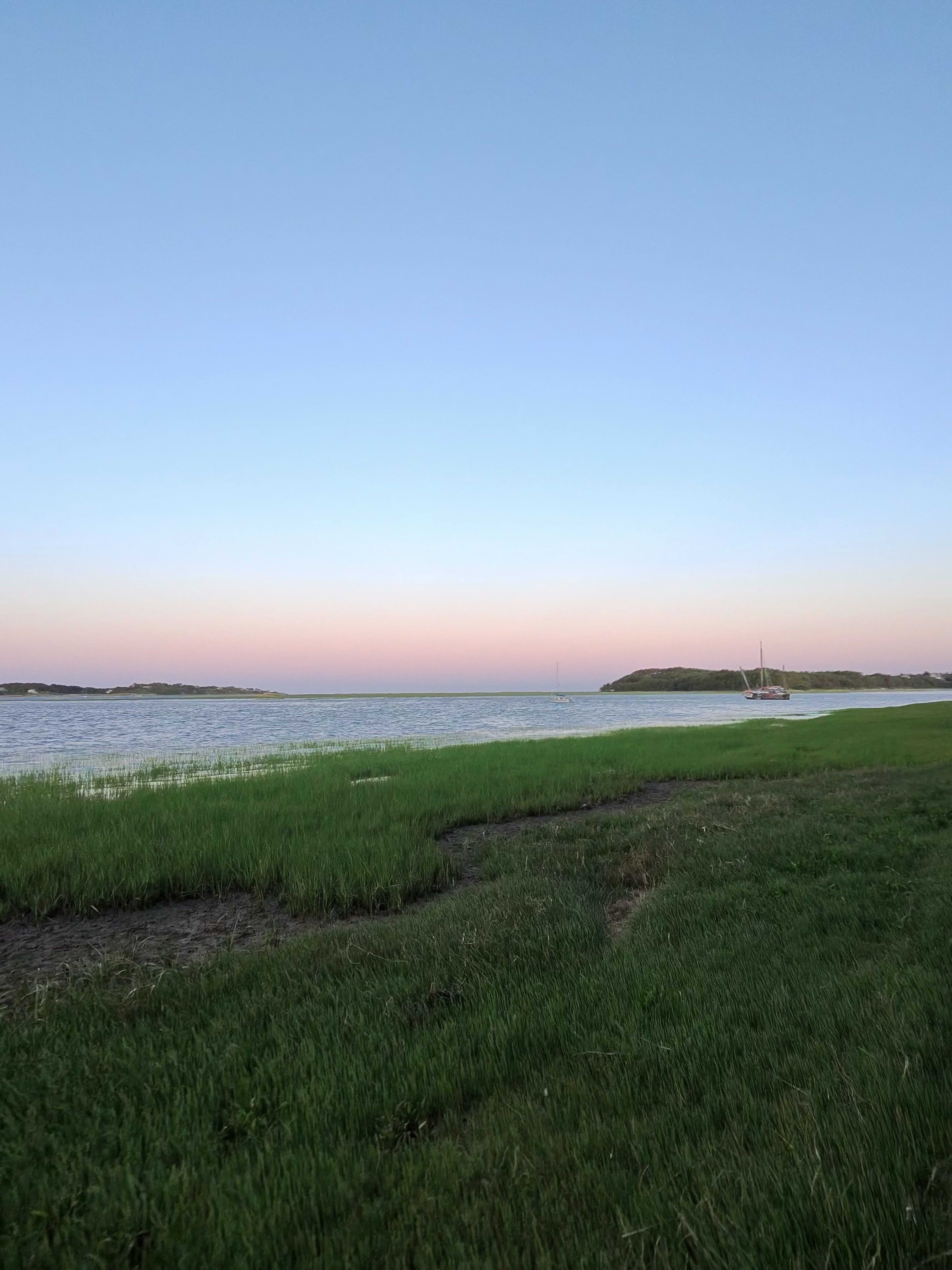
The Cape doesn't go quiet in October — it shifts. The summer crowds thin, the lines at the fish shack disappear, and the roads open up. But the nurses at Cape Cod Hospital, the contractors rebuilding after last spring's storm damage, the restaurant managers who stayed through the slow season, the teachers at Nauset or Falmouth High — they still need a place to live. The winter rental market on Cape Cod is real, it's underserved, and if you own a second home paying carrying costs on an empty house from September through May, it's worth understanding.
This guide is for owners thinking seriously about a winter tenant — and for the workers and locals hunting these rentals who want to know what they're actually stepping into.
What Makes Cape Cod's Winter Rental Market Different
The Cape's rental economy is built almost entirely around summer. The majority of available housing inventory gets priced for peak-season visitors, which means a large segment of the year-round workforce — trades, healthcare, hospitality management, municipal workers — is chronically squeezed for off-season options.
That squeeze creates a genuine off-season tenant pool: people who need a furnished or partially furnished home from roughly September through late May, who are employed, stable, and often deeply motivated to find something because the alternative is a long commute off-Cape or leaving the community entirely. Traveling healthcare professionals assigned to Cape hospitals, remote workers who've chosen to spend a season here, couples between home sales, and longtime locals priced out of year-round inventory all end up in this pool.
For an owner, that demand is the underlying logic of a winter rental. You're not renting to tourists. You're renting to a tenant who needs a home.
What a Winter Rental Actually Is
A winter rental on the Cape is typically a furnished, medium-term lease that begins in September or October and ends in late May or early June — before the summer season starts and before you'd want the property back for peak rental or personal use.
The key structural features:
Furnished or semi-furnished. Most winter rentals include furniture, linens, kitchen supplies, and appliances. Some owners remove a few high-value or sentimental items. Either approach works — just document what's there before the tenant moves in.
Utility arrangements vary. Some owners include utilities in the rent. Others have the tenant take over electric, gas, and internet accounts directly. Both models are common; the right choice depends on how much heating-bill risk you're comfortable carrying through a cold winter. Whatever you decide, spell it out clearly in the lease.
A defined end date. The lease end date matters more than almost anything else in this arrangement. If you're returning the property to summer use, you need the tenant out with enough time for cleaning, repairs, and improvements before your first summer booking. Build in buffer. Be explicit in the lease.
The house stays lived-in. This is the often-overlooked benefit. A properly screened tenant heats the house, runs water through the pipes, spots a leak before it becomes a disaster, and keeps the property in a state of active use through the harshest months of the year.
Local realtor recommendations
SponsoredLocal realtorsOpen
Be one of 6 local realtors on this guide
Each guide holds a small, fixed number of local names — never an open auction. Yours would link to your own page on Cape Cod Certified.
Claim a spotThe Honest Math
Here's what every owner who asks about winter rentals needs to hear first: a full winter lease will not generate what one busy August week can earn in the short-term rental market. That's not a knock on winter rentals — it's just the context.
What a winter rental does is convert carrying costs into a partial offset. You're paying for heating, insurance, property management, and maintenance whether the house sits empty or someone lives in it. A tenant pays rent, and depending on the market, the property, and the arrangement, that rent can cover a meaningful portion of your off-season costs. For a fuller breakdown of what an empty Cape house actually costs to carry through the colder months, read our off-season cost guide before you run your numbers. And if you're also weighing the short-term rental model year-round, our STR investment guide walks through that calculus in detail.
The secondary return is property stewardship. A house that sits vacant from October through May on the Cape faces real risk: frozen pipes, undetected leaks, pest infiltration, mold from humidity fluctuations, and — more common than owners expect — break-ins or vandalism. A tenant is a set of eyes and a presence. That has value that doesn't show up on a spreadsheet.
Before you price anything: talk to local real estate agents who handle off-season rentals and look at active listings in your town. Winter rental pricing varies significantly by location, property size, and what the lease includes. Confirm current market rates with agents who track it closely.
Screening and Lease Basics: Involve an Attorney
A winter rental is a residential tenancy, which means Massachusetts landlord-tenant law applies in full. You are not doing a vacation rental transaction. You are creating a landlord-tenant relationship with all of the statutory protections that come with it. That said, the fundamentals are straightforward:
Screen like a landlord. Rental application, credit check, employment verification, references. Take your time. The wrong tenant in a remote property is much harder to correct than the right tenant from day one.
Discuss security deposit rules with your attorney before you collect anything. Massachusetts has specific requirements around how much you may collect, how it must be held, what documentation is required, and what the penalties are for non-compliance. These rules matter and they are enforced. Get them right before the tenant signs.
Get a written lease. A handshake arrangement is not appropriate here. Your lease should cover: the exact term and end date, rent amount and due date, utility responsibility, what personal property is included and in what condition, entry notice requirements, what happens if the tenant doesn't vacate on time, and any restrictions on smoking, pets, or guests. Have an attorney draft or review it.
Understand your obligations before move-in. Massachusetts gives tenants meaningful protections around habitability, repairs, and the eviction process. A well-maintained property and a properly executed lease make the relationship straightforward. Cutting corners on either creates exposure you don't need.
The tenant pool for Cape winter rentals tends toward responsible, stable people — precisely because they need stable housing. But the legal framework doesn't bend based on the tenant's character. Follow the statute.
Insurance: The Occupied vs. Vacant Question
Your current homeowner's or second-home policy was likely written around seasonal vacancy. Adding a tenant changes your insurance situation in ways that matter.
Tell your insurer before the tenant signs anything.
A policy written for a vacant or seasonally occupied home may exclude or limit coverage for tenant-caused damage, liability events, or certain perils when the property is occupied by a non-family member. Some carriers require a separate landlord or dwelling policy. Others adjust endorsements. The conversation is simple; the consequences of skipping it are not. We've covered the nuances of winter vacancy clauses and off-season coverage in detail — the Cape Cod winter vacancy insurance guide specifically addresses what changes when a property goes from vacant to occupied mid-policy term.
Also consider requiring the tenant to carry renters insurance. It's inexpensive for them and creates a clear line of demarcation between your property and their belongings in the event of a claim.
How to List a Winter Rental
You don't need a glossy summer-rental listing to find a winter tenant. The channels are different:
Local Facebook groups. Cape Cod has active community housing groups where off-season rental listings circulate and fill quickly. A straightforward post — location, bedrooms, rough price, availability window — will generate real responses from people who know the area.
Local real estate agents. Many agencies on the Cape actively handle off-season rentals and maintain running lists of clients seeking them. An agent handles showing, screening, and often the lease. If you're not local or you're not comfortable running the process yourself, this is the right call. Ask about their fee structure upfront.
Word of mouth. Healthcare systems, school districts, and large contractors on the Cape quietly maintain housing referral networks for employees and traveling professionals. If you know someone in one of those industries, a direct inquiry can shortcut the search entirely.
Specialty platforms. Sites focused on traveling professionals and medium-term tenants can work well for this use case. General short-term rental platforms are designed for brief stays and carry fees that make them less efficient for a multi-month lease.
However you list, be clear about the term, the furnished status, and the end date. Serious winter renters on the Cape know the market and will ask about summer handoff immediately.
Handing the House Back for Summer
The end of a winter tenancy is as important as the beginning.
A move-out inspection process should be agreed upon in the lease — what condition the property is expected to be returned in, how that compares to the move-in documentation, and what the remediation process looks like if there's damage. Agree on this in writing before move-in. If you've documented the pre-tenancy condition thoroughly with photos and a written inventory, the move-out conversation is almost always straightforward.
Budget time for post-tenancy cleaning, any needed repairs, and a final systems check before your first summer guests or your own arrival. If you closed the house last fall with a structured process, reversing it systematically is much faster than starting from scratch. Our winter closing checklist for absentee owners covers what to restore when re-opening — work through it in reverse order for your summer prep sequence.
The goal is simple: hand the house to summer in exactly the condition you'd want to find it yourself.
The practical summary for owners: a winter rental is not a passive income strategy — it's an active management decision that requires a proper lease, proper insurance, and a tenant you've screened. Done right, it offsets carrying costs, keeps the property in active use, and delivers a house someone has been caring for all winter rather than one that's been sitting. Done carelessly, it creates exposure you don't need.
Talk to an attorney before you list. Talk to your insurer before the tenant signs. Talk to a local agent before you price it.
Get the best of Cape Cod — free.
Guides, hidden spots, and seasonal tips from people who actually live here.
Frequently asked questions
Who is actually looking for a Cape Cod winter rental?
The pool is broader than most owners expect: year-round Cape workers in healthcare, trades, education, and municipal roles who can't find affordable permanent housing; traveling professionals assigned to Cape hospitals or job sites for a season; remote workers who've chosen to spend the winter here; and couples or individuals between home sales. These aren't transient strangers — they're people embedded in the community who need stable housing and are often highly motivated to find something that works.
Does Massachusetts law treat a winter rental differently from a summer vacation rental?
No — a winter tenant is a residential tenant under Massachusetts law, and the full suite of landlord-tenant protections applies. That includes security deposit rules, habitability requirements, and the formal eviction process if it ever comes to that. This is not a vacation rental transaction; it's a lease with all the legal weight that implies. Involve an attorney before you finalize any agreement.
What should I do about homeowner's insurance before renting?
Call your insurer before the tenant signs anything. Policies written for seasonal or vacant properties often have exclusions or limitations that apply when the home is occupied by a non-family member. Your carrier may require a landlord policy or a specific endorsement to maintain full coverage. Read the Cape Cod winter vacancy insurance guide (opens in a new tab) for a detailed breakdown of what changes at the policy level.
Do I have to furnish the house?
Most Cape winter rentals are offered furnished, which is a significant draw for the tenant pool — particularly traveling professionals who aren't moving with household goods. That said, there's no hard rule. Some owners rent semi-furnished, with furniture and appliances in place but linens or specific items removed. Whatever you include, document it thoroughly with photos and a written inventory at move-in. The documentation protects both parties at move-out.
How do I make sure I get the house back in time for summer?
The lease end date is everything. Negotiate it before signing, write it into the agreement explicitly, and build in buffer between the tenant's last day and your first summer obligation. A post-tenancy inspection clause agreed upon at the start gives you a clear, documented standard to enforce at move-out. If you're not local, consider using a property manager to handle the final walkthrough and coordinate any needed cleaning or repairs.