A day on the Cape, told from the second-homeowner's side of it. Every place in this story is real and vetted in person.
The cooler is already in the car when you realize you've forgotten to do this gracefully. You've been doing this for years — the September shutdown, the ritual dismantling of the summer self — and still it catches you sideways.
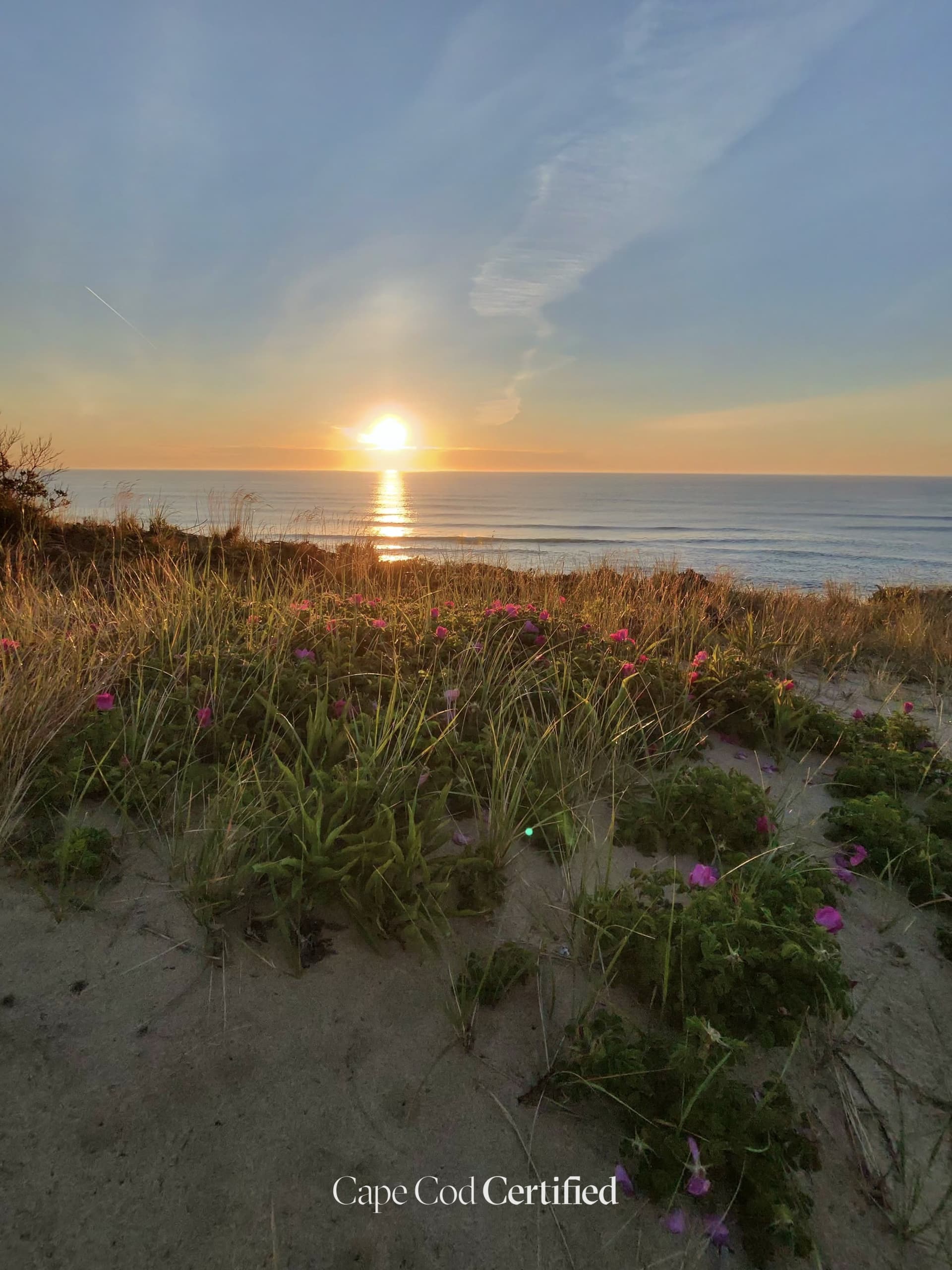
Truro in early fall is not a sad thing. That's the first lesson you had to learn, the hard one. The crowds have dissolved back into their ordinary lives, and what's left is something quieter and more honest: the real Cape, the one the year-rounders protect all summer just by knowing it's there. The light is different in September. Lower, longer, it comes through the living room at an angle that never happens in July. The bay glitters in the late afternoon like it's trying to show off one last time.
The checklist is muscle memory now. Drain the outdoor shower. Pull the propane out from under the deck. Fold the hammock that never got used quite as much as you imagined it would when you bought it. Strip the beds, run the sheets, leave the house smelling like laundry instead of sunscreen. You've followed the winter closing checklist so many times you could recite it, and still you walk through every room twice, touching things.
The mug collection has grown again. You don't know exactly how — it simply grows, the way all summer houses accumulate their specific archaeology. A ceramic puffin from the crafts fair. A Provincetown mug from a gallery visit back in June. You wrap them in dish towels because you're not ready to see them go into a box.
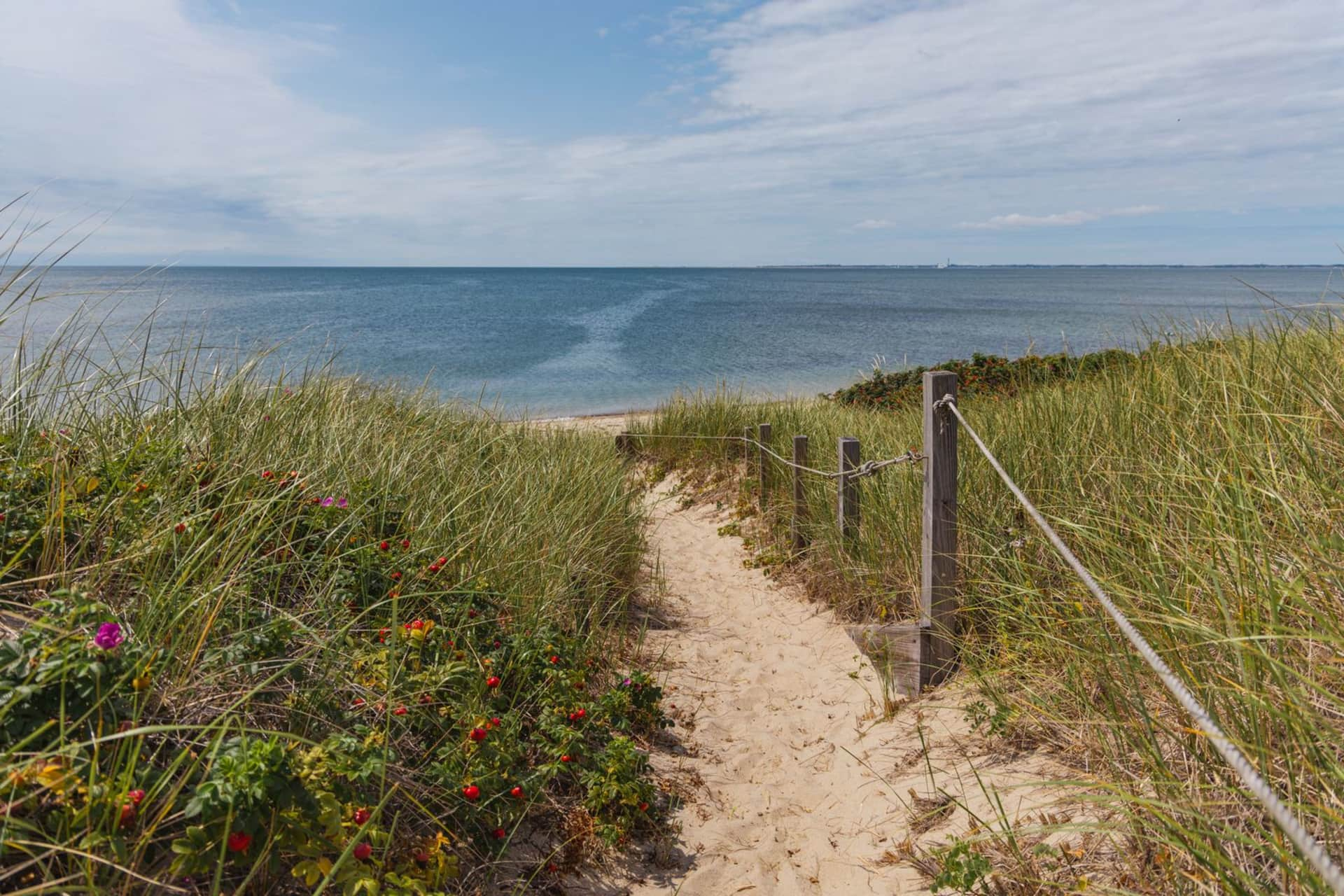
The last morning, you drive the back roads. That is the other ritual, the one that isn't about the house. Truro's roads curve and dip through scrub oak and pitch pine in a way that still surprises you, even now. You pull over somewhere past the highland and let the car idle. The Atlantic is out there, just beyond the rise — you can smell it. In July this spot would have had three cars behind you before you even turned off the engine. Today you are entirely alone.
There are things to do in Truro in all seasons, if you know where to look — but right now, doing nothing feels like the whole point. The point of this place has always been the quality of the nothing.
The hard part isn't closing the house. The hard part is the drive back down Route 6, watching the Sagamore Bridge come up in the distance, understanding that you've already started calculating. The off-season costs are part of it — the oil delivery, the plow contract, the taxes that come due in winter like a quiet reminder that this place is real year-round, not just in memory. You run the numbers somewhere in the back of your mind, not anxiously, just honestly, the way you do when something matters.
By the time you cross the bridge, the Cape has already begun to recede into that particular quality of past tense that summer places carry through the colder months. Not gone. Just held. The house will be there, cold and dark and waiting.
You'll be back before the forsythia.
Get the best of Cape Cod — free.
Guides, hidden spots, and seasonal tips from people who actually live here.
Frequently asked questions
How do you close a Cape Cod house for winter?
The core tasks are draining the outdoor shower, removing propane from under the deck, stripping beds and running the sheets, and walking through every room to make sure nothing is overlooked. A dedicated winter closing checklist helps make the process systematic so nothing gets missed.
Is Truro worth visiting in September?
Early fall in Truro is quieter and more honest than summer, with crowds gone and a lower, longer light that never appears in July. The back roads curve through scrub oak and pitch pine, and spots that would be packed in summer are easy to have entirely to yourself.
What ongoing costs should I expect from a Cape Cod second home in winter?
Off-season costs include oil delivery, a plow contract, and property taxes that come due during the colder months. They're worth factoring in honestly since owning a Cape home is a year-round commitment, not just a summer one. Confirm current rates with local providers before budgeting.
What is the Cape like once the summer crowds leave?
After Labor Day, what's left is something quieter and more honest — what year-rounders know is there all along. The bay glitters in late-afternoon light at angles that never happen in July, and the back roads through scrub oak and pitch pine feel like a different place entirely.
When do second-home owners typically reopen their Cape Cod houses in spring?
Many plan to return before the forsythia blooms, using that early spring flowering as a personal landmark for when the house comes back to life. The house spends the winter cold and waiting — the off-season is part of what makes the return feel meaningful.