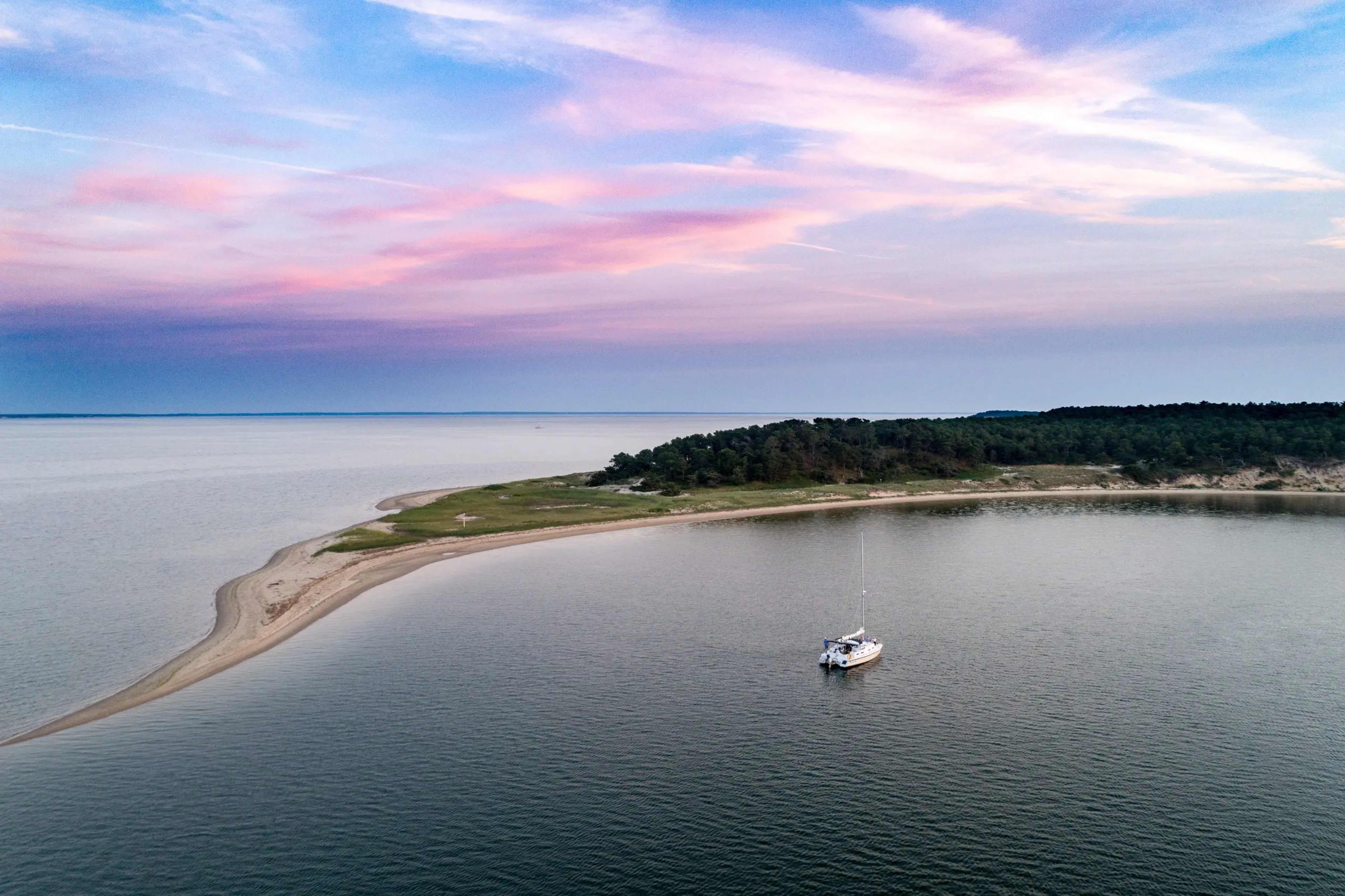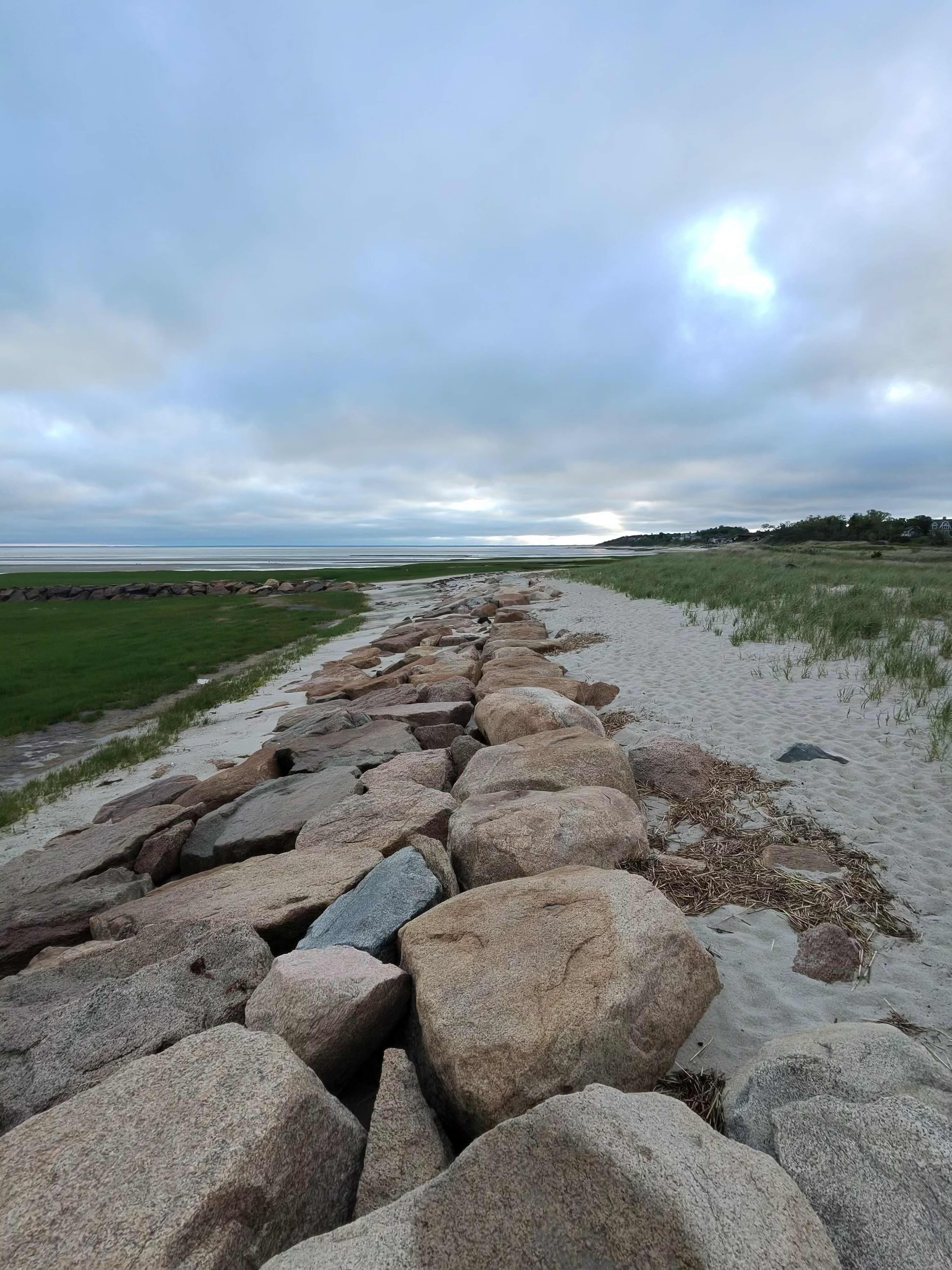
You found the Cape Cod house. Water views, walk to the beach, the whole dream. Before you fall all the way in love, there's a due-diligence step that separates happy Cape owners from ones with a nasty surprise on their first insurance renewal: understanding the property's coastal risk. On a peninsula where the ocean is the whole point, flood zones, insurance, and erosion aren't fine print — they're core to what you're buying. Here's what every Cape homebuyer must check. (Always verify a specific property's flood zone, insurance cost, and local rules with FEMA, the town, and a licensed agent before you commit.)
Why buyers can't skip this
A beautiful coastal home can carry costs and constraints that never show up in the listing photos: mandatory flood insurance, elevation requirements on any future work, and long-term erosion or sea-level exposure. These don't make a property a bad buy — but not knowing about them makes it a bad decision. Smart Cape buyers price coastal risk in, up front.
The buyer's coastal-risk checklist
| Check | Why it matters | Where to verify |
|---|---|---|
| FEMA flood zone | Drives insurance requirement + cost | FEMA Map Service Center; the town |
| Actual flood insurance quote | V-zone premiums can be a big annual cost | A flood insurance agent, for that address |
| Elevation certificate | Determines flood insurance rate | Existing cert, or a licensed surveyor |
| Erosion / bluff position | Long-term risk to the structure | Town conservation; coastal engineers |
| Renovation limits | "Substantial improvement" can force elevation | Town building department |
| Wind insurance | Coastal wind coverage is separate & pricey | Insurance agent |
Local realtor recommendations
SponsoredLocal realtorsOpen
Be one of 6 local realtors on this guide
Each guide holds a small, fixed number of local names — never an open auction. Yours would link to your own page on Cape Cod Certified.
Claim a spotFlood insurance: get a real quote, not a guess
If the home is in a high-risk flood zone (the FEMA A or V families) and you're using a federally-backed mortgage, flood insurance is mandatory. Coastal V-zones (velocity/wave zones) carry the highest premiums. The mistake buyers make is estimating; the fix is simple: have an agent quote flood insurance for the exact address before you're under agreement. The number sometimes reshapes the whole budget.
Erosion and the long view
Beyond flood zones, Cape Cod's coastline moves. Bluffs erode, barrier beaches shift, and sea level is rising. For a waterfront or bluff-top property, ask:
- How has this shoreline changed over recent decades? (Town conservation and historical aerials help.)
- Is the structure protected or exposed, and are coastal-engineering fixes even permitted here? (They're heavily regulated.)
- What's the long-term outlook for this specific stretch?
This matters most for the most desirable properties — the ones right on the water.
Renovation reality for buyers
If you plan to renovate, understand this before you buy: in a high-risk flood zone, a substantial improvement (major renovation or repair over a threshold of the building's value) can trigger a requirement to elevate the entire structure to current flood standards — a massive cost. Ask the building department how your plans would be treated before closing, not after.
How to buy coastal, smart
- Look up the FEMA flood zone for the address.
- Get an actual flood (and wind) insurance quote for that property.
- Check for an existing elevation certificate; if none, factor getting one.
- Ask the town about erosion history and renovation/elevation rules.
- Price it all in — then decide. Coastal risk isn't a reason to walk; it's a reason to know your true cost of ownership.
Don't miss: getting the flood insurance quote before you're emotionally committed. The single most common Cape buyer's regret isn't the house — it's the annual coastal-insurance bill they didn't see coming. Ten minutes with an agent, on the specific address, up front, prevents it entirely.
Make It a Day, the Certified Way
Get the best of Cape Cod — free.
Guides, hidden spots, and seasonal tips from people who actually live here.
Frequently asked questions
Do I have to get flood insurance if I buy a house in a flood zone?
If the home is in a high-risk flood zone (the FEMA A or V families) and you're using a federally-backed mortgage, flood insurance is mandatory. The best move is to have an agent quote flood insurance for the exact address before you're under agreement, since the number can reshape your whole budget.
What is a V-zone and why does it matter for insurance?
V-zones are coastal velocity and wave zones designated by FEMA and carry the highest flood insurance premiums. The mistake buyers make is estimating the cost rather than getting a real quote for the specific address before committing.
Can renovating a house in a flood zone force you to elevate it?
Yes. In a high-risk flood zone, a substantial improvement — a major renovation or repair over a threshold of the building's value — can trigger a requirement to elevate the entire structure to current flood standards, which can be a massive cost. Ask the building department how your plans would be treated before closing, not after.
What is an elevation certificate and do I need one?
An elevation certificate determines your flood insurance rate. Check whether one already exists for the property; if none does, factor the cost of getting one from a licensed surveyor into your budget.
Is coastal erosion a real risk for Cape Cod waterfront homes?
Yes — Cape Cod's coastline moves. Bluffs erode, barrier beaches shift, and sea level is rising, making erosion especially relevant for waterfront and bluff-top properties. Coastal-engineering fixes are heavily regulated, so confirm the long-term outlook and what protections are permitted with the town conservation office.