Chatham, Massachusetts is home to the largest gray seal colony on the United States East Coast — a year-round wildlife spectacle that rivals whale watching in drama and accessibility. Tens of thousands of Atlantic gray seals (Halichoerus grypus) haul out on Monomoy Island and the outer sandbars south of Chatham's barrier beach, and you can watch them from shore for free or get within yards of them on a licensed boat tour. Most visitors to Cape Cod have no idea this is happening.
The Chatham Gray Seal Colony: What You Are Actually Looking At
Atlantic gray seals are the ones you want to see. Larger, darker, and more striking than the harbor seals that occasionally visit Cape Cod harbors in winter, gray seals have the long Roman-nosed faces, deep-set eyes, and heavy whiskers that make them look prehistoric. Adult males can weigh over 700 pounds. The Chatham colony is not a recent phenomenon — gray seals were protected under the Marine Mammal Protection Act of 1972, and the population has grown steadily over the following decades as protections took hold. Today the colony numbers in the tens of thousands of individuals. They haul out — meaning they rest on dry land — on the sandbars and barrier islands of Monomoy, visible from the Chatham shore on clear days.
This is a resident colony, not a seasonal migration. Some form of seal activity is observable in Chatham in every month of the year, which makes it one of the most reliably rewarding wildlife destinations in the Northeast.
Chatham Lighthouse Beach: The Shore View Every Visitor Should Make
Chatham Light sits at the end of Main Street on a bluff overlooking one of the most dramatic geographic features on the Cape — the Chatham Bar, where the open Atlantic meets the inner harbor, and beyond it the outer sandbars where seals congregate. With binoculars, gray seals are visible on those bars on most calm days. In rougher weather, seals bob in the surf or ride the tide near the cut in the barrier beach.
What to bring: A pair of binoculars (10x42 minimum) makes an enormous difference. Seals on the outer bars are visible to the naked eye on clear days, but binoculars let you actually count individuals, spot pups in winter, and watch the constant restless movement of a resting colony.
Parking: There is a small lot at Chatham Light that fills quickly in summer. Arrive before 9am to guarantee a spot; confirm current parking rules, as seasonal fees have changed in recent years.
Access: Open year-round, sunrise to sunset, no reservations required. Winter visits on a weekday morning are an underrated experience — you will often have the bluff largely to yourself while hundreds of seals work the outer bars below. The view from the lighthouse bluff is free and frankly extraordinary.
Chatham Fish Pier: The Most Overlooked Wildlife Moment on Cape Cod
Shore Road in Chatham runs along the inner harbor, and the Chatham Fish Pier is where the working fishing fleet comes in each afternoon — typically between 2pm and 4pm, though timing varies with the tide and the catch. When the boats dock and begin unloading, seals appear. Gray seals and harbor seals crowd the slips, porpoising alongside hulls, begging for fish scraps with the confident familiarity of animals that have learned exactly where the food comes from.
This is not a curated wildlife experience. There is no admission, no tour guide, no reservation system, no narration. You are watching a working New England fishing port operating while seals treat the whole scene as their personal commissary. It is one of the most authentic Cape Cod wildlife encounters available to any visitor, and the majority of people passing through Chatham have no idea it is happening a few hundred yards off Main Street.
Park along Shore Road or in the adjacent lot. Walk the pier, watch the unloading, and maintain respectful distance — the Marine Mammal Protection Act applies on land and in the water. NOAA recommends a minimum 50-yard buffer from seals.
Monomoy National Wildlife Refuge Seal Tours: Getting Up Close
Monomoy Island is a 7,604-acre federal wildlife refuge administered by the US Fish and Wildlife Service — a barrier island with no bridge, no road, and no public ferry. The only way to reach the seal haul-out areas is by private boat or licensed tour operator.
Several companies operate seal excursions from Chatham Harbor. Monomoy Island Excursions has historically run 2-to-3-hour trips that bring passengers close to the haul-out areas. Expect a moderate per-person fare for a two-to-three-hour trip; confirm current pricing with the operator when you book. The boats comply with wildlife approach regulations while still giving guests close views — you are not watching seals from 300 yards away through binoculars; you are on the water alongside a sandbar where dozens or hundreds of animals are resting, rolling, and socializing.
Booking tips
- Summer tours (July–August) fill up fast — book at least a week ahead; operators typically run multiple daily departures at peak season
- Fall is the strategic sweet spot: fewer crowds, calmer water, seal numbers building toward the winter peak
- Dress for water temperature, not air temperature — even on an 80-degree August afternoon, the offshore breeze on the open water is cold; layers are not optional
- Tours depart from Chatham Harbor or Stage Harbor Marina; confirm the exact departure point with your operator when booking
In winter, during pupping season (December through February), some operators offer trips oriented specifically around pup viewing. These can be among the most extraordinary wildlife experiences in the entire Northeast — a sandbar dense with nursing females, newborn pups, and massive bulls, audible and visible from the water in a way that no wildlife documentary can replicate.
Great White Sharks and the Seal Connection: The Complete Story
The seal colony is the reason great white sharks (Carcharodon carcharias) are present in Chatham waters from roughly July through November. This is the honest, complete version of the Chatham wildlife story: a thriving gray seal colony is a major food source for great whites, and Chatham has become one of the most significant great white aggregation areas on the US East Coast. Ignoring it would be misleading.
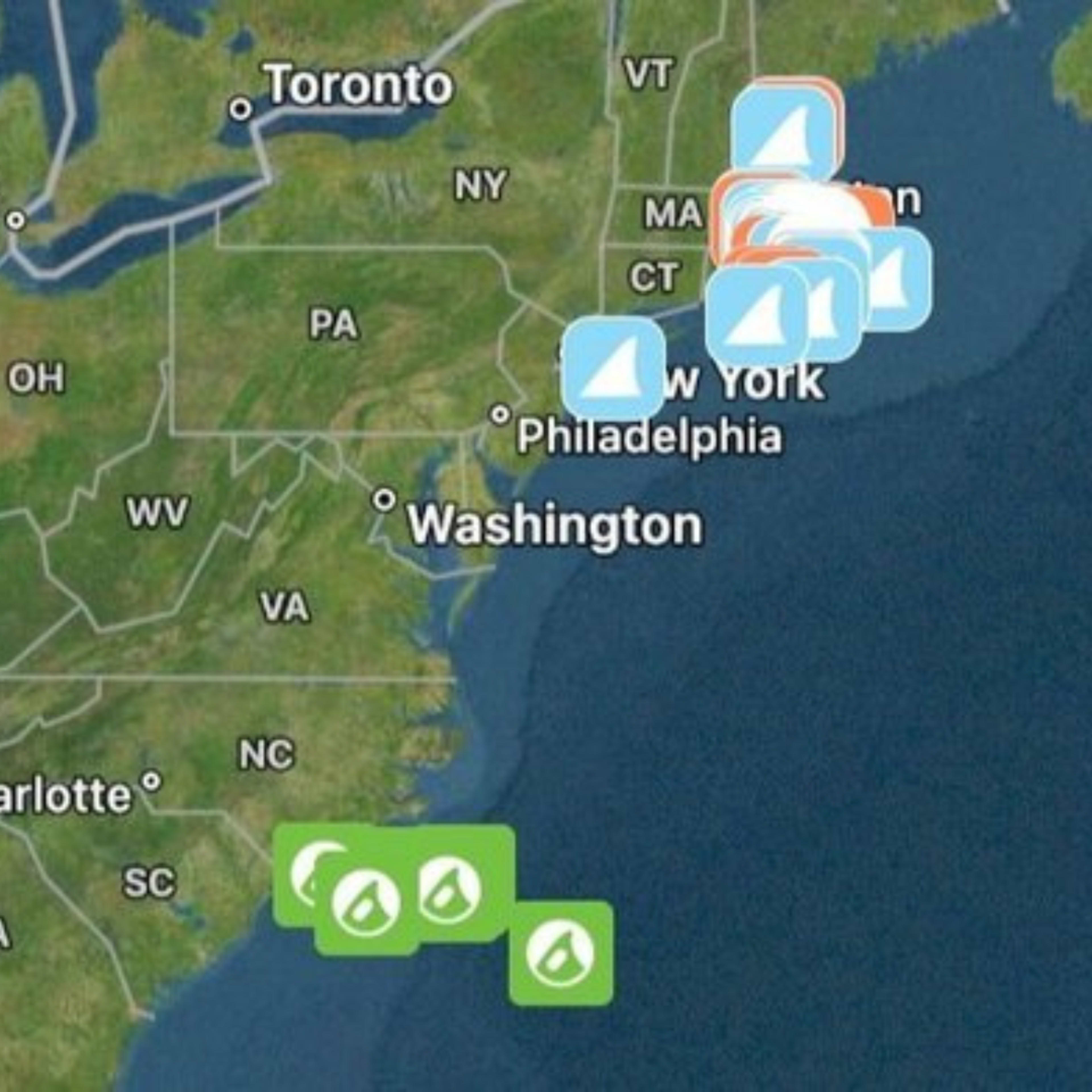
The Atlantic White Shark Conservancy (AWSC) is based in Chatham. Their Sharktivity app provides real-time shark sighting reports and beach closure notifications — download it before swimming near any Outer or Lower Cape beach in summer and fall. The AWSC also operates the Chatham Shark Center, a small interpretive space in downtown Chatham that maps the predator-prey ecology and displays tracking data from tagged sharks.
For swimmers and paddlers: Chatham's ocean-facing beaches carry documented great white shark risk from July through November. The Town of Chatham posts beach flags — white means no recent sighting, red means do not enter. Follow them without exception. The risk is real but navigable with awareness.
When to Visit: Seasonal Guide to Gray Seals in Chatham
Winter (December–February): Peak season. Pup births make this the most dramatic period — the colony reaches maximum density, pupping activity is visible from shore and accessible up close on tours, and winter light on the outer bars is exceptional. Cold, sometimes brutally cold. Worth every layer.
Spring (March–May): Pups from the previous winter season are mobile, active, and curious. Colony numbers remain high. Boat tours ramp back up for the season. Water is still cold, the air is improving. Excellent shoulder-season timing with fewer crowds than summer.
Summer (June–August): Tour operators at full capacity, departures multiple times daily. Seals remain present in the water and on the outer bars, though land haul-out density is lower than winter. Fish Pier activity is at its peak — afternoon viewing is spectacular. Great white shark presence is high; ocean swimming requires full awareness.
Fall (September–November): The most underrated season. Seal numbers build back toward winter peak, water is clearer and calmer than August, and the Cape is far less crowded. Great white presence peaks in October. Birders note that Monomoy in fall is also one of the premier shorebird migration stopover sites in the Eastern United States — a seal tour and a birding session can share the same morning.
Quick Facts and Practical Information
| Detail | Information |
|---|---|
| Chatham Light parking | Small lot at end of Main Street; arrives full by 9am in summer; confirm current fees |
| Fish Pier viewing | Free; no reservation; best 2–4pm when fishing fleet returns |
| Monomoy seal tour cost | Moderate per-person fare — confirm with operator before booking |
| Tour duration | 2–3 hours |
| NOAA approach guideline | 50 yards minimum from seals in water |
| Sharktivity app | Free; Atlantic White Shark Conservancy; essential for beach safety July–November |
| Chatham Shark Center | Downtown Chatham; free or low admission; confirm current hours |
| Dogs near seals | Seals may haul out near Morris Island — keep dogs leashed and at distance from any seal on shore at all times |
| Best optics | 10x42 binoculars minimum for shore-based viewing |
Beaches & trails in this guide
Gray seals in Chatham are one of the true wildlife wonders of the Northeast — a year-round colony that most Cape visitors never know exists. For more certified local guides to wildlife, outdoor experiences, and what to do across the Cape, visit the Cape Cod Certified directory.
Chatham Businesses We'd Send Family To
Cape Cod Certified recommends these verified local spots:
- Chatham Art in the Park — 5★ (7 Google reviews)
Your Certified Next Steps
Get the best of Cape Cod — free.
Guides, hidden spots, and seasonal tips from people who actually live here.
Frequently asked questions
When is the best time to see gray seals in Chatham?
Gray seals are present year-round, but winter brings the most dramatic activity — pupping season draws the colony to its highest density on the outer sandbars. Fall is an underrated option: seal numbers build back toward winter levels, the water is calmer, and the crowds are thinner than summer.
Can you see gray seals from shore without taking a boat tour?
Yes — the bluff at Chatham Light overlooks the outer sandbars where seals haul out, and on most calm days they're visible to the naked eye; a good pair of binoculars makes a real difference. The Chatham Fish Pier is a second shore option, where seals gather alongside the fishing fleet in the afternoon.
How do I book a Monomoy Island seal tour?
Licensed tour operators run boat trips to the seal haul-out areas around Chatham and Monomoy. Summer trips fill quickly, so book ahead, and fall offers calmer water and thinner crowds. Confirm pricing and departure point with your operator.
How close do you actually get to seals on a Monomoy boat tour?
Boat tours bring passengers close enough to watch seals resting, rolling, and socializing on the sandbars — a fundamentally different experience from shore viewing. Operators comply with wildlife approach regulations, so you are alongside an active haul-out rather than observing from a great distance.
Are great white sharks a concern in Chatham because of the seals?
Yes — the gray seal colony is the primary reason great white sharks are present in Chatham waters from roughly July through November. Download the Atlantic White Shark Conservancy's Sharktivity app for real-time sighting reports, and follow beach flag warnings before entering the water during those months.