Mashpee is unlike any other town on Cape Cod. While the rest of the Cape was colonized and carved into townships through the 17th and 18th centuries, Mashpee remained — against extraordinary odds — the homeland of the Mashpee Wampanoag Tribe. That fact shapes everything about this town: its history, its landscape, its community, and the way visitors should approach it.
A trip to Mashpee is not just a beach day. It is an encounter with one of the longest stories on the Eastern Seaboard.
The Mashpee Wampanoag: Thousands of Years at Home
The Wampanoag people have lived on Cape Cod for at least 12,000 years. When the Pilgrims landed at Plymouth in 1620, they were arriving in a world the Wampanoag had long organized, cultivated, and governed. Squanto, the Wampanoag man who helped the Plymouth colonists survive their first winter, spoke English because he had already been kidnapped and transported to Europe — and had managed to return. That is the kind of history that runs beneath the surface of southeastern Massachusetts.
The Mashpee Wampanoag held onto their community land in Mashpee through waves of colonial pressure, land grabs, and legal challenges that stretched across centuries. They maintained a town — sometimes with rights, sometimes without — when most other indigenous communities on the Eastern Seaboard had been dispossessed entirely.
The tribe's federal recognition was stripped in the 20th century, and they spent decades fighting to regain it. In 2007, after a long legal and political struggle, the Mashpee Wampanoag Tribe was granted federal recognition. That recognition restored treaty rights and the legal standing to protect their homeland. It also opened the door to the tribe's ongoing efforts to reclaim land into trust — a process that has continued into the 2020s through federal courts.
When you visit Mashpee, you are visiting a living tribal homeland, not a historical footnote.
The Mashpee Wampanoag Powwow
The single most important cultural event on Cape Cod each summer.
The Mashpee Wampanoag Powwow, held annually over the Fourth of July weekend, is one of the oldest powwows in North America. It draws tribes from across the country and thousands of visitors. For families, it is one of the most meaningful days possible on Cape Cod — an opportunity to witness living indigenous culture practiced on the land where it was born.
The powwow takes place over three days and includes:
- Grand Entry: the formal opening procession of dancers, drum groups, and tribal leaders in traditional regalia — one of the most striking cultural ceremonies you will witness anywhere in New England
- Traditional dance competitions: intertribal categories including grass dance, jingle dress, fancy shawl, and men's traditional, judged by elders
- Drum circles: the heartbeat of the powwow; multiple drum groups cycle throughout each day
- Native crafts and vendors: beadwork, jewelry, clothing, and art made by indigenous artists
- Native foods: fry bread, corn soup, and other traditional foods available throughout the grounds
- Cultural demonstrations: storytelling, language preservation, and educational programming
The powwow is open to the public and the tribe welcomes respectful visitors. Attend with curiosity and humility. Photography protocols vary — ask before pointing a camera at dancers or ceremonies. The grounds are located at the Mashpee Wampanoag Tribal Powwow grounds; check the tribe's official website each spring for confirmed dates and details, as timing can shift slightly year to year.
Local realtor recommendations
SponsoredLocal realtorsOpen
Be one of 2 local realtors on this guide
Each guide holds a small, fixed number of local names — never an open auction. Yours would link to your own page on Cape Cod Certified.
Claim a spotMashpee Wampanoag Tribe Cultural Center and Museum
When open, the Mashpee Wampanoag Tribe Cultural Center and Museum offers an essential window into the tribe's history — from pre-contact life through colonization, the sovereignty struggles of the 19th and 20th centuries, and the federal recognition fight. Exhibits include traditional tools, regalia, and archival materials that document a story rarely told in full anywhere else.
Check current hours and programming before visiting, as hours fluctuate by season and the center occasionally closes for tribal events or staff capacity. Even a brief visit grounds everything else you will see in Mashpee in meaningful context.
South Cape Beach State Park
South Cape Beach faces Nantucket Sound and ranks among the quieter, more rewarding beaches on the Cape's south shore. The barrier dune system is intact and dramatic, the water warms faster than the ocean-facing beaches of the Outer Cape, and the crowds remain lighter than Falmouth's Surf Drive or Craigville Beach in Centerville.
What makes South Cape Beach especially worthwhile for families:
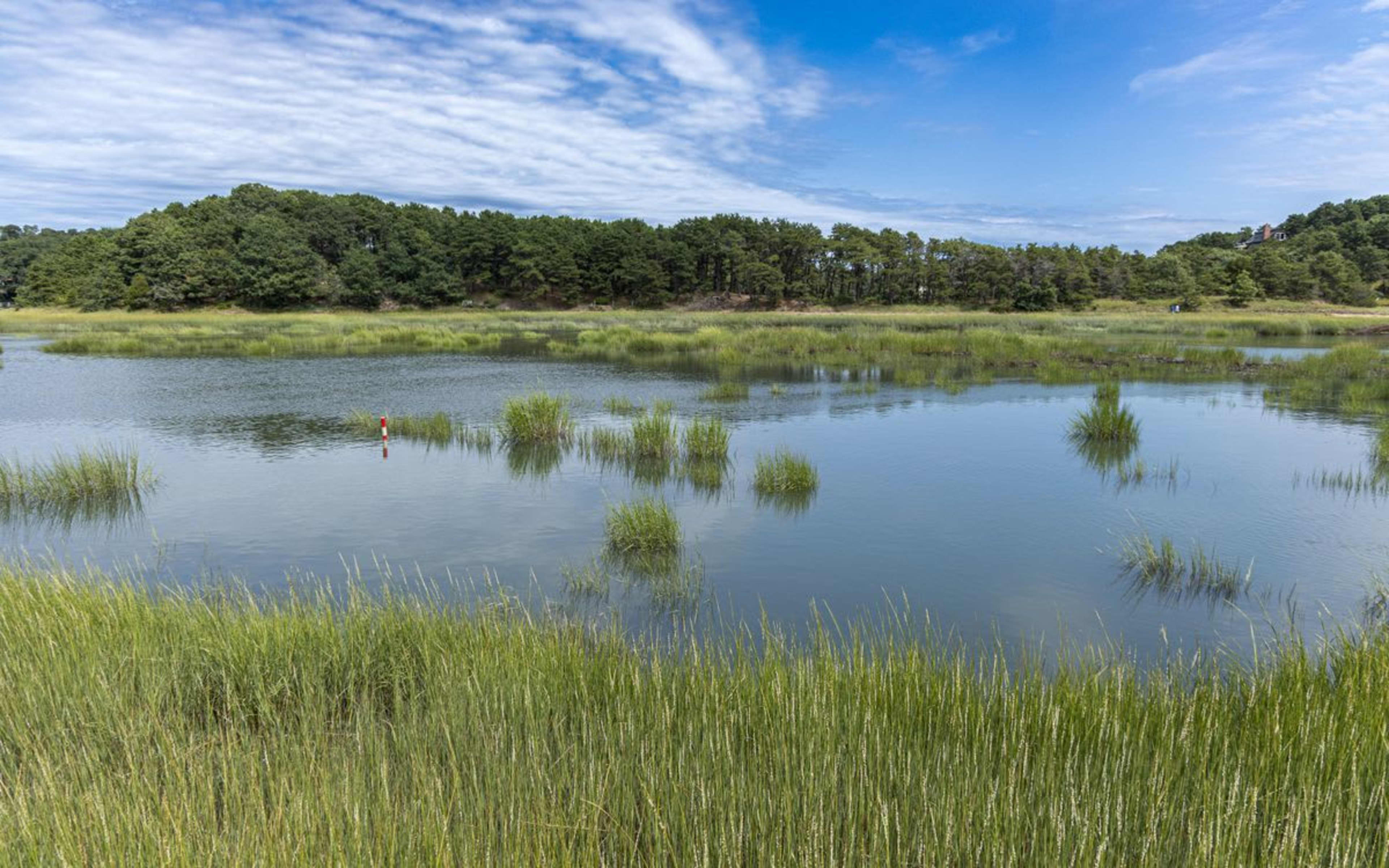
- The salt marsh behind the dunes: kayakers can launch from the parking area and paddle into the marsh, where great blue herons, egrets, and osprey are common sightings throughout the summer
- Birding: the transition zone between barrier beach, dune scrub, and salt marsh creates layered habitat; serious birders should bring binoculars
- Swimming: water temperatures on Nantucket Sound typically reach the high 60s to low 70s by mid-July, making this one of the more comfortable swimming beaches on the Cape
- Relatively uncrowded: the access road and parking lot self-limit attendance; arrive by 9am on peak weekends to guarantee a spot
There are restrooms and a seasonal staff presence. Dogs are allowed on portions of the beach outside the swimming area; check current rules at the state park website.
John's Pond
John's Pond is one of the largest freshwater kettle ponds on Cape Cod, formed when a massive block of glacial ice melted into the sandy outwash plain roughly 15,000 years ago. The result is a deep, spring-fed pond with clear water and a sandy shoreline that draws locals for swimming, fishing, kayaking, and small motorboat use throughout the summer.
For families with young children, freshwater kettle ponds offer a gentler alternative to ocean beaches. There are no waves, no rip currents, and the water temperature climbs quickly in June. John's Pond is a local recreational anchor and sees a mix of Mashpee residents and visitors. There is a public boat ramp and a swimming beach with a designated area. Fishing for largemouth bass and white perch is popular throughout the season.
Mashpee National Wildlife Refuge
The Mashpee National Wildlife Refuge protects coastal kettle pond habitat, upland scrub-oak forest, and freshwater wetlands across several tracts in and around Mashpee. The refuge is managed by the U.S. Fish and Wildlife Service and is open to the public for hiking, wildlife observation, and non-motorized recreation.
The landscape here is quiet and understated — this is not a grand mountain trail but a subtle, ecologically rich terrain that rewards patience. Red-tailed hawks, ospreys, and various warblers are common in summer. The coastal ponds within the refuge boundaries support nesting shorebirds.
Trails are marked but facilities are minimal. Bring water, wear sun protection, and check that you are on a refuge access trail rather than adjacent private land before entering.
Mashpee Commons
Mashpee Commons is the commercial and community center of town, and it is done well. The open-air design favors walkability over parking-lot sprawl, and the mix of local restaurants, regional shops, and community gathering spaces makes it a legitimate place to spend an afternoon rather than a quick errand stop.
Throughout the summer, Mashpee Commons hosts a farmers market and a calendar of outdoor events. Dining options range from casual to sit-down, and the quality tends toward the upper end of what you find in a suburban commercial district.
For visitors staying in Falmouth or passing through on the way out to the Outer Cape, Mashpee Commons makes an easy and worthwhile stop for lunch or an evening meal.
New Seabury
New Seabury is a planned resort community on the Nantucket Sound shore of Mashpee, developed in the 1960s and well-established in New England golf and resort circles. The two courses — the Ocean Course and the Dunes Course — are among the more well-regarded on the Cape, and the marina and private beach add to a self-contained resort character.
Non-members can access the courses and some resort amenities through tee time bookings and package stays. For families with golfers, New Seabury is worth knowing about as a base or a day stop. The location is excellent: Mashpee's south shore, with easy access to both South Cape Beach and the broader Falmouth corridor.
Planning Your Visit
Mashpee is most easily paired with Falmouth, which sits directly to the west. A day that combines South Cape Beach in the morning, lunch at Mashpee Commons, and an afternoon stop at the Wildlife Refuge or John's Pond makes for a full and varied summer day. The powwow weekend in early July justifies a dedicated visit on its own and should be on every Cape Cod summer itinerary.
Getting there: Mashpee is accessible from Route 28 (the main south shore corridor) and Route 151. From Falmouth, Mashpee is under 15 minutes. From Hyannis, under 20 minutes.
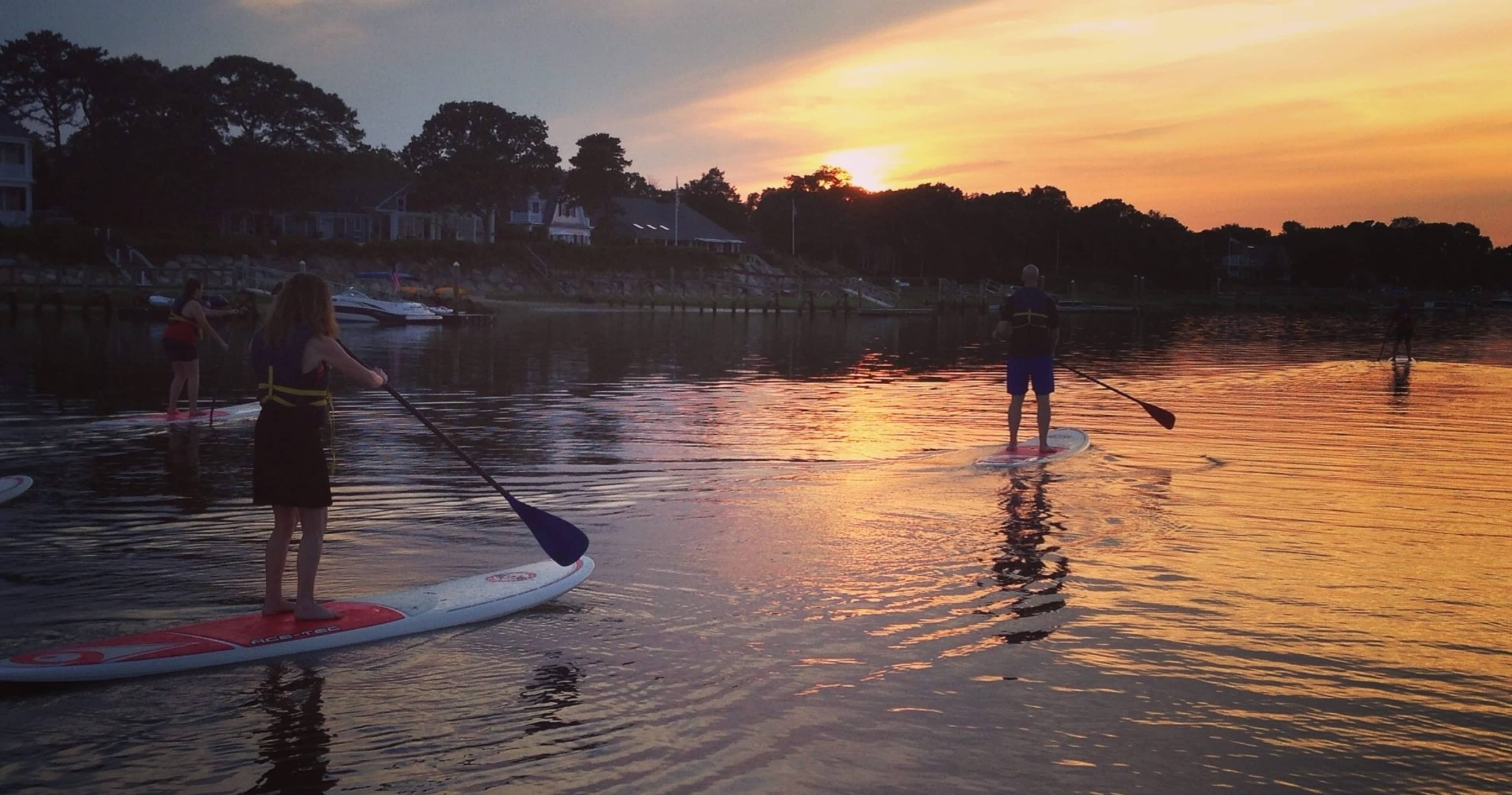
What to bring: sunscreen, a kayak or SUP if you have one, binoculars for the marsh and wildlife refuge, and an open mind about what Cape Cod history actually contains.
Mashpee does not announce itself loudly. The tribal history, the quiet beaches, the kettle ponds — these are things you have to seek out. But for visitors willing to look past the shopping plazas and golf courses, Mashpee offers something no other Cape Cod town can: a direct encounter with the people who were here first, still here, still sovereign, and still welcoming.
The Mashpee Names to Know
Cape Cod Certified recommends these verified local spots:
- Cape Cod Coffee — 4.4★ (333 Google reviews)
- Siena — 4.2★ (526 Google reviews)
- Bobby Byrne's Restaurant & Pub — 4.2★ (912 Google reviews)
- The Lanes Bowl & Bistro — 4.4★ (439 Google reviews)
Beaches & trails in this guide
- Craigville Beach, Centerville →
- South Cape Beach (Town), Mashpee →
- Mashpee National Wildlife Refuge, Mashpee →
Make It a Day, the Certified Way
Get the best of Cape Cod — free.
Guides, hidden spots, and seasonal tips from people who actually live here.
Frequently asked questions
When is the Mashpee Wampanoag Powwow?
The Mashpee Wampanoag Powwow is held annually over the Fourth of July weekend and runs for three days. It is a long-running gathering that draws tribes from across the country as well as thousands of visitors. Check the tribe's official website each spring for confirmed dates, as timing can shift slightly year to year.
Are dogs allowed at South Cape Beach?
Dogs are allowed on portions of South Cape Beach outside the designated swimming area. Check the current rules at the state park website before your visit, as restrictions can vary by season.
Can non-members play golf at New Seabury?
Yes, non-members can access New Seabury's Ocean Course and Dunes Course through tee time bookings and package stays. The resort also has a marina and private beach. Confirm current availability and rates directly with New Seabury.
Is John's Pond good for swimming with young kids?
John's Pond is a freshwater kettle pond with a designated public swimming beach and no waves or rip currents, making it a gentler alternative to ocean beaches for families with young children. There is also a public boat ramp and fishing for largemouth bass and white perch throughout the season.
When did the Mashpee Wampanoag Tribe get federal recognition?
The Mashpee Wampanoag Tribe was granted federal recognition in 2007 after a long legal and political struggle. That recognition restored treaty rights and the legal standing to protect their homeland, and the tribe has continued efforts to reclaim land into trust through federal courts into the 2020s.