Wellfleet oysters show up on raw bar menus in New York, Chicago, and London — often at a premium, always with the town's name attached like a wine appellation. Here on Cape Cod, they come straight off the flats they grew on, and eating a dozen at a harborside raw bar a few miles from where they were pulled is one of the great, simple pleasures of the place. But there's a whole vocabulary to Cape oysters — merroir, sweet vs. briny, where to slurp them — and knowing a little of it turns a good dozen into a great one.
Here's the local's guide to oysters and raw bars on Cape Cod.
Why Cape Cod oysters are famous
Oysters taste like where they're grown — a concept the French call merroir, the oyster world's answer to terroir. Cape Cod's cold, clean, tidal waters produce oysters with a distinctive briny snap and a clean, sometimes sweet finish. Wellfleet is the marquee name — its tidal flats and the mix of salt and fresh water from the Herring River produce a famously balanced oyster — but the whole Cape grows excellent shellfish, from Barnstable to the Outer Cape.
Cape oyster names to know
| Oyster | Where from | Flavor profile |
|---|---|---|
| Wellfleet | Wellfleet | The classic — briny up front, clean sweet finish |
| Barnstable / Cotuit | Barnstable, Cotuit | Often a touch sweeter, milder brine |
| Chatham | Chatham | Full salinity, plump |
| Duxbury (near-Cape) | Duxbury Bay | Deep-cupped, briny, famous in their own right |
Ask your raw bar what's local and what came in that day — the good ones will happily walk you through it.
What makes a great raw bar
- Freshness and turnover. A busy raw bar in a fishing town is shucking constantly; the oysters are cold, wet, and just-opened.
- Shucked to order, served on ice, with the liquor intact in the shell — never pre-shucked and sitting.
- Local sourcing. The best spots name their oysters and their growers.
- The right accompaniments: mignonette (shallot-vinegar), fresh lemon, maybe cocktail sauce and horseradish — and nothing so aggressive it buries the oyster.
Look for these signals at the Cape's Certified seafood spots, oyster bars, and harborside shacks in Wellfleet, Chatham, Provincetown, and the Barnstable villages.
How to eat a raw oyster (the right way)
- Smell it — it should smell like clean ocean, nothing off.
- Loosen it with the little fork if the shucker hasn't, but keep the liquor.
- A small touch of mignonette or a squeeze of lemon — optional; a great oyster needs nothing.
- Tip it in, and chew. Don't just swallow — a couple of chews is where the flavor lives.
- Sip the liquor from the shell after.
Beyond raw: the rest of the shellfish crown
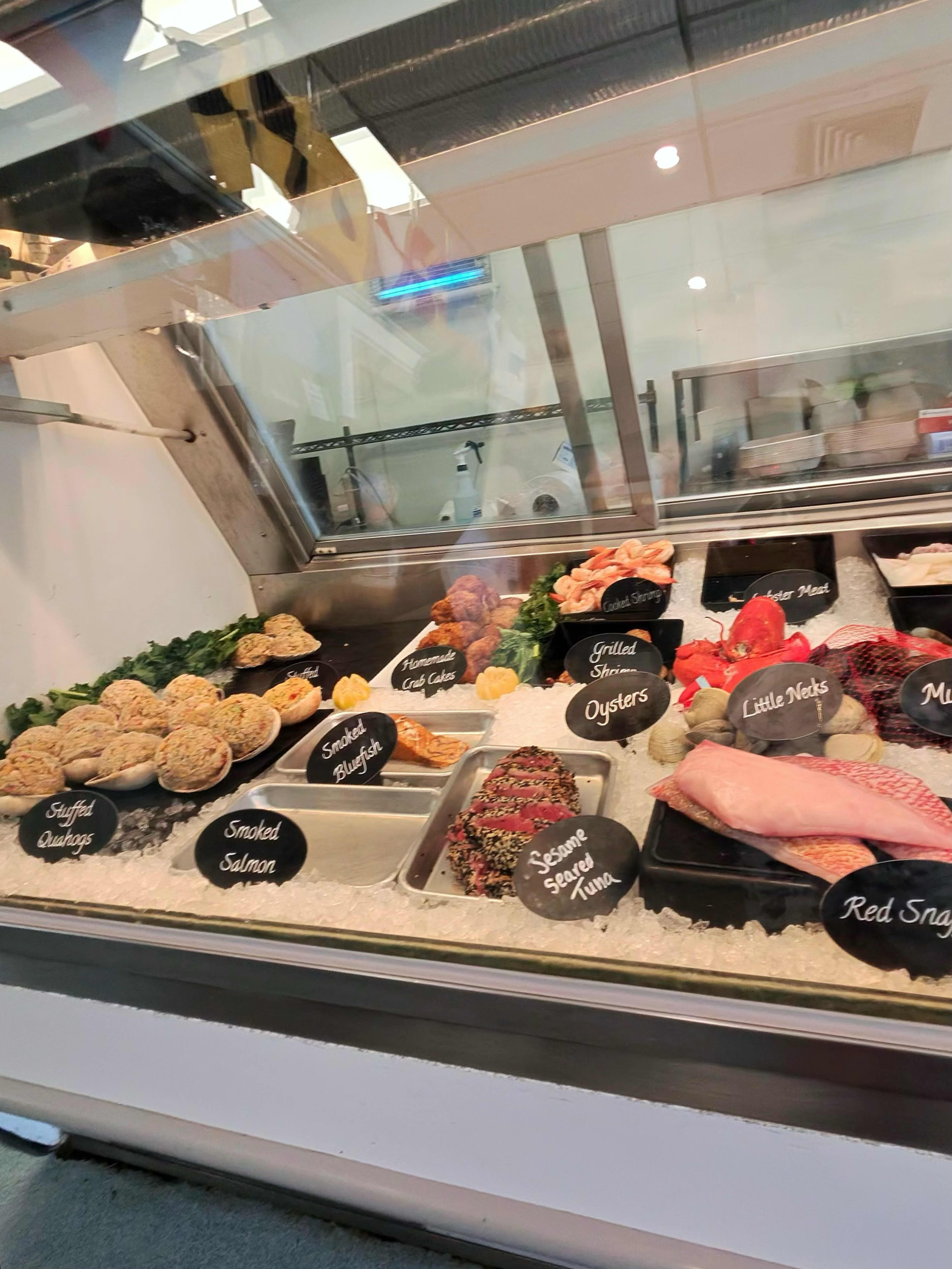
Cape raw bars aren't just oysters. Expect littleneck and cherrystone clams on the half shell, shrimp cocktail, and in season, local steamers (soft-shell clams) and stuffed quahogs ("stuffies"). A proper Cape shellfish tower is a thing of beauty and a fantastic way to sample the range.
When to go
Oysters are available year-round, and the old "only in months with an R" rule is largely obsolete thanks to modern aquaculture — but Cape oysters are at their briny best in the cooler months. Fall, especially around Wellfleet OysterFest in October, is peak oyster season and peak celebration.
Don't miss: a dozen Wellfleets at a harborside raw bar at sunset, in the town they're named for. It's the purest expression of Cape Cod on a plate — and it will ruin grocery-store oysters for you forever.
Turn This Into a Plan
Get the best of Cape Cod — free.
Guides, hidden spots, and seasonal tips from people who actually live here.
Frequently asked questions
What makes Wellfleet oysters so special?
Wellfleet's tidal flats and the mix of salt and fresh water from the Herring River produce a famously balanced oyster — briny up front with a clean, sweet finish. Oysters taste like where they're grown, a concept called merroir, and Wellfleet's cold, clean, tidal waters give its oysters a distinctive character that's made the name famous well beyond Cape Cod.
How do you eat a raw oyster the right way?
Smell it first — it should smell like clean ocean. Loosen the meat with the small fork if needed, keeping the liquor in the shell. Add a touch of mignonette or lemon if you like, then tip it in and chew a couple of times; that's where the flavor lives. Finish by sipping the liquor from the shell.
What's the best time of year to eat oysters on Cape Cod?
Cape oysters are available year-round — the old rule about only eating them in months with an R is largely obsolete thanks to modern aquaculture — but they're at their briny best in the cooler months. Fall, especially around Wellfleet OysterFest in October, is considered peak oyster season.
What else is on the menu at a Cape Cod raw bar besides oysters?
Most Cape raw bars also serve littleneck and cherrystone clams on the half shell, shrimp cocktail, and in season, local steamers (soft-shell clams) and stuffed quahogs, locally called stuffies. A full shellfish tower is a great way to sample the range in one sitting.
How do I know if a raw bar is actually good?
Look for oysters shucked to order and served on ice with the liquor still in the shell, never pre-shucked. A good raw bar in a fishing town will name the specific oysters and their growers, and staff will happily walk you through what's local and what came in that day.