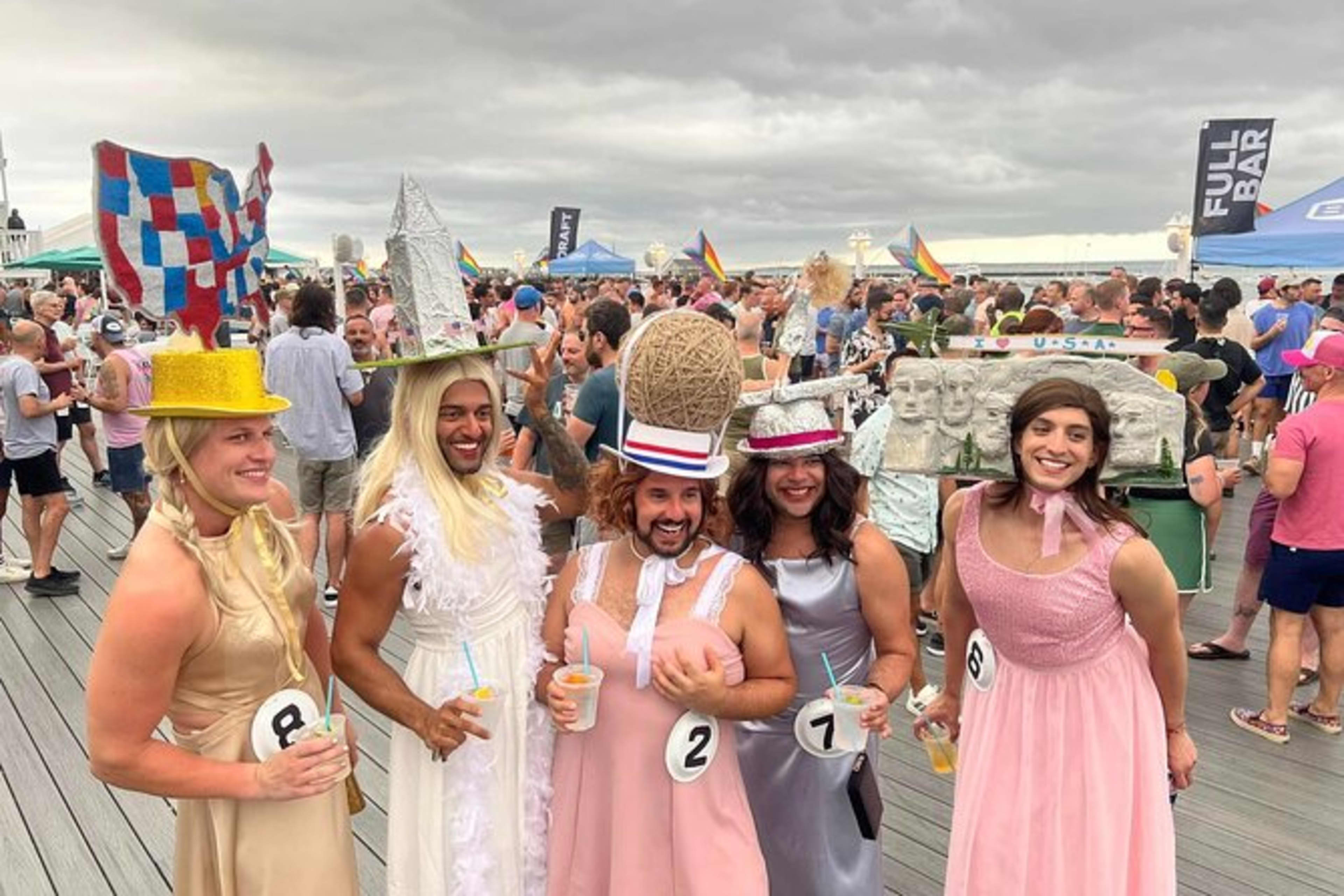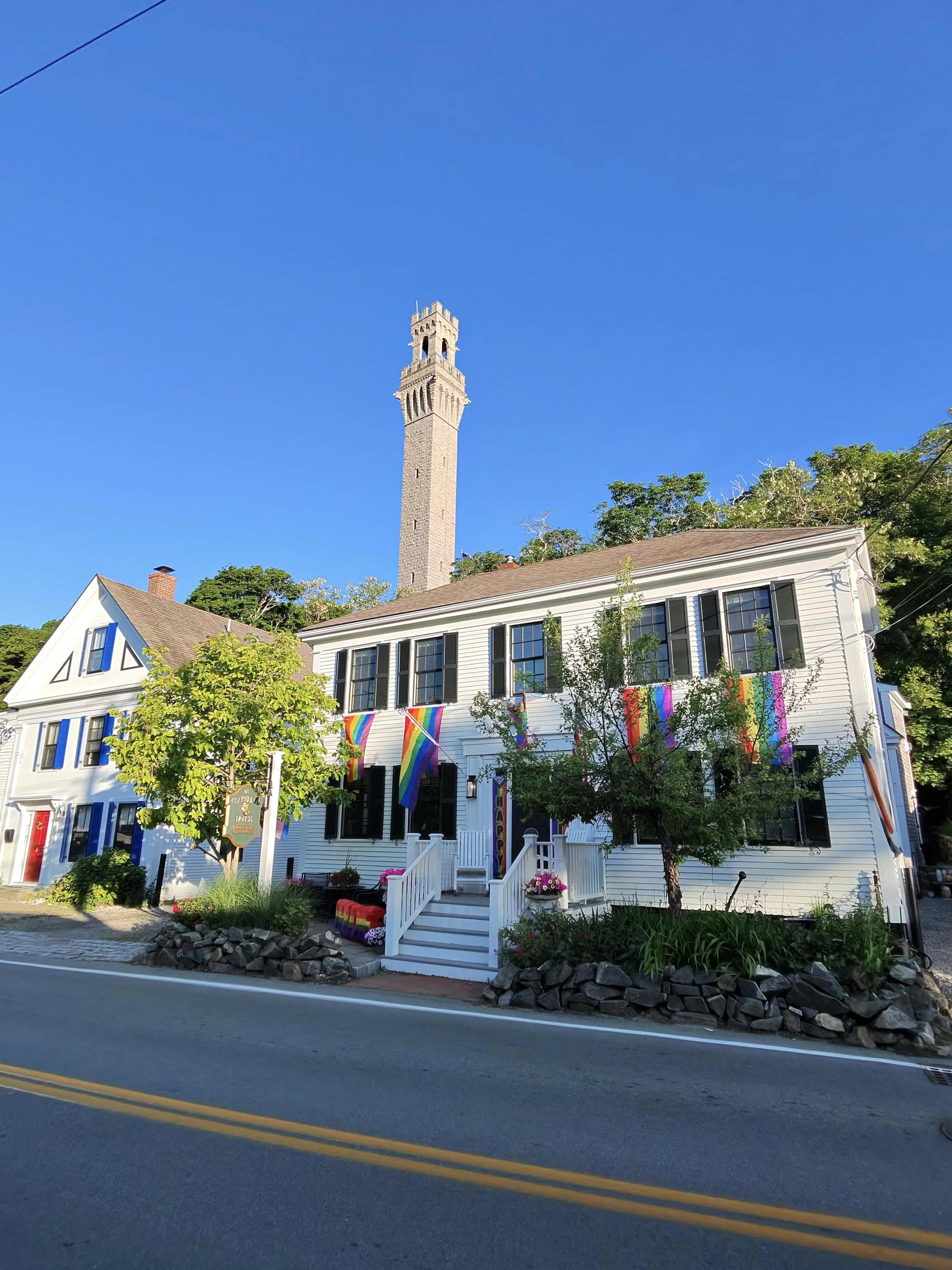
There are two Provincetowns. One arrives in June on the Fast Ferry from Boston, fills Commercial Street shoulder-to-shoulder through Labor Day, and leaves a trail of empty rosé bottles and sunscreen in its wake. The other one — quieter, stranger, more layered — has been here since Azorean fishing families settled the outer tip of the Cape in the 1800s and never quite left.
What Everyone Comes For
Commercial Street in high summer is chaotic and also completely alive — drag shows spilling onto the sidewalk, galleries stacked shoulder to shoulder, the kind of unapologetic public joy that's genuinely rare anywhere in New England. The Town Directory can point you to what's open when.
Herring Cove Beach at sunset is as good as advertised. Because Herring Cove faces west toward Cape Cod Bay, the light drops straight into the water — no obstructions, no houses. MacMillan Pier is worth walking out on not for the tourist boats but because if you time it right, you'll see working fishing vessels unloading the actual catch.
What Locals Actually Do
On a Tuesday in October, a local is probably at the Provincetown Art Association and Museum on Commercial Street — the PAAM — which is a serious institution, not a gift shop with paintings. The collection is deep, the exhibitions rotate with genuine curatorial intention, and the summer crowds are completely gone.
For food and morning ritual: the Portuguese bakeries are the real thing. The tradition connects directly to the Azorean fishing families who built this town. Malassadas, sweet bread, and strong coffee eaten standing up is a local breakfast, not a tourist experience.
Local realtor recommendations
SponsoredLocal realtorsOpen
Be one of 6 local realtors on this guide
Each guide holds a small, fixed number of local names — never an open auction. Yours would link to your own page on Cape Cod Certified.
Claim a spotThe Spots That Don't Make the Travel Blogs
Race Point Light sits at the absolute northwestern tip of the outer Cape, and getting there requires either a beach driving permit or a two-mile walk from the Race Point Beach parking lot through soft sand. Most summer visitors turn around after fifty feet. The lighthouse itself is remote in a way that's hard to explain — the Atlantic on one side, the Bay visible on the other.
Bayberry Hollow and the Snail Road area give you the dunes without any infrastructure. No lifeguards, no concession stands, no crowds. The Province Lands dunes are among the most ecologically unusual landscapes in the Northeast — parabolic dunes, wind-scoured scrub, pitch pine, and shacks that artists and writers have been renting from the National Seashore for decades.
Best Time to Visit (Locals' Opinion)
September, no contest. The water is at its warmest after a full summer of sun, the ferry crowds have thinned, most businesses are still open, and the light shifts.
October is for people who are serious. The town compresses to its real self. Parking on Commercial Street is free. You can walk from one end to the other without stopping to let a bachelorette party pass.
Winter is a different planet. Not for everyone. But if you want cheap accommodation, dramatic off-season light, and the experience of being in a creative community that's genuinely working — painters, writers, people making things — November through March delivers it.
What Makes This Town Irreplaceable
Provincetown exists at the collision of three things that rarely appear together: a working-class Portuguese fishing heritage, one of the oldest and most serious art colonies in America, and fifty years of LGBTQ+ community-building that happened here specifically because the remoteness of the outer Cape provided cover when it was needed. None of those things erased the others. They layered.
Start with Provincetown's town directory if you're planning your first visit, or your fifteenth.
Practical Notes
Parking: Provincetown is the hardest parking situation on the Cape in summer. Province Lands lots charge a National Seashore fee — America the Beautiful pass covers it. Many visitors take the ferry from Boston — it removes the car problem entirely.
Seasonality: Most galleries and some restaurants close November through April. The PAAM, the library, and a core set operate year-round. Confirm hours before driving out in the off-season.
Beach driving: Off-road vehicle permits for the outer beach are seasonal and limited. The National Seashore website has current permit availability.
Certified Local Businesses in Provincetown
Cape Cod Certified recommends these verified local spots:
- John's Foot Long — 4.3★ (175 Google reviews)
- Complete Pilates & Sports Therapy — 5★ (11 Google reviews)
- The Yoga Joint — 5★ (127 Google reviews)
What Locals Pack
Cape Cod Certified picks — essentials worth packing for this trip:
- Brightech Ambience Pro Solar Outdoor String Lights, 27 ft — $22: Commercial-grade, shatterproof Edison bulbs on a weatherproof solar strand that glows over the deck with no outlet or wiring. Warm light that turns a porch or backyard into the gathering spot after sunset.
- MalsiPree Portable Dog Water Bottle — $15: One-handed, leak-proof bottle with a built-in bowl that recycles unused water back into the bottle. Under six ounces and ready for every boardwalk, trail, and dune walk.
Where to Take This Next
Get the best of Cape Cod — free.
Guides, hidden spots, and seasonal tips from people who actually live here.
Frequently asked questions
When is the best time to visit Provincetown to avoid crowds?
September is the locals' top pick — the water is warmest after a full summer of sun, most businesses are still open, and the ferry crowds have thinned. October compresses the town to its real self, with parking on Commercial Street free and none of the high-season congestion.
How do you get to Race Point Light?
Race Point Light requires either a beach driving permit or a walk from the Race Point Beach parking lot through soft sand. Most summer visitors turn back early, so the lighthouse stays genuinely remote — with the Atlantic on one side and Cape Cod Bay visible on the other.
Is Provincetown worth visiting in winter?
If you want cheap accommodation, dramatic off-season light, and an active creative community of painters and writers actually working, November through March delivers it. Many galleries and some restaurants close for the season, so confirm hours before driving out.
What is the PAAM in Provincetown?
The Provincetown Art Association and Museum on Commercial Street is a serious institution with a deep collection and exhibitions that rotate with genuine curatorial intention — not a gift shop with paintings. It operates year-round, so it's especially worth visiting once the summer crowds are gone.
What's the history behind Provincetown's Portuguese community?
Azorean fishing families settled the outer tip of the Cape in the 1800s and never quite left, shaping the town's identity at its core. Their legacy lives on in the Portuguese bakeries, where malassadas, sweet bread, and strong coffee are a genuine local breakfast ritual, not a tourist recreation.