Cape Cod is home to one of the largest gray seal populations on the U.S. East Coast — tens of thousands of animals concentrated around the elbow of the Cape and the islands off Chatham. On the right beach at the right tide you can watch hundreds of them at once: hauled out on a sandbar, bottling in the surf, or lined up in the channel off the fish pier waiting for scraps. This is a working guide to where the seals actually are, which beaches and boats put you in front of them, and the rules — and the shark reality — that come with the territory.
The Two Seals You'll See
Cape Cod hosts two species, and it helps to tell them apart.
Gray seals are the big ones and, these days, by far the more numerous. Adults are bulky — males can top 800 pounds — with a long, horse-like "Roman nose" profile (the species name means "hook-nosed sea pig"). They gather in large concentrations and are the seals you'll see massed by the hundreds around Chatham and Monomoy.
Harbor seals are smaller, rounder-headed, and spottier, usually seen in ones and twos or modest groups. They are more common in the colder months, when their numbers on the Cape swell with winter arrivals from the north.
You can see seals here year-round. Gray seals are present every month; harbor seals peak from fall through early spring. Winter brings the biggest overall numbers as animals concentrate near reliable food.
Chatham: The Epicenter
If you want a near-guarantee, go to Chatham. The waters around Chatham Harbor, the outer barrier beaches, and Monomoy hold the densest seal concentrations on the Cape.
Chatham Fish Pier (Shore Road). Free, paved, and reliable. Seals stage in the harbor channel here waiting on the day boats, and you can watch them from the observation deck above the unloading area without a boat or a long walk. Late morning, when the fleet comes in, is prime.
Chatham Lighthouse Overlook and Lighthouse Beach. From the bluff by the lighthouse on Bridge Street you look out over the break and the outer bars where seals haul out in numbers. Bring binoculars — the animals are often across the water on the sandbars rather than at your feet. This is also, bluntly, shark country (more on that below).
Monomoy National Wildlife Refuge. The two barrier islands south of Chatham are the true heart of the colony — thousands of gray seals haul out on South Monomoy. The refuge is reachable only by boat, which is exactly what the seal tours are for.
The Best Way to See Them Up Close: Take a Boat
From land you'll see plenty, but a boat gets you out among them safely and legally. Several operators run seal trips in the Chatham–Monomoy area and out of Provincetown:
- Monomoy Island Excursions runs seal cruises out toward the Monomoy waters, typically around 75 minutes, with easy parking. You'll see large numbers of gray seals in the water and hauled out on the bars.
- Beachcomber Boat Tours and other Chatham-based outfits run seal cruises around Chatham Harbor and Pleasant Bay, and offer private charters.
- Provincetown seal tours (run out of the harbor by the boat-rental outfits) reach the seals and flats near Race Point; whale-watch trips out of Provincetown also frequently pass feeding seals as a bonus.
Boats let a captain keep a legal, respectful distance while still getting you a genuinely close look — and they reach Monomoy, which you simply cannot walk to.
Beyond Chatham: Wellfleet, Truro & the Outer Beaches
Chatham is the sure thing, but seals turn up all along the Outer Cape.
Wellfleet. Harbor and gray seals loaf on the outer bars off Great Island and Jeremy Point, and are regularly seen from the flats on a low tide and out in Cape Cod Bay. A low-tide walk on the Bay side here can turn up hauled-out animals well away from any crowd.
Truro. Walk the wrack line at Head of the Meadow Beach at low tide and you'll often spot hauled-out seals down the strand, plus heads bobbing in the surf. The long, empty Truro beaches make for quiet, uncrowded seal-watching.
Race Point, Provincetown. At the very tip, strong currents pull in fish and the seals follow. A long beach walk at Race Point can put you near seals feeding close to shore or resting on exposed flats — one of the more dramatic settings on the Cape.
The 150-Foot Rule Is Federal Law, Not a Guideline
Seals are federally protected under the Marine Mammal Protection Act. It is illegal to approach, touch, feed, or disturb them. NOAA's guidance is to stay at least 150 feet away — about half a football field — whether the animal is in the water or on the beach. Drones over haul-outs are effectively off-limits. Violations carry serious fines, and rangers do enforce them.
A few practical rules:
- Give them room and stay quiet. If a seal is looking at you, changing its behavior, or moving toward the water because of you, you are too close.
- Leave lone pups and resting seals alone. A seal on the beach is usually resting normally, not stranded. A pup by itself is often just waiting for its mother.
- Keep dogs leashed and well back. Dogs and seals are a bad mix in both directions, and it can transmit disease.
- If a seal looks sick, injured, or entangled, don't intervene — call the IFAW Marine Mammal Rescue hotline at 508-743-9548 and report the location.
The Shark Conversation You Have to Have
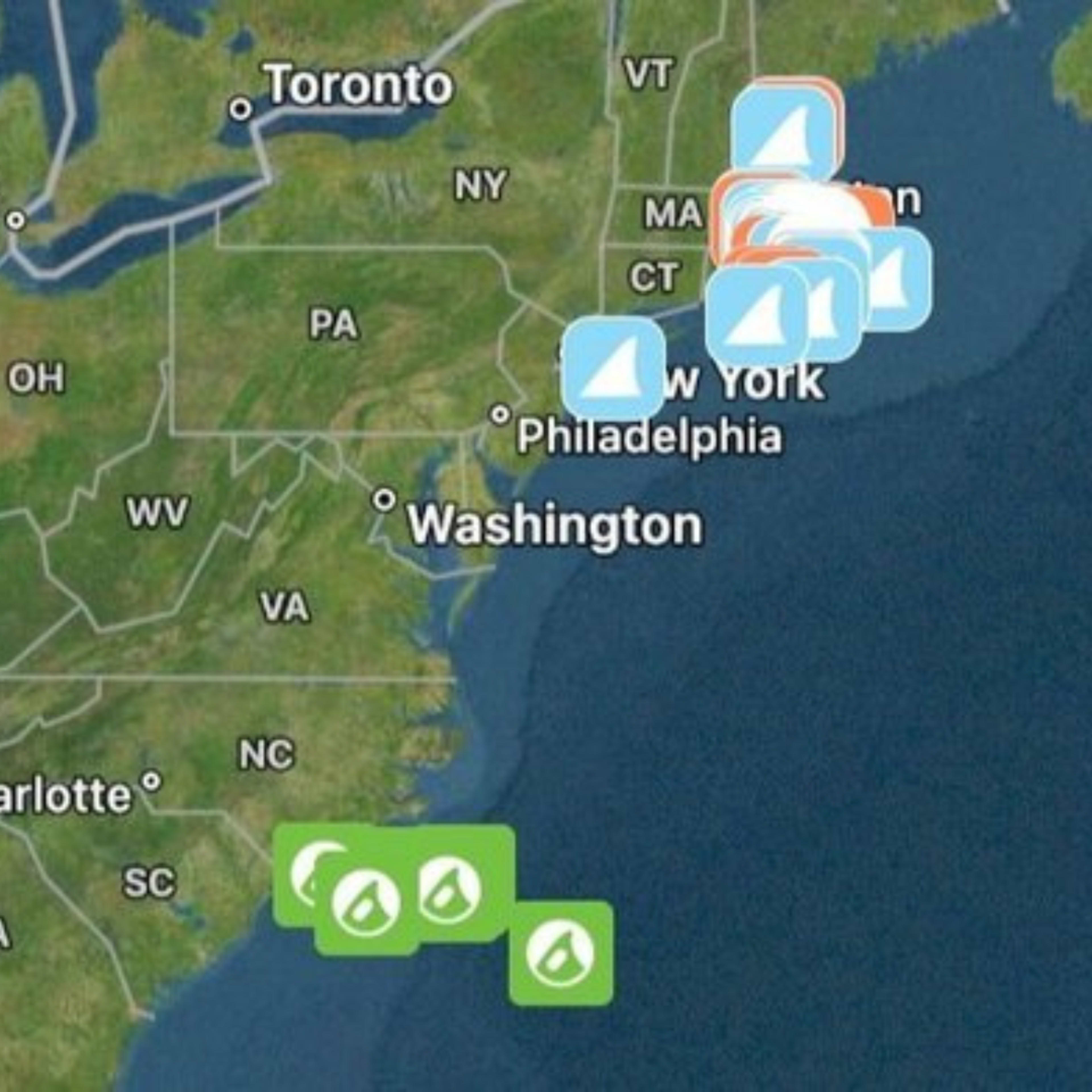
There is no honest way to write about Cape Cod seals without the sharks. The booming gray seal colony is the direct reason white sharks now patrol the Outer Cape's Atlantic-facing beaches from roughly June through October. Sharks follow seals, and they hunt them in the surf zone close to shore — exactly where seals gather off Chatham, Orleans, Wellfleet, and Truro.
What that means for you:
- Watch seals; don't swim among them. Where seals are hauled out or feeding along the ocean beaches, that is not the place to be in the water.
- Learn the flag system. The National Seashore and town beaches post shark-activity flags and signage; understand them before you wade in.
- Stay close to shore in clear, shallow water, avoid dawn and dusk, and follow lifeguard and beach-closure guidance. The "Sharktivity" app tracks confirmed sightings.
This is not a reason to skip the beach. It is a reason to be a literate ocean-goer on the Atlantic side, and to keep your seal-watching to the sandbars, the boats, and the overlooks.
Quick Planning Notes
- Most reliable free spot: Chatham Fish Pier, late morning, year-round.
- Best up-close experience: a Monomoy or Chatham seal-cruise boat, or a Provincetown seal tour.
- Bring: binoculars (the seals are often across the water), layers, and a long lens if you shoot photos.
- Time it: low tide exposes the bars where seals haul out; the fish-pier action lines up with the fleet coming in.
- Season: gray seals year-round; harbor seals and the biggest numbers fall through early spring.
- The one rule that matters most: 150 feet, always. Watching from a respectful distance is not just the law — it's how the colony, and the spectacle, stay here.
Cape Cod's seals are a genuine wildlife phenomenon hiding in plain sight — visible from a paved deck in Chatham or a boat off Monomoy, in numbers you have to see to believe. Keep your distance, respect the sharks that come with them, and it's one of the best free shows on the Cape.
Beaches & trails in this guide
What Locals Pack
Cape Cod Certified picks — essentials worth packing for this trip:
- MalsiPree Portable Dog Water Bottle — $15: One-handed, leak-proof bottle with a built-in bowl that recycles unused water back into the bottle. Under six ounces and ready for every boardwalk, trail, and dune walk.
- Sun Bum Mineral SPF 30 Sunscreen Lip Balm — $4: Zinc-based broad-spectrum lip protection with vitamin E; reef-safe.
Where to Take This Next
Get the best of Cape Cod — free.
Guides, hidden spots, and seasonal tips from people who actually live here.
Frequently asked questions
Where do seals haul out on Cape Cod?
Chatham is the most reliable spot, with the Fish Pier on Shore Road offering a paved overlook where seals stage near the incoming boat fleet, and the Lighthouse Overlook looking out over outer sandbars where they haul out in large numbers. Wellfleet, Truro, and Race Point in Provincetown also reliably turn up seals along the Outer Cape.
How close can you get to a seal on the beach?
Federal law under the Marine Mammal Protection Act requires you to keep about half a football field of distance from any seal, whether it's in the water or on the beach. If the animal is looking at you, changing its behavior, or moving toward the water because of you, you are already too close. Violations can carry serious fines.
Are there sharks where the seals are on Cape Cod?
Yes — the gray seal population is the direct reason white sharks now patrol the Outer Cape's Atlantic-facing beaches from roughly June through October, hunting in the surf zone where seals gather. The Sharktivity app tracks confirmed sightings, and beach flags and signage at National Seashore and town beaches communicate current shark activity.
What time of year can you see seals on Cape Cod?
Gray seals are present every month of the year, while harbor seals are most common from fall through early spring when their numbers swell with winter arrivals from the north. Winter generally brings the biggest overall concentrations as animals gather near reliable food sources.
There's a seal pup alone on the beach — should I help it?
Leave it alone — a pup by itself is usually just waiting for its mother, not stranded, and a seal on the beach is normally resting. If an animal appears sick, injured, or entangled, don't approach it; call the IFAW Marine Mammal Rescue hotline at 508-743-9548 and report the location.