Search "great white shark tours Cape Cod" and you'll get a swamp of clickbait travel blogs that either oversell the experience or warn you off the water like it's Jaws re-released. Neither is useful. Here's the truth: Cape Cod's Outer Beach has become one of the most reliable great white aggregations on the planet, sightings are common from a beach chair if you know where to sit, and yes — you can get on a boat with the actual researchers who tag these animals. You just have to know where to look, when to go, and which operators are real versus repackaged whale watch outfits.
This is the guide locals would write for a visiting cousin.
Why the Cape Became Shark Alley
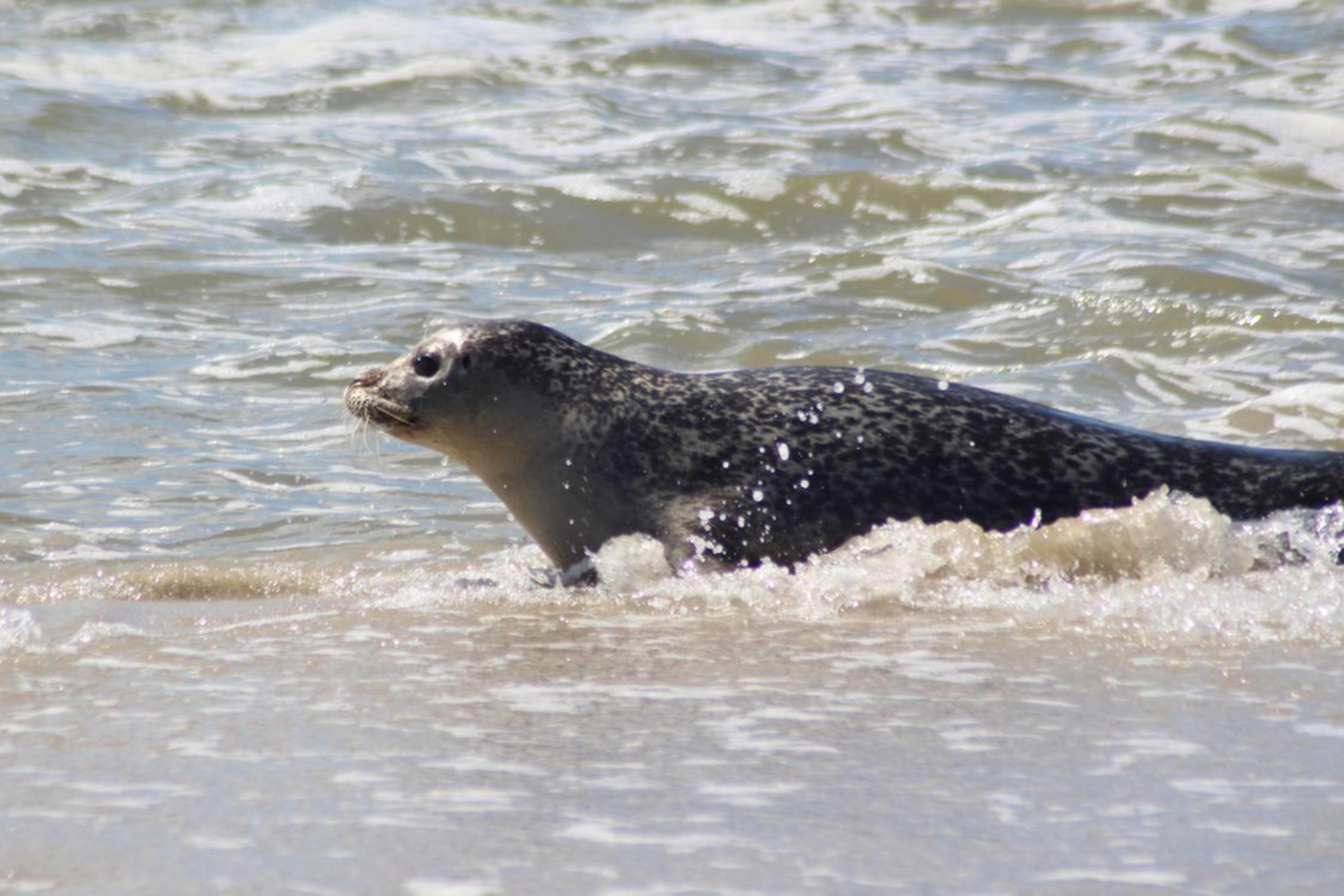
Great whites didn't always patrol Cape Cod like this. The current density is a direct consequence of the 1972 Marine Mammal Protection Act, which let the gray seal population on Monomoy and Muskeget recover from near-zero to an estimated 30,000–50,000 animals. Sharks followed the buffet. The Atlantic White Shark Conservancy (AWSC) has now identified more than 700 individual great whites returning to these waters, and the population continues to grow.
The core hunting ground — what biologists informally call "Shark Alley" — is the shallow shelf running from Monomoy (Chatham) north to Head of the Meadow (Truro), with most predation events occurring inside the first 100 yards of the surf line. That last detail matters. You don't need a boat to see one. You need a north-facing dune at the right beach in late August.
The Season, In Plain Numbers
First confirmed detections of the year usually hit AWSC's Sharktivity app between late May and mid-June, but those are typically transient animals. The reliable viewing window is much narrower.
| Window | What's Happening | Sighting Likelihood |
|---|---|---|
| May 15 – June 20 | First arrivals, mostly offshore | Low |
| June 21 – July 20 | Population building, sporadic inshore predations | Moderate |
| July 21 – Sept 15 | Peak density, daily detections, surface activity | High |
| Sept 16 – Oct 31 | Still strong; biggest mature females typically arrive | High |
| Nov 1 – Dec 15 | Departure migration; offshore only | Low |
If you have flexibility, target the last two weeks of August through the second week of September. Water is warm, seal pups are weaned and clumsy, and the AWSC research vessel M/V Aleutian Dream is out almost every fair-weather day.
Where to Stand: Beaches That Actually Deliver
Not all Outer Beach sand is equal. The towns most people drive to — Sandwich, Falmouth, Hyannis — get effectively zero confirmed white shark activity. You need the Atlantic-facing shore from Chatham north.
Nauset Beach, Orleans
The gold standard for shore-based sightings. Long, straight beach with elevated dunes behind it — meaning you can see down the surf line. Lifeguards here pull swimmers for white shark sightings more than any other Cape beach. Parking is $30/day for non-residents in 2026 ($25 if you arrive before 9 a.m. via the new shoulder-season rate). Bring binoculars; sit on the dune line, not at the water.
Coast Guard Beach, Eastham
National Seashore beach with a shuttle from the Salt Pond Visitor Center ($5 round-trip in 2026). Steep drop-off close to shore means predations sometimes happen in waist-deep water. Multiple confirmed near-shore strikes annually.
Newcomb Hollow, Wellfleet
Site of the 2018 fatal attack — Massachusetts's first shark fatality since 1936. That history aside, it remains one of the highest-detection beaches on the Cape. The cliffs offer the best elevated viewpoint on the entire Outer Beach. Lot is small; arrive before 9 a.m. in August or you'll be turned away.
Head of the Meadow, Truro
Low visitor traffic, very high seal density on the bars, consistent daily detections in season. Locals' pick.
Race Point, Provincetown
The wildcard. Sharks here often hunt closer to the surface and are visible from the dune crest. The over-sand vehicle permit ($150/year, or $225 for a self-contained vehicle; 7-day permits are $50 and $75 — the Seashore has no resident/non-resident split) lets you drive out and watch from your truck bed — arguably the best free-ish shark theater on the East Coast.
Avoid: Craigville, Old Silver, Mayflower, anything inside Cape Cod Bay or on the Sound side. The sharks are not there in meaningful numbers.
Boat Trips: Who's Legitimate, Who's Repackaged
There is no legal baited great white dive operation in Massachusetts. State and federal law prohibit chumming for white sharks. Anyone advertising a "cage dive" on Cape Cod is either lying or operating illegally — walk away.
Legitimate options fall into three categories.
1. AWSC Shark Research Trips
The Atlantic White Shark Conservancy runs paid passenger trips on the M/V Aleutian Dream out of Chatham Fish Pier. You ride along with Dr. Greg Skomal's research team during actual tagging operations. No guarantees — it's science, not a tour — but the encounter rate during peak season is approximately 85%. Cost: $295 per person in 2026, 6-hour trip, max 6 passengers, books out by April. This is the only way to be on the water with confirmed researchers and the surface-photography platform.
2. Monomoy Eco-Charter Trips
Smaller boats out of Chatham (Beachcomber, Monomoy Island Excursions, and a few six-pack charters) run "seal and shark" trips that loop Monomoy and South Beach. You'll see seals guaranteed and sharks roughly 40–60% of trips in August. Cost: $65–$95 per adult, 90 minutes to 2 hours. Best value if you can't get on AWSC.
3. Spotter Plane Charters
Less advertised, increasingly popular. A Cessna out of Chatham Municipal Airport (CQX) at 500 feet over the bars gives you sighting probability above 90% in season. Try Cape Cod Flying Club or a private charter. Cost: $200–$280 per person for a 45-minute flight with 2-3 passengers. This is what I recommend to anyone who actually wants to see a great white, not just hope.
| Operator Type | 2026 Cost | Sighting Rate | Books Out |
|---|---|---|---|
| AWSC research trip | $295/pp | ~85% | March–April |
| Monomoy eco-charter | $65–$95/pp | 40–60% | 1–2 weeks ahead |
| Spotter plane | $200–$280/pp | 90%+ | 3–5 days ahead |
| Shore viewing (Nauset/Newcomb) | Parking only | 20–35% per visit | N/A |
The Sharktivity App — Use It Right
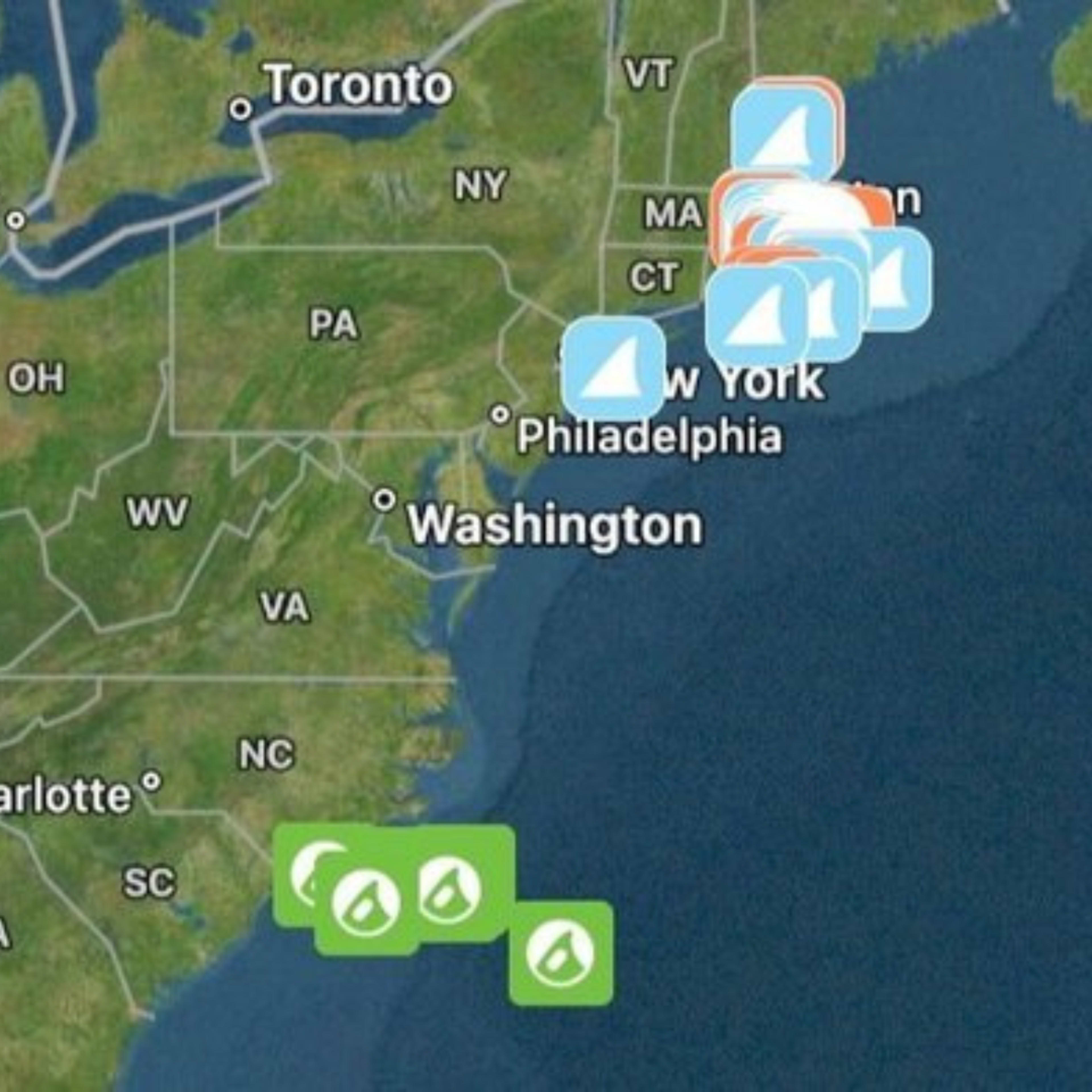
Download the Atlantic White Shark Conservancy's Sharktivity app before you leave the parking lot. It logs every acoustic-tag detection in near real-time and every confirmed visual sighting. Two things people miss:
- Filter by the last 24 hours, not the season. A pin from June 3 tells you nothing about today.
- Detections cluster. If three pings hit the same buoy between 7 a.m. and 11 a.m., a shark is patrolling that bar. Park at that beach.
The app also pushes alerts when a beach is closed for an in-water sighting. Take those seriously — closures average 45–60 minutes after a confirmed visual, and lifeguards in Orleans, Eastham, Wellfleet, and Truro carry the same Stop the Bleed kits that EMS uses.
What You'll Actually See
Manage expectations. A great white surface strike — the Planet Earth shot with the seal mid-air — happens, but rarely close to shore on Cape Cod (the shelf is too shallow for the deep-water vertical ambush). What you're more likely to witness:
- A dorsal fin moving parallel to the surf line, often within 30–80 yards of swimmers
- A boil and red water in the wash after a strike on a juvenile seal
- A pectoral fin breaking the surface as a shark turns on a sandbar
- From the air: the full silhouette in clear water, often a 12–16 foot animal
The average size of tagged Cape Cod whites is around 11 feet, with mature females exceeding 16 feet appearing more frequently in late September.
Don't-Miss Tips
Tip: The two-hour window after low tide on a sunny day produces more shore sightings than any other condition. Seals haul out on exposed bars at low tide, then have to swim back to the colony as the tide comes in — that swim is when they get eaten. Check the Chatham tide chart, add two hours past low, and be on the dune.
Warning: If you swim on the Outer Beach between July 15 and October 15, you are swimming in active hunting territory. The Cape's beach safety rules — stay shallow (knee to waist deep at most), avoid swimming at dawn or dusk, never swim near seals, leave the water immediately if you see one — are not theater. The 2018 fatality involved a man in roughly 10 feet of water about 30 yards from shore. Respect the rules and you'll be fine; ignore them and you become a statistic the Cape doesn't want.
Great whites are not the reason to skip Cape Cod. They're a reason to come — and now you know where to stand.
Beaches & trails in this guide
The Bring-Along List
Cape Cod Certified picks — essentials worth packing for this trip:
- Sueños del Sol Linen Napkins (Set of 4): Hand-embroidered linen napkins with a bold sun-and-moon motif in coastal blue and yellow. They bring an effortless, elevated warmth to summer dinner parties and lazy Cape mornings alike.
- McCrea's Cape Cod Sea Salt Caramels (5.5 oz) — $28: Boston-made, individually wrapped caramels finished with flaky Cape Cod sea salt for that sweet-salty coastal bite. The grab-and-gift treat people rebuy every visit and every holiday.
- Amanecer Wave Yellow Tablecloth: A sunshine-yellow cotton tablecloth with a softly embroidered wave along the border, inspired by sunrise over the water. It turns any deck or dining table into a warm, gathered place to linger.
Your Certified Next Steps
Get the best of Cape Cod — free.
Guides, hidden spots, and seasonal tips from people who actually live here.
Frequently asked questions
What's the best time of year to see great white sharks from the beach on Cape Cod?
Late summer through early fall is the peak season for white sharks off the Outer Cape, and sightings continue into October. Check the Sharktivity app for recent activity.
Is cage diving with great white sharks legal on Cape Cod?
No. Massachusetts prohibits attracting white sharks with bait or chum, so there are no legal cage-diving operations on the Cape. The guide recommends avoiding any operator advertising one.
Which Cape Cod beach gives you the best chance of seeing a great white shark from shore?
Nauset Beach in Orleans is the guide's top pick for shore-based sightings, with elevated dunes that let you see down the surf line. Newcomb Hollow in Wellfleet and Head of the Meadow in Truro are also consistently high-detection spots with good natural vantage points.
What app should I use to track great white shark sightings on Cape Cod?
The Atlantic White Shark Conservancy's Sharktivity app logs acoustic-tag detections and confirmed visual sightings in near real time. Filter by the last 24 hours rather than the full season, and watch for clustered detections — multiple pings hitting the same buoy in quick succession often mean a shark is actively patrolling that area.
Why are there suddenly so many great white sharks around Cape Cod?
The increase tracks the recovery of gray seals after the federal Marine Mammal Protection Act of 1972 protected them, letting colonies around Monomoy and Muskeget rebuild. Great whites followed the food source, and researchers now identify many individual sharks returning to these waters each year.