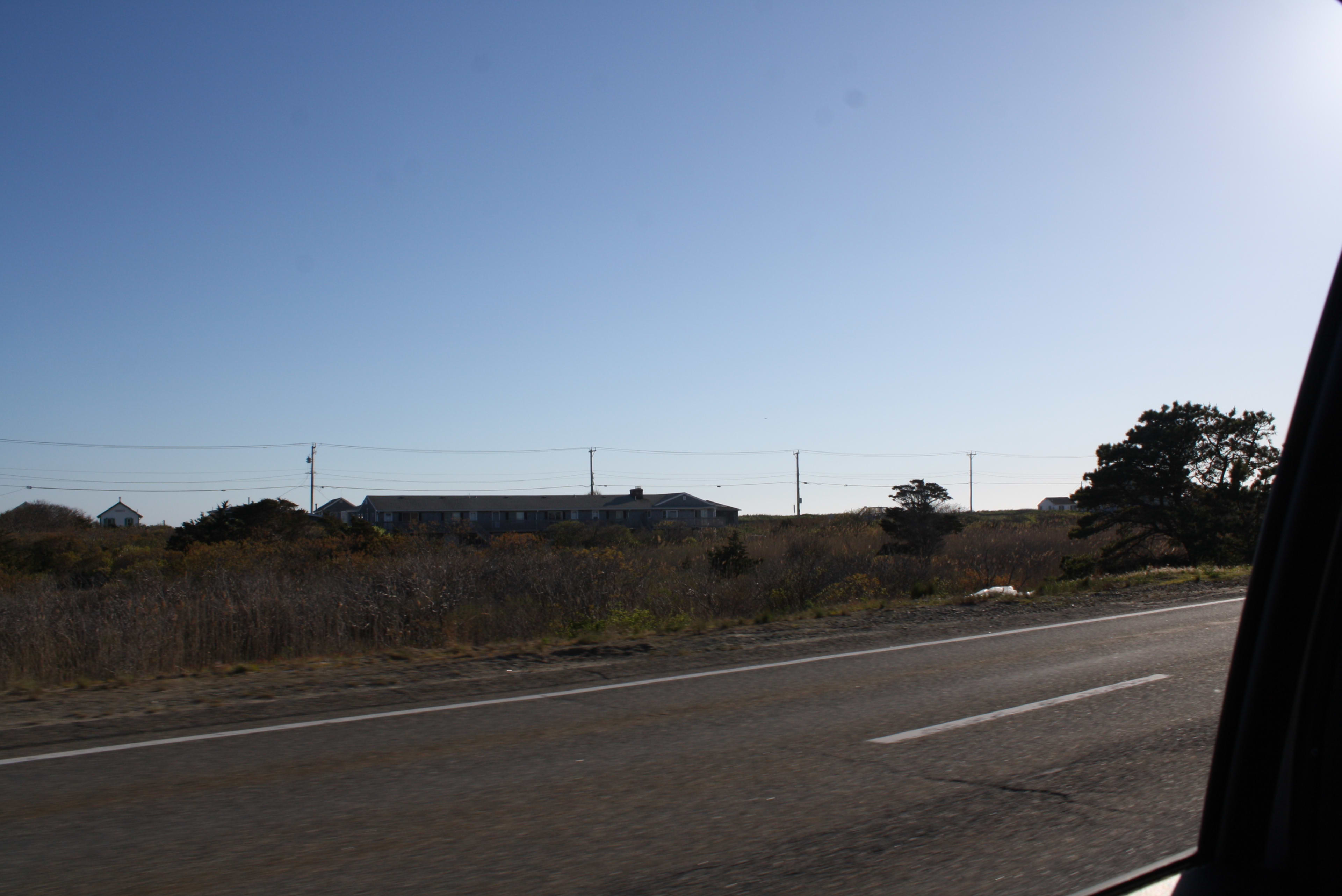
Truro is the penultimate town on the Cape — a narrow sliver of sand and cliff between Wellfleet and Provincetown, with a year-round population of around 2,000 people, very little commercial development, and the kind of landscape that stops you mid-sentence. The Cape Cod National Seashore encompasses most of the town. The ocean beaches sit below 80-foot clay bluffs. The highlands in the center of town rise to the oldest lighthouse on Cape Cod. Truro doesn't need to explain itself, and it doesn't try to. If you come expecting restaurants and boutiques, you'll be disappointed. If you come expecting to feel the raw, undeveloped Cape Cod that existed before the postcard version took over, you'll understand why people love this place.
Longnook Beach and Ballston Beach: The Bluff Beaches
Longnook Beach and Ballston Beach are among the most dramatic beaches on Cape Cod. The Atlantic breaks at the base of bluffs that rise 60 to 80 feet above the sand — clay walls in layers of ochre, grey, and rust, eroding steadily into the sea. The beaches are wide and the surf is serious. Getting down to the water involves a steep path; getting back up is the workout. Parking at both is limited and fills early on summer days — plan to arrive before 9 am or accept the walk from wherever you park on the road. The effort is worth it. These are the beaches you'll remember.
Highland Light / Cape Cod Light
Highland Light — also known as Cape Cod Light — is the oldest lighthouse on Cape Cod, first lit in 1797 on the highest ground on the Cape. The current tower dates to 1857. From the top, on a clear day, you can see the full curve of Cape Cod Bay and, on exceptional days, the Boston skyline. In 1996, as cliff erosion threatened to topple the lighthouse, the entire 450-ton structure was moved 450 feet back from the bluff edge — one of the more remarkable engineering projects in recent Cape Cod history. Tours run in summer; the Highland House Museum adjacent to the lighthouse covers Truro's history. The golf course beside the lighthouse, Highland Links, is the oldest golf course on Cape Cod.
Local realtor recommendations
SponsoredLocal realtorsOpen
Be one of 2 local realtors on this guide
Each guide holds a small, fixed number of local names — never an open auction. Yours would link to your own page on Cape Cod Certified.
Claim a spotTruro Vineyards
Truro Vineyards is Cape Cod's working winery — a 23-acre property in the heart of Truro where grapes have been farmed since the 1990s and wines sold under the Truro Vineyards label since 1994. Tours and tastings run daily in summer. The wines are genuinely regional — made from grapes grown in the Cape's sandy acidic soils — and the tasting room has the easy, unpretentious quality of the town around it. It's one of the few commercial operations in Truro worth seeking out specifically.
Pamet Harbor and the Valley
The Pamet Valley cuts across the width of Truro from the bay to the ocean — a remarkable low depression in the landscape, flanked by marshes, that nearly made Truro an island in geological terms. Pamet Harbor on the bay side is quiet, birdy, and good for kayaking. The Pamet trails in the National Seashore run through the valley and offer some of the Cape's most interesting walking terrain, crossing both freshwater and saltwater marsh systems.
Where to Eat (and Why There Isn't Much)
The scarcity of restaurants in Truro is not an oversight — it's the point. The town's character depends on not having much, and most people who love Truro understand this as a feature. That said, The Blackfish in North Truro is a genuinely excellent seasonal restaurant with a creative menu and a well-earned reputation — book ahead. Terra Luna in North Truro has been a beloved local restaurant for years, with a warm room and food that earns the loyalty it gets. North Truro, the stretch approaching Provincetown, has more services — motels, gas, a few restaurants — while South Truro is almost entirely residential and protected land.
North Truro vs. South Truro
North Truro has more infrastructure — it sits close to Provincetown and gets some spillover development, with a stretch of Route 6 that includes motels and a few restaurants. South Truro is a different world: pure residential neighborhoods, farmland, the vineyards, and vast stretches of National Seashore. If you're trying to decide where to stay, North Truro is more convenient; South Truro is more Truro.
Beaches & trails in this guide
Who We Trust in Truro
Cape Cod Certified recommends these verified local spots:
- Highland Links Golf Course — 4.5★ (213 Google reviews)
Turn This Into a Plan
Get the best of Cape Cod — free.
Guides, hidden spots, and seasonal tips from people who actually live here.
Frequently asked questions
What is there to do in Truro MA?
Truro's main draws are its dramatic bluff beaches (Longnook and Ballston), Highland Light, Truro Vineyards, and the Pamet Valley trails through the Cape Cod National Seashore. The town is deliberately undeveloped, so the experience centers on landscape and outdoor exploration rather than shopping or dining.
How do I get to Longnook Beach?
Longnook Beach sits below tall clay bluffs, reached by a steep path from the parking area. Parking is limited and fills early on summer days, so arriving early is the practical advice — or be prepared to walk in from wherever you find street parking.
Can you visit Highland Light in Truro?
Yes — the lighthouse runs tours in summer. The current tower dates to 1857, and in 1996 the whole tower was moved back from the eroding bluff edge. The adjacent Highland House Museum covers Truro's history, and the oldest golf course on Cape Cod sits right beside it.
Where should I eat in Truro?
The Blackfish in North Truro is a highly regarded seasonal restaurant worth booking ahead. Terra Luna, also in North Truro, is a long-standing local favorite known for a warm atmosphere. Beyond those two, dining options are intentionally scarce — Truro's character is built around having very little commercial development.
What's the difference between North Truro and South Truro?
North Truro has more practical infrastructure — motels, gas, and a handful of restaurants — due to its proximity to Provincetown. South Truro is almost entirely residential and protected National Seashore land, including the vineyards and the Pamet Valley. North Truro is more convenient to stay in; South Truro feels more remote.