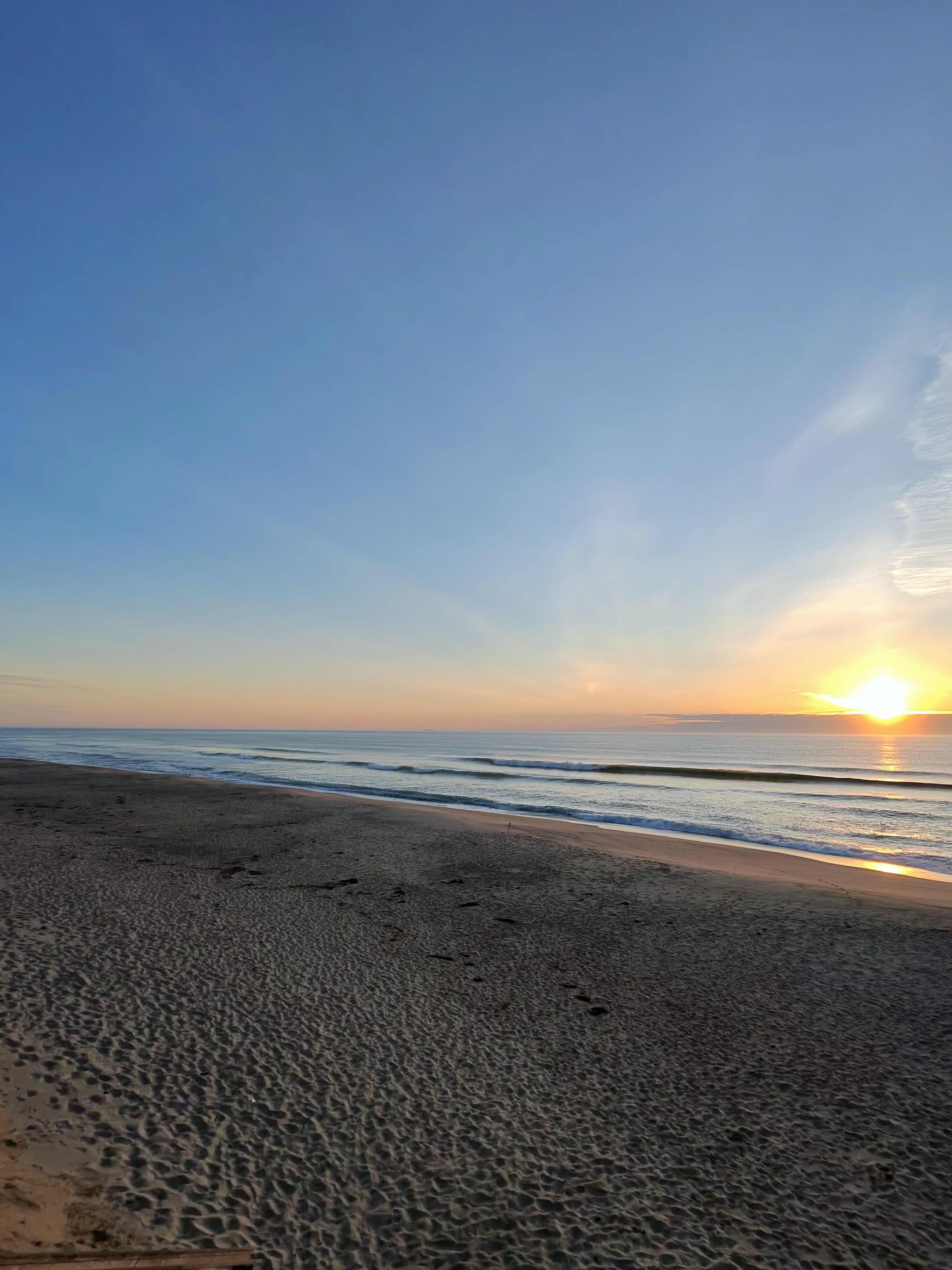
Somewhere between low tide and high tide, Cape Cod reveals a secret. The water pulls back, the flats appear, and suddenly the bottom of the bay is right there under your feet — alive with horseshoe crabs, hermit crabs dragging borrowed shells, periwinkles grazing on algae, and moon snails tunneling through wet sand.
Tide pooling on Cape Cod is one of the best free family activities the peninsula offers — and one of the most underrated.
Why Cape Cod Is Exceptional for Tide Pooling
The magic of tide pooling here is concentrated on the Cape Cod Bay side, where rocky shorelines, tidal flats, and salt marshes create extraordinary intertidal habitat. The Bay side also has a significant tidal range — often four to eight feet.
Best Tide Pooling Spots
Barnstable Harbor Tidal Flats
One of the best places on the Cape to see horseshoe crabs. Walk out from the town landing off Mill Way and the harbor bottom opens up in front of you.
Bass Hole / Gray's Beach — Yarmouth
A tidal flat stretching a quarter mile into the bay at low tide. The flat is sandy-muddy, easy to walk, and perfect for families.
Lieutenant Island — Wellfleet
At low tide, a road connects the mainland to Lieutenant Island. The exposed bottom is dense with clam holes, worm tubes, moon snails, and crabs.
Rock Harbor — Orleans
At low tide, the exposed flat reveals a patchwork of sand, eelgrass, and shallow pools that hold juvenile fish, crabs, and snails.
What You Will Find
- Horseshoe crabs — ancient arthropods, completely harmless
- Hermit crabs — carry borrowed shells, highly entertaining
- Fiddler crabs — males with one oversized claw
- Periwinkle snails — graze on algae, found in enormous numbers
- Moon snails — large predatory snails that drill into clam shells
- Soft-shell clams — their squirt holes reveal their presence
- Sand dollars — look but don't take live ones
Rules for Responsible Exploring
Look, don't take. Return things exactly where you found them. No commercial shellfishing without a license. Stay on the flat, not in the marsh.
What to Bring
Water shoes, a bucket or tray, a magnifying glass, sunscreen, and old clothes.
How to Read Tide Charts
Low tide — specifically the two hours before and two hours after — is the optimal window. Use the Tides Near Me app or NOAA Tides and Currents at tidesandcurrents.noaa.gov.
Beaches & trails in this guide
Plan it with Cape Cod Certified
Get the best of Cape Cod — free.
Guides, hidden spots, and seasonal tips from people who actually live here.
Frequently asked questions
When is the best time to go tide pooling?
The optimal window is the two hours before and two hours after low tide. Use the Tides Near Me app or NOAA Tides and Currents at tidesandcurrents.noaa.gov to find the exact low-tide time for your beach before heading out.
What animals can you find in Cape Cod tide pools?
The tidal flats commonly hold horseshoe crabs, hermit crabs, fiddler crabs, periwinkle snails, moon snails, soft-shell clams, and sand dollars. Soft-shell clams reveal themselves through squirt holes in the sand, and male fiddler crabs are easy to spot by their single oversized claw.
Which side of Cape Cod is better for tide pooling?
The Cape Cod Bay side is where the best intertidal habitat concentrates, thanks to its rocky shorelines, tidal flats, and salt marshes. The Bay side also has a notably significant tidal range, which exposes large stretches of flat at low tide.
Are horseshoe crabs dangerous to touch?
No — horseshoe crabs are described as ancient arthropods that are completely harmless. Barnstable Harbor is one of the standout spots on the Cape to encounter them up close.
What should I bring tide pooling with kids?
Water shoes, a bucket or shallow tray, a magnifying glass, sunscreen, and old clothes are the recommended essentials. The rule of thumb is look but don't take — return anything you pick up exactly where you found it, and stay on the flat rather than wandering into the marsh.