If you have ever searched for a Cape Cod rental and seen listings tagged "Upper Cape," "Outer Cape," or "Lower Cape" without any clear explanation of what those mean, you are not alone. The naming system is genuinely counterintuitive, and first-time visitors routinely book in the wrong area for their priorities. This guide breaks down the four sections of Cape Cod, explains the geography behind the naming, and helps you choose the right base for your trip.
Why the Names Are Backwards (And What They Actually Mean)
Here is the part that trips everyone up: on Cape Cod, "Upper" does not mean farther north or closer to the tip. It refers to elevation. Sailors navigating the region centuries ago used the term "upper" to indicate higher ground, which on Cape Cod corresponds to the western end closest to the mainland. As you travel out toward Provincetown, the elevation drops — so the land gets "lower."
The result is a naming system that reads opposite to how most people expect it:
- Upper Cape — the towns nearest to the mainland: Falmouth, Sandwich, Bourne, and Mashpee
- Mid Cape — the middle section: Barnstable, Yarmouth, Dennis, Brewster, and Harwich
- Lower Cape — the elbow and just below: Chatham and Orleans
- Outer Cape — the long, narrow forearm stretching to the tip: Eastham, Wellfleet, Truro, and Provincetown
Think of the Cape's shape like an arm flexed at the elbow. The shoulder is the Upper Cape. The bicep and forearm are the Mid and Lower Cape. The fist at the tip is Provincetown on the Outer Cape.
The Upper Cape: Quieter, Wooded, and Underrated
What to Expect
The Upper Cape — primarily Falmouth and Sandwich — has a different character than the rest of the Cape. The landscape is more heavily wooded, the roads are wider, and the overall feeling is less overtly "Cape Cod" than the shingled villages and windswept dunes further out. That can be a feature or a drawback, depending on what you are after.
Falmouth is the standout town on the Upper Cape. Its village green is genuine and walkable, lined with good restaurants and independent shops. The town has exceptional beaches on Buzzards Bay — Surf Drive Beach in particular is beloved for calm, warm water, making it ideal for young children. Falmouth also sits at the starting point of the Shining Sea Bikeway, a 10.7-mile paved trail that runs along the coast to Woods Hole. Because Buzzards Bay faces west, Falmouth beaches are a reliable spot to watch the sun set over the water.
Sandwich is the oldest town on Cape Cod, incorporated in 1639, and it shows. The town center around Shawme Pond is among the most photogenic in the region. The Heritage Museums and Gardens is one of the Cape's best family attractions. Sandwich sits directly off Exit 59 (Route 130) on Route 6, which means traffic getting in and out is significantly lighter than towns further down the Cape.
Who Should Stay Here
The Upper Cape suits families who want calm Bay-side swimming, visitors coming from Boston or Providence who want to minimize drive time, and second-home owners who prefer a quieter, more residential feel. It is less crowded in peak summer than the Mid or Outer Cape, and rental prices reflect that. If your goal is to feel deep inside the "classic Cape Cod" aesthetic, keep driving east.
The Mid Cape: Something for Everyone
What to Expect
The Mid Cape is where Cape Cod's split personality is most visible. Route 28, which runs along the south side of the Cape through Yarmouth and Harwich, is a commercial strip of motels, mini-golf courses, and seafood shacks — busy, affordable, and genuinely fun in a retro way. Route 6A, running along the Bay side through Brewster and Dennis, is the opposite: a designated Historic District lined with antique shops, old sea captains' homes, and saltwater marshes.
Brewster is consistently one of the most recommended towns for families. Its bayside flats — the tidal flats that emerge at low tide along the Bay — are shallow enough for children to walk hundreds of yards out, and the water warms considerably in summer. Nickerson State Park in Brewster has 420 campsites and eight freshwater kettle ponds, making it the most popular campground in Massachusetts. The Cape Cod Rail Trail passes directly through Brewster, connecting to Wellfleet and back toward Dennis — 25 miles of paved, car-free cycling.
Dennis offers both Bay-side and Sound-side beaches in the same town, along with the Cape Playhouse, the oldest professional summer theater in the United States. Harwich is quieter and family-oriented, with a strong local character, the annual Cranberry Festival in September, and access to Pleasant Bay.
Who Should Stay Here
The Mid Cape is the most versatile part of Cape Cod. Families with young children do particularly well in Brewster. Visitors who want a central location with easy access to both bay beaches and the Rail Trail will find it suits most needs. It is also the most practical base if you want day trips to Chatham or the Outer Cape without committing to staying in either.
The Lower Cape: The Classic Cape Cod Village Experience
What to Expect
Chatham is the town most visitors picture when they imagine Cape Cod at its best: a compact, walkable village with a lighthouse, a fish pier where seals congregate within sight of shore, boutique shops on Main Street, and Chatham Bars Inn anchoring the grand-hotel tradition. The town sits at the elbow of the Cape, which means it has beaches facing both south and east. The Chatham Light overlooks South Beach, a barrier beach accessible only by boat in certain seasons. Seals, great white sharks, and migrating shorebirds are all legitimate wildlife sightings in and around Chatham.
Orleans functions as the gateway to the Outer Cape. It sits at the intersection of Route 6 and Route 28, which means it has the last real commercial density before you head into the National Seashore. Orleans has Nauset Beach on its Atlantic side — a long, wave-exposed barrier beach that is consistently rated among the best in New England — and calmer bay-side options on the other. The town has good local restaurants and independent shops without the full resort pricing of Chatham or Provincetown.
Who Should Stay Here
Couples looking for a quintessential Cape Cod experience tend to gravitate toward Chatham. First-time visitors often find Chatham or Orleans to be an ideal base: far enough out to feel genuinely "on the Cape," close enough to the Mid Cape that day trips are easy, and with enough restaurants and services to not feel isolated. Orleans is also the better pick for visitors who want Atlantic surf without committing to the full remoteness of the Outer Cape.
The Outer Cape: Wilderness, Dunes, and Provincetown
What to Expect
The Outer Cape is unlike anywhere else in the northeastern United States. Cape Cod National Seashore — established in 1961 under President Kennedy — protects roughly 40 miles of Atlantic coastline from Eastham to Provincetown. What that means in practice: no strip malls, no chain restaurants, no sprawl. The towns of Wellfleet, Truro, and Provincetown exist inside a landscape that is more than 80 percent protected land.
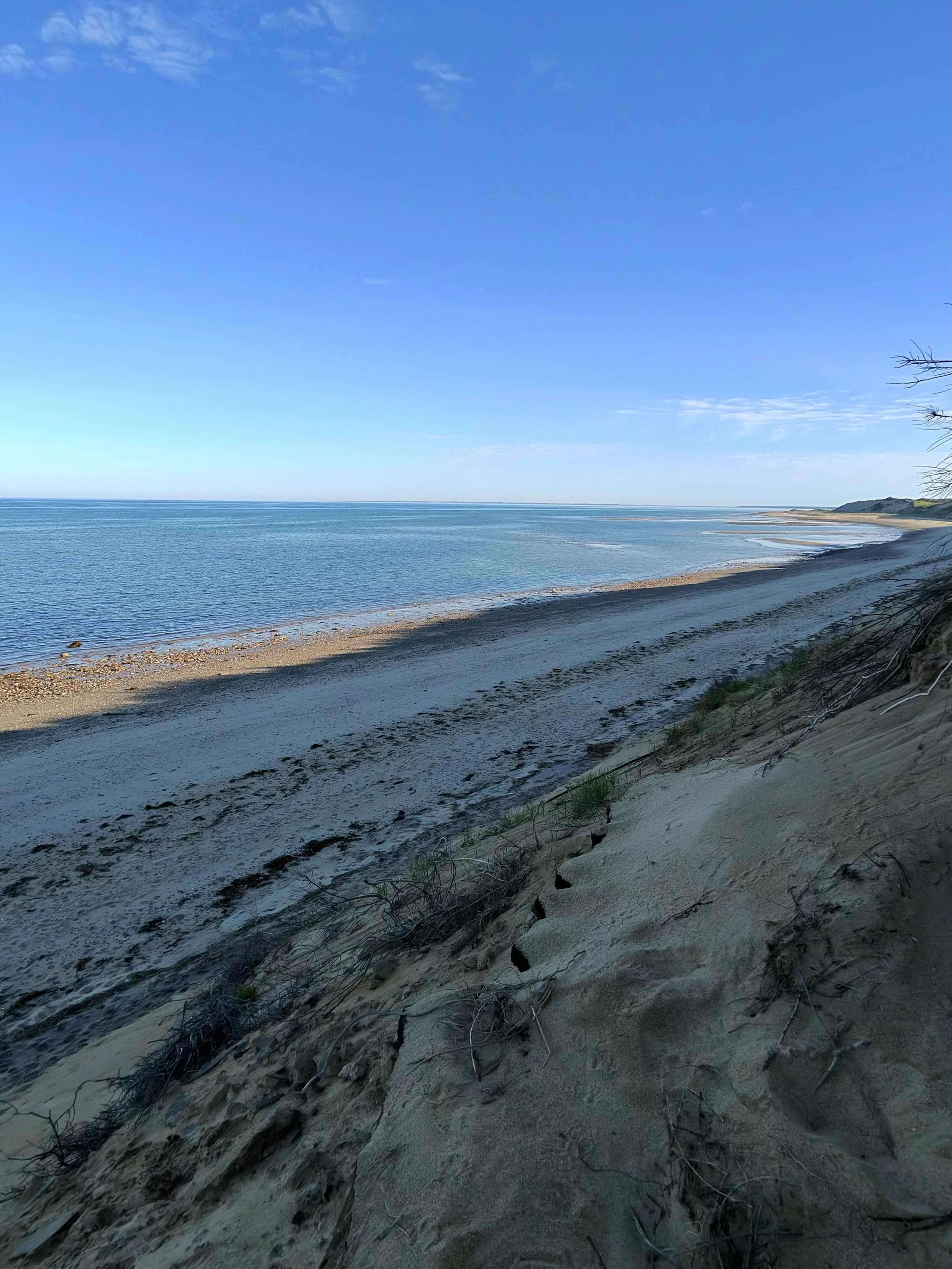
The beaches here are dramatic. Race Point in Provincetown and Cahoon Hollow in Wellfleet are Atlantic-facing beaches with significant wave action — sunrise is directly over the water, spectacular on clear mornings. The dunes in Truro and Provincetown reach heights of 100 feet in some areas, sculpted by wind into shapes that look more like the Sahara than Massachusetts.
Wellfleet has become a destination in its own right for its oysters — Wellfleet oysters are among the most sought-after on the East Coast — and for the Wellfleet Drive-In, one of only a handful of operating drive-in theaters in New England. The town has a small art gallery district and a strong summer arts community.
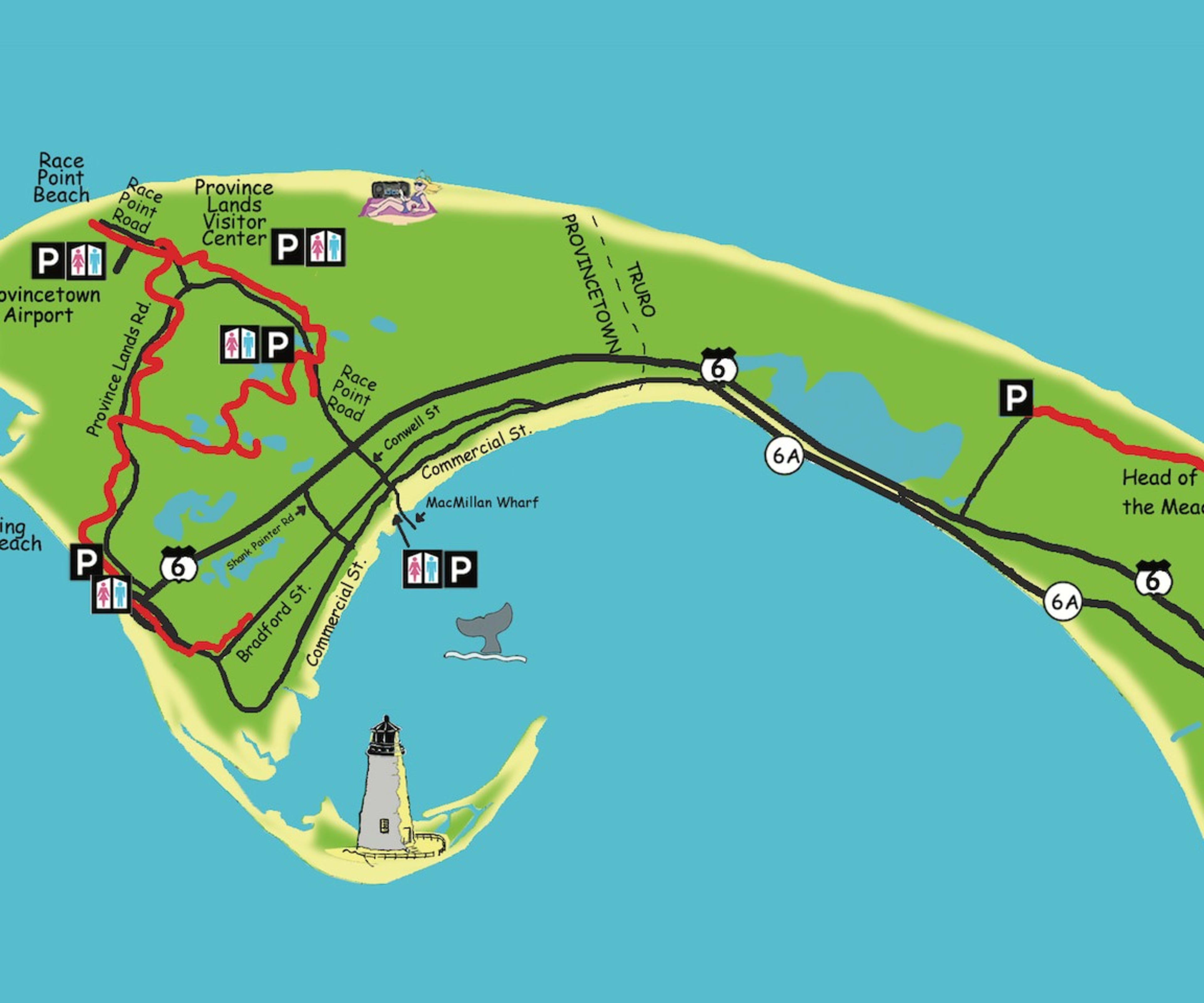
Provincetown at the very tip is one of the most culturally distinct communities in New England: a long history as an LGBTQ+ destination and arts colony, a Commercial Street that runs the full length of town without accommodating through-traffic, whale watch boats departing from MacMillan Pier, and a nightlife scene entirely out of proportion to the town's year-round population of about 3,000. Housing and dining in Provincetown carry a significant premium in summer.
Truro, wedged between Wellfleet and Provincetown, is the most sparsely developed — a town of dunes, kettle ponds, and very little else, which is precisely why people love it.
Who Should Stay Here
Nature lovers and travelers who want an experience removed from commercial Cape Cod should head to the Outer Cape. Couples, especially those celebrating weddings or anniversaries, are drawn to Provincetown for its energy and to the Outer Cape generally for its dramatic scenery. Note that grocery runs require planning, dining reservations are essential in peak summer, and prices throughout the region are the highest on the Cape.
Quick Reference: Which Part of the Cape Is Right for You?
| Priority | Best Area |
|---|---|
| Young families, calm water | Brewster (Mid Cape) or Falmouth (Upper Cape) |
| Couples, romance, classic Cape feel | Chatham (Lower Cape) or Provincetown (Outer Cape) |
| Nature, hiking, Atlantic beaches | Outer Cape (Wellfleet, Truro, Provincetown) |
| First-time Cape Cod visitors | Chatham or Orleans as a base |
| Short drive from Boston | Upper Cape (Falmouth or Sandwich) |
| Cape Cod Rail Trail cycling | Brewster or Dennis (Mid Cape) |
| Nightlife and arts scene | Provincetown (Outer Cape) |
| Antique shops, historic character | Route 6A corridor — Brewster or Dennis |
Beaches & trails in this guide
Where to Take This Next
Get the best of Cape Cod — free.
Guides, hidden spots, and seasonal tips from people who actually live here.
Frequently asked questions
Why is the Upper Cape called 'upper' if it's the part closest to the mainland?
The name comes from old sailors' navigation, not modern geography. Sailors used "upper" to mean higher elevation, and on Cape Cod the mainland end is the highest ground. As you travel toward Provincetown the land drops in elevation, making it the "lower" end — the reverse of what most visitors expect.
Which part of Cape Cod is best for families with small children?
Brewster on the Mid Cape is a top pick, with shallow tidal flats where kids can walk far out at low tide as the bay water warms through summer. Falmouth on the Upper Cape is another strong option, with calm bay-side beaches and a paved coastal bike trail along the shore.
Where should I stay on my first trip to Cape Cod?
Chatham or Orleans on the Lower Cape make solid bases for first visits. Both feel genuinely "on the Cape" with good dining and services, yet sit close enough to the Mid Cape for easy day trips. Chatham delivers a classic village experience; Orleans offers Atlantic surf with somewhat less resort pricing.
What towns are on the Outer Cape and what's it actually like out there?
The Outer Cape covers Eastham, Wellfleet, Truro, and Provincetown — the narrow stretch from the elbow to the tip. Cape Cod National Seashore protects most of the land, so there are no strip malls or chain restaurants. Expect dramatic Atlantic beaches, towering dunes, and Provincetown's distinctive arts and nightlife scene at the very end.
What's the difference between Route 6A and Route 28 on the Mid Cape?
Route 28 along the south side is a commercial strip of motels, mini-golf, and seafood shacks — busy and affordable with a retro feel. Route 6A on the bay side runs through a designated Historic District lined with antique shops, old sea captains' homes, and saltwater marshes, giving it an entirely different character.