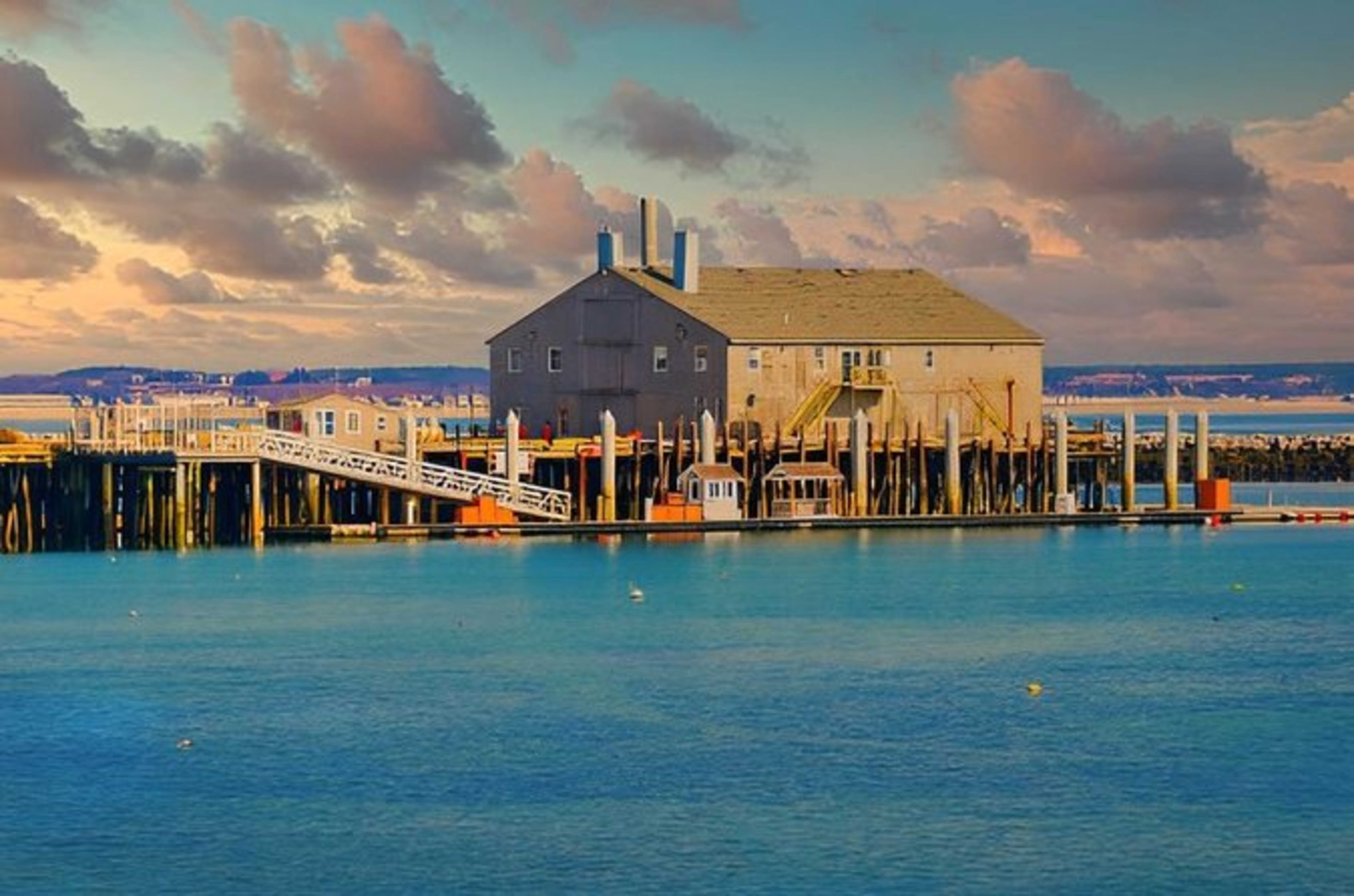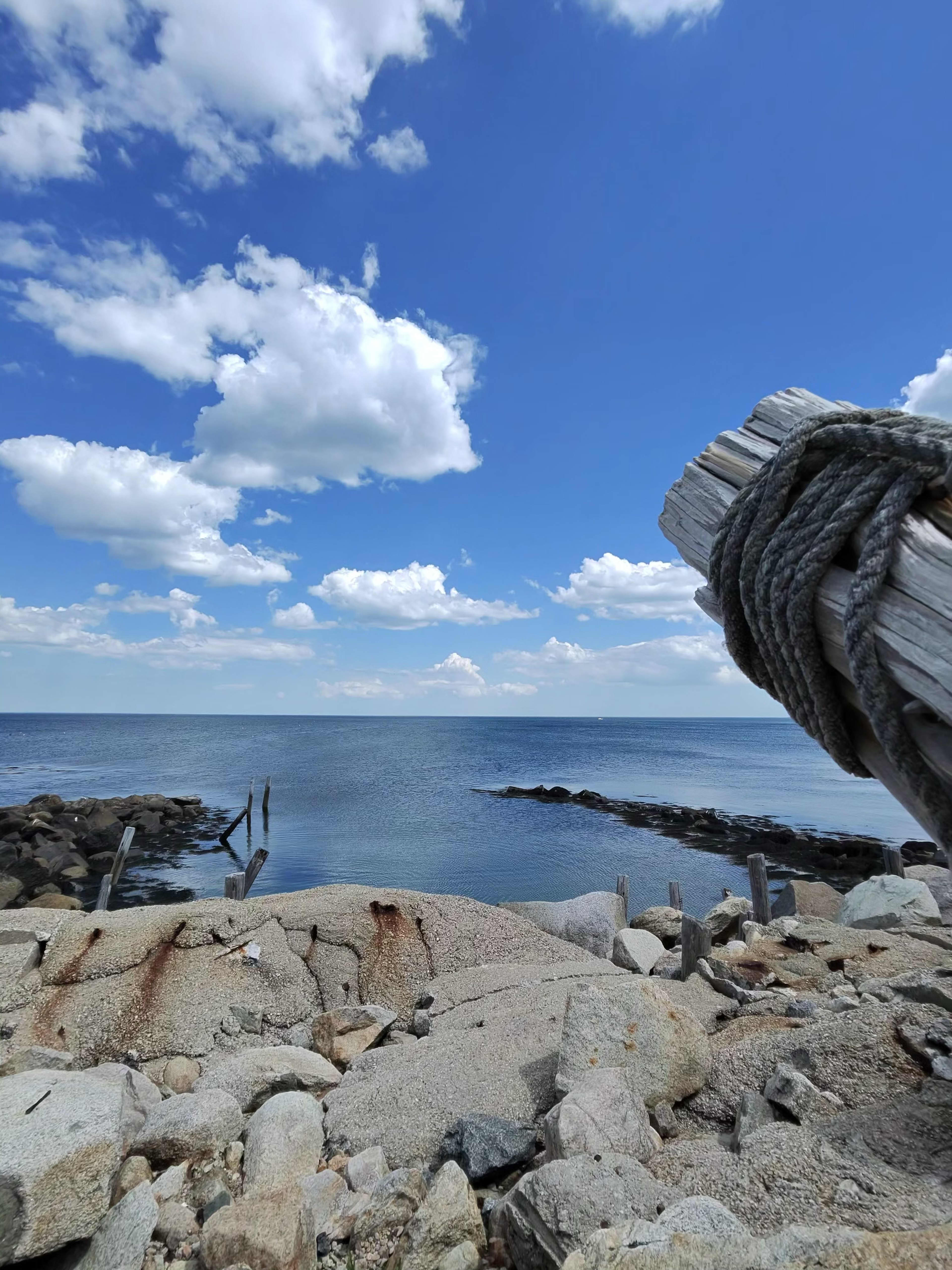
Provincetown is unlike anywhere else on Cape Cod — and frankly, unlike most places in New England. It sits at the very tip of the peninsula, surrounded on three sides by water, anchored by a 252-foot granite tower, and home to one of the oldest continuously operating arts communities in the country. You come for the light, the food, the water, and a version of freedom that's hard to articulate but easy to feel.
Where you stay in Provincetown shapes the entire trip. This is a small town — Commercial Street, the main drag, is about two miles long — but the difference between a guesthouse on the west end and a hotel on the east end matters. Here's what to know before you book.
Understanding Provincetown's Layout
Provincetown wraps around the tip of Cape Cod facing Cape Cod Bay to the south and west. The town itself is divided loosely into the West End (quieter, more residential, lots of historic guesthouses and gardens) and the East End (more galleries, slightly more foot traffic). The center of Commercial Street is where restaurants, shops, and bars are concentrated.
Everything in P-town is walkable. You don't need a car once you're there — which is actually a reason to think carefully about your lodging, since some properties have no parking and the town lot fills up fast in summer.
The National Seashore borders the town to the east. A short bike ride or drive gets you to some of the most dramatic dune landscapes in the Northeast — Province Lands with its rolling sand dunes, and Race Point Beach facing the open Atlantic.
Guesthouses and Inns: The Classic Provincetown Stay
Provincetown has a long tradition of small guesthouses and inns — many dating back to the early and mid-20th century, when the town became a magnet for artists, writers, and people looking for a place that didn't ask too many questions. That legacy lives in the architecture and the hospitality.
Most P-town guesthouses are intimate — 8 to 20 rooms, owners on-site, gardens or decks where guests actually talk to each other. The best ones have been running for decades with repeat guests who book the same week every year. That loyalty tells you something.
Many guesthouses are LGBTQ+-owned and explicitly welcoming. Provincetown has been a queer destination since at least the 1960s, and that's woven into how hospitality works here — unpretentiously, without the sanitized corporate version of inclusion.
Boutique Hotels and Larger Inns
A handful of larger hotels and boutique properties operate in and just outside Provincetown. These tend to have amenities that guesthouses don't — pools, spas, concierge services, on-site restaurants — at a corresponding price point.
If you're coming for a longer stay or celebrating something, the extra comfort can be worth it. Just know that "larger" in Provincetown still usually means under 50 rooms. This isn't a convention-hotel town.
Some of the more polished properties sit just outside the town center, near the Provincetown Inn area on the far west end or along Bradford Street (the parallel street one block inland from Commercial). These locations are quieter but still walkable to everything.
Staying Near the Beaches
Race Point Beach and Herring Cove Beach are Provincetown's two main National Seashore beaches. Race Point faces north toward the open ocean — it gets real Atlantic swell and the sunsets are extraordinary because you're watching the sun drop into the water to the west. Herring Cove faces west toward Cape Cod Bay and is a more sheltered swim.
Properties near the Province Lands area (the far northwest tip) are closest to these beaches but are also farthest from Commercial Street. If beach access is your priority, look for properties along Bradford Street or the West End — you can bike to the beaches in under 15 minutes from most of town.
Timing Your Visit
Peak season in Provincetown runs from late June through Labor Day, and the town gets genuinely packed — particularly during Bear Week, Carnival Week (mid-August), and the Women's Week in October. If you're coming during one of these events, book months in advance and expect everything to be booked solid.
Shoulder season is a revelation. September and October bring cooler temperatures, cleaner light for photography, and a P-town that belongs more to the people who live there year-round. The restaurants are still open, the galleries are still running, and you can actually get a reservation. May and early June are quieter still — some properties are just opening for the season, and you'll have the beaches almost to yourself.
What to Look For When Booking
Parking: Ask directly. Many P-town properties have zero parking. If you're driving (and most people are), either find a property with a spot or plan to use the town lot near MacMillan Pier — but it fills up early in summer.
Breakfast: Not a given in Provincetown. Many guesthouses include some version of breakfast; others don't. If morning food matters, confirm before booking.
Shared vs. private bath: Older guesthouses sometimes still have shared bath configurations. If you need a private bath, specify when booking.
Direct booking: P-town innkeepers are almost always easier to reach and more flexible when you book direct. They know the town better than any OTA customer service rep, and your money goes directly to the property.
Find Your Provincetown Stay
Cape Cod Certified lists Provincetown lodging that's locally verified — inns, guesthouses, and boutique hotels we can genuinely recommend. Skip the OTA commission and book direct:
Certified Local Businesses in Provincetown
Cape Cod Certified recommends these verified local spots:
- John's Foot Long — 4.3★ (175 Google reviews)
- The Yoga Joint — 5★ (127 Google reviews)
- Complete Pilates & Sports Therapy — 5★ (11 Google reviews)
Beaches & trails in this guide
Your Certified Next Steps
Get the best of Cape Cod — free.
Guides, hidden spots, and seasonal tips from people who actually live here.
Frequently asked questions
Is there parking in Provincetown?
Parking is genuinely scarce — many Provincetown properties have no parking at all, and the town lot near MacMillan Pier fills early on summer days. Ask any lodging directly about parking before you book, and keep in mind that the town itself is fully walkable once you arrive.
What's the best time to visit Provincetown to avoid crowds?
September and October are a local favorite: cooler temperatures, cleaner light, restaurants and galleries still open, and a town that feels less overrun. May and early June are even quieter, with beaches nearly empty, though some properties are still just opening for the season then.
Is Provincetown LGBTQ+ friendly?
Very much so. Provincetown has been a queer destination for decades, many guesthouses are LGBTQ+-owned, and that welcome is woven into how hospitality works here — genuine rather than a sanitized corporate version of inclusion.
What's the difference between a Provincetown guesthouse and a hotel?
Guesthouses are intimate — a small number of rooms, owners typically on-site, shared gardens or decks, and sometimes breakfast included. Hotels and larger inns offer more amenities like pools and spas, but even the bigger properties in Provincetown tend to be small by most standards.
Which Provincetown beach is calmer for swimming, Race Point or Herring Cove?
Herring Cove faces Cape Cod Bay and is the more sheltered, calmer swim. Race Point faces the open Atlantic and gets real ocean swell — wilder water, but known for extraordinary sunsets since you're watching the sun drop into the water to the west.