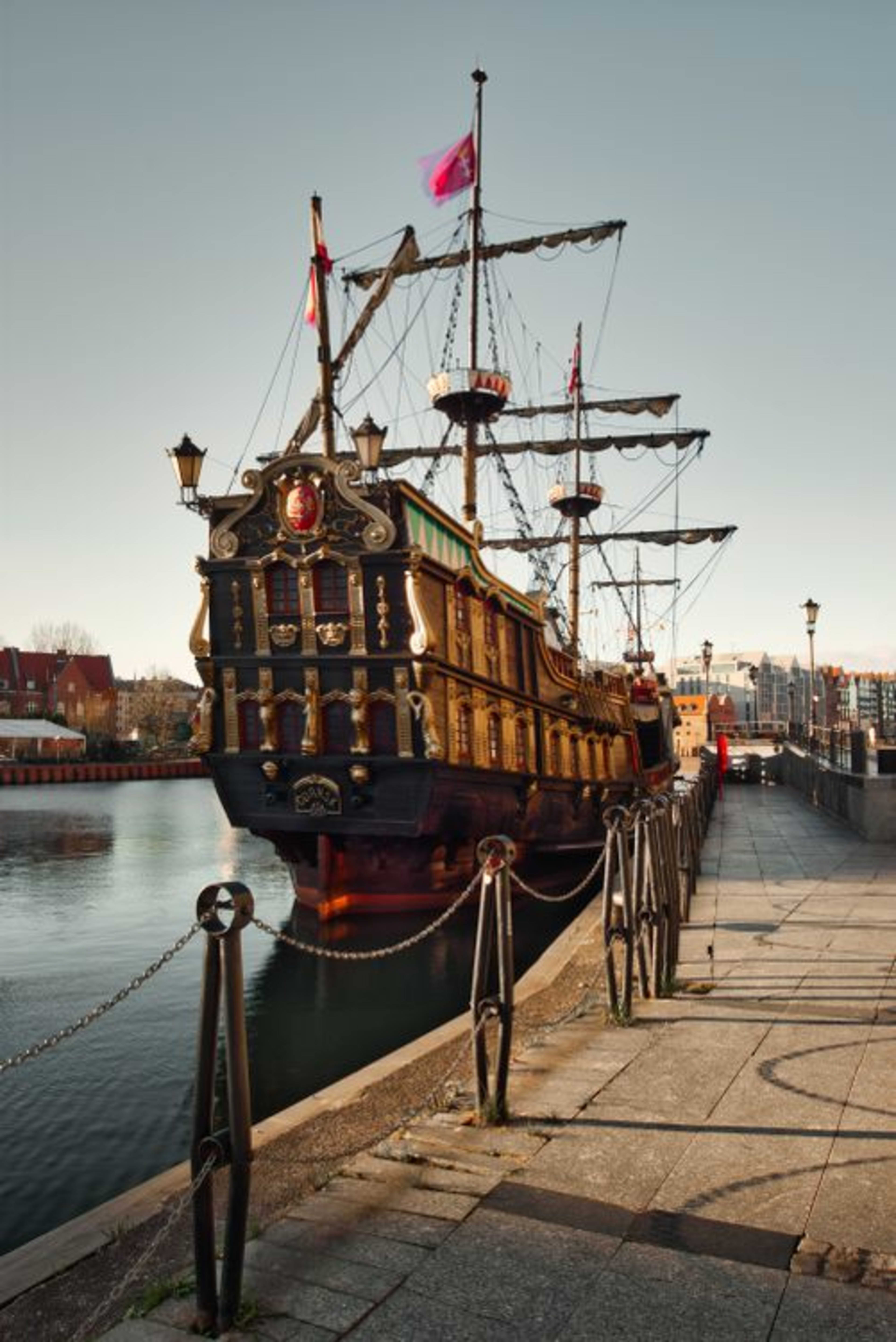
The Whydah Pirate Museum in West Yarmouth holds a distinction that no other institution anywhere on earth can claim: it displays authentic, legally excavated pirate treasure. The artifacts here came from the Whydah Gally — the flagship of pirate captain Samuel "Black Sam" Bellamy — which sank in a violent nor'easter off the shores of Wellfleet on April 26, 1717. Since underwater archaeologist Barry Clifford identified the wreck and began excavating it in 1984, over 200,000 artifacts have been pulled from the seafloor, making this one of the most significant maritime archaeological discoveries in American history. If you visit Cape Cod with kids and skip this museum, you have made a genuine mistake.
The Night the Whydah Went Down
On the evening of April 26, 1717, the Whydah Gally was running northward along the Cape's Atlantic shore when a powerful nor'easter overtook her. The ship, heavily laden with plunder accumulated across months of raiding, was driven onto a sandbar off Wellfleet and broke apart in the surf. Of the approximately 146 men aboard, 102 died in the water and on the beach that night. Two survivors were captured and later tried in Boston — the only living witnesses to what became the most notorious pirate shipwreck in American history.
The Whydah had not started life as a pirate ship. She was built as a slave ship and captured by Bellamy's fleet in February 1717 in the Caribbean. In the preceding months, Bellamy's fleet had become one of the most feared in the Atlantic. The Whydah was his prize: a fast, heavily armed vessel he converted into his flagship. His entire pirate career, from first raid to this final storm, lasted barely a year. He was 28 years old when the Cape's Atlantic surf claimed him.
Black Sam Bellamy: The Prince of Pirates
Samuel Bellamy was born in Devon, England, around 1689. He arrived in the American colonies as a young man and, according to deeply rooted Cape Cod legend, fell in love with a Wellfleet girl named Maria Hallett. Whether this romance is documented historical fact or romantic embellishment is genuinely debated — but it has lodged itself permanently in local folklore, with Maria sometimes called "The Sea Witch of Wellfleet." The story holds that Bellamy left to seek his fortune privateering and promised to return wealthy enough to win her family's approval. He never came back.
He earned the nickname "Black Sam" for wearing his own long dark hair unpowdered at a time when wigs were standard among English gentlemen. His crew called him "The Prince of Pirates" — not in mockery, but in admiration. Contemporary accounts describe him haranguing captured captains about the injustice of property law, the arbitrary nature of the line between legal trade and illegal plunder. He operated his ship under a democratic code in which crew members voted on major decisions and shared prizes equally — an unusual arrangement for the era.
His story has been the subject of several books, most notably Barry Clifford's firsthand account Expedition Whydah, along with documentary treatments of the discovery. The legend of Black Sam Bellamy and Maria Hallett has also attracted novelists and playwrights drawn to its combination of genuine historical tragedy and Cape Cod geography.
What Barry Clifford Found — And Is Still Finding
Barry Clifford, a Massachusetts native and lifelong diver, became obsessed with the Whydah story after hearing accounts from his uncle as a child. By 1984, he had done enough archival research and sonar survey work to locate the wreck site offshore from Wellfleet. After a legal battle to secure a state excavation permit, the work began.
The finds were immediately extraordinary: coins from dozens of countries — Spanish pieces of eight, English shillings, Portuguese escudos — reflecting the geographic range of Bellamy's raiding. Weapons. Navigation instruments. Personal effects belonging to named crew members, confirmed through historical trial records. Then came the object that ended all scholarly doubt: the ship's bell, cast in 1716, bearing the inscription "THE WHYDAH GALLY 1716." It was the first time in history a pirate ship had been physically identified through recovered evidence.
The excavation is not a closed chapter. The wreck site still yields artifacts; new finds continue to emerge from the seafloor off Wellfleet. The museum is structured around this ongoing reality — it is a living archaeological project, not a static archive. Visitors can see conservation work in progress, understanding that what is on display represents a fraction of what remains below.
Inside the Museum: What to Expect
The Whydah Pirate Museum is located at 674 Route 28, West Yarmouth, MA 02673. Route 28 through this section of the Mid Cape is commercial strip development — auto dealers, chain restaurants, motels. The location is deliberately unglamorous. The content inside is not.
The exhibits move visitors through the history of the Atlantic piracy era, the biography of Samuel Bellamy, the night of the wreck, and the decades of underwater excavation that followed. On display are actual artifacts recovered from 60 feet of Atlantic water: gold and silver coins, cannons and pistols, navigation instruments, jewelry, textiles, and personal effects traceable to specific crew members through court documents. The ship's bell occupies its deserved place as the collection's centerpiece.
For families: The storytelling is well-calibrated for children. Exhibits use video installations and interactive elements to explain the archaeology, the history of Atlantic trade and piracy, and the science of conservation — none of it is dry. The museum manages the rare feat of being engaging for an eight-year-old and genuinely absorbing for an adult who arrived only because the kids wanted pirates. Budget 60–90 minutes for a thorough visit.
Admission: $23 adults (ages 16+), $20 seniors (65+), $15 youth (ages 5–15), free for children 4 and under (discoverpirates.com). The museum is open daily, 10 a.m.–5 p.m., year round (discoverpirates.com).
Practical Information: Planning Your Visit to the Whydah Pirate Museum Cape Cod
Getting there: Route 28 in West Yarmouth. From Route 6 (the Mid Cape Highway), take Exit 72 south onto Union Street and follow to Route 28. Parking is free and ample in the museum's own lot — no need to hunt for street parking.
Best time to visit: This is an ideal rainy-day or shoulder-season destination. The Whydah museum draws moderate crowds even in peak summer — it does not have the lines of a beach attraction. A morning visit on an overcast day is ideal. In fall or winter, it gives you a genuinely worthwhile indoor stop when outdoor options are limited.
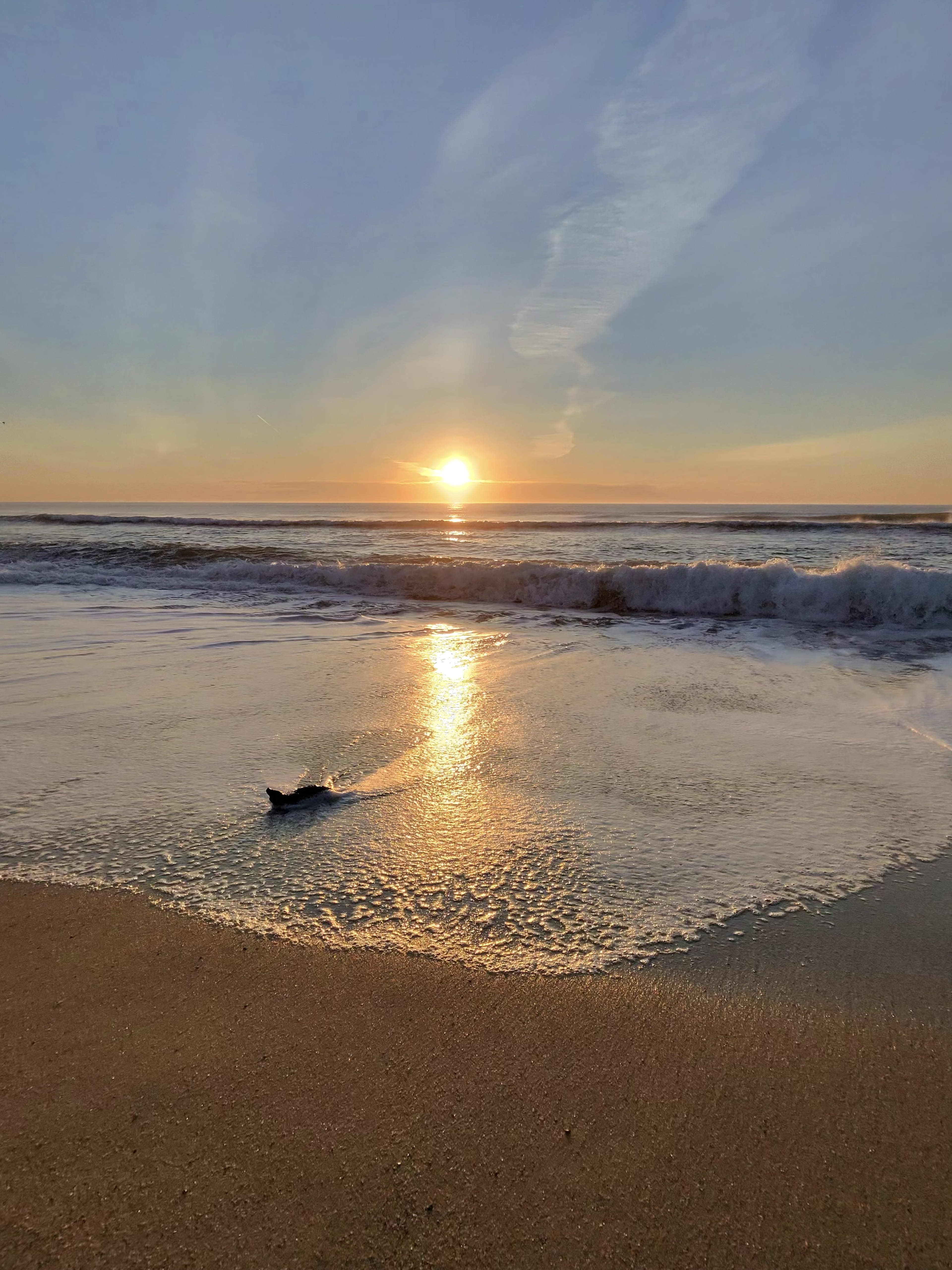
Combining your visit: After the museum, drive north on Route 6A to Yarmouth Port — 15 minutes — for a complete tonal contrast: antique shops, historic sea captain's homes, village-green quiet, and the Bass Hole Boardwalk at Gray's Beach overlooking Chase Garden Creek and the Bay. Push a few miles further east on 6A into Dennis to reach Chapin Memorial Beach, one of the finest Bay-side beaches on the Cape — calm, warm water, low-tide sandbars that extend hundreds of yards, a sunset view across Cape Cod Bay. Together, the museum and an afternoon on the Bay side make a full and varied Cape Cod day.
Gift shop: Worth a stop. A solid selection of books on piracy, maritime archaeology, and the Whydah specifically. Barry Clifford's Expedition Whydah is available and is the definitive account of the discovery.
The Short Version
- What it is: Museum displaying authentic artifacts from the 1717 pirate shipwreck of the Whydah Gally
- Location: 674 Route 28, West Yarmouth, MA 02673
- Admission: $23 adults, $20 seniors (65+), $15 youth (ages 5–15), under 4 free (discoverpirates.com)
- Hours: Open daily, 10 a.m.–5 p.m., year round (discoverpirates.com)
- Time needed: 60–90 minutes
- Parking: Free, ample on-site
- Best for: Families, history and archaeology enthusiasts, rainy-day visitors, anyone who has ever wondered if pirate treasure is real
- Wreck location: Offshore Wellfleet, Atlantic side — approximately 30–40 minutes north of the museum by car on Route 6
For more Cape Cod day trips, family activities, and vetted local experiences — including beaches, dining, and things to do across all 15 Cape towns — visit the Cape Cod Certified directory.
Worth Having in the Car
Cape Cod Certified picks — essentials worth packing for this trip:
- Cape Cod Wide Coastal Photography Book — $29: Wide-angle views of Cape harbors, lighthouses, and sunsets in a handsome hardcover. A timeless keepsake for anyone who left a piece of their heart on the Cape.
- Melissa & Doug Water Wow! Reusable Pads 3-Pack — $19: Mess-free, water-reveal activity pads that dry and reset endlessly, with a refillable chunky pen tucked inside the cover. The rainy-Cape-day and restaurant-wait hero, no screens required.
- Pre-Filled Coastal Welcome Bag Favors (10) — $60: Ten ready-made favor bags with hydration packets, gum, and party essentials to drop into hotel welcome bags. Takes the guesswork out of greeting out-of-town wedding guests in style.
Plan it with Cape Cod Certified
Get the best of Cape Cod — free.
Guides, hidden spots, and seasonal tips from people who actually live here.
Frequently asked questions
Is the Whydah Pirate Museum worth visiting with kids?
Yes — the exhibits are specifically well-calibrated for children, using video installations and interactive elements to explain the archaeology, history, and conservation science. It manages the rare feat of engaging an eight-year-old and genuinely absorbing adults at the same time. Check current hours and fees before you go.
What sank the Whydah pirate ship?
A powerful nor'easter drove the Whydah onto a sandbar off Wellfleet and broke the ship apart in the surf in April 1717. Most of the crew died that night, and only two men survived; both were later tried in Boston.
What is the most important artifact in the Whydah Pirate Museum?
The ship's bell, inscribed with the vessel's name and the year 1716, is the collection's centerpiece. Its recovery confirmed the wreck's identity as the Whydah.
Who was Black Sam Bellamy?
Samuel Bellamy was an English-born pirate said to have earned his nickname by wearing his own dark hair rather than a powdered wig. He ran his ship under a democratic code in which the crew voted on major decisions and shared prizes, and he died young when the Whydah sank.
Is treasure still being found from the Whydah wreck?
Yes — the excavation off Wellfleet is ongoing and new artifacts continue to emerge from the seafloor. The museum reflects this living project: visitors can see conservation work in progress, and what is currently on display represents only a fraction of what remains below.