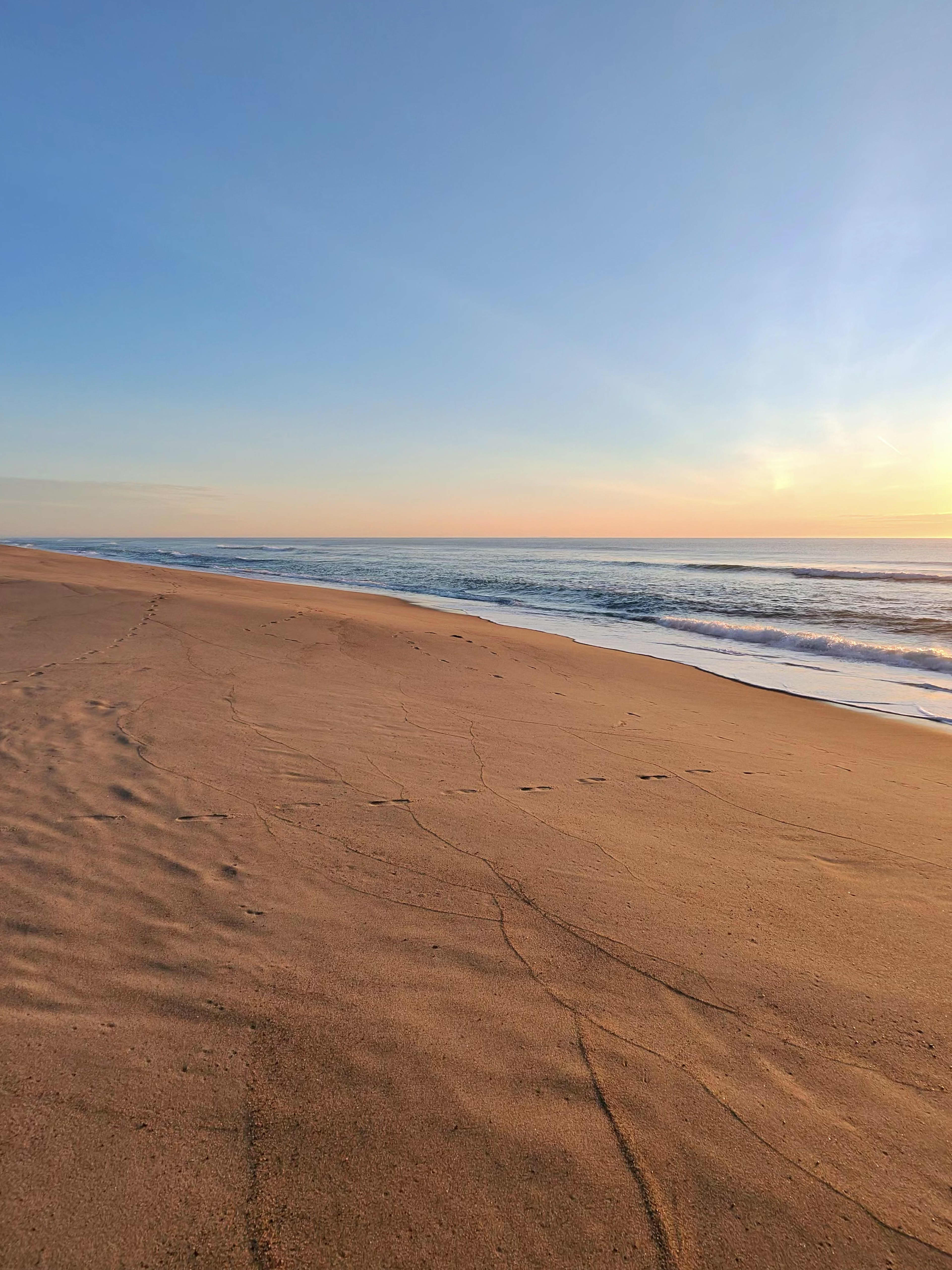
Walk any beach road in Chatham or Truro and look at the mailboxes, the railings, the outdoor shower fittings. Salt air eats metal on Cape Cod — patiently, relentlessly, everywhere. Now imagine bolting racking to your roof and asking it to hold panels through decades of nor'easters. Solar absolutely works on the Cape, and works well; the long summer days are generous. But a system built for a Worcester subdivision and a system built for a bluff over Cape Cod Bay are not the same system, and the difference is exactly the stuff a fast-talking quote glosses over.
Why the Cape Is Hard on Solar Hardware
Three forces work on a Cape roof that inland Massachusetts mostly doesn't face.
Salt. Airborne salt accelerates corrosion on fasteners, racking, wiring connections, and enclosures. The closer to the water — a Wellfleet bayside cottage, a Falmouth house off Surf Drive — the harsher the exposure. Corrosion doesn't fail loudly; it weakens attachments and connections quietly over years.
Wind. Nor'easters and the occasional tropical system deliver sustained coastal wind and gusts that inland roofs rarely see. Panel attachment design — how many anchor points, where, into what — is an engineering question here, not a line item to shave.
Weather cycling. Fog, driving rain, freeze-thaw winters, and intense summer sun cycle Cape roofs hard. Flashing and roof penetrations that would be fine elsewhere can become leak paths here if done cheaply.
None of this is a reason to skip solar. It's a reason to buy the coastal version of solar, from people who install on the coast for a living.
What to Insist On: Roof First, Hardware Second
The roof comes first — always. Panels typically outlive shingles on the Cape, and removing and reinstalling a solar array to reroof underneath it later is an expensive, avoidable headache. Before any solar conversation gets serious, get an honest answer on your roof's remaining life. Salt air and storm exposure age Cape roofs faster than owners expect, especially on south- and east-facing planes — which are exactly the planes solar wants. If the roof is tired, reroof first and sequence the projects together; many owners coordinate a roofer and solar installer so flashing and attachments are done right in one campaign. If an installer waves off the roof question, that's your answer about them.
Then, the hardware conversation. Ask every bidder, and get answers in writing:
- Is the racking and are the fasteners corrosion-rated for coastal salt exposure? Which materials, exactly?
- What wind rating is the attachment design engineered to, and does it meet the code requirements for our exposure? Confirm specifics with your town's building department.
- How are roof penetrations flashed and sealed, and what's the workmanship warranty on leaks?
- Are exterior enclosures, conduit, and connectors specified for marine air?
- Who services the system in year ten, and are they local enough to actually come to Eastham?
Should I replace my roof even if it has some life left? If the roof will need replacement well before the panels do, most Cape pros will tell you to reroof first. Get a roofer's written assessment and let the two trades coordinate.
Do panels protect the roof under them? They shade and shelter the covered planes somewhat, but that's a side benefit, not a reason to put panels on aging shingles.
A word on money while you're comparing bids: the federal Residential Clean Energy Credit — 30% for systems placed in service from 2022 through December 31, 2025 — "is not available for any property placed in service after December 31, 2025" (https://www.irs.gov/credits-deductions/residential-clean-energy-credit). Massachusetts' SMART incentive is in transition too, with SMART 3.0 taking effect via emergency regulation in 2026 (225 CMR 28.00, https://www.mass.gov/regulations/225-CMR-2800-solar-massachusetts-renewable-target-smart-program-30) — confirm the current SMART incentive status with the MA Department of Energy Resources before signing anything. Durability is where you should spend attention now, and get multiple written quotes so you can compare hardware specs line by line, not just totals.
Red Flags on Coastal Durability
- Any installer promising "the 30% federal tax credit" on a 2026 residential install. That credit ended for property placed in service after December 31, 2025 (https://www.irs.gov/credits-deductions/residential-clean-energy-credit). If their incentive math is stale, assume their hardware specs might be too.
- Pressure to sign before "incentives disappear." With SMART 3.0 in transition, the right move is verifying with DOER — not signing under a countdown clock.
- No roof-age conversation. On the Cape this is malpractice. Panels on end-of-life shingles is a problem you'll pay to undo.
- Generic hardware with no coastal rating discussion. "It's all the same racking" is false near salt water.
- Wind engineering hand-waved. Ask for the attachment plan. Fewer anchors is cheaper for them and riskier for you when the February gale arrives.
- Out-of-region crews with no local service presence. When a connection corrodes in year eight, you want someone who can drive over from this side of the bridge.
When to Book: Sequencing Roof and Solar the Cape Way
Work the off-season. Roofers and solar installers both have their best availability from late fall through early spring, and a reroof-then-solar sequence takes real calendar time — assessments, quotes from each trade, permits, and coordination. Start the roof assessment in fall, line up written quotes over the winter, and aim to have the reroof done and panels mounted by late spring, so the system earns its keep through the Cape's long summer days. Seasonal owners in towns like Truro and Orleans should schedule assessments around shoulder-season visits and make sure someone local can open the house for inspections.
Salt air and wind are the price of living somewhere this beautiful. Build your solar the way old Cape houses were built — for the weather that actually comes — and it'll still be quietly working when the next generation argues over who gets the house.
More Cape Cod home guides
- Hiring a Solar Contractor in Provincetown, MA
- Hiring a Solar Contractor in Chatham, MA
- Hiring a Solar Contractor in Falmouth, MA
- Solar Panels on Cape Cod: The Honest 2026 Guide
- Solar Battery Storage on Cape Cod: Outages, Storms, and Peace of Mind
- Cape Cod Solar in 2026: What Changed and What It Means for You
- Contractor Licensing on Cape Cod: HIC, CS & How to Verify Before You Hire
Get the best of Cape Cod — free.
Guides, hidden spots, and seasonal tips from people who actually live here.