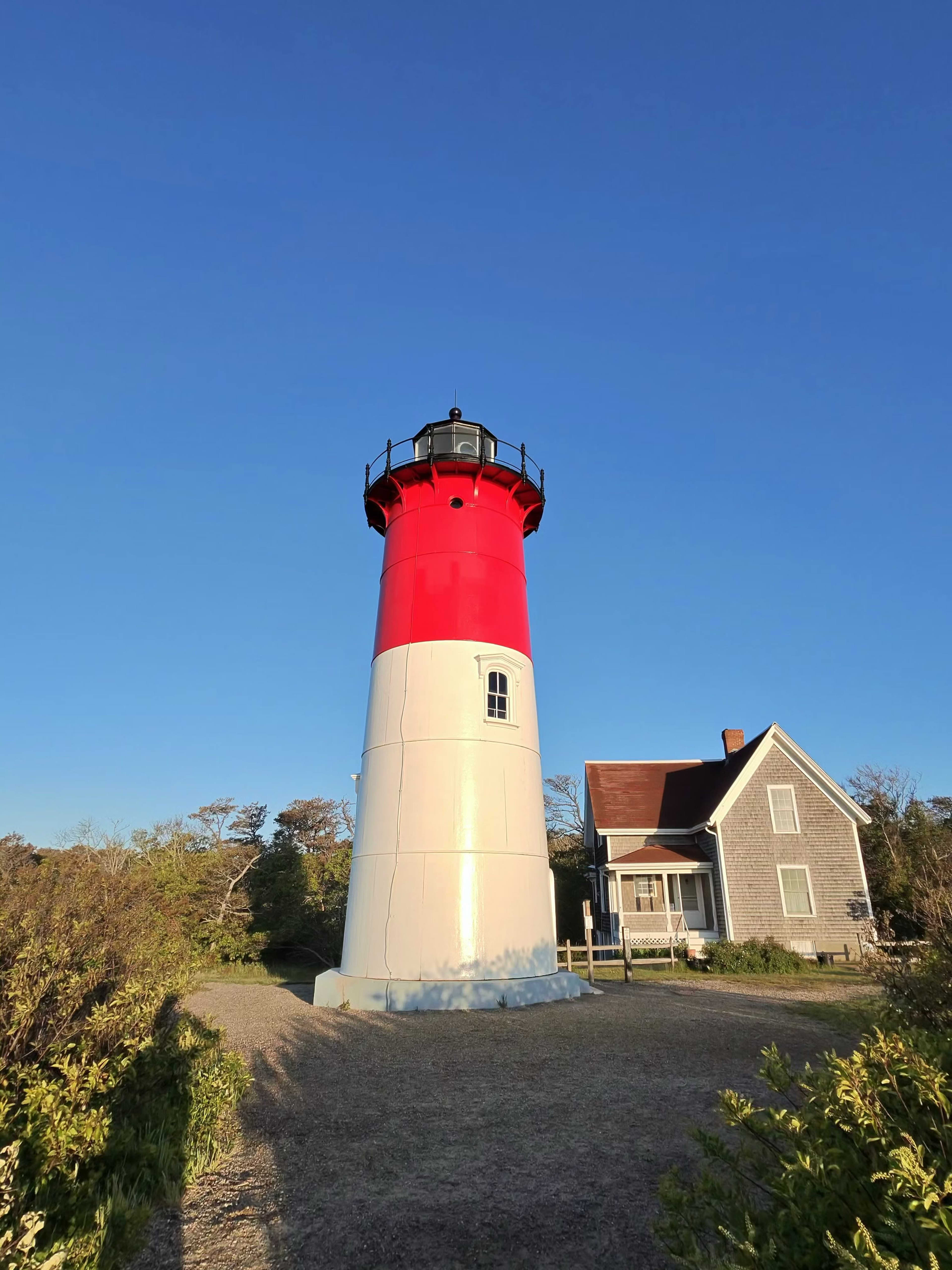
Anyone who's lived through a Cape Cod nor'easter knows the drill: the wind swings around, the lights flicker, and then somewhere between Sandwich and Provincetown a tree limb finds a power line. The Cape's electric grid runs down a narrow peninsula through salt air and mature pines, and outages are simply part of life here — sometimes hours, sometimes days when a big storm churns up the coast. That's the honest reason battery storage gets discussed more seriously on the Cape than in most of Massachusetts. Not hype. Weather.
Why Batteries Matter More on Cape Cod Than Almost Anywhere in Massachusetts
Three Cape realities make storage worth a hard look.
First, the outages. Coastal storms — nor'easters in winter, the occasional tropical system in late summer — knock power out here with a regularity off-Cape folks don't quite believe. When the grid goes down, a standard grid-tied solar array shuts off too, for line-worker safety. Panels alone do not keep your lights on in a blackout. A battery with the right islanding equipment does.
Second, the seasonal-home factor. A huge share of homes from Falmouth to Truro sit empty for months. An unattended house that loses power in February risks frozen pipes, dead sump pumps, spoiled freezers, and dark security systems — expensive problems discovered weeks later. A battery that carries critical circuits through an outage, paired with remote monitoring, is genuine peace of mind for an owner watching from Boston or Hartford.
Third, the stakes of the freezer and the well pump. Plenty of Outer Cape homes in Wellfleet and Truro are on private wells; no power means no water. Add a chest freezer full of summer's stripers and shellfish, and a day-long outage stops being an inconvenience.
What to Know About Pairing Batteries With Solar
A battery can be installed with a new solar system or added to an existing one, but the pairing details matter and this is where installer quality shows.
Ask every installer these questions, and get answers in writing:
- Which circuits get backed up? Whole-home backup is a bigger, costlier system than a critical-loads panel covering heat, refrigeration, the well pump, and a few outlets. For most Cape homes — especially seasonal ones — critical loads is the sensible conversation to start with.
- How long will it run what I care about? Make them walk you through the assumptions: what loads, what weather, whether the panels can recharge the battery mid-outage on a gray January day.
- Where does it live? Batteries have temperature and moisture requirements. An unconditioned Cape crawlspace or a salty exterior wall in Chatham may not qualify. Placement affects performance and warranty.
- Can I monitor and control it remotely? For second-home owners, this is close to non-negotiable.
- Is the equipment rated for coastal conditions? Salt air is relentless on enclosures and connections near the water.
On incentives, verify everything yourself. The federal Residential Clean Energy Credit — 30% for systems placed in service from 2022 through December 31, 2025 — "is not available for any property placed in service after December 31, 2025" (https://www.irs.gov/credits-deductions/residential-clean-energy-credit). And Massachusetts' SMART program, which has historically included storage-related provisions, is in transition: SMART 3.0 took effect via emergency regulation in 2026 (225 CMR 28.00, https://www.mass.gov/regulations/225-CMR-2800-solar-massachusetts-renewable-target-smart-program-30). Confirm the current SMART incentive status with the MA Department of Energy Resources before signing anything, and ask your utility what battery programs, if any, you qualify for. Get multiple written quotes; battery pricing varies as much as solar pricing does.
Will my solar keep working in a blackout if I don't have a battery? No — standard grid-tied systems shut down when the grid does. Backup requires storage plus the right equipment.
Can a battery run my whole house for days? Usually not without careful design and real money. Most Cape households are better served backing up the critical loads and being honest about the rest.
Red Flags When Shopping for Solar-Plus-Storage on the Cape
- Any installer promising "the 30% federal tax credit" on a 2026 residential install. That credit ended for property placed in service after December 31, 2025 (https://www.irs.gov/credits-deductions/residential-clean-energy-credit). Stale math on the proposal means stale knowledge on your roof.
- Pressure to sign before "incentives disappear." SMART 3.0 is in transition and details remain in flux — which is precisely why you confirm the current status with DOER before signing anything, not a reason to rush.
- Vague backup promises. "It'll run your house" is not a specification. Demand a circuit-by-circuit backup plan in writing.
- No discussion of battery location, temperature, or salt exposure. On the Cape, that conversation is mandatory.
- A storage quote with no site visit. Panel capacity, wiring, and placement can't be assessed from a satellite photo.
When to Book a Battery Consultation
Think in seasons, the Cape way. Storm season is the worst time to want a battery and the best time to already have one — so shop in the quiet months. Late fall through winter, installers have schedule room and you have time for three written quotes. Seasonal owners should aim to have storage installed and tested before closing the house up for winter, and monitoring apps set up before you leave. If you're adding a battery to existing solar, start earlier than feels necessary; utility approvals and equipment lead times move at their own pace.
A battery won't make the wind stop howling off Cape Cod Bay. But when the neighbors' windows go dark in Dennis and your well pump keeps humming, you'll know exactly what you paid for — as long as you bought it from someone who put every promise in writing.
More Cape Cod home guides
- Hiring a Solar Contractor in Truro, MA
- Hiring a Solar Contractor in Barnstable, MA
- Hiring a Solar Contractor in Wellfleet, MA
- Leasing vs. Owning Solar on Cape Cod: What Changes in 2026
- Solar Permits, HOAs, and Historic Districts on Cape Cod
- What Solar Really Costs on Cape Cod: An Honest Value Guide
- Radon Testing & Mitigation on Cape Cod: What the Science Says and What to Do
Get the best of Cape Cod — free.
Guides, hidden spots, and seasonal tips from people who actually live here.