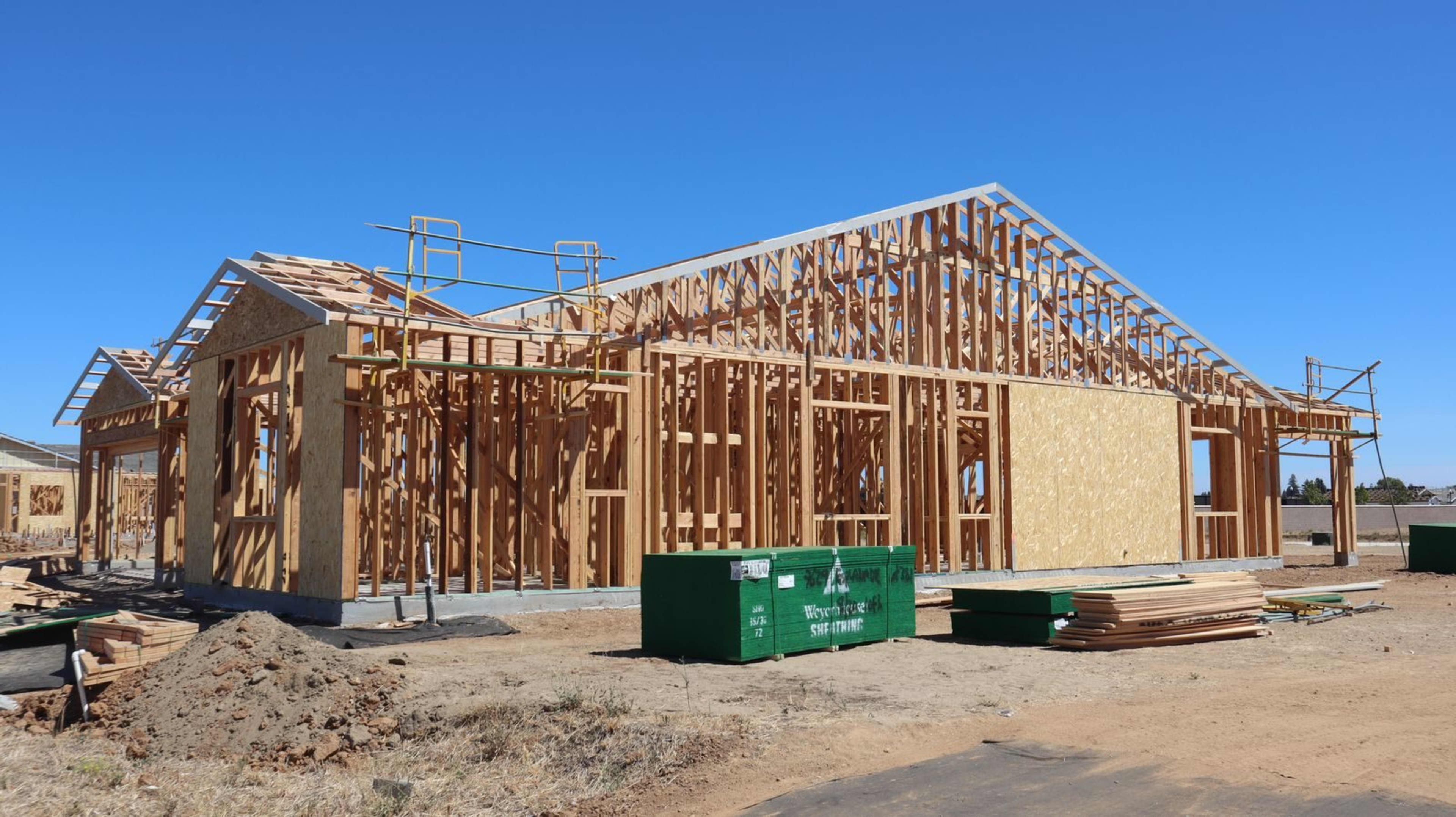
Why Harwich Homeowners Have Specific Home Building & New Construction Needs
Harwich isn't a generic Cape town, and its housing stock reflects that. You've got 1950s summer cottages a block from Nantucket Sound sitting next to year-round homes built on the sandy uplands, plus a growing set of teardown-rebuilds along Wychmere, Saquatucket, and the Herring River. That mix means a contractor's real portfolio matters more than their marketing — the framing, moisture strategy, and finishes that work on a Pleasant Bay waterfront rebuild are not the same as what a Great Sand Lakes ranch renovation needs.
The site conditions are the other big variable. Sand crawl spaces, high water tables in the low-lying south side, and salt-driven corrosion on any south- or east-facing structure all shape which builders can actually deliver here. Homeowners in Harwich consistently reference sand crawl work, basement water sealing, decks and screened porches for summer cottages, boat garages, and waterfront patios and stairs. A contractor without hands-on Cape coastal experience will underestimate all of it — flashing details, fastener choice, framing for wind exposure, the way a screened porch built to inland specs will loosen up after three winters of salt and freeze-thaw.
The third factor that quietly shapes every job here is owner presence. A large share of Harwich homes are second homes or seasonal, and homeowners routinely manage projects from Boston, New York, or further. That puts a premium on contractors who communicate proactively without being chased — because the alternative is showing up Memorial Day weekend to a job that stalled in April and no one told you.
What Harwich Homeowners Actually Complain About
The single loudest complaint pattern is timeline drift. Not one week late — months late. Six-week jobs turning into nearly five-month sagas, with the homeowner learning about each delay only after asking. The pattern almost always starts the same way: a verbal or vague written timeline, no milestone schedule, and a contractor who books more work than his crew can carry. Once a job slips, it keeps slipping, because your project is now competing for crew hours with three other jobs that are also behind.
The second pattern is jobsite behavior — and it's a leading indicator for everything else. Tools left scattered in driveways, trash tossed in the yard, crews arriving late and working carelessly on day one. Homeowners here consistently report that the way a crew treats the site in the first week is exactly how they treat the whole job. Messy start, messy finish, and often, a punch list you're still chasing at Thanksgiving.
The third — and most avoidable — pattern is contractors quietly dropping stated priorities between the sales pitch and the actual work. A homeowner tells the builder up front that insulation matters most on the metal roof job, or that dust containment matters most because they've got a kid with asthma. The contract gets signed on that understanding, and then the actual scope executed doesn't reflect it. This isn't malice — it's poor internal handoff between the owner who sold the job and the crew who runs it. But the result is the same: you paid for one thing and got another.
What to Ask Before You Hire
- "Can I see a written milestone schedule with dates, not just a start and finish?" — Vague timelines are the number-one source of overruns here. If they can't produce a milestone schedule before signing, they don't have one after signing either.
- "Who is running my job day-to-day, and how often will I hear from them?" — Owner-involved project management is the single strongest predictor of a well-run Harwich job. If the owner sells and disappears, that's the whole story.
- "What's your plan for keeping the site clean each day, and who's responsible for it?" — A specific answer ("crew sweeps and stages tools at end of each shift, dumpster rotated weekly") beats "we always keep it clean."
- "How do you handle the priorities I've flagged as most important?" — Ask them to write your top two or three concerns into the contract or scope document, in your language. If they resist, they'll forget them.
- "How do you communicate with second-home owners who aren't on site?" — Weekly photo updates, a shared folder, or a project management app all work. "We'll call if there's a problem" doesn't.
- "What's your experience with coastal exposure and high water tables specifically in Harwich or East Harwich?" — Local coastal reps aren't optional here. Ask for two recent addresses within a few miles.
- "How do you handle winter weather delays, and what happens to my schedule if we get a storm run?" — Contractors who keep projects moving through snow are a real differentiator. Ask specifically.
- "What's your process if something goes wrong after the job — ice dam, leak, framing issue?" — Emergency responsiveness after handoff is one of the clearest quality signals homeowners flag.
Red Flags to Watch For
- A verbal timeline or a start-and-finish date with nothing in between. No milestones means no accountability.
- A messy or late first week. How the crew shows up on day one is how they'll show up on day sixty.
- The owner who sold the job disappears after signing. Handoff to a foreman you've never met is where priorities get lost.
- Vague answers about coastal experience or Harwich-specific site conditions. "We work all over the Cape" is not the same as "we did a crawl space encapsulation on Bank Street last fall."
- No proactive communication plan for absentee owners. If they don't have a system, you'll spend the whole job chasing them.
- Priorities you stated pre-contract not appearing anywhere in the written scope. If it's not written, it won't happen.
When to Book (Timing This Town)
For any meaningful new construction, addition, or major remodel, book by late fall or early winter for the following summer. The best Harwich builders are typically full six to nine months out, and the ones with real coastal experience close out even earlier. If you wait until March hoping to be in by July, you'll either get a contractor with unexpected availability (usually a bad sign) or you'll get pushed to fall.
Winter is not dead season here — it's when the best crews close in and finish framing so you're not fighting weather on the finishes in May. Contractors who can keep momentum through snow are worth paying a premium for, because the alternative is a three-week stall every time we get a nor'easter. For smaller work — decks, screened porch rebuilds, boat garage repairs — book by February or March for a spring-into-summer completion.
What a Good Job Actually Looks Like
A well-run Harwich job feels almost boring. You get a written schedule with real milestones. The crew shows up when they said they would, on the first day and every day after. The site is swept at the end of each shift, tools are staged, and the dumpster gets rotated before it overflows. The owner or a real project manager checks in with you — daily during active phases, weekly otherwise — with photos if you're not on site.
When something changes, you hear about it before it becomes a problem. Change orders are written, priced, and signed before the work happens, not billed after. The job finishes on the date they promised, or within a week of it, and the punch list is closed inside thirty days. Six months later, when the ice dam forms or the deck board cups, they answer the phone. That's the standard. It exists in Harwich — the best contractors here deliver it consistently — and it's what you're paying for.
More Harwich on Cape Cod Certified
More Cape Cod home guides
- Hiring a Home Building & New Construction Contractor in Brewster, MA
- Hiring a Home Building & New Construction Contractor in Chatham, MA
- Hiring a Home Building & New Construction Contractor in Dennis, MA
- Hiring a Remodeling Contractor in Harwich, MA Guide
- Hiring a Septic & Title 5 Contractor in Harwich, MA
- Hiring a Roofing Contractor in Harwich, MA: Guide
- Building a New Home on Cape Cod: A Homeowner's Guide
- Cape Cod New Construction in Summer 2026: ADUs, Stretch Code, Septic & Permit Timing
Get the best of Cape Cod — free.
Guides, hidden spots, and seasonal tips from people who actually live here.