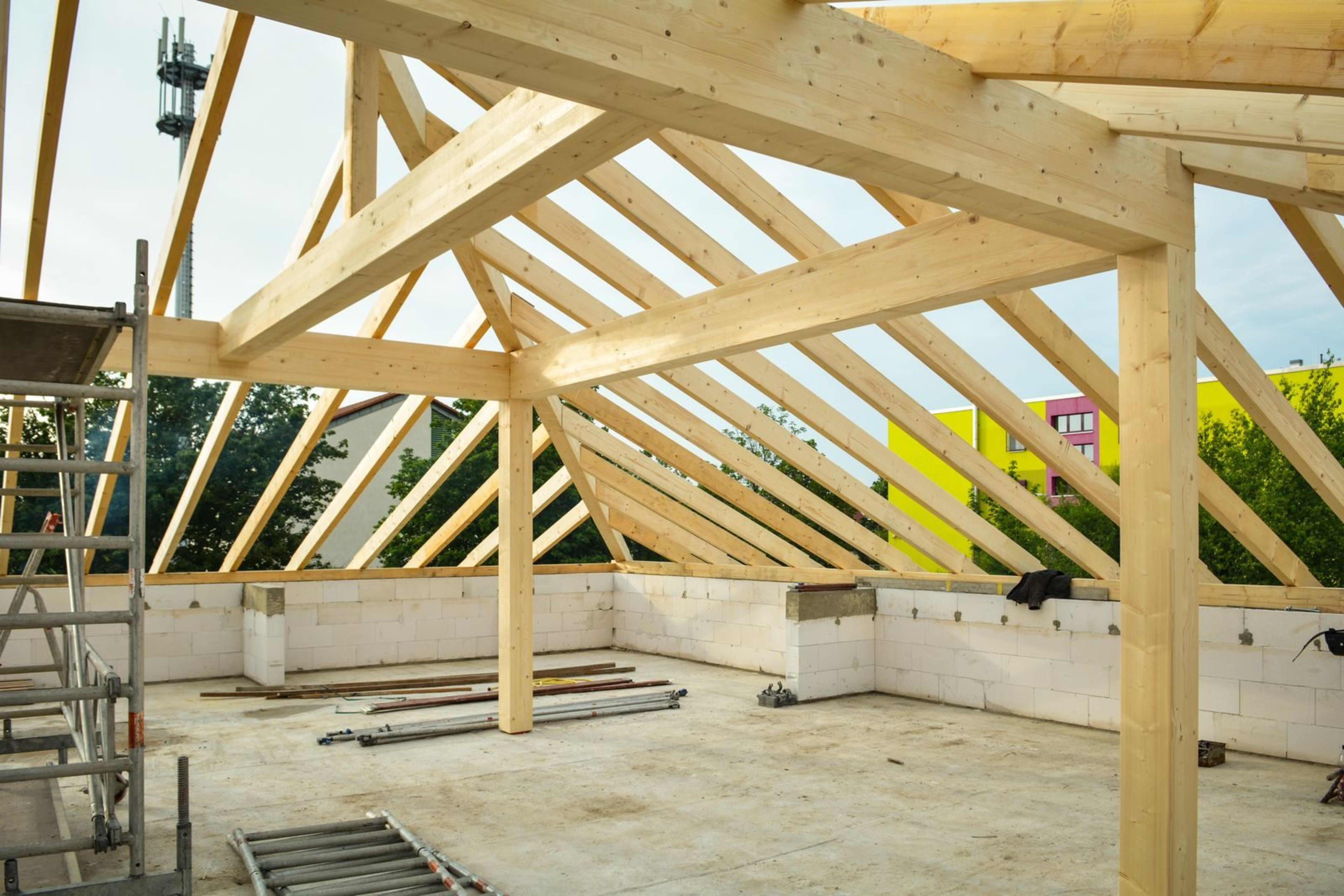
Why Dennis Homeowners Have Specific Home Building & New Construction Needs
Dennis is a town of old bones and new expectations. A large share of the housing stock predates modern building codes — original Capes with low ceilings, quirky basement layouts, undersized kitchens, and additions layered on across decades. When homeowners here call a builder, the job is almost never a clean slate. It's a renovation that has to reckon with what previous owners and prior contractors left behind: outdated wiring, settled foundations, rot hiding behind clapboards, and floor plans that no longer fit the way anyone actually lives.
Layer on the geography and it gets more specific. Dennis has both a Bay side and a Sound side, meaning waterfront decks, screened porches, patios facing prevailing winds, and outbuildings like boat garages come up far more here than they would in an inland town. Salt air is unforgiving on framing and fasteners. Basement finishing and waterproofing are common asks because so many homes sit close to the water table. And the freeze-thaw cycle punishes anything built with shortcuts.
Then there's the owner profile. A meaningful portion of Dennis homes are second homes or seasonal residences, which means the person paying for the work is often not the person who can walk the job site. That single fact reshapes what "a good contractor" means here — it's not just craftsmanship, it's the ability to run a professional job when the client is three hundred miles away and depends entirely on what shows up in their inbox.
What Dennis Homeowners Actually Complain About
The most common frustration in the reviews isn't about bad craftsmanship — it's about what happens when a project uncovers something unexpected. Ice dams leave hidden water damage. A bathroom demo reveals rot around the tub. A basement finish exposes a foundation issue that has to be dealt with before anything else moves forward. Homeowners rarely blame the contractor for the surprise itself; they blame the contractor for handling it badly — vague change orders, sudden cost jumps, or a stalled job while everyone figures out what to do next. The builders who win reviews are the ones who caught the possibility in the pre-construction budget and had a plan for the "what if."
Communication is the second big theme, and it's especially loud from off-Cape owners. When the client isn't on-site, silence reads as trouble. The complaints cluster around contractors who go dark for days, don't send photos, and only surface when they need a decision or a check. On the flip side, the highest-rated builders in Dennis send daily or near-daily updates — short notes, jobsite photos, a heads-up on what's coming next week — and treat that as part of the job, not a favor.
The third pattern is weather and scheduling. Snow, nor'easters, and winter storm damage disrupt jobs, and the builders who lose reviews are the ones who let disruptions cascade. Homeowners understand that weather happens. What they don't tolerate is a contractor who uses it as an excuse to disappear for two weeks without a revised timeline.
What to Ask Before You Hire
- "Can I see a detailed pre-construction budget with contingency for hidden issues?" — Contractors who can't produce a thoughtful, itemized estimate before demo tend to be the same ones surprised by rot, ice dams, or foundation problems mid-job.
- "How often will I get updates, and will they include photos?" — If you're not on-site, this is the single most important question. Set the cadence in writing before the job starts.
- "Walk me through the last time you found something unexpected on a job — what happened?" — Their answer tells you exactly how the next surprise on your house will get handled.
- "How do you handle weather delays in the winter?" — Dennis jobs get hit by snow and storms. You want to hear a concrete process, not a shrug.
- "Have you done work on older Cape houses like mine?" — Renovating a 1960s Cape is a different craft than framing a new build. Ask for specific comparable projects.
- "Do you have experience with waterfront exposure — decks, screened porches, salt-side framing?" — If your project touches the outdoors, salt and wind matter. Materials and detailing should reflect that.
- "Who's my point of contact day-to-day, and what's their response time?" — "The owner does everything" sounds nice but often means slow replies. A dedicated project manager is usually better.
- "Can you share references from clients who weren't on-site during the work?" — If you're a seasonal owner, talk to other seasonal owners about how the contractor performed remotely.
Red Flags to Watch For
- Vague or verbal-only pre-construction budgets. If they can't put numbers on paper before demo, they'll surprise you later.
- No system for photo updates. In Dennis, this isn't a luxury — it's a baseline for absentee owners.
- Deflecting on the "unexpected issue" question. Every experienced Cape builder has hit rot, ice-dam damage, or bad concrete. If they can't tell you a specific story about handling one, they haven't handled one well.
- Pressure to skip detailed contracts or scope documents. "We'll figure it out as we go" is how budgets balloon and jobs stall.
- A pattern of blaming previous contractors or clients in their reviews. How they talk about past jobs is how they'll talk about yours.
- No clear plan for winter weather. If they can't tell you how they'll keep your project moving through a January storm, they won't.
When to Book (Timing This Town)
Serious renovations and new builds in Dennis fill their calendars early. If you want work started in spring — the busiest season for exterior projects like decks, porches, and additions — most reputable builders are booked by late winter, and the strongest ones are booked six to nine months out. Winter is prime time for interior work: kitchen and bath renovations, basement finishing, and any project you want completed before Memorial Day arrivals. Emergency work is a different animal — ice-dam damage and storm repairs happen on their own schedule, and the contractors who respond quickly to those calls tend to be the ones who've already built relationships with year-round clients. If you're waiting until the season starts to make calls, you're already behind.
What a Good Job Actually Looks Like
A well-run Dennis project starts with a written scope, an itemized budget, a realistic timeline with a contingency line for surprises, and a clear agreement on how you'll communicate. Once work begins, you should hear from your contractor on a predictable rhythm — photos of progress, a heads-up on what's coming, and prompt honest answers when something unexpected turns up. The jobsite should be clean at the end of the day, subs should be accountable, and the punch list at the end should be short because things were caught along the way, not saved for the finish. When it's done, a good builder follows up after the first season — after the first winter, after the first stretch of rain — because they know that's when materials tell the truth. That's the standard here, and enough Dennis builders meet it that you shouldn't settle for less.
More Cape Cod home guides
- Hiring a Home Building & New Construction Contractor in Yarmouth, MA
- Hiring a Home Building & New Construction Contractor in Brewster, MA
- Hiring a Home Building & New Construction Contractor in Barnstable, MA
- Hiring a Remodeling Contractor in Dennis, MA
- Hiring a Septic & Title 5 Contractor in Dennis, MA
- Hiring a Roofing Contractor in Dennis, MA: Guide
- Building a New Home on Cape Cod: A Homeowner's Guide
- Cape Cod New Construction in Summer 2026: ADUs, Stretch Code, Septic & Permit Timing
Get the best of Cape Cod — free.
Guides, hidden spots, and seasonal tips from people who actually live here.