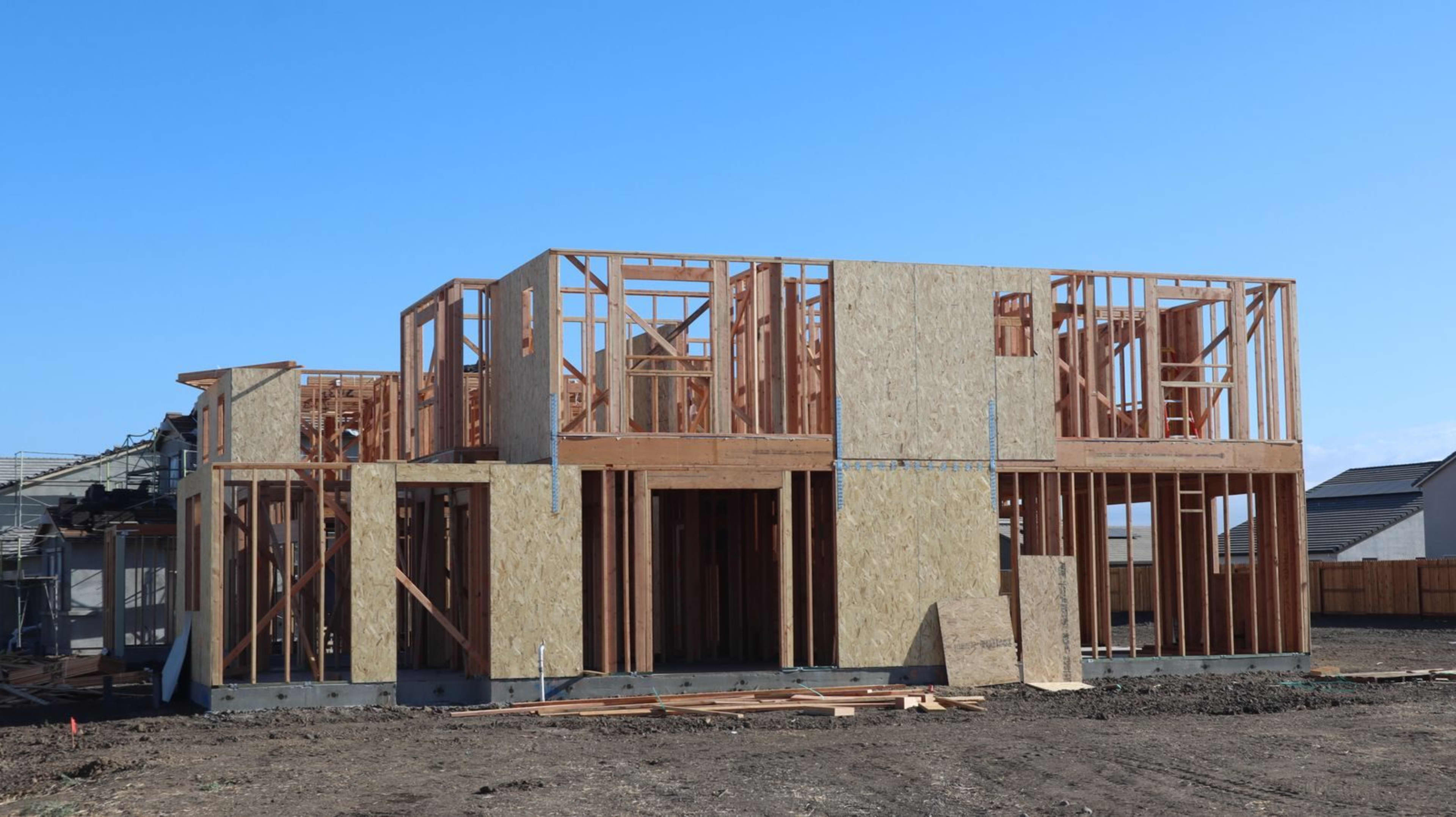
Why Barnstable Homeowners Have Specific Home Building & New Construction Needs
Barnstable is not one town so much as seven villages sharing a building department, and where you're building changes almost everything about the job. A new home in Cotuit, Osterville, or on Craigville Beach is a coastal build — flood zone rules, hurricane straps, engineered foundations, and in some cases breakaway walls. A new home in Barnstable Village or West Barnstable sits inside the Old King's Highway Regional Historic District, where the roof pitch, siding, window pattern, and even the color of your trim have to clear a design review before a shovel goes in the ground. A new home in Marstons Mills or the interior of Centerville is comparatively unregulated on the design side but often lands inside a nitrogen-sensitive watershed, which means the septic system alone can add tens of thousands of dollars and months to the timeline.
Layer in the site conditions: sand you can dig with a spoon, a water table that comes up faster than most inland builders expect, and — on waterfront and pond parcels — the 100-foot conservation buffer that triggers Con Comm review on top of every other approval. Almost every Barnstable new build touches at least two boards or commissions. A general contractor who has only worked off-Cape can genuinely learn this, but they will learn it on your dime and your calendar.
Finally, the climate. Cape winters are wet and windy more than they are brutally cold. A foundation poured in November has to be planned around. A house that isn't dried in before Thanksgiving loses its winter framing window. Contractors who build here full-time sequence the work around weather; contractors who don't get caught by it.
What Barnstable Homeowners Actually Complain About
The most consistent pattern on ground-up projects here isn't bad craftsmanship — it's schedule drift, and it almost always traces back to permitting and site work that was underestimated at the front end. The build sells cleanly during design. Then the septic engineer comes back and says the property needs an alternative/innovative system because of the watershed. Then Conservation flags the driveway. Then Old King's Highway asks for a different window grid pattern. Every one of those is normal Barnstable, and a builder who works here should have priced and scheduled for all of it. When they haven't, the homeowner is the one carrying the interest on a construction loan while the paperwork catches up.
The second pattern is the change-order fog. New construction has more moving parts than a remodel, and a lot of what a homeowner thinks is included isn't — appliance packages, light fixtures, tile allowances, hardscape, well-and-septic contingencies, landscape restoration after the excavator leaves. Weak builders leave those buckets vague on purpose and settle up at the end. Strong ones itemize allowances line by line and update the running number every month so the homeowner never sees a surprise.
The third pattern is the finish. A house can be structurally beautiful and still feel unfinished because the punch list drags. Trim gaps, cabinet reveals that don't line up, exterior caulking that wasn't done, a driveway that never got its final coat. On new construction the last five percent is where reputations are actually made — and where the shakiest builders lose interest because they're already chasing the next contract.
What to Ask Before You Hire
- "How many ground-up homes have you completed in Barnstable in the last three years, and can I visit two of them?" — New construction experience does not transfer from remodeling. You want to walk a finished house, not a portfolio PDF.
- "Which septic engineer, surveyor, and architect do you regularly work with here?" — Builders with a stable local team get through permitting faster and cheaper than builders who assemble a new one each job.
- "Is this property in a nitrogen-sensitive watershed, and if so, what type of septic system are we assuming?" — If they don't know, they haven't done the homework yet.
- "Is any part of this parcel inside a flood zone or the Old King's Highway district?" — The answer determines the foundation, the roof, and half the exterior design.
- "Walk me through your allowance schedule — where are the biggest owner-selection line items?" — Look for specificity. Vague allowances mean surprise bills later.
- "What's your schedule of values and draw schedule, and how do you handle change orders in writing?" — Every well-run new-build here runs on a documented draw schedule with signed change orders. Every complaint had this fail.
- "Who is my day-to-day point of contact — the owner, a project manager, or the site super — and how often will I hear from them?" — Bigger builders can be good, but only if you know who owns your job.
- "What's your punch-list process, and how long after closing will you still fix things?" — The good ones have a written first-year warranty walkthrough. The rest disappear on move-in day.
Red Flags to Watch For
- A bid that's meaningfully cheaper than the others with vague allowances and no site-work contingency. On a Barnstable new build, hidden ledge is rare but high water tables, unsuitable fill, and watershed septic surprises are common. A bid without contingency is not a real bid.
- The builder can't name the Barnstable inspectors, the septic engineer they'd use, or the OKH filing process. These are basic local literacy questions. A vague answer means you're paying tuition.
- No written schedule of values, no formal draw schedule, no written change-order process. New construction runs on paperwork. Verbal handshake builders here are how homeowners end up in disputes at 80% complete.
- You never meet the person who will actually run your site. The owner sells the job, then hands you to a super you've never seen. Insist on meeting the site lead before signing.
- Reluctance to provide a completion date with a defined punch-list and warranty window. "It'll be done when it's done" is not a plan on a project this expensive.
- They can start next month in peak season with no explanation. Good crews in Barnstable are booked twelve to eighteen months out on new construction. A wide-open calendar in spring is a signal, not a convenience.
When to Book (Timing This Town)
Ground-up new construction in Barnstable is a twelve-to-twenty-four-month calendar from signed design contract to move-in, and the front half of that is almost entirely paperwork. If you want a foundation in the ground next spring, you should be interviewing builders this summer, finalizing design in the fall, and submitting permits by December. Waiting until spring to start the conversation almost guarantees you lose a construction season, because septic engineering, Conservation Commission hearings, and — if you're on 6A — Old King's Highway design review are all sequential and none of them move faster in a hurry.
The good builders here also front-load their exterior weather-dependent work: excavation and foundation from April through October, dried-in before Thanksgiving, interior finish through the winter. A contract signed too late in the year forces the whole sequence off by a season. Book early or plan patiently.
What a Good Job Actually Looks Like
A well-run new build in Barnstable is boringly predictable. You know the week the foundation is going in. You get a monthly written update with the current schedule, the current running budget, and any pending decisions the builder needs from you. Selections are made against real allowances, not guesses, and any overage is written up as a change order before the material is ordered. The site is fenced, clean, and organized every Friday. Subcontractors show up when the schedule says they will because the builder has real relationships with them, not one-off arrangements.
At the end, the builder walks the house with you and produces a written punch list — and then actually closes it out inside a few weeks, not months. Eleven months after you move in, they call you back for a warranty walkthrough because the good builders know that's how the next referral gets made. That's the standard on new construction in Barnstable. It exists here. Hold out for it.
More Hyannis (Barnstable's hub) on Cape Cod Certified
More Cape Cod home guides
- Hiring a Home Building & New Construction Contractor in Yarmouth, MA
- Hiring a Home Building & New Construction Contractor in Dennis, MA
- Hiring a Home Building & New Construction Contractor in Mashpee, MA
- Hiring a Remodeling Contractor in Barnstable, MA
- Hiring a Septic & Title 5 Contractor in Barnstable MA
- Hiring a Roofing Contractor in Barnstable, MA: Guide
- Building a New Home on Cape Cod: A Homeowner's Guide
- Cape Cod New Construction in Summer 2026: ADUs, Stretch Code, Septic & Permit Timing
Get the best of Cape Cod — free.
Guides, hidden spots, and seasonal tips from people who actually live here.