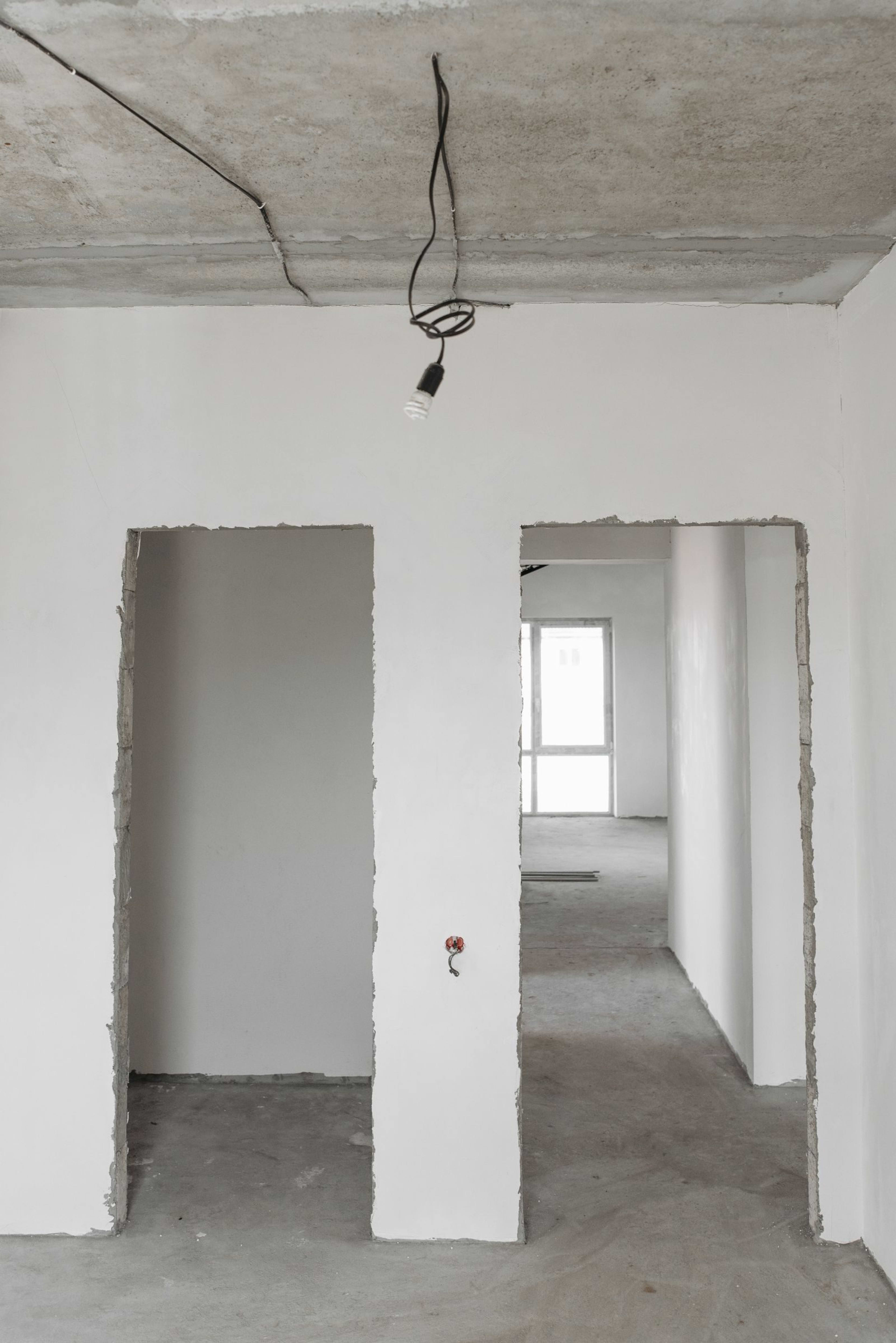
Why Truro Homeowners Have Specific Remodeling & Home Renovation Needs
Truro is not a generic Cape Cod town, and its housing stock reflects that. You've got weathered shingled capes tucked into the dunes, converted summer cottages winterized decade by decade, and older year-round homes that have absorbed a hundred winters of salt spray, wind loading, and freeze-thaw cycles. Add the Outer Cape's strict setback rules, wetlands buffers, and Cape Cod Commission oversight for larger projects, and you're working inside a code environment that catches out-of-town contractors regularly. A remodeler who "does the Cape" from an off-Cape base is not the same as one who knows Truro's zoning quirks, building department rhythms, and which town officials answer the phone before noon in July.
The other reality that shapes this trade here: a large share of Truro homeowners are seasonal or absentee. Projects get scoped in August, contracted in October, and executed between November and April with the owner three states away. That reshapes what "good" looks like — it's less about being physically available for site walks and more about a contractor who runs a job well without an owner hovering.
Finally, the classic Cape aesthetic matters here in a way it doesn't everywhere. Beadboard ceilings, chair rail, tight shingle exposures, screened porches sized for shoulder-season evenings — these are recurring project types, and a remodeler who has done twenty of them is going to save you from twenty small mistakes.
What Truro Homeowners Actually Complain About
The loudest complaints in the review data are not about workmanship — they're about disappearance. Owners describe contractors who started a job, discovered a complication (a rotten sill, an ice dam, a hidden structural issue behind what was supposed to be a cosmetic paint-and-wallpaper refresh), and then simply stopped showing up. Garage builds abandoned mid-frame. Roof work left partly torn off. The pattern isn't dishonesty so much as under-capitalized outfits that hit one snag and can't absorb the cash-flow hit, so they drift toward whichever job is easier.
The second pattern is the aftermath of a company going out of business. Homeowners mention specific regional outfits — Newpro is the one cited most — that installed something under warranty and then vanished, leaving no one to call when a roof leaks two winters later. On the Outer Cape, where a Boston-based contractor's "we service the Cape" claim can evaporate quickly, staying power matters as much as workmanship.
The third pattern is the sales experience itself. Larger regional contractors run high-pressure, same-day-close routines with inflated quotes designed for negotiation theater. Truro homeowners are, by and large, not the audience for this — they've been burned before, they talk to their neighbors, and the reviews reflect a strong preference for smaller local outfits that quote once, quote fairly, and don't push.
What to Ask Before You Hire
- "How many days a week will someone actually be on my site until this is done?" — Multiple praised reviews specifically call out daily presence as rare. Get an answer, not a shrug.
- "How long have you been in business under this exact name, and who holds the warranty if you close?" — The Newpro pattern is real; a two-year-old LLC with no track record is a warranty risk.
- "Have you pulled permits in Truro before? Who's your inspector contact?" — Local knowledge shows up in the answer or it doesn't.
- "What happens if you open a wall and find something we didn't plan for?" — You want a documented change-order process, not vibes.
- "Can you send weekly photo updates? I won't be here." — For absentee owners this is the single most predictive question.
- "Do you subcontract, and if so, who?" — Ask by name. Cape Cod is a small trades community; the names either check out or they don't.
- "Can I see a completed Cape-style project — shingles, beadboard, screened porch — that's at least two winters old?" — Fresh work looks great. Two-year-old work tells the truth.
- "What's your written policy on price changes once we're underway?" — On-budget completion is the top praise in the review data. Get it in writing.
Red Flags to Watch For
- A quote delivered same-day with pressure to sign before you talk to anyone else. This is the regional-contractor playbook and reviewers here consistently regret falling for it.
- Vague answers about daily site presence — especially phrases like "we'll be around as needed" or "you'll see us a few times a week."
- No verifiable Truro or Outer Cape project history — a portfolio of Mid-Cape or off-Cape work isn't the same thing.
- Reluctance to send progress photos to an out-of-state owner. If they push back on this, they don't have a system for it.
- A company that formed recently, has slick marketing, and works across three states. The Newpro-style exit risk lives here.
- Refusal to put change-order pricing in writing before work starts. Mid-project "discoveries" are where budgets get destroyed.
When to Book (Timing This Town)
The Outer Cape remodeling calendar runs opposite to the summer economy. The strongest contractors book their winter interior work — kitchens, baths, beadboard, trim, interior repaints, screened-porch rebuilds — between Labor Day and mid-October, for execution November through April. If you wait until January to start calling for a February kitchen, you're choosing from whoever wasn't booked, and that is not the shortlist you want.
Exterior work — shingle siding, roofing, porch framing — is best contracted in late winter for a spring-through-early-summer build slot, before the crews vanish into the peak season. Storm-driven emergencies (ice dams, wind-lifted roofing, flashing failures) are the exception; those get handled reactively, and the good contractors will triage a longtime client before a stranger. Which is another argument for building the relationship before you need it.
What a Good Job Actually Looks Like
A well-run Truro remodel starts with a scope that is honest about what can't be seen yet — the contractor names the likely unknowns (sill condition, insulation, wiring vintage) and tells you how each will be handled if it turns up. Once work starts, someone is on site every working day, the job stays clean at the end of each day, and you get a photo update at least weekly whether you asked for one or not. Change orders are written and approved before the work happens, not attached to the final invoice.
At the end, the job finishes on the week it was supposed to and within the number you agreed to. The contractor walks the finished work with you (or on FaceTime if you're off-Cape), leaves a written warranty, and picks up the phone the following winter when a piece of trim moves a sixteenth. That last part — still answering the phone two years later — is what separates the contractors Truro homeowners recommend from the ones they warn each other about.
More Truro on Cape Cod Certified
More Cape Cod home guides
- Hiring a Remodeling Contractor in Wellfleet, MA
- Hiring a Remodeling Contractor in Provincetown, MA
- Hiring a Remodeling Contractor in Eastham, MA
- Hiring a Home Building & New Construction Contractor in Truro, MA
- Hiring a Painting Contractor in Truro, MA
- Hiring an Electrical Contractor in Truro, MA
- Storm Windows on Cape Cod: Interior Panels, Exterior Storm Windows & When They Make More Sense Than Full Replacement
- Cape Cod Remodeling Mid-2026: ADUs, Storm Season, and Why Smart Owners Book the Off-Season Now
Get the best of Cape Cod — free.
Guides, hidden spots, and seasonal tips from people who actually live here.