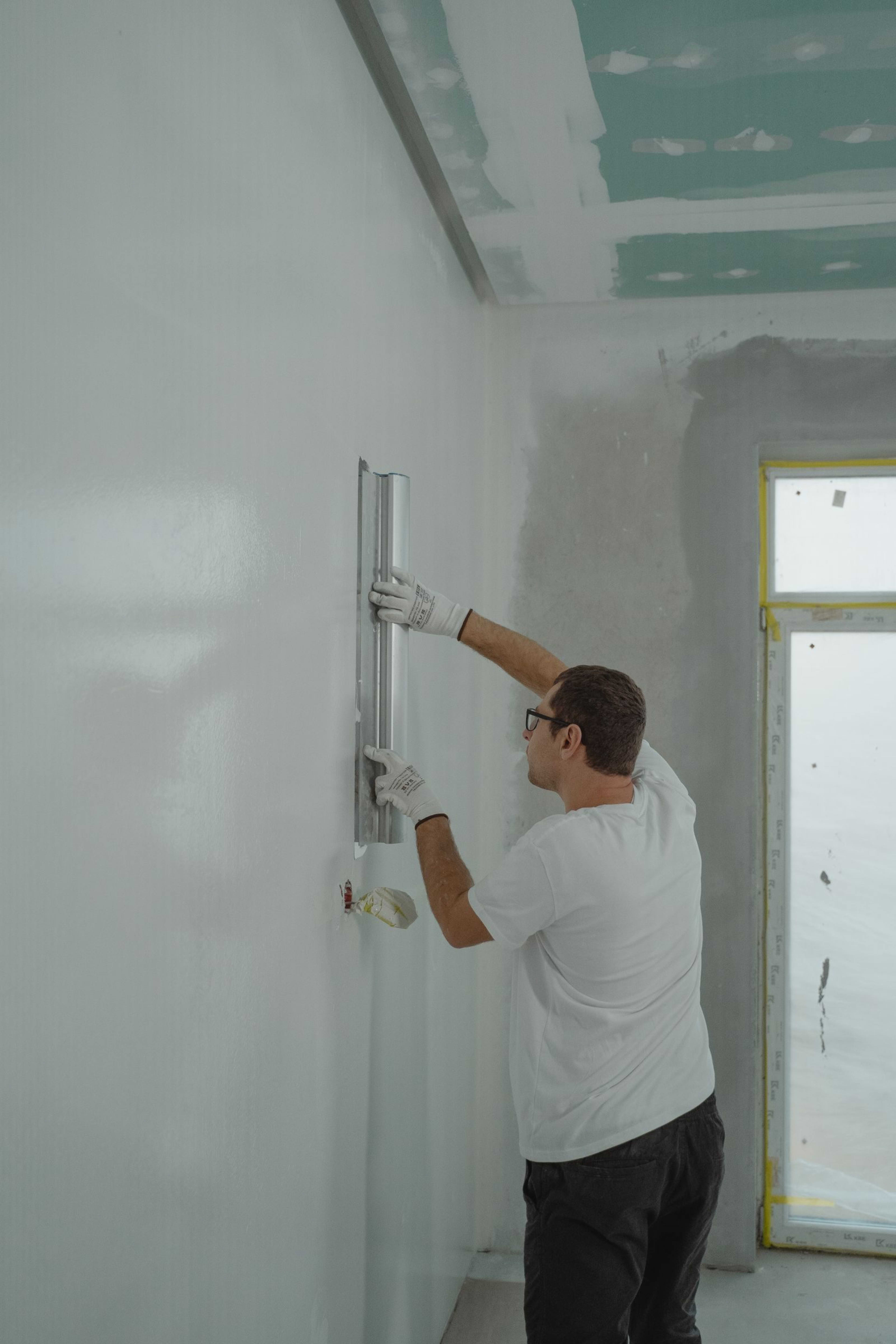
Why Truro Homeowners Have Specific Painting Needs
Truro sits at one of the harshest microclimates on the East Coast for exterior finishes. Homes here face the Atlantic on one side and Cape Cod Bay on the other, which means most properties get hit with salt-laden fog, wind-driven rain, and unfiltered UV from at least two directions. Paint and stain fail here two to three times faster than they do inland — a south- or west-facing wall that would hold a fresh coat for eight years in Concord may need attention in three or four here. That reality shapes everything about how a good paint job in this town needs to be specified, prepped, and scheduled.
The housing stock compounds the challenge. A large share of Truro's homes are older cedar-shingled cottages, Cape-style saltboxes, and mid-century beach houses — many built well before the modern era of moisture barriers and factory pre-primed trim. A meaningful percentage of pre-1978 homes still carry lead paint, which triggers EPA RRP rules the moment a scraper touches a surface. Add in the Historic District Commission review that governs much of Truro Center, North Truro, and portions closer to the National Seashore, and you have a project where the wrong color, the wrong sheen, or the wrong contractor can create real regulatory headaches on top of aesthetic ones.
Finally, Truro is a small town with a shallow bench of full-time trades. Most crews doing quality exterior work up here are booked out months in advance and travel in from Wellfleet, Provincetown, or further down-Cape. That scarcity affects pricing, timelines, and — critically — the leverage a homeowner has when something goes wrong midway through a job.
What Truro Homeowners Actually Complain About
The most common thread in painting complaints on the outer Cape isn't bad taste or high prices — it's premature failure. Homeowners pay for a full exterior repaint, feel good about it for two seasons, and then start seeing peeling on the south wall, bubbling around window trim, or bare shingle showing through where the stain was rolled on too thin. Nine times out of ten the paint itself wasn't the problem. The prep was rushed, the surface was still holding moisture from a foggy morning, or a single primer coat was stretched across wood that needed two.
The second recurring pattern is scheduling drift. A contractor commits to a June start, then pushes to July, then August, and suddenly the homeowner is racing a September nor'easter with half the trim still bare-primed. This isn't always bad faith — the exterior painting window in Truro is genuinely narrow — but the crews who handle it well communicate clearly about where you sit in the queue and what weather contingencies they're planning around. The ones who don't leave homeowners guessing and exposed.
The third complaint is scope creep and change orders that arrive after the work is underway. Rotted trim, failed caulking, and hidden shingle damage are common on outer Cape homes and often only visible once scraping begins. A good contractor prices the discovery risk into the estimate or writes a clear per-linear-foot rate for replacement work. A weak one hands you a surprise invoice at the end.
What to Ask Before You Hire
- How long will you be on-site each day, and how many days total? Painters who juggle three jobs at once often disappear mid-project — you want a realistic block of committed time.
- What's your prep sequence for a Cape exterior? You're listening for scraping, sanding, spot-priming failure areas, full priming of bare wood, and caulking before topcoat — not just "we'll pressure-wash and paint."
- What primer and topcoat system are you using, and why? They should name the specific products and be able to explain why that system suits salt exposure, not just "good paint."
- How do you handle wet or foggy mornings? The answer should involve moisture-meter readings and delayed starts, not "we get going by 8."
- Are you EPA RRP-certified? If the house is pre-1978, this isn't optional — it's federal law, and uncertified crews can leave you legally exposed.
- What's your policy on discovered rot or hidden damage? You want a written unit rate for replacement trim before the job starts, not a surprise change order.
- Can you show me two exterior jobs in Truro or North Truro that are at least three years old? Anyone can make a fresh job look good. The Cape reveals workmanship on year three.
- Who's actually on-site — you, an employee crew, or subs? Both models can work, but you should know before signing.
Red Flags to Watch For
- A quote that doesn't specify prep steps or primer/topcoat brands. Vague scopes are how corners get cut where you can't see them.
- Pressure to start immediately in peak summer. The best exterior crews in Truro are booked. A crew with immediate availability in July is often a crew that just lost a job — ask why.
- No mention of the Historic District Commission on any home in a regulated area. If you're in one and they haven't asked about approved colors, they haven't done this work here before.
- Cash-only deals or large upfront deposits. Standard practice on the outer Cape is a modest deposit (10–25%) with the balance tied to progress milestones — not half up front.
- No written warranty, or a warranty that excludes "salt air conditions." That exclusion voids the entire coverage on almost any Truro home.
- Reluctance to provide the physical address of a recent local job. Photos can be borrowed. Standing in front of a three-year-old wall cannot.
When to Book (Timing This Town)
If you want serious exterior work done in Truro during the coming season, the calendar is unforgiving. Reputable crews start filling their May-through-October slate in January and February. By March, the best of them are booked into midsummer. Waiting until May to start calling means you're either taking whoever's left or pushing your project into the tail end of September, when a single stalled front can cost you a week of cure time and force a spring 2027 finish.
Interior work is more forgiving and is where smart homeowners fill the shoulder seasons — November through March is a good window for interior repaints, and many exterior-focused crews welcome the indoor work to keep their people employed. If you're planning a whole-house project that mixes exterior and interior, book both at once and let the contractor sequence them across the year. That flexibility is often what unlocks a top crew's schedule.
What a Good Job Actually Looks Like
A well-run painting job in Truro starts with a walk-around where the contractor points out failure areas, checks moisture on a few boards, and talks through the sequence before quoting. The estimate that follows is itemized: prep, primer, topcoats, trim, and a clear line for discovered damage. During the job, the crew arrives when they said they would, protects landscaping and hardscape without being asked, and holds off on painting when the wood isn't dry — even if it costs them a day.
The finish is where the good ones separate. Clean cut lines at trim and shingle, no drips down the foundation, no overspray on windows, and a final walk-through where the contractor invites you to point out anything you're not happy with before the final payment. Six months later, the best of them will circle back — a quick call, a drive-by, sometimes a free touch-up on a spot that didn't hold. That follow-through is rare, and it's the single strongest indicator that the paint on your house is going to last the number of years you paid for.
More Truro on Cape Cod Certified
More Cape Cod home guides
- Hiring a Painting Contractor in Wellfleet, MA
- Hiring a Painting Contractor in Provincetown, MA
- Hiring a Painting Contractor in Eastham, MA
- Hiring a Remodeling Contractor in Truro, MA | Guide
- Hiring a Roofing Contractor in Truro, MA: Guide
- Hiring a Home & Rental Cleaning Contractor in Truro, MA
- Interior Painting on Cape Cod: Timing, Low-VOC Paints & Getting It Right in a Humid Climate
- Painting on Cape Cod: A Homeowner's Guide to Hiring the Right Pro
Get the best of Cape Cod — free.
Guides, hidden spots, and seasonal tips from people who actually live here.