Why Orleans Homeowners Have Specific Roofing Needs
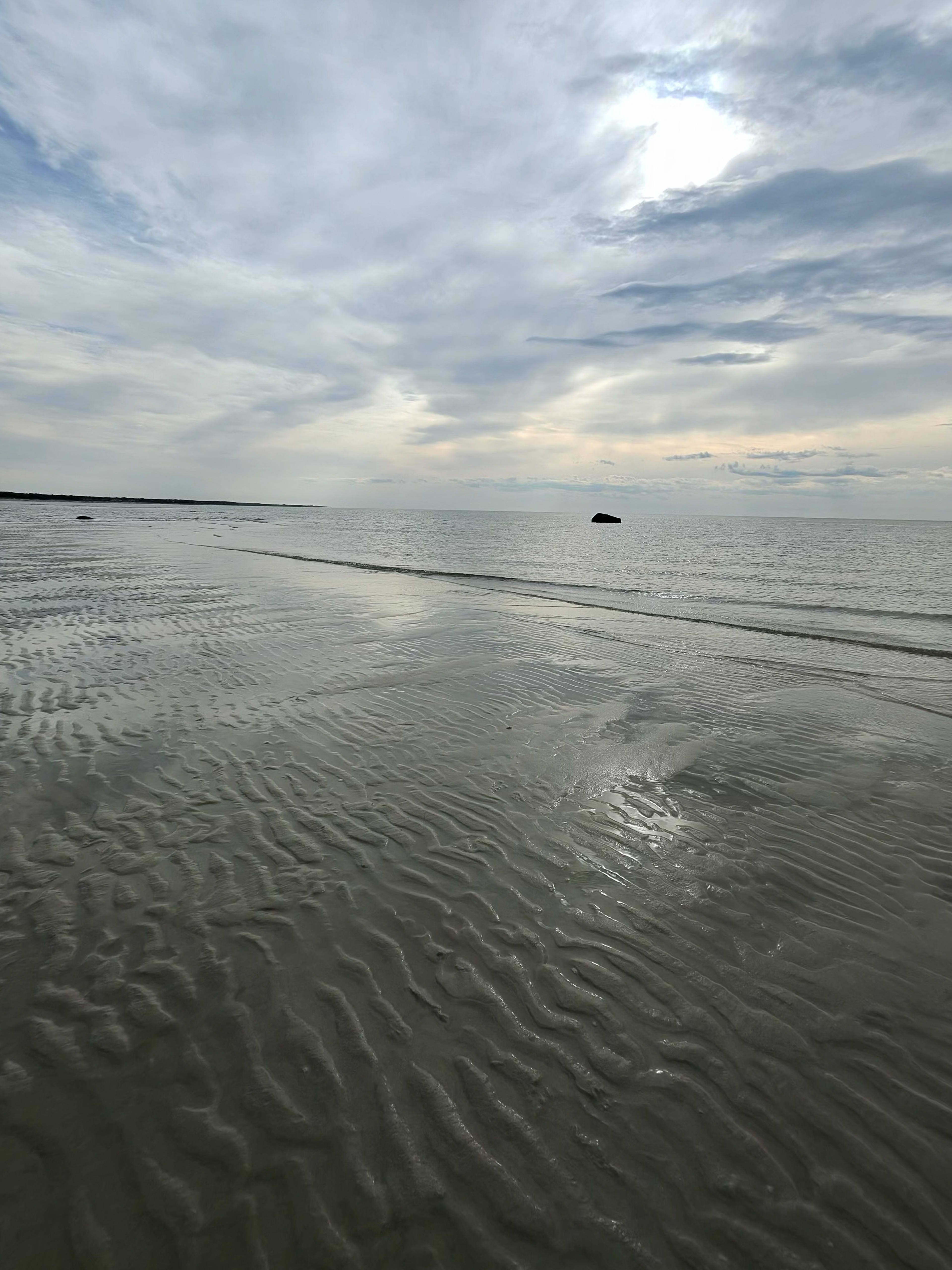
Orleans sits at the elbow of Cape Cod, which means your roof is fielding whatever weather rolls in off the Atlantic, the Bay, and Nantucket Sound — often in the same afternoon. Salt air chews through fasteners and flashing faster than it does inland, wind-driven rain finds seams that never leak anywhere else, and the periodic hail events (the May 2017 storm still shapes local insurance-adjuster relationships) mean many Orleans roofs carry claim history that a new contractor needs to understand before they quote.
The housing stock matters just as much as the weather. A meaningful share of Orleans homes are older Cape-style construction — narrow eaves, complex additions, cedar-shingle transitions, and framing that predates modern truss standards. Some contractors quietly decline these jobs because the labor is unpredictable and the details are fussy. The roofers worth hiring here are the ones who actively take on older homes and know how to detail around dormers, skylights, roof fans, and knee-wall transitions without shortcuts.
Then there's the ownership pattern. A large portion of Orleans homes are second homes or seasonal rentals, which means the person paying for the roof often isn't the person on-site to answer questions, walk the property, or open the door for the crew. That reality shapes everything from scheduling to communication expectations, and it separates the contractors who can actually work here from the ones who fumble as soon as the owner isn't standing in the driveway.
What Orleans Homeowners Actually Complain About
The most damaging complaints in the Orleans-area review data aren't about the roof going on badly — they're about what happens after the check clears. Homeowners describe leaks that appear months or years after installation, traced back to details like roof-fan flashing that was never sealed correctly on day one. When they call the original contractor back, the response ranges from slow to nonexistent. One local homeowner spent more than three years trying to get a contractor back for a persistent leak, only to receive a "fix" that amounted to duct tape wrapped around the penetration and left to peel off in the weather.
That pattern — original workmanship gaps that only surface later, followed by patch-style repairs that don't address the underlying detail — is the single most consistent complaint in this market. A leak around a roof fan or skylight is almost never a caulking problem; it's a flashing problem. When a returning contractor reaches for a tube of sealant instead of pulling shingles back and reworking the detail, the leak comes back. Homeowners who tolerate the first patch usually end up frustrated by the third.
The other recurring theme is simple unresponsiveness to small jobs. Repairs, warranty callbacks, and single-square patches don't pay well, so some larger outfits deprioritize them until the customer gives up. Homeowners in the outer towns have described going through several contractors before finding one who would even return a call for minor work. If you have a small job, expect to make several calls — and treat responsiveness itself as a signal about how the contractor will behave when you need them a year after the install.
What to Ask Before You Hire
- "If I have a leak two years from now, who do I call and how fast do you typically respond?" — Warranty responsiveness is the single biggest complaint pattern here. Get a specific answer, not a shrug.
- "How do you flash around roof fans, skylights, and pipe penetrations?" — You want to hear about step flashing, proper underlayment, and stripping shingles back. If you hear "we caulk it," walk away.
- "Do you take on small jobs and repairs, or only full replacements?" — Contractors who won't touch a repair now won't come back for warranty work later.
- "How do you handle scheduling for a home I'm not living in?" — Critical for rentals and second homes. You want daily updates, photo documentation, and a clear point of contact.
- "Have you worked on older Cape-style homes with additions and non-standard framing?" — Some crews decline these jobs quietly by pricing them out. Better to know upfront.
- "If this turns into an insurance claim, do you meet the adjuster on-site?" — Storm and hail work in Orleans routinely involves adjuster coordination; experienced local roofers do this in their sleep.
- "How many days will the roof be open, and what's your rain plan?" — You want a crew that can tarp fast and finish in one to two days, not one that leaves your deck exposed over a weekend.
- "Can I see photos of the finished detail work — not just the finished roof?" — Anyone can show a nice ridge line. Ask for flashing, valleys, and penetrations.
Red Flags to Watch For
- Duct tape or caulk-only repairs on any flashing, valley, or penetration. This is a symptom-patch, not a fix, and it means the crew is unwilling or unable to do the detail work.
- A contractor who won't commit to a warranty callback timeline — or who gets vague when you ask what happens if a leak appears later.
- A large gap between the star rating and the substance of the negative reviews. A 3.9★ average across dozens of reviews can hide a real pattern; always read the one- and two-star reviews before you sign.
- Unwillingness to quote small jobs or repairs. If they'll only do full replacements, they won't be there when you need a $400 fix.
- No specific plan for weather contingencies during the tear-off. "We'll play it by ear" is not a plan when you have an open deck.
- Vague answers about older-home details — dormers, knee walls, cedar transitions, or additions with mixed pitches. Hesitation here usually means inexperience with the local housing stock.
When to Book (Timing This Town)
The Orleans roofing calendar is compressed by weather on both ends. Serious crews are booked solid from late spring through fall, and the reviews that praise contractors most warmly almost always mention finishing "just before the rain came" or "before we left on vacation." If you know you need a roof in the next twelve months, get on a calendar by February or March — waiting until June often means a July or August start with a nervous eye on hurricane season.
Storm-driven and insurance-claim work follows its own rhythm and can jump the queue, but only if you move quickly after the event. Emergency tarping should happen within days, adjuster meetings within a week or two, and the actual replacement scheduled before every other homeowner on your road files their claim. Non-urgent repairs — small leaks, missing shingles, flashing touch-ups — are easiest to book in the late-fall shoulder window before crews shut down for winter, or in early spring before the full-replacement season swallows the schedule.
What a Good Job Actually Looks Like
A well-run Orleans roofing job is almost boring in how organized it feels. You get a real estimate that walks through the scope, not a one-line number. The project manager introduces the crew and gives you a start date with a rain contingency. Once they arrive, the tear-off and dry-in happen the same day, and on a straightforward home the new roof is on within one to two days. You get a daily check-in — text, call, or on-site — even if you're off-Cape or renting the house out, and the crew works around your tenants or your elderly parent without you having to referee.
At the end, the site is genuinely clean: no nails in the driveway, no shingle scraps in the hydrangeas, no torn tarps left behind the shed. The final walkthrough covers the details, not just the field of shingles — flashing, valleys, ridge vent, penetrations, and any transitions to older sections of the roof. And months later, if something needs a look, the same phone number gets answered by the same person. That last part is what separates a contractor you hire once from a contractor you recommend to your neighbors for the next decade.
More Orleans on Cape Cod Certified
More Cape Cod home guides
- Hiring a Roofing Contractor in Eastham, MA | Guide
- Hiring a Roofing Contractor in Brewster, MA
- Hiring a Roofing Contractor in Chatham, MA: Guide
- Hiring a Painting Contractor in Orleans, MA
- Hiring a Solar Contractor in Orleans, MA
- Hiring a Remodeling Contractor in Orleans, MA
- Wood Rot on Cape Cod: How to Find It, Fix It, and Prevent It
- Siding Replacement on Cape Cod: Cedar, Fiber Cement & Vinyl — What Actually Survives Salt Air
Get the best of Cape Cod — free.
Guides, hidden spots, and seasonal tips from people who actually live here.