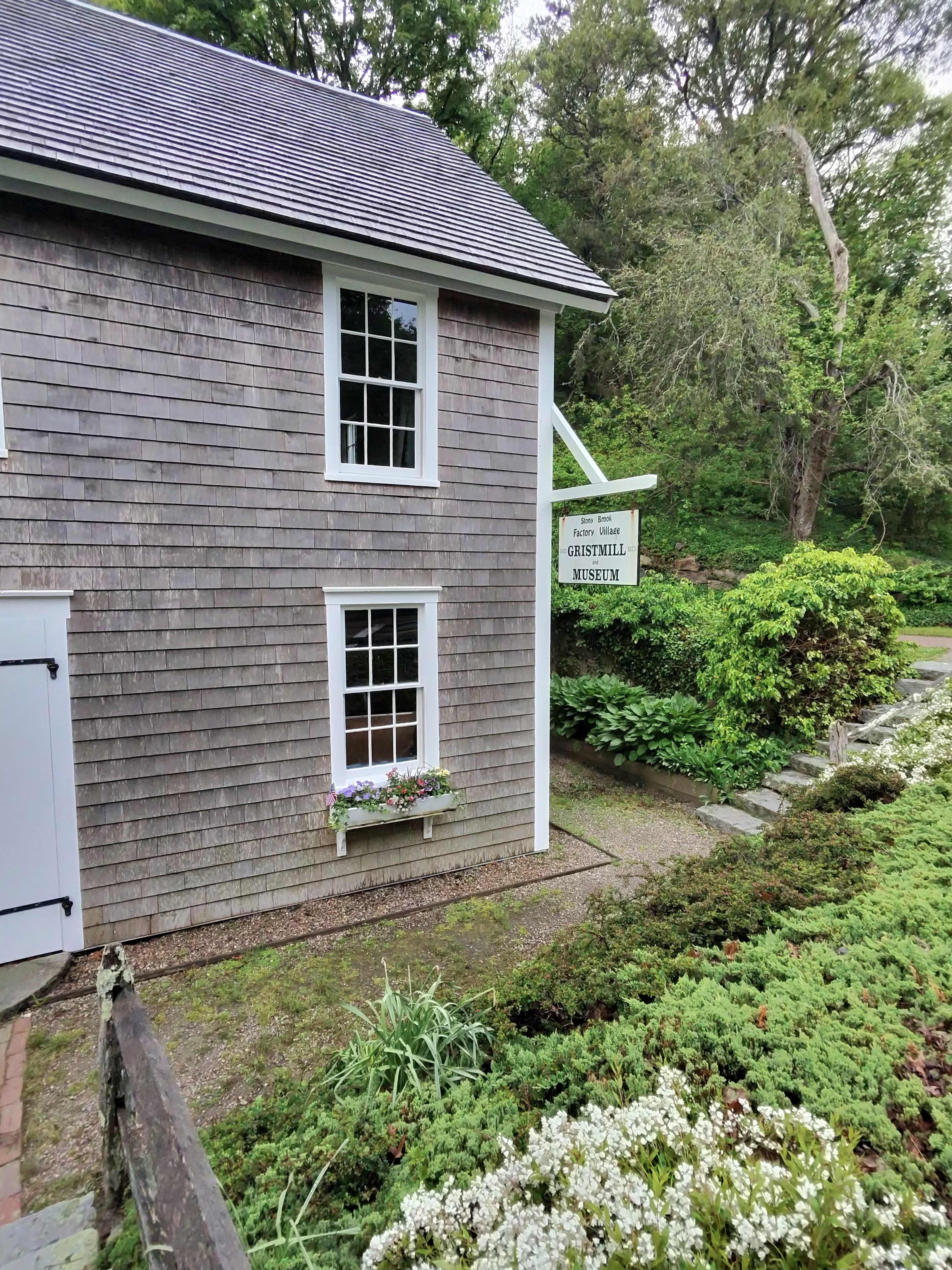
If you've been watching Cape Cod real estate all summer — refreshing listings, losing bidding wars, watching houses disappear before you can book a showing — fall is your reset. The frantic pace slows. Sellers who listed in June are still on the market in September, and their math has changed. Contractors pick up the phone. Inspectors have open slots. And if you close by Thanksgiving, you own the place heading into winter with a full runway to renovate before your first summer as the owner.
That's not wishful thinking. It's the seasonal rhythm of a market that runs on beach weeks and school calendars, and once you understand it, you can use it.
How the Summer Market Leaves the Fall Market Set Up for Buyers
The Cape Cod real estate market front-loads its energy into spring and early summer. Listings that hit in April and May see the largest buyer pools — people who want to close and be in by July Fourth, families working around school calendars, buyers who've been saving searches since January. Competitive offers, compressed timelines, and very little negotiating leverage for buyers characterize this window.
By Labor Day, that wave has broken. A significant portion of inventory didn't sell. Some sellers pulled their listings and will try again next spring. But others — the motivated ones — are still on market, and their position has changed. They've watched the busy season pass. They've carried the property through another few months of costs. A serious buyer in October or November gets a seller who is actually ready to move.
That doesn't mean you'll find a giveaway. Cape Cod waterfront and high-demand village properties hold their value through the shoulder season. But you'll negotiate in an atmosphere of mutual interest rather than competing with eight other buyers while waiving contingencies. Your agent can pull current comps to give you a realistic read on where sellers in a specific town are pricing versus where deals are actually closing — the seasonal patterns in the Cape Cod real estate market explain the broader rhythm.
You See the House for What It Actually Is
There's a specific kind of summer-listing magic that works against buyers. It's a sunny Saturday in July, the sellers staged the deck with a string of café lights and a cooler, the hydrangeas are full, and the rental calendar shows twelve weeks booked at strong rates. You buy what you're seeing.
In October, you see a house. The lawn is done. The light is lower. Nobody staged anything. The neighbor's fence that's two feet over the property line is visible from the driveway. The master bedroom that felt breezy in July now reveals that it shares a wall with the HVAC unit. The "cozy nook" off the kitchen turns out to be an uninsulated addition that won't stay warm.
None of this is bad news. This is information you paid for. Fall strips the cosmetics off a property in a way that summer just doesn't. For a second home you're planning to hold for years, that clarity is worth more than the fantasy of the peak-season showing.
Local realtor recommendations
SponsoredLocal realtorsOpen
Be one of 6 local realtors on this guide
Each guide holds a small, fixed number of local names — never an open auction. Yours would link to your own page on Cape Cod Certified.
Claim a spotInspectors and Contractors Are Reachable — This Matters More Than It Sounds
From June through August, Cape Cod is running at capacity. Skilled contractors, plumbers, roofers, and home inspectors are booked weeks out, sometimes months. Inspectors who could give you a thorough, unhurried walkthrough in October might be squeezing you into a two-hour window in July between two other appointments.
Fall changes the availability picture. Inspectors who know Cape Cod construction well — older capes, cottages on slabs, homes with Title 5 septic systems — have more time to spend on your property. That matters when you're buying a house that may not have had significant work done in fifteen years.
More importantly, after the inspection, you can actually get contractors on the phone. If the inspection reveals a roof that has two or three years left, or a heating system that needs replacement, or a deck that needs to be rebuilt before winter, you can get three quotes in fall. In summer, you'd be lucky to get one callback. Understanding what work is needed — and what it will actually cost in the current market — is essential to knowing whether the asking price makes sense and what you want to negotiate.
Septic, Flood Risk, and the Things You Don't See in Summer Sunshine
Two issues specific to Cape Cod real estate deserve more attention than they typically get in a summer sale environment: septic systems and flood/coastal risk.
Title 5 septic inspections are required when a property transfers, but a system that passes inspection in dry conditions may behave differently after fall rains. Ask your inspector and your agent what time of year the last inspection occurred and under what conditions. The Cape's sandy soil drains fast, which is usually a feature — but an improperly maintained system can pass a summer inspection and show stress in wetter conditions.
On flood risk, fall is a better time to look honestly. Walk a waterfront or near-waterfront property in November and ask your agent what that property looks like after a nor'easter. Look at the elevation. Ask whether the property is in a designated flood zone — a factor that will affect your insurance costs meaningfully. Our guide to flood zones and coastal risk for Cape Cod homebuyers walks through what to look for and what questions to bring to closing.
The honest counterpoint here: some waterfront properties do show worse in November, especially on the bay side, where marsh grass has gone brown and the beach has narrowed with the season. If you're buying on aesthetics alone, fall isn't your friend. But if you're making a financial decision on a significant asset, seeing the property in its least-flattering condition before you buy is a feature.
Closing Before the Holidays — Why the Calendar Works in Your Favor
Buyers who go under contract in September or October are typically looking at closings in October or November, depending on financing and any delays. That timeline has a practical advantage: you can close, do your walk-through, change the locks, and have the property in your name before the year ends.
That matters for a few reasons. First, property taxes and potential homestead exemptions are calculated based on ownership as of a specific date — confirm the exact dates with your attorney and your town's assessor. Second, any work you want to do before next summer — floors, painting, a kitchen refresh, a new heating system — can happen over the winter when trades are available and you're not trying to coordinate around a rental calendar. Third, owning the property with a full winter ahead of you means you learn it in the hard season. You find out which rooms are cold, whether the driveway drains or floods, and which windows leak air before you're planning a Fourth of July week with twelve guests.
If you're evaluating which towns make sense for a second home purchase, including how they perform across seasons, our guide to the best Cape Cod towns for a second home covers that comparison in detail.
The Honest Counterpoints
Fall buying on Cape Cod has real drawbacks. Selection is thinner than spring. If you need a specific combination — three bedrooms, a pool, a particular town, within a mile of the water — you may not find it between September and December, and the right property might appear in April. If selection matters more to you than negotiating leverage, spring is the better window.
Vacation rental projections are also harder to evaluate in fall. Summer rental income is real for many Cape properties, but those numbers are forward-looking. If you're buying partly as an investment, you'll need to ask what the property has historically generated and get that in writing, then confirm the realistic picture with a property manager rather than relying on seller-provided figures.
And some buyers simply want to see the property on a good day before they commit. That's legitimate. The lower light and bare trees in November aren't what most people picture when they imagine their Cape house. If the emotional experience of the purchase matters to you — and it often does — you might do a summer tour first and then come back in fall for the serious due diligence.
A Fall Buyer Checklist
0 of 11 checked
Use this as a framework — your agent and attorney will give you the sequence specific to your transaction.
What Your First Winter Buys You
Here's the case for fall that doesn't get made often enough: you get a free education.
Own a Cape Cod property through the winter and you learn things no inspection can tell you. You find the drafty window in the back bedroom. You find out whether the heating system keeps up on a cold January night. You find out whether the dirt driveway turns to soup in February or drains cleanly. You find out whether you want to insulate the basement ceiling before next summer, or whether the outdoor shower needs to be rebuilt.
All of that knowledge is yours before your first paying guests arrive, before the first family week, before you've committed to a rental calendar. You walk into summer as the person who already knows this house — its quirks, its strengths, its to-do list. That is worth a significant amount. Most fall buyers figure that out somewhere around March.
For buyers working through the full picture of what a Cape Cod vacation home purchase involves — from financing to management to what to expect the first year — our guide to buying a Cape Cod vacation home is the right starting point.
Get the best of Cape Cod — free.
Guides, hidden spots, and seasonal tips from people who actually live here.
Frequently asked questions
Is there less inventory on Cape Cod in the fall?
Yes — selection is thinner than it is in April or May when the spring market opens. If you have a very specific combination of requirements (town, bedroom count, water proximity, amenities), you may not find it between September and December. That said, what's on the market in fall tends to be priced by sellers who are genuinely ready to move, which changes the negotiating dynamic in your favor.
Do Cape Cod home prices drop in the fall?
The market doesn't follow a simple seasonal discount schedule — ask your agent for current comps in the specific town and price range you're targeting. What does change in fall is seller motivation: listings that didn't sell during the summer buying season represent sellers who have carried a property through a slow stretch and are typically open to a more realistic conversation than they were in June.
What inspections are especially important for a Cape Cod home?
Beyond a standard home inspection, pay close attention to the Title 5 septic inspection (required at transfer) and flood zone/elevation status. Both are specific to the Cape's geography and can have significant cost implications. Get the most recent septic inspection report and ask when and under what conditions it was done. For flood zone questions, request an elevation certificate if the property is near water.
Can I still buy a Cape Cod home and rent it next summer if I close in fall?
Yes, and closing in fall gives you the full winter to prepare the property, line up a property management relationship, and get on the rental calendars before the prime booking windows in January and February. Many management companies see their strongest advance bookings in early winter — being an owner by then gives you a head start on next season.
Is fall a good time to see waterfront properties?
Waterfront properties can show less dramatically in November than in July — bay-side marsh grass goes brown, beaches narrow, and the light is lower. Treat this as useful information rather than a drawback: you're seeing the property in its least-flattering condition before committing. Walk the shoreline access, look at the elevation relative to the high-tide line, and ask your agent what the property looks like after a nor'easter. That's the honest picture you're buying.