Walk the canal service road at slack water on a hot July morning and you'll see twenty guys standing shoulder-to-shoulder, casting pencil poppers into glass. Most of them will go home skunked. Not because the canal is fished out — it isn't — but because they showed up at the wrong hour, in the wrong place, throwing the wrong thing.
The Cape Cod Canal is the most productive striped bass fishery on the East Coast when the current is right. The problem is that "the current is right" only describes about four hours of every twelve-hour cycle, and those four hours move forward roughly fifty minutes a day. Show up at the wrong window and you're not fishing the canal — you're standing next to it.
This is the actual cheat sheet: what breaking tide means, when to fish, where to stand, and what to throw.
What "Breaking Tide" Actually Means
The Cape Cod Canal isn't a river. It's a seven-mile slot between Buzzards Bay and Cape Cod Bay, and the Army Corps dredges it deep enough to act like a wind tunnel for water. When the Atlantic side fills before the Buzzards Bay side, the canal runs east. When Buzzards fills first, it runs west. At peak, current can hit 5.2 knots — fast enough to drag a 4-ounce jig sideways the moment it lands.
"Breaking tide" is canal shorthand for the start of a new current after slack. The water has been still (or close to it) for maybe twenty minutes. Then it begins to push. Bait that was holding in eddies and along the rock banks gets pulled into the main flow, disoriented. Striped bass that have been stacked up waiting know exactly what's coming. The first ninety minutes of a new current is when the canal gets stupid.
This is why old-timers fish "the breaking east" or "the breaking west" and skip everything else. They're not fishing the high tide or the low tide. They're fishing the change.
The 4-Hour Window, Explained
The productive window runs from roughly thirty minutes before the current starts to about three and a half hours after. Here's the practical breakdown:
| Phase | Time from slack | What's happening | Action |
|---|---|---|---|
| Pre-break | -30 to 0 min | Slack water, bass repositioning | Be on station, walk in |
| Break | 0 to +60 min | Current starts, bait disoriented | Topwater — pencil poppers, sliders |
| Mid-run | +60 to +180 min | Full current, structured feeding | Jigs, soft plastics on bottom |
| Late run | +180 to +240 min | Current peaking and slowing | Big swimmers, last cast window |
| Dead | +240 to next slack | Too fast or fading | Pack up, eat breakfast |
The full cycle from one slack to the next is about six hours and ten minutes, but only four of those hours fish well. The other two are when the current is either too slow to position bait or so fast that nothing can hold.
You can pull canal tides from the Army Corps' Cape Cod Canal Marine Forecast or the NOAA Sagamore station. The USACE Cape Cod Canal Currents page is the local standard — fishermen at Red Top Sporting Goods in Buzzards Bay will quote those times before any app. In 2026, the printed Cape Cod Canal Currents chart still sells for around $5 at most Cape tackle shops, and it lives in the truck of every serious canal regular.
Where to Stand: The Pole System
The service road on both banks is marked by light poles, numbered. Locals navigate entirely by pole number. "Pole 67 was on fire last night" means something specific. Memorize a handful of these:
- Poles 10–30 (Sagamore end, south bank): Closest to Cape Cod Bay. Best on the breaking east — bait flushing from the bay gets pushed in first. Access from Bell Road and the Sagamore parking lot off Cranberry Highway in Sandwich.
- Pole 67 area (mid-canal, south bank): The "Herring Run" stretch. Productive both tides. Herring run through here April through early June and bass key on them. Access via the Herring Run Recreation Area off Route 6 in Bournedale.
- Poles 95–110 (Bourne Bridge area): Deep water, current rips hard. East tide is the play — the back-eddy on the southwest side of the bridge stacks bass. Park at the Bourne Recreation Area.
- Poles 130–150 (Buzzards Bay end, north bank): Best on the breaking west. Fish flush in from Buzzards. Access via Scusset Beach State Reservation in Sagamore Beach — daily parking is $14 for MA-registered vehicles and $40 for out-of-state plates (mass.gov/locations/scusset-beach-state-reservation). Resident status is set by your license plate, the DCR annual parking pass covers it, and fees run May 23 through October 12.
The north bank (Sandwich/Sagamore side) and south bank (Bourne side) fish differently. Wind matters more than people admit — a hard southwest wind makes the south bank unfishable with topwater. Switch sides.
Gear That Actually Works in 5-Knot Current
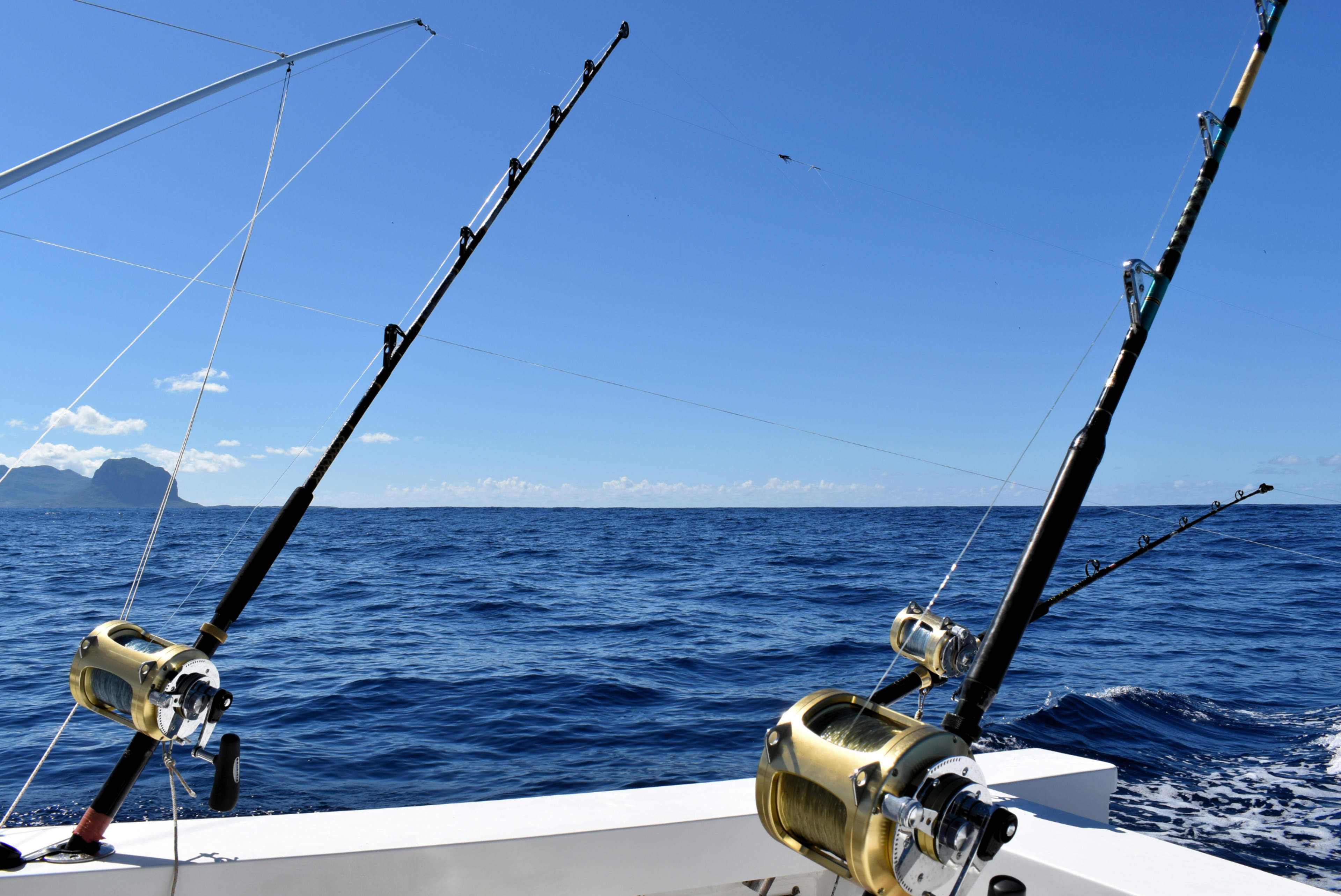
You're casting into a freight train of water. Standard surfcasting setups don't cut it.
- Rod: 10'6" to 11' medium-heavy, rated for 2–6 oz. Lamiglas Super Surf, Century Sling Shot, or St. Croix Mojo Surf are the standards. Expect to pay $250–$500 for a serious canal rod in 2026.
- Reel: Van Staal VR150 or VSB150, Penn Spinfisher VI 7500, or Shimano Saragosa SW 8000. Saltwater-sealed, no exceptions. Canal regulars don't take chances with grit and barnacle scrape.
- Line: 50–65 lb braid, period. Mono won't sink fast enough. Add an 80 lb fluorocarbon leader, about 4 feet.
- Top three lures:
- Pencil popper (Cotton Cordell or Tactical Anglers, around $22): The breaking-tide topwater. Walk it across the seam where slow water meets fast water.
- Sebile Magic Swimmer 165: Slow-sink, works the mid-column when bass are off the top. About $25 each. Lose two and you'll feel it.
- 3–5 oz bucktail or 4 oz pencil jig: Bottom-bouncing weapon for the mid-run phase.
A fully outfitted canal setup in 2026 runs $500–$900 if you skip nothing. You can do it for $300 with a Penn Battle III and a 10' Tsunami Trophy. But you'll re-spool more often and lose lures to break-offs in current.
The Bike Move
Here's the thing nobody tells you: the canal is seven miles long. Driving from pole 30 to pole 130 takes you off the canal entirely — there's no parallel road, and the only crossings are the Bourne and Sagamore bridges. Locals bring bikes.
A bike on the service road (paved, flat, no cars allowed) lets you cover three or four spots in one tide window. Hit the breaking east at the Sagamore end, ride west as the current builds, intercept fish moving with the tide. The service road is officially shared use — fishermen, joggers, cyclists. Don't be the guy casting across the bike path. You will get yelled at.
Parking is mostly free at the official recreation areas (Bell Road, Herring Run, Bourne Recreation Area, the canal-side lot by the Scusset jetty). The Scusset State Reservation beach lot charges the day-use fee ($14 on MA plates, $40 out-of-state), but the jetty parking is free. Get there before 5:30 AM in July if you want a spot near pole 130.
Rules That Will Actually Bite You
- Massachusetts saltwater fishing permit: Required for anyone 16 or older. In 2026 it's $10 for residents and non-residents alike, and free for anyone 60 or older regardless of where they live. Buying online adds $3.38 in handling and convenience fees, so budget $13.38. Anglers who meet the state's disability definition are exempt from carrying one at all. Get it at mass.gov/how-to/buy-a-saltwater-fishing-permit before you go.
- Striped bass slot: One fish per day, must be 28" to less than 31". Anything outside the slot goes back. MA Division of Marine Fisheries has been strict — wardens work the canal in summer.
- Off-limits zones: No fishing from the Bourne Bridge, Sagamore Bridge, or the inside ends of the Scusset jetty. Posted. Stay off.
- Night fishing: Service road is open 24/7 but it's pitch dark. Headlamp required. Army Corps vehicles will run you off the road if you're in their way.
The Two Mistakes Almost Everyone Makes
Mistake one: fishing the wrong tide for the wrong spot. The breaking east is the Sagamore-end tide. The breaking west is the Buzzards-end tide. Standing at pole 110 on a breaking east, you're behind the bait push. Move with the water, not against it.
Mistake two: showing up at slack and leaving when it gets crowded. Slack is when everyone arrives. The breaking tide is when the wall of shoulder-to-shoulder casters turns into a feeding frenzy — and most of them lose their nerve and reel up too early. Stay through the +180 to +240 window. The last forty-five minutes of a good current produces more 40-inch fish than the first hour.
Don't-Miss Warnings
Watch the current, not the rocks. People drown in the canal every couple of summers. The rock banks look fishable at low water and become death traps at peak current. Stay on the service road or the upper rock line. Never wade.
Cast the seam, not the boil. If you see surface boils and the water looks like it's pulling sideways, that's a tide rip — and that's where the bass are. Drop your lure on the slack side and let the current swing it through. That single tactic, applied during the breaking tide window at the right pole, is the entire canal in one move.
Show up, know your tide, ride to your pole, fish the right four hours. The canal does the rest.
Gear That Earns Its Spot
Cape Cod Certified picks — essentials worth packing for this trip:
- Sueños del Sol Linen Napkins (Set of 4): Hand-embroidered linen napkins with a bold sun-and-moon motif in coastal blue and yellow. They bring an effortless, elevated warmth to summer dinner parties and lazy Cape mornings alike.
- McCrea's Cape Cod Sea Salt Caramels (5.5 oz) — $28: Boston-made, individually wrapped caramels finished with flaky Cape Cod sea salt for that sweet-salty coastal bite. The grab-and-gift treat people rebuy every visit and every holiday.
- Amanecer Wave Yellow Tablecloth: A sunshine-yellow cotton tablecloth with a softly embroidered wave along the border, inspired by sunrise over the water. It turns any deck or dining table into a warm, gathered place to linger.
Your Certified Next Steps
Get the best of Cape Cod — free.
Guides, hidden spots, and seasonal tips from people who actually live here.
Frequently asked questions
What is breaking tide at the Cape Cod Canal?
Breaking tide is canal shorthand for the start of a new current after slack water. When the current begins to push, bait that was holding in eddies gets pulled into the main flow and striped bass that have been stacking up start feeding aggressively. Old-timers consider it the only window worth fishing.
Do you need a fishing license to fish the Cape Cod Canal?
Yes. Massachusetts requires a recreational saltwater fishing permit for anglers 16 and older. Anglers 60 and older still need a permit, though the process is the same. Confirm current fees and requirements at mass.gov before you go.
What is the striped bass slot limit at the Cape Cod Canal?
Massachusetts enforces a keeper slot for striped bass — one fish per day within a specific size range — and wardens actively patrol the canal in summer. Confirm the current slot dimensions with the MA Division of Marine Fisheries before your trip, as regulations can change.
Where do you park to fish the Cape Cod Canal?
The Canal has several public access points along its length on both the mainland and Cape sides, including recreation areas and Scusset Beach State Reservation. Some lots charge a day-use fee, so check before you go.
Can you bike along the Cape Cod Canal to fish?
Yes — the service road on both banks is paved, flat, and closed to cars, making it well-suited for cycling between fishing spots. Locals use bikes to cover several poles in a single tide window, moving with the current rather than driving off the canal to reach another access point.