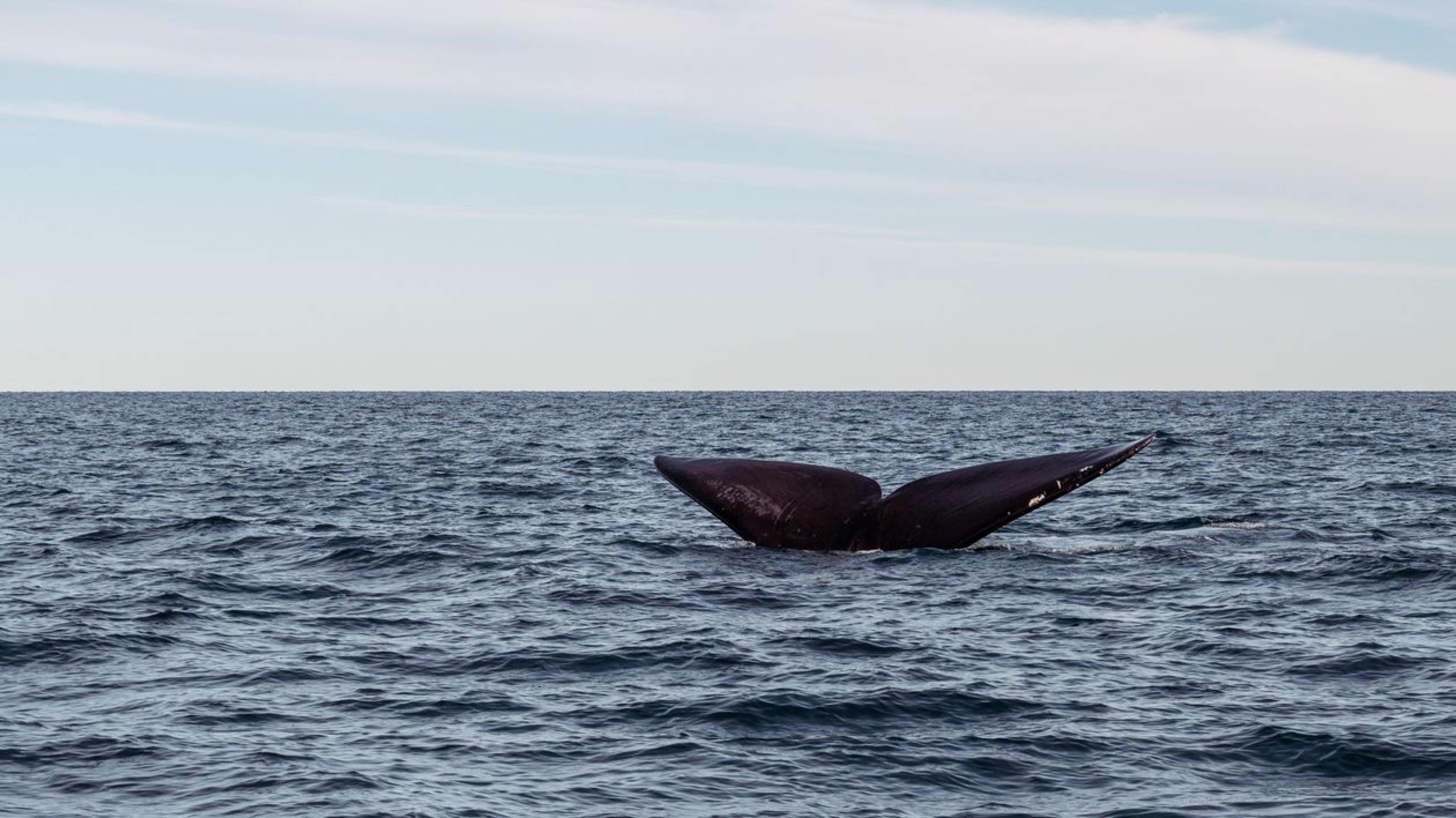
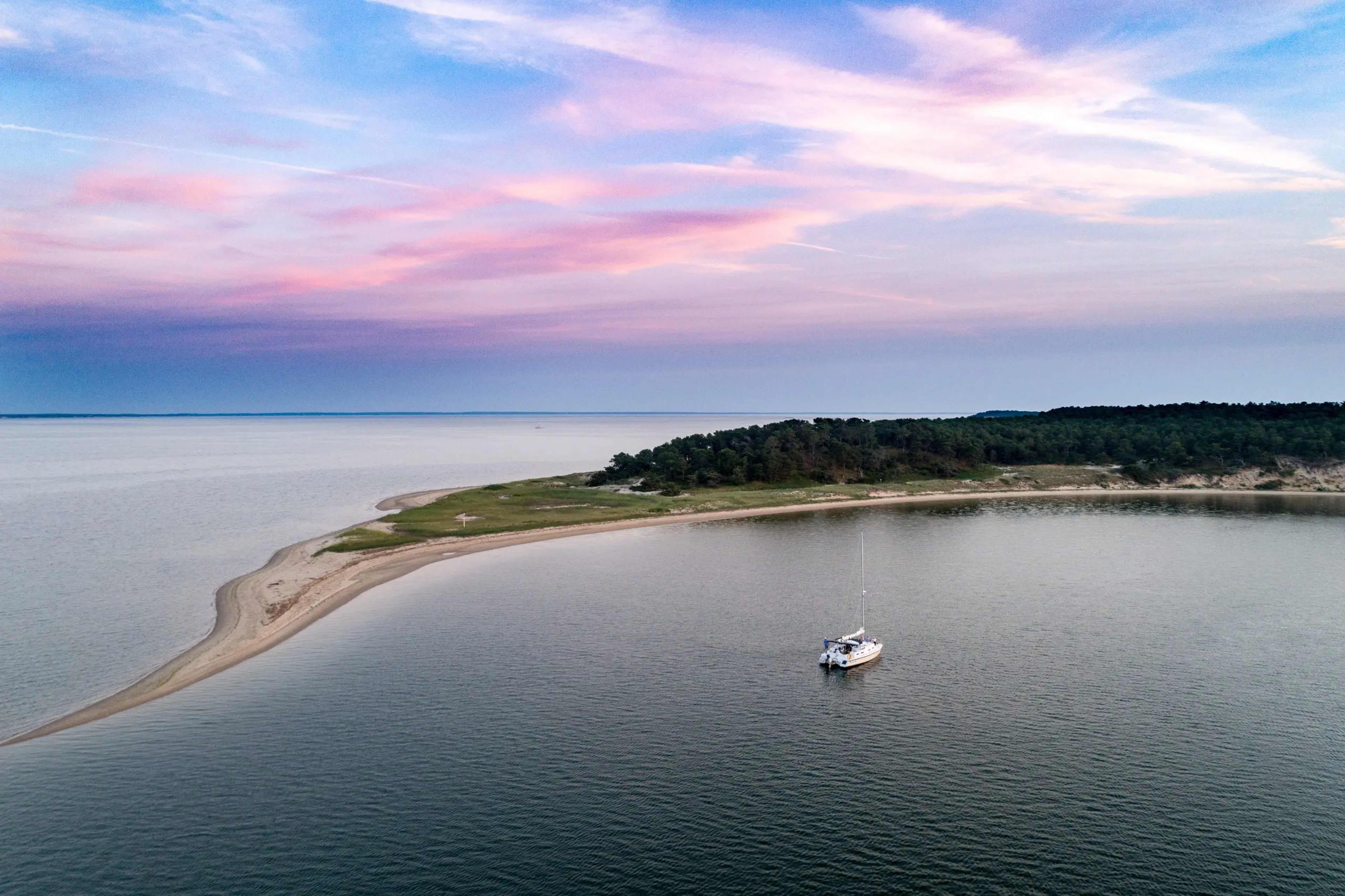
Cape Cod National Seashore was established in 1961 under President John F. Kennedy — a son of the Cape himself — making it one of the earliest national seashores in the United States. The protected area covers 43,000+ acres of Atlantic beach, freshwater ponds, salt marsh, sand dune, and pitch pine forest stretching from Chatham north to the tip of Provincetown. Without that federal act, the Outer Cape would look like the Jersey Shore. With it, the most spectacular unbroken stretch of beach in New England is permanently beyond the reach of condominium developers.
Most visitors know the Seashore exists in the abstract. Far fewer know which beaches are Seashore beaches, how the pass system works, where to hike, or what the ranger protocols are when a Great White Shark is spotted from the drone offshore. This guide makes Cape Cod National Seashore legible.
The Six Lifeguarded Beaches: Your Main Swimming Options
Cape Cod National Seashore operates six lifeguarded beaches from roughly late June through Labor Day (exact dates vary by year). Each has a distinct character worth understanding before you choose one.
Coast Guard Beach (Eastham) — East-facing Atlantic beach, widely considered the finest swimming beach on the Cape. Strong summer surf, wide sand, backed by bluffs. There is no beach parking lot here: all visitors must take the shuttle from the Doane Area or Salt Pond Visitor Center. This is a feature, not a bug — it keeps crowds manageable. Shark monitoring is in effect July through November.
Nauset Light Beach (Eastham) — A short drive north of Coast Guard, also east-facing. The candy-striped Nauset Light stands at the bluff edge. A modest parking lot fills early on summer weekends. Similar surf character to Coast Guard Beach. The bluff above the beach is actively eroding — do not approach the edge.
Marconi Beach (Wellfleet) — Named for Guglielmo Marconi, who transmitted the first transatlantic wireless signal from this bluff in 1903. East-facing, with imposing clay bluffs and excellent surf. Often the best bet for mid-morning arrivals when Eastham lots are already full. The Atlantic White Cedar Swamp Trail begins a short walk from the parking area.
Head of the Meadow Beach (Truro) — The quietest of the Seashore's Atlantic beaches by feel, set in the transition between the Lower Cape and the Outer Cape. Two parking lots: one for bike trail access, one for the beach itself. Narrower strand than Marconi or Nauset, but meaningfully less crowded on the same August weekend.
Race Point Beach (Provincetown) — The northernmost Seashore beach, where the Cape hooks west and the dunes roll inland for miles. East-facing but with views north toward Stellwagen Bank, making this one of the best land-based whale-watching vantage points on the Cape in season. Also the primary over-sand vehicle (OSV) beach on the Outer Cape — permits available from the Race Point Ranger Station. Shark monitoring in effect on the Atlantic side.
Herring Cove Beach (Provincetown) — The only west-facing Seashore beach. Bay-side water, calm surface, no surf to speak of. Families with young children and anyone who wants a genuine Cape Cod Bay sunset should come here. Shark activity here is significantly lower than at the Atlantic-facing beaches.
How Entry and Passes Work
Cape Cod National Seashore does not use the town sticker system. Anyone can enter any Seashore beach by paying the fee at the entrance booth — no residency required, no town sticker needed.
The standard fee is $25 per vehicle for a day pass, valid that day at all six Seashore beaches. There is no seven-day vehicle pass. Visitors entering on foot or by bicycle pay a per-person fee (currently $15 for ages 16 and up; children under 16 are free), and motorcycles pay $20.
The most important thing to know about the pass system: the America the Beautiful Interagency Annual Pass covers entry to all Cape Cod National Seashore beaches — plus every other federal land in the United States — for $80 per year (U.S. residents; $250 for non-residents as of January 1, 2026). If Cape Cod beaches are the only federal land you plan to visit, the Seashore's own Annual Park Pass is $60 and is the better buy. If you plan to visit two or more times in a season, or if you also visit any National Park or National Forest, the annual pass pays for itself. The Senior Pass ($80 lifetime for qualifying seniors) and Access Pass (free for permanently disabled visitors) are both available at the Salt Pond Visitor Center.
One off-season detail worth knowing: vehicle entrance fees are typically suspended from late fall through early spring. This makes November through April a remarkable value — free parking, no crowds, and extraordinary winter light on the dunes.
The Trails: The Most Overlooked Part of the Seashore
Most visitors never leave the beach. The Seashore's trail network is one of the most underused assets on the entire Cape.
Fort Hill Trail (Eastham) — A roughly 1.4-mile loop through open grassland and red maple swamp with sweeping views over Nauset Marsh toward the Atlantic. The Captain Penniman House — a French Second Empire mansion built by a 19th-century whaling captain — stands at the trailhead. Free parking, no entrance fee required. Best at dawn when marsh light turns gold.
Nauset Marsh Trail (Eastham) — Connects from the Salt Pond Visitor Center through salt marsh and Atlantic white cedar, approximately 1.6 miles. The trail passes Salt Pond itself — a kettle pond formed by a melting glacier block, not by a stream — before opening onto the marsh.
Atlantic White Cedar Swamp Trail (Wellfleet) — A 1.2-mile boardwalk loop through one of the largest remaining Atlantic white cedar swamps in New England. The trees here are ancient and the light is cathedral-dim even on bright days. Located near the Marconi Station Site. No entrance fee required.
Great Island Trail (Wellfleet) — The most demanding and most rewarding hike on the Seashore. Great Island is a tidal peninsula on the Bay side, connected to Wellfleet Harbor. The full out-and-back to Jeremy Point is approximately 8 miles. A shorter 4-mile option ends at the Great Island site itself. Bring water, bring a tide chart — the final section to Jeremy Point is only passable at low tide. The combination of Bay views, total isolation, and historic fishing-camp archaeology makes this unlike any other trail on the Outer Cape.
Province Lands Bike Trail (Provincetown) — 5.5 miles of paved path looping through the Province Lands dunes near Race Point. Rentable bikes are available throughout Provincetown. The dunes here — some over 100 feet tall — are the largest on the Cape and feel genuinely remote even in peak season.
The Visitor Centers
Salt Pond Visitor Center (Eastham) is the Seashore's flagship facility and the right starting point for any first visit. An orientation film covers the geology and ecology of the Cape and is worth the twenty minutes. The adjacent natural history museum has well-designed exhibits on the Seashore's glacial formation, wildlife, and human history. Ranger-led programs run throughout the summer from Salt Pond. Open year-round, though hours shrink significantly in winter, so confirm current hours before an off-season visit.
Province Lands Visitor Center (Provincetown) is the secondary facility near Race Point Beach. Smaller than Salt Pond, with a focus on the Province Lands dune ecosystem and maritime history of the Outer Cape. Open seasonally (typically spring through fall — confirm current dates). The observation deck on top of the building delivers a panoramic view of the Province Lands dunes — worth the stairs even if you skip the exhibits.
The Off-Season Seashore
The Cape Cod National Seashore in winter is one of the genuine secrets of this region. Entrance fees are typically waived. The beaches are empty. The light in November and February hits the dunes at angles summer visitors never see. Gray seals haul out on the outer beaches in numbers — sometimes hundreds — that peak-season crowds obscure entirely. Piping plovers are gone; the dunes feel primordial.
Fort Hill is a reliable year-round trail with no logistical complexity. Great Island is better in fall and spring when summer heat is not a factor and the tidal walks are more comfortable. The Salt Pond Visitor Center remains open with reduced hours.
If you can visit the Outer Cape in October or early November, the Seashore is operating in its clearest form: no crowds, no fees, no competition for a parking spot, and the distinct feeling that the landscape is doing exactly what the 1961 Congress intended when they protected it.
First, the Basics
| Detail | Info |
|---|---|
| Total acreage | 43,000+ acres |
| Established | 1961 |
| Lifeguarded beaches | 6 |
| Lifeguard season | Roughly late June through Labor Day |
| Vehicle fee (daily) | $25 |
| Motorcycle | $20 |
| Pedestrian / bicyclist (16+) | $15 per person |
| Seashore Annual Park Pass | $60 |
| America the Beautiful Annual Pass | $80 (U.S. residents) / $250 (non-residents) (nps.gov/planyourvisit/passes.htm) |
| Off-season vehicle fees | Not collected outside roughly late May through mid-September |
| Visitor Centers | Salt Pond (Eastham), Province Lands (Provincetown) |
| Shark monitoring season | July through November at Atlantic-facing beaches |
| OSV access | Race Point Beach (permit from Race Point Ranger Station) |
Beaches & trails in this guide
- Marconi Beach, Wellfleet →
- Coast Guard Beach, Eastham →
- First Encounter Beach, Eastham →
- Nauset Light Beach, Eastham →
- Head of the Meadow Beach, Truro →
- Race Point Beach, Provincetown →
- Herring Cove Beach, Provincetown →
- Nauset Beach, Orleans →
- Province Lands Bike Trail, Provincetown →
- Nauset Marsh Trail, Eastham →
- Great Island Trail, Wellfleet →
- Atlantic White Cedar Swamp Trail, Wellfleet →
Find lodging, restaurants, and Certified local businesses near the Seashore towns at capecodcertified.com/directory — the region's most carefully curated local guide to Eastham, Wellfleet, Truro, and Provincetown.
What to Bring / What You'll Need
Cape Cod Certified picks — essentials worth packing for this trip:
- MalsiPree Portable Dog Water Bottle — $15: One-handed, leak-proof bottle with a built-in bowl that recycles unused water back into the bottle. Under six ounces and ready for every boardwalk, trail, and dune walk.
- Sun Bum Mineral SPF 30 Sunscreen Lip Balm — $4: Zinc-based broad-spectrum lip protection with vitamin E; reef-safe.
Where to Take This Next
Get the best of Cape Cod — free.
Guides, hidden spots, and seasonal tips from people who actually live here.
Frequently asked questions
Do I need a town beach sticker to park at Cape Cod National Seashore beaches?
No — the Seashore operates its own entry system, completely separate from town sticker programs, so anyone can enter any Seashore beach by paying at the booth regardless of residency. Annual passes are available if you plan to visit multiple times; check current fees before you go.
Which Seashore beach is best for families with young kids?
Herring Cove in Provincetown faces west onto calm Cape Cod Bay water with little surf, which makes it a good choice for families with young children.
How does shark monitoring work at Cape Cod National Seashore?
From July through November, NPS drone operators watch the Atlantic-facing beaches; a confirmed sighting clears the water and triggers a PA announcement, with the beach reopening after a set waiting period without another confirmed sighting. The SharkSmart app (iOS and Android) shows real-time confirmed sightings at each beach.
Is there parking at Coast Guard Beach in Eastham?
In summer, Coast Guard Beach is reached by shuttle from the Little Creek lot on Nauset Road rather than by parking at the beach. The shuttle setup helps keep the beach from becoming overcrowded.
Are Cape Cod National Seashore beaches open in winter?
Yes. Seashore beaches are accessible year-round, and fall and winter visits are wonderfully uncrowded. Fee seasons and visitor center hours change in the off-season, so check current details before you go.