Cape Cod sits at a geographic crossroads that creates some of the most accessible and biologically rich tidal flats in New England. The Bay side of the Cape — facing Cape Cod Bay to the west — experiences some of the largest tidal swings in the northeastern United States, ranging from 8 to 12 feet between low and high tide in certain locations. When that tide retreats, it exposes a remarkable hidden world: sandy flats, shallow pools, rocky outcroppings, and the creatures that make their home there.
Whether you're exploring with young kids who have never seen a hermit crab up close, or you're a naturalist looking to observe intertidal ecosystems, Cape Cod's tide pools and tidal flats reward the prepared visitor. Here's everything you need to know before you go.
Why Cape Cod Has World-Class Tidal Flats
The shape of Cape Cod Bay is the key. The bay's funnel geometry concentrates tidal energy, pushing enormous volumes of water in and out twice daily. In Brewster, that swing regularly hits 10 to 12 feet — meaning the ocean retreats nearly a mile from the high-tide line. That exposure creates vast intertidal zones that exist somewhere between land and sea for hours at a stretch, teeming with life adapted to survive both submersion and open air.
The Bay side of Cape Cod is calm, sheltered, and largely sandy — ideal for families with young children. The Atlantic-facing (east) side of the Outer Cape is more rugged and wave-driven, and true rocky tide pools in the classic New England sense are less common here. For the most accessible and creature-rich tide pool experiences, the Bay side is your destination.
Best Tide Pool Locations on Cape Cod
Brewster Tidal Flats — The Crown Jewel
Brewster is the tide pool capital of Cape Cod, and it's not particularly close. The town sits on the inner arc of Cape Cod Bay, and at low tide, the water retreats so far that you can walk nearly a mile out across exposed flats. Two of the best access points are Breakwater Beach (off Breakwater Road) and Paines Creek Beach (off Paines Creek Road). Both are free to access for out-of-town visitors, though parking can fill quickly in July and August — arrive before 9 a.m. or after 4 p.m.
At Brewster's flats, you'll find a mix of sandy bottom, eelgrass beds, and scattered rocky patches, all populated by hermit crabs, periwinkles, green crabs, fiddler crabs, mussels, oysters, and — if you look carefully — small fish trapped in shallow depressions as the tide pulls back. Children can walk out hundreds of yards and never be in water above their knees. It is the single best location on Cape Cod for a family tide-pool experience.
First Encounter Beach, Eastham
Just south of Brewster, First Encounter Beach in Eastham offers a similar Bay-side flat experience with a bonus layer of history: this is near the site of the Pilgrims' first encounter with the Wampanoag people in 1620. The parking lot (resident sticker required in season; fee for visitors) sits at the end of Samoset Road. At low tide, the flats here extend far out, with pockets and pools scattered across the exposed bottom. Look for moon snails and their distinctive egg collars, periwinkles grazing on algae-covered rocks, and fiddler crabs scurrying near the marsh edge.
Rock Harbor, Orleans
Just over the Brewster-Orleans town line, Rock Harbor is worth mentioning as a supplementary stop. The harbor empties dramatically at low tide, exposing mudflats and rocky edges where you can spot mussels, barnacles, and shore crabs. The working harbor adds a fishing-village atmosphere and the adjacent marsh is excellent for shorebird watching. Parking is free.
Wellfleet's Tidal Creeks and Flats
Wellfleet is famous for its oysters, and the tidal creeks and flats around town show you exactly why. While Wellfleet doesn't have a single iconic tide pool beach, the areas around Duck Creek and the town's outer beaches offer excellent low-tide exploration. Indian Neck Beach and the flats behind Mayo Beach expose sandy-bottom zones where you can find razor clams, soft-shell clams, oysters in the wild, and the occasional horseshoe crab.
Provincetown — Flats and Rocky Points
At the very tip of the Cape, Provincetown offers a different kind of intertidal experience. The West End of Provincetown, particularly the area near Herring Cove Beach and the breakwater, exposes rocky sections at low tide where barnacles, periwinkles, mussels, and green crabs cluster on every available surface. The breakwater itself at low tide is a habitat edge worth examining closely. Note: Herring Cove faces west toward Cape Cod Bay — the sun sets here over the water, and on a calm July evening the light is extraordinary.
Old Silver Beach, Falmouth
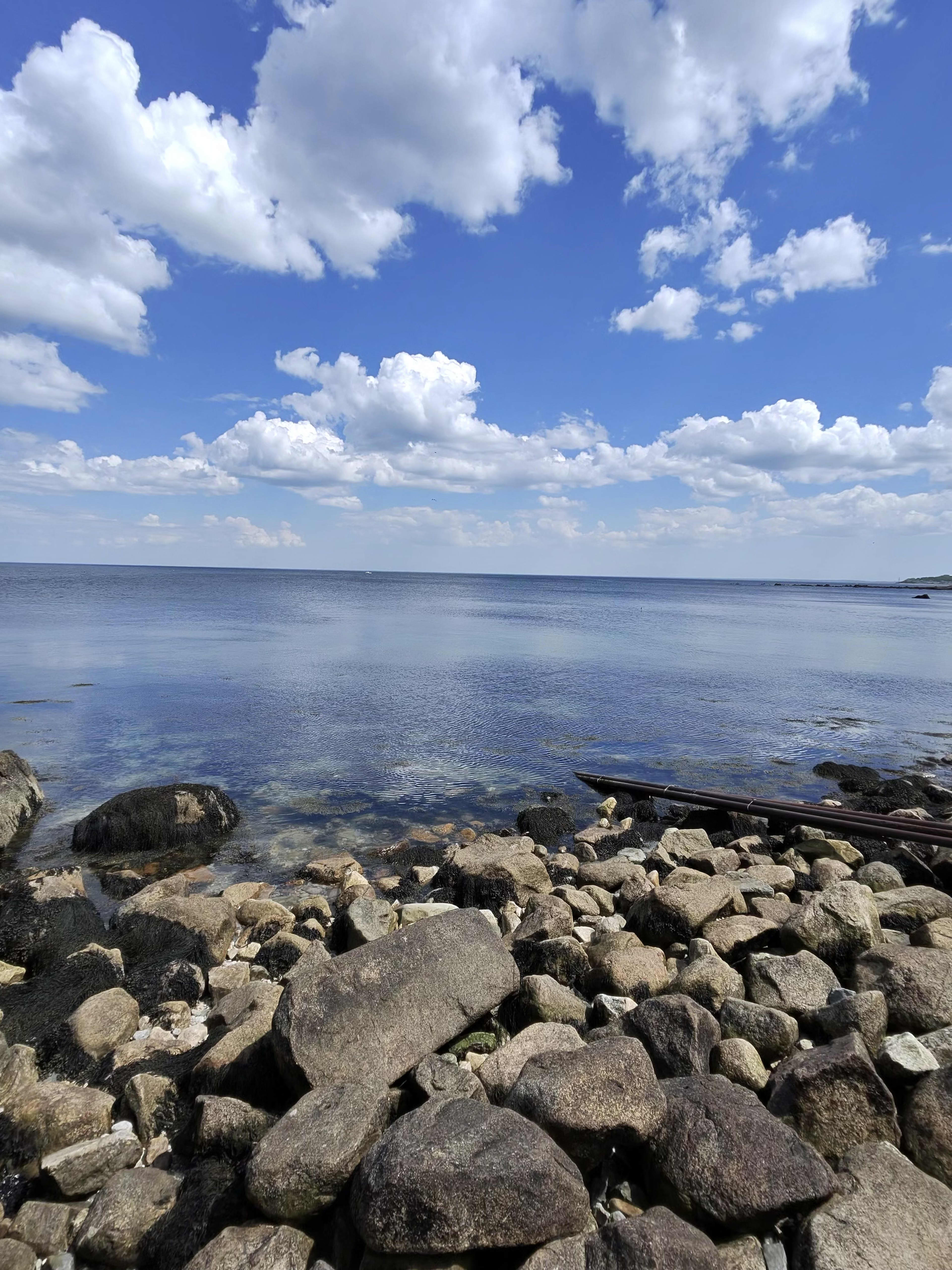
On the western shoulder of Cape Cod, Old Silver Beach in Falmouth faces Buzzards Bay. The tidal range here is smaller than on the inner Bay side, but the beach does expose rocky patches and sandy shallows at low tide. Families visiting the Falmouth/Woods Hole area can combine a tide pool visit with a walk through the Woods Hole Oceanographic Institution exhibit, which is free and provides excellent context for what children observe in the field.
What You'll Find in Cape Cod's Tide Pools
Part of the joy of tide pool exploration is not knowing exactly what you'll encounter. That said, certain creatures appear reliably across Cape Cod's intertidal zone:
- Hermit crabs — the most popular with children; you'll find them everywhere, commandeering periwinkle and moon snail shells
- Periwinkles — small, gray-brown snails that graze on algae; extremely common on any rocky or semi-hard surface
- Green crabs — aggressive, fast-moving, and invasive; they dominate most flats and are identifiable by their five marginal teeth and green-tinted shell
- Fiddler crabs — males have one dramatically oversized claw; found near marsh edges and soft mudflats
- Mussels — clumped on any hard substrate; blue-black and often encrusted with barnacles
- Barnacles — conical shells on rocks, pilings, and shells; closed at low tide, feeding when submerged
- Oysters — especially common in Wellfleet; clusters attached to hard substrate in the low intertidal zone
- Razor clams — buried vertically in sandy flats, leaving distinctive keyhole-shaped holes
- Moon snails — large, smooth, spherical snails that prey on other bivalves; look for their rubbery sand-collar egg cases washed up on shore
- Small trapped fish — mummichogs (killifish) and juvenile striped bass sometimes strand in pools at low tide
- Sea stars — less common on the flats than on rocky coasts, but occasionally spotted in deeper low-tide pools at Brewster and Eastham
How to Read a Tide Chart — The Single Most Important Skill
Arriving at a tidal flat at the wrong time is the most common mistake visitors make. At high tide, there is nothing to see — just water. You need to be at the beach within two hours of low tide, and ideally arrive 90 minutes before low tide so you can watch the creatures emerge as the water retreats.
Tide times shift by approximately 50 minutes each day, so a low tide at 9 a.m. today will occur around 9:50 a.m. tomorrow. Tide charts for specific Cape Cod beaches are available at:
- NOAA Tides and Currents (tidesandcurrents.noaa.gov) — search for "Wellfleet" or "Brewster" for the most accurate local readings
- Tides.net or any surf/fishing app with location-specific tide data
- Many local bait and tackle shops post tide charts in their windows
Look for the lowest predicted low tides, often called "minus tides" — these expose the most habitat and offer the richest viewing. In summer, the best low tides often fall in the early morning or late afternoon.
Safety Tips for Tidal Flat Exploration
- Know your exit. Before you walk out, look back and note your landmarks. Flats can look disorienting when the tide turns.
- Watch the tide direction. Once low tide passes, the water returns faster than most people expect. At Brewster, the returning tide can cover a half-mile in 30 to 45 minutes.
- Wear water shoes. Rocks, shells, and buried razor clams can cut bare feet.
- Bring sun protection. The flats offer no shade and reflect significant UV radiation in July and August.
- Keep children in sight at all times. The scale of Brewster's flats, in particular, makes it easy for small children to wander far from the group.
How to Respect Tide Pool Ecosystems
Cape Cod's tidal flats are productive ecosystems that support commercial fishing, migratory shorebirds, and the marine food chain. A few rules to follow:
- Look, don't collect. It is illegal to collect live marine animals without a permit in Massachusetts. Hermit crabs, sea stars, and mussels should be observed and left in place.
- Return anything you pick up. If you lift a rock or shell to look underneath, return it gently to the same position.
- Don't chase or stress crabs and fish. They are working hard to survive the low-tide window; pursuing them disrupts feeding and mating behavior.
- Step carefully. Mussels and barnacles are living animals; stepping on clusters crushes them. Pick your footing deliberately on rocky surfaces.
Best Time of Year to Visit
July and August offer the warmest water temperatures — typically 68 to 74 degrees on the Bay side — making wading and exploring the most comfortable. That said, the tidal creatures are present throughout the season. May and June bring cooler air but less crowded conditions and excellent minus tides. September tide pools are often richer, as juveniles have had the summer to grow and predator activity increases before migration.
In any month, the experience depends far more on tide timing than on season. A perfect July afternoon at high tide is a less interesting shore visit than a chilly May morning at low tide.
Beaches & trails in this guide
- Old Silver Beach, Falmouth →
- Paines Creek Beach, Brewster →
- First Encounter Beach, Eastham →
- Rock Harbor (Bay Beach & Pier), Orleans →
- Herring Cove Beach, Provincetown →
- Indian Neck Beach, Wellfleet →
- Breakwater Beach, Brewster →
Make It a Day, the Certified Way
Get the best of Cape Cod — free.
Guides, hidden spots, and seasonal tips from people who actually live here.
Frequently asked questions
What time should I go to see tide pools on Cape Cod?
Arrive before low tide so you can watch the water retreat and creatures emerge — the guide recommends getting there well ahead of the low. Tide times shift each day, so check a local tide chart before heading out. The lowest predicted low tides, often called minus tides, expose the most habitat and richest viewing.
Where are the best tide pools on Cape Cod for families with young kids?
Brewster's tidal flats are the top pick for families — the Bay-side location offers calm, shallow water where children can explore without getting into deep water. Breakwater Beach and Paines Creek Beach are the main access points. Parking fills quickly in peak summer, so arriving early morning or late afternoon helps.
What creatures can you find in Cape Cod tide pools?
Hermit crabs, periwinkles, green crabs, fiddler crabs, mussels, barnacles, and moon snails appear reliably across Cape Cod's intertidal zones. Wellfleet's flats are especially known for oysters, and shallow pools at Brewster and Eastham sometimes hold sea stars and small trapped fish at low tide.
Is it legal to pick up crabs and shells from tide pools in Massachusetts?
No — it is illegal to collect live marine animals without a permit in Massachusetts. Hermit crabs, sea stars, and mussels should be observed and left in place. If you lift a rock or shell to look underneath, return it gently to the same position.
Are tide pools better on the Bay side or the ocean side of Cape Cod?
The Bay side offers far more accessible tide pool experiences. Cape Cod Bay's funnel shape drives large tidal swings that expose wide, calm, creature-rich flats — especially in Brewster and Eastham. The Atlantic-facing Outer Cape is more rugged and wave-driven, with fewer accessible rocky intertidal pools.