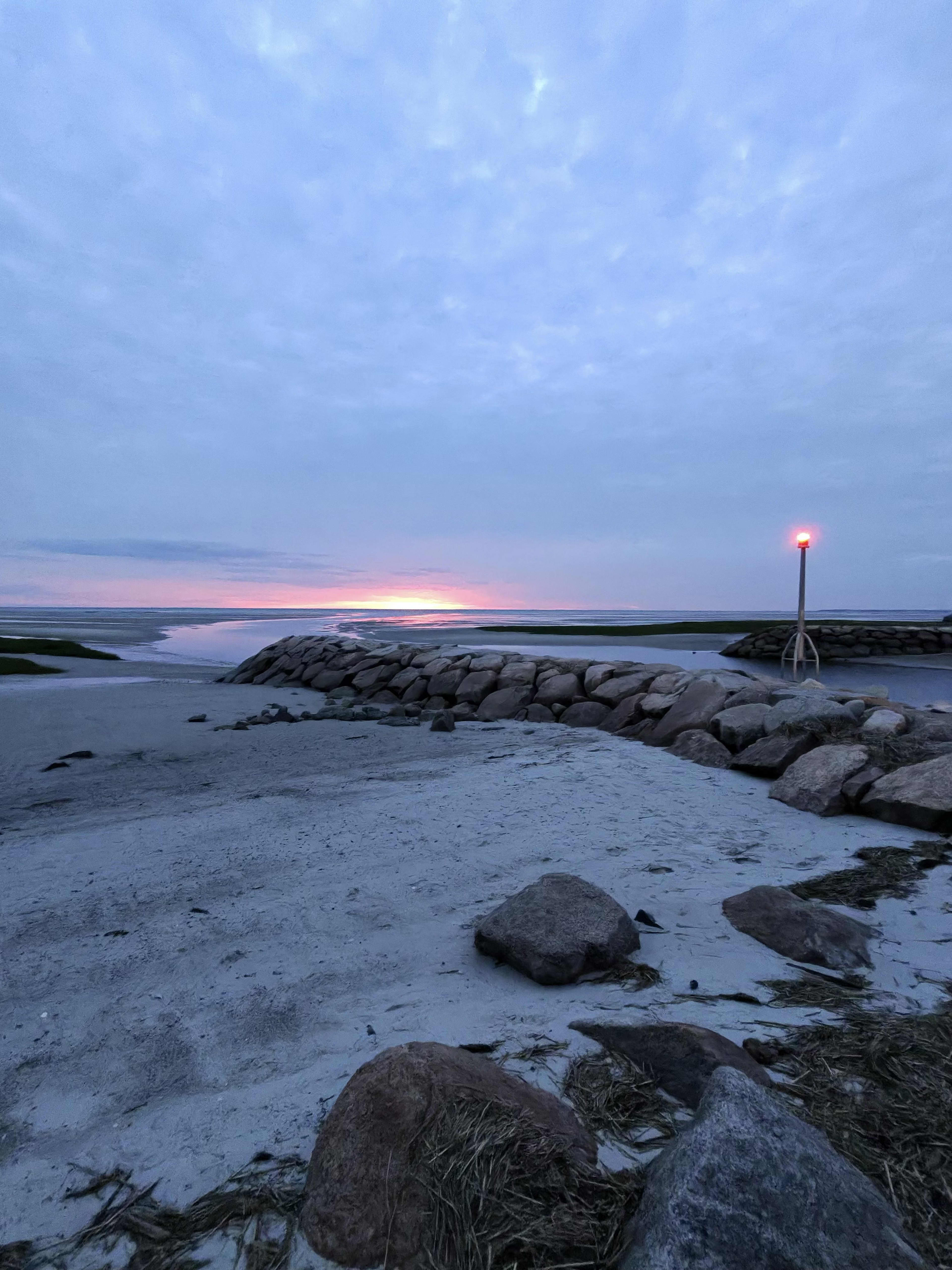
Something happens in October on Cape Cod. The last leaf-peepers clear Sagamore Bridge, the rental offices close, the miniature golf courses shutter. By November, the population has dropped from its summer peak of nearly half a million to roughly 220,000 — the year-rounders, the working fishermen, the artists and writers who came for a summer and never left. What remains is a different place entirely.
Locals say this because it is true: Cape Cod in winter is quieter, more authentic, and in many ways more beautiful than the crowded, trafficked version most visitors experience. The light is different. The pace is different.
Upper Cape: Year-Round Infrastructure
Not all of Cape Cod hibernates equally. Hyannis runs close to its full operational state year-round. Grocery stores, pharmacies, hardware stores, and a solid core of restaurants never close. Falmouth and Sandwich operate as genuine year-round towns. If anxious about logistics, base yourself in Hyannis or Falmouth. Then explore further east.
The further east you go, the quieter it gets. Yarmouth, Dennis, Brewster have pockets of year-round activity, but many summer-only businesses board up from Columbus Day through Memorial Day. The restaurants that stay open are usually owned by people who live here, serving people who live here. That is not a warning — it is a recommendation.
Wellfleet and Truro: Quiet Cape Territory
By the time you reach Wellfleet and Truro, you are in genuinely quiet territory. The National Seashore here is extraordinary in winter. The summer crowds that descend on Cahoon Hollow and Wellfleet Harbor are gone. The parking lots are empty. The trails are yours.
Always verify winter hours directly with restaurants and attractions before visiting. Hours shift mid-season and are most current on a business own social media.
Provincetown: A Town That Actually Lives Here
Provincetown is the exception to every outer-Cape rule: a genuine year-round arts community with a working harbor, a resident population of around 3,000, and a cultural infrastructure built by people who intended to stay. In summer, P-town streets hold 50,000 visitors a day. In January, it holds itself. The galleries on Commercial Street are open. Some of the best restaurants on the Cape stay through winter. The Provincetown Art Association and Museum runs exhibitions year-round.
What to Do: Winter Activity Guide
Winter Marine Wildlife (From Shore). Commercial whale-watch boats don't run in the dead of winter — the season generally starts in spring and runs into fall. Winter is instead the season for shore-based marine wildlife. North Atlantic right whales — among the most endangered large whales on earth — move into Cape Cod Bay from roughly January through April, and the bay is one of a handful of places on the planet where they gather to feed. They are federally protected and boats must stay at least 500 yards away, so this is a spotting-scope-and-shoreline pursuit: on calm days they can occasionally be seen from bay-facing bluffs and beaches. Gray and harbor seals haul out along the shore all winter, and the harbors fill with sea ducks.
Birding: The Premier Season. Winter is genuinely the best season for birding on Cape Cod. Sea ducks crowd harbors and offshore shoals: Long-tailed Ducks in spectacular numbers, Common Eiders, three scoter species, Bufflehead, Goldeneye. Check jetties at Barnstable Harbor and Chatham Morris Island for Purple Sandpipers. In irruption years, Snowy Owls move south onto open beaches and marshes. The Christmas Bird Count in late December draws participants of all experience levels.
Cape Cod Rail Trail. The 25-mile paved trail from Dennis to Wellfleet is open year-round. In winter you will rarely share it with more than a handful of others. The marsh views near Eastham in winter, with grasses bleached and sky flat grey, have a specific quality landscape photographers know well.
National Seashore Hiking. Great Island Trail, Wellfleet (4.7 miles): exposed and dramatic in winter, extraordinary views across Wellfleet Harbor. Beech Forest Trail, Provincetown (1.2-mile loop): sheltered through a rare beech forest, completely peaceful in winter. Nauset Marsh Trail, Eastham (1.6-mile loop): sweeping views across Nauset Marsh, one of the most photographed Cape landscapes in low winter light. The Salt Pond Visitor Center in Eastham is open year-round with maps and current trail conditions.
Shellfishing. Recreational shellfishing continues year-round. Many locals consider winter the best season — the public flats that draw summer crowds are quiet. Town shellfish permits available; check with individual town shellfish constables.
Winter Events. First Light Provincetown (New Year's): several days of parties, events and performances, with a 6pm New Year's Eve drone show at MacMillan Pier (ptowntourism.com). Chatham Christmas Stroll (early December): tree lighting, open shops, carol singers on Main Street.
Staying and Eating: The Practical Reality
Accommodations. Prices drop 40–60% below summer rates. Owner-operated places that maintain winter operations offer a different level of attention. Book ahead in Provincetown — year-round lodging inventory is smaller than expected.
Dining. You may need a reservation in winter — not because of crowds, but because so few restaurants are open that the ones that are can fill with year-rounders alone. The restaurants that stay open on the Outer Cape are run by people who chose to stay, serving food they actually want to cook. Check individual restaurant websites and social media the week before you go.
The Light
The winter light on Cape Cod has sustained an art colony for over a century. The Provincetown Art Association was founded in 1914, and artists like Edward Hopper, Charles Hawthorne, Milton Avery, and Robert Motherwell were drawn by the quality of light at a lower solar angle — the way it rakes across dunes rather than flooding over them, the way it catches the surface of marsh in late afternoon, the particular shade of blue the bay becomes on a clear winter day with no summer humidity to scatter it.
Before You Go: Practical Notes
Dress seriously. Wind off Cape Cod Bay in January is not to be underestimated. A base layer, insulating mid-layer, windproof outer layer, wool hat. Hand warmers on the outer beach are not excessive.
Call ahead. For any restaurant or attraction you are planning around, check their active social media the week before.
Make restaurant reservations. Even in the off-season, popular restaurants fill quickly on weekend evenings.
Embrace the storms. Cape Cod nor'easters are a legitimate experience. The outer beach during a winter storm is dramatic in a way summer visitors never see.
The summer Cape Cod is real and worth visiting. But it is not the whole Cape. The version that remains when the crowds clear — quieter, more light-struck, more itself — is the one that year-rounders are actually talking about when they say they love it here.
Beaches & trails in this guide
What Locals Pack
Cape Cod Certified picks — essentials worth packing for this trip:
- Hand-Painted Cape Cod Lobster Traps Blown-Glass Ornament — $24: ~3-inch blown-glass ornament reverse-hand-painted with a Cape Cod lobster-trap coastal scene; gift boxed.
- Govee WiFi Thermometer w/ Freeze Alerts — $30: Get a phone alert the moment your Cape house drops toward freezing — the warning that saves burst pipes.
- DampRid Hi-Capacity Moisture Absorber Bucket — $12: Set a few around a shuttered Cape house to pull damp salt air from closed rooms — no power, lasts ~6 months.
From Reading to Doing — Start Here
Get the best of Cape Cod — free.
Guides, hidden spots, and seasonal tips from people who actually live here.
Frequently asked questions
Is Cape Cod worth visiting in the winter?
Locals say winter Cape Cod is quieter, more authentic, and in many ways more beautiful than the crowded summer version. The light is different at a lower solar angle, the pace is slower, and the beaches and trails that draw summer crowds are almost entirely yours. It is a genuinely different Cape, not a lesser one.
Can you see whales from shore in winter on Cape Cod?
North Atlantic right whales move into Cape Cod Bay from roughly January through April, and on calm days can occasionally be spotted from bay-facing bluffs and beaches with a spotting scope. They are federally protected, so this is a shore-based pursuit only. Gray and harbor seals also haul out along the shore all winter.
What's open on Cape Cod in the winter?
Hyannis, Falmouth, and Sandwich function as genuine year-round towns with grocery stores, pharmacies, hardware stores, and a core of restaurants. Provincetown is the Outer Cape exception, maintaining open galleries, year-round restaurants, and a working harbor. The further east you go, the more seasonal things get — always verify hours before you visit.
What can you do outdoors on Cape Cod in the winter?
The Cape Cod Rail Trail is open year-round and nearly empty in winter. National Seashore hiking trails in Wellfleet, Provincetown, and Eastham offer dramatic off-season views, and the Salt Pond Visitor Center in Eastham can provide maps and current conditions. Winter is also considered the best birding season on the Cape.
Do Cape Cod restaurants stay open in the winter?
Some do, but selection thins considerably the further east you go, and hours shift mid-season. Check individual restaurant websites and social media the week before your visit, and make reservations even in the off-season — popular spots can fill with year-rounders alone on weekend evenings.